Is Investing in a Quartz Sand Processing Plant Profitable? Cost & ROI Analysis
Introduction: The Lucrative World of High-Purity Quartz Sand
The global demand for high-purity quartz sand is experiencing unprecedented growth, driven by its critical applications in semiconductors, solar photovoltaics, optical fibers, and high-end electronics. With purity levels often exceeding 99.995% SiO2, this specialized material commands premium prices, making the establishment of a quartz sand processing plant a potentially highly profitable venture. However, the path to profitability is paved with significant capital expenditure, technical challenges, and operational complexities. This comprehensive analysis delves into the cost structure, return on investment (ROI) considerations, and the pivotal role of selecting the right processing technology to ensure a successful and profitable operation.
Market Dynamics and Profit Potential
The profit margin in quartz sand processing is intrinsically linked to the final product’s purity and particle size distribution. While standard construction-grade sand may sell for $20-$50 per ton, high-purity quartz sand for the solar industry can command $200-$500 per ton, and ultra-high-purity sand for semiconductor applications can reach several thousand dollars per ton. The key to unlocking this value lies in a processing plant’s ability to consistently produce material that meets stringent industry specifications for iron, aluminum, and other trace element contamination, as well as precise particle size control.
Core Cost Components of a Quartz Sand Processing Plant
A detailed understanding of the capital and operational costs is fundamental to any ROI calculation.
1. Capital Expenditure (CAPEX)
- Land & Infrastructure: Costs for site preparation, utilities (power, water), buildings, and silos.
- Raw Material Handling: Crushers, feeders, and conveyors for initial size reduction of mined quartz ore.
- Beneficiation & Washing: Equipment for scrubbing, attrition, magnetic separation, and flotation to remove impurities.
- Drying: Rotary or fluidized bed dryers to reduce moisture content before fine grinding.
- The Grinding & Classification Heart: This is the most critical and technologically demanding section. The choice of milling and classification equipment directly impacts product quality, yield, and energy consumption—the largest OPEX factor.
- Packaging & Automation: Bagging systems, PLC controls, and dust collection systems.
2. Operational Expenditure (OPEX)
- Energy: Grinding is notoriously energy-intensive, often constituting 50-70% of total OPEX.
- Wear Parts & Maintenance: Cost of grinding media, liners, classifier blades, and other consumables.
- Labor: Skilled operators and maintenance personnel.
- Raw Material: Cost of quartz ore from the mine.
- Logistics: Transportation of raw materials and finished products.
The Pivotal Role of Grinding Technology: Maximizing Yield and Minimizing Cost
The transition from beneficiated quartz granules to high-purity, finely graded sand is where the most value is added—and where the greatest operational costs are incurred. Traditional ball mills, while robust, are inefficient for achieving very fine sizes (below 200 mesh) and can introduce iron contamination from media wear. Modern, dry-processing grinding systems offer superior control, purity, and energy efficiency.
For investors, selecting the right mill is not just an equipment purchase; it’s a strategic decision defining the plant’s product portfolio and bottom line. Two technological pathways are paramount for different product segments:
Pathway 1: High-Capacity Production of Fine Quartz Sand (30-325 Mesh)
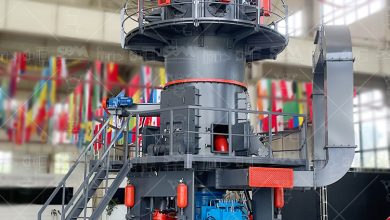
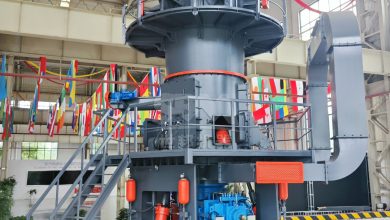
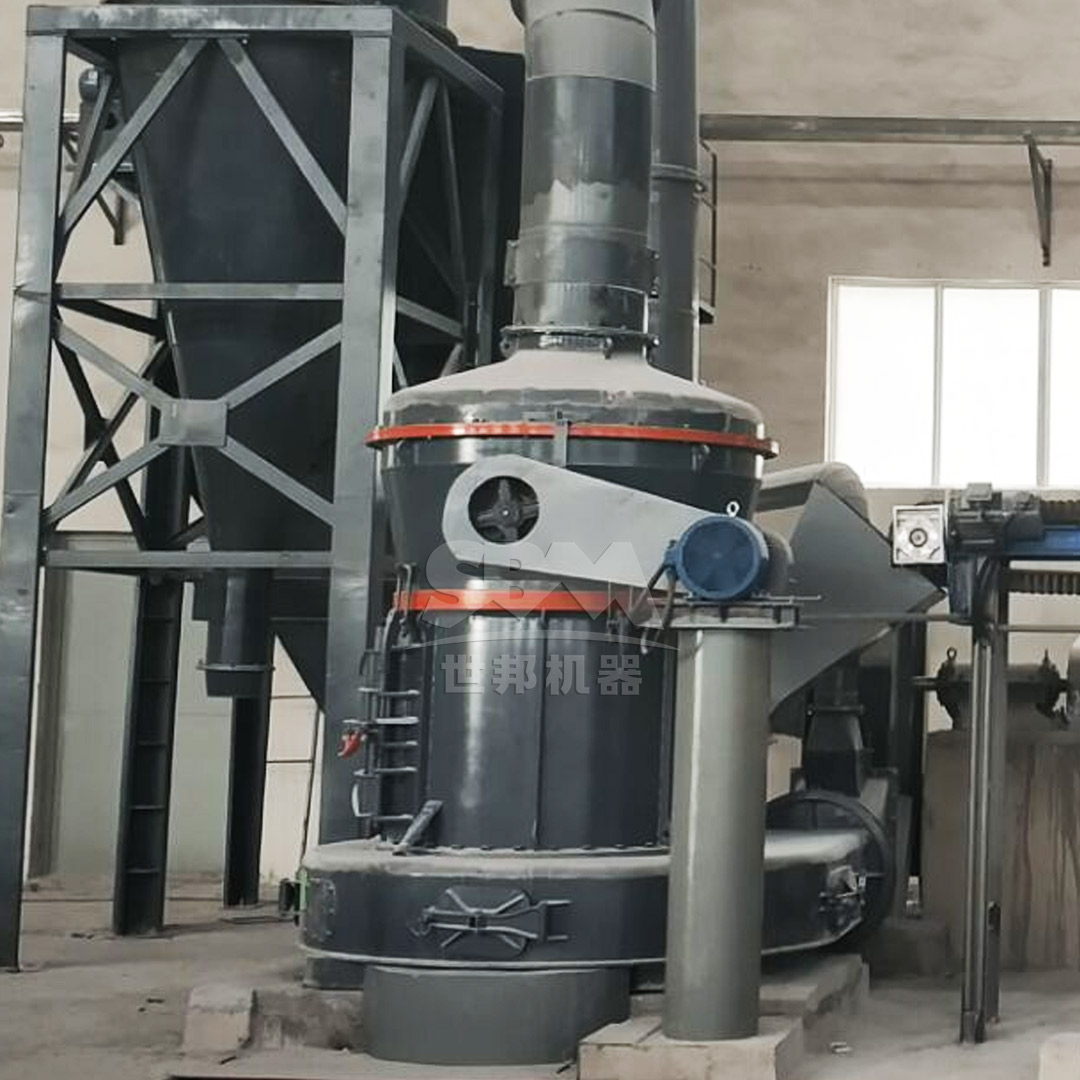
For applications in glass, ceramics, foundry, and filtration, where high volume and consistent sizing in the coarse to medium-fine range are required, the MTW Series European Trapezium Mill represents an optimal solution. Its advantages directly address key profitability drivers:
- High Throughput & Low OPEX: With capacities from 3 to 45 tons per hour, it supports large-scale production. Its integral bevel gear drive achieves 98% transmission efficiency, and the optimized air duct system minimizes airflow resistance, leading to significantly lower energy consumption per ton compared to older Raymond mill designs.
- Product Consistency: The efficient centrifugal classifier ensures precise particle size cuts, producing uniform sand with minimal oversize or fines, maximizing saleable yield.
- Reduced Maintenance Cost: Features like the anti-wear shovel design and wear-resistant volute structure reduce downtime and parts replacement costs by up to 30%, directly improving operational availability and profit margins.
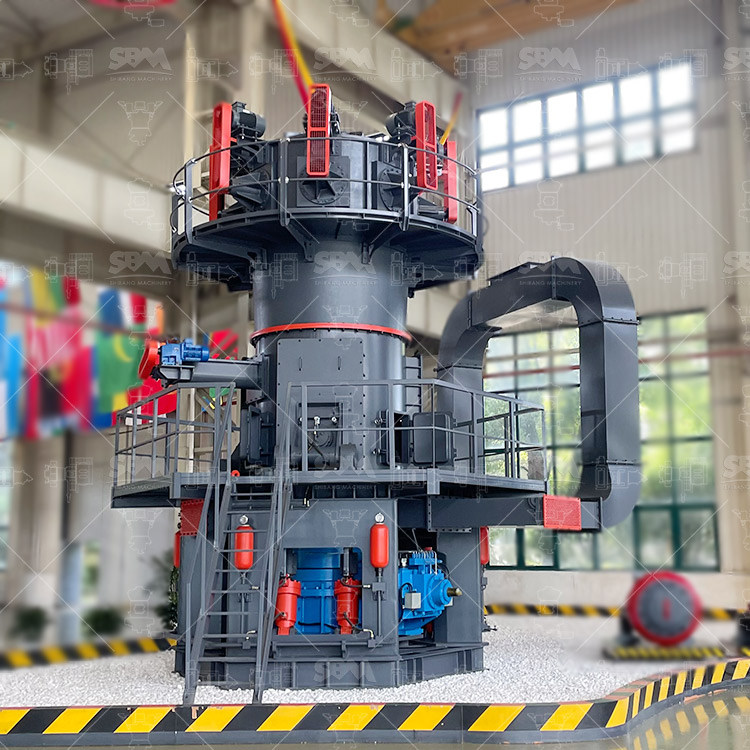
Pathway 2: Premium Production of Ultra-Fine Quartz Powder (325-2500 Mesh)
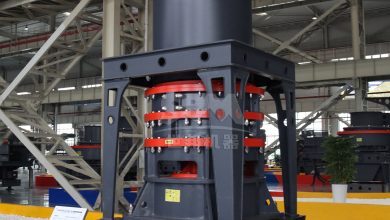
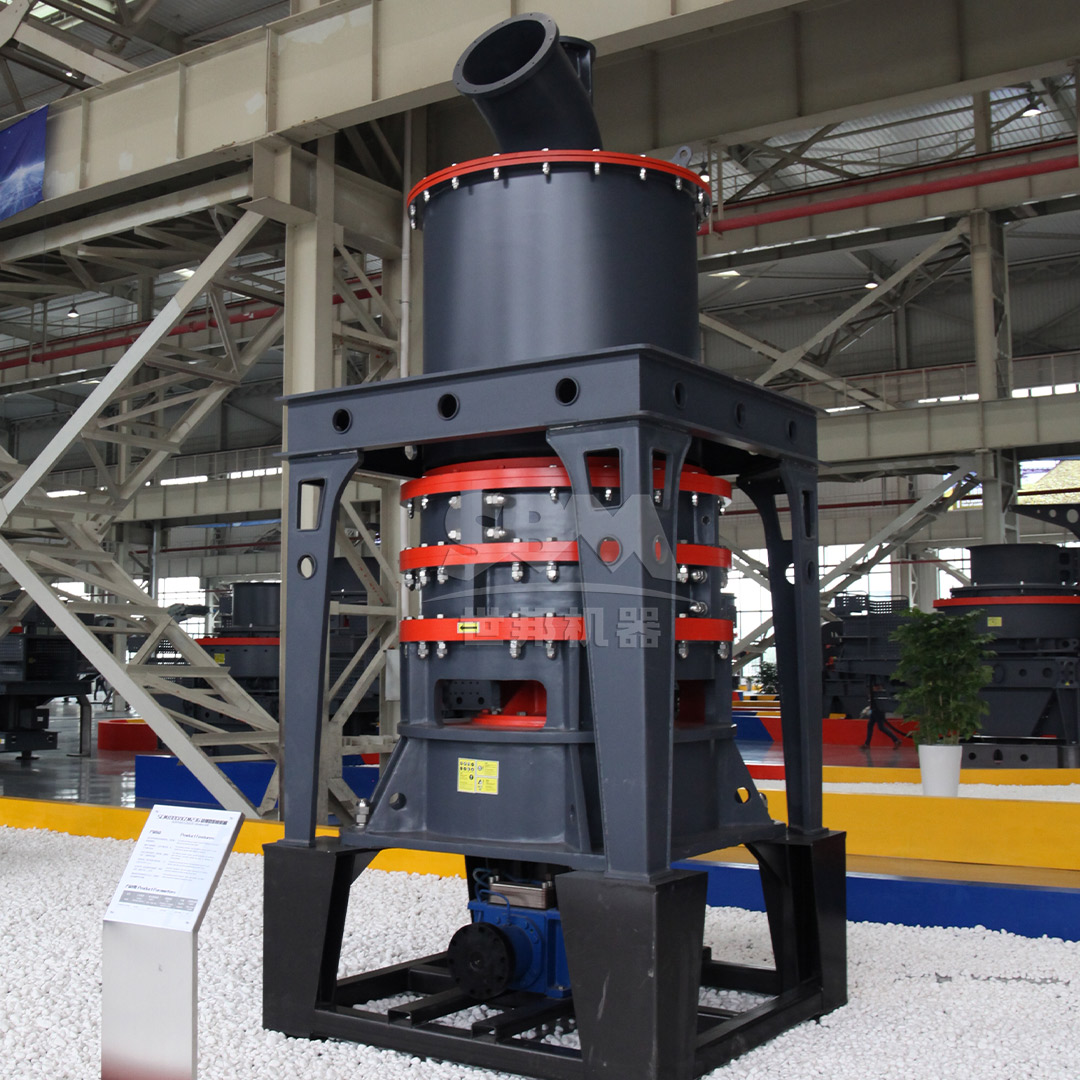
To capture the high-value markets in electronics, advanced composites, and specialty chemicals, producing ultra-fine and high-purity quartz powder is essential. This demands technology capable of fine grinding without contamination. The SCM Series Ultrafine Mill is engineered specifically for this mission-critical task:
- Unmatched Purity & Fineness: Capable of producing powder from 325 to 2500 mesh (5μm), it meets the most demanding specifications. The grinding rollers and rings can be lined with ceramic or other contamination-resistant materials, preserving the quartz’s intrinsic purity.
- Superior Energy Efficiency: Its layered grinding principle and high-precision vertical turbine classifier make it twice as efficient as traditional jet mills while consuming 30% less energy. This drastic OPEX reduction is a major contributor to ROI.
- Intelligent Operation: With automatic finished product granularity feedback, the mill maintains consistent quality with minimal operator intervention, reducing human error and ensuring every batch meets customer standards.
- Eco-Friendly Production: Its fully sealed system with pulse dust collection exceeding 99.9% efficiency ensures a clean plant environment and protects the high-value product from loss, contributing to both regulatory compliance and higher yield.
Return on Investment (ROI) Analysis Framework
A simplified ROI model must incorporate the technology choice as a central variable.
- Revenue Projections: Based on planned capacity (e.g., 10 TPH of 400-mesh powder), market price, and estimated plant uptime (e.g., 330 days/year).
- CAPEX Amortization: Total project cost divided over its expected lifespan (e.g., 10-15 years). Investing in higher-efficiency mills like the SCM or MTW series may have a higher initial cost but drastically lower the lifetime cost of ownership.
- OPEX Calculation:
- Energy Cost: (Mill Power kW * $/kWh * Operating Hours). The 30-40% savings from advanced mills translate to hundreds of thousands of dollars annually.
- Consumables & Maintenance: Durable designs with special material rollers (as in the SCM series) extend service life, reducing this cost line.
- Labor & Other Costs.
- Profit & ROI: Annual Profit = Revenue – OPEX – CAPEX Amortization. Simple ROI = (Annual Profit / Total CAPEX) * 100%.
Example Insight: A plant producing 20 TPH of 200-mesh sand might see a $50/ton energy cost with an old mill. Upgrading to an efficient MTW series mill could cut that to $35/ton. At 160,000 tons/year, this single OPEX saving of $2.4 million annually can pay back the equipment investment in a very short time, dramatically improving ROI.
Risk Mitigation and Key Success Factors
- Feedstock Consistency: Secure a reliable source of quartz ore with stable mineralogy.
- Technology Partnership: Work with an equipment supplier that offers not just machinery, but process engineering support, wear part supply, and service. The patented technologies and comprehensive model range of mills like the SCM and MTW series provide scalability and process assurance.
- Market Access: Establish off-take agreements or a strong sales channel before major investment.
- Regulatory Compliance: Factor in environmental permits and dust/noise control from the outset, where the eco-design of modern mills is a significant advantage.
Conclusion: A Calculated Venture with High Reward Potential
Investing in a quartz sand processing plant is undoubtedly a capital-intensive endeavor with technical hurdles. However, the confluence of strong market demand and advanced, efficient processing technology makes it a venture with a compelling profit potential. The critical determinant of success and ROI is no longer just access to raw materials, but the strategic selection of core processing equipment. By leveraging high-efficiency, reliable grinding solutions like the MTW Series European Trapezium Mill for high-volume fine sand production and the SCM Series Ultrafine Mill for premium ultra-fine powders, investors can simultaneously minimize their largest operational cost (energy), maximize product quality and yield, and build a processing plant that is not only profitable but also competitive and sustainable in the long term. A thorough feasibility study, centered on the capabilities of such state-of-the-art milling technology, is the essential first step towards realizing this industrial opportunity.