
Iron Ore Beneficiation with Vertical Roller Mill: Dry Grinding and Separation Process for Iron Ore
Introduction: The Shift Towards Dry Beneficiation
The global iron ore industry faces mounting pressure to reduce its environmental footprint, particularly concerning water consumption and tailings management associated with traditional wet processing. In arid regions and for low-grade ores, dry beneficiation presents a compelling alternative. At the heart of an efficient dry beneficiation circuit lies the grinding and classification system, where Vertical Roller Mills (VRMs) have emerged as a transformative technology. This article explores the application of VRMs in dry iron ore beneficiation, detailing the process flow, technical advantages, and the critical role of advanced milling equipment in achieving economic and environmental sustainability.
The Dry Beneficiation Process Flow
A typical dry iron ore beneficiation process integrates several key stages to upgrade run-of-mine (ROM) ore into a marketable concentrate.
1. Primary Crushing and Pre-Screening
ROM iron ore is first reduced to a manageable size (typically below 50mm) through primary crushers like jaw or gyratory crushers. Pre-screening removes fine material that may bypass further grinding, improving overall circuit efficiency.
2. Drying
Moisture content is a critical parameter for dry grinding and separation. A rotary dryer or flash dryer reduces moisture to optimal levels (typically below 1-2%) to prevent material agglomeration in the mill and ensure efficient downstream magnetic separation.
3. Dry Grinding with Vertical Roller Mill
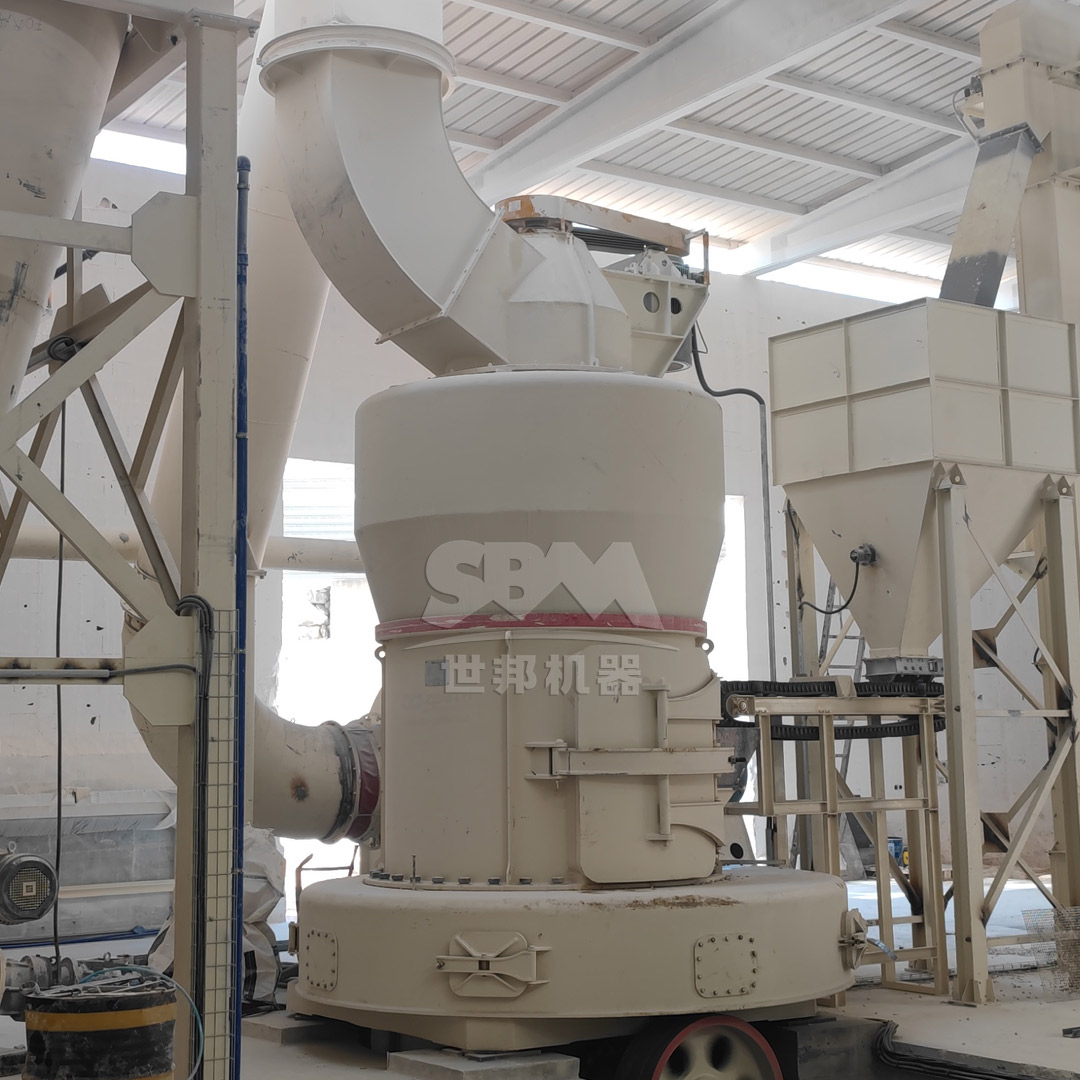
This is the core of the process. The dried, crushed ore is fed into a Vertical Roller Mill. The VRM utilizes multiple rollers that rotate against a stationary grinding table. Ore particles are crushed by compression and shear forces as they pass through the grinding zone. The unique bed-grinding mechanism of a VRM is highly efficient, minimizing over-grinding and energy consumption.
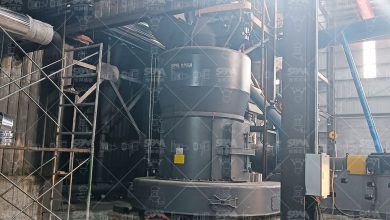
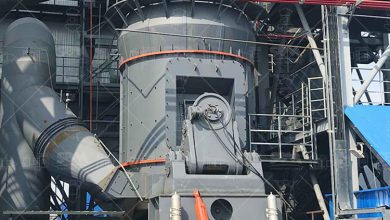
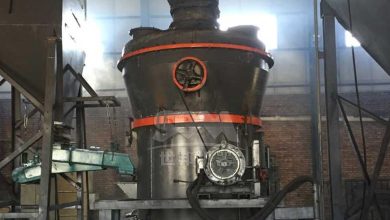
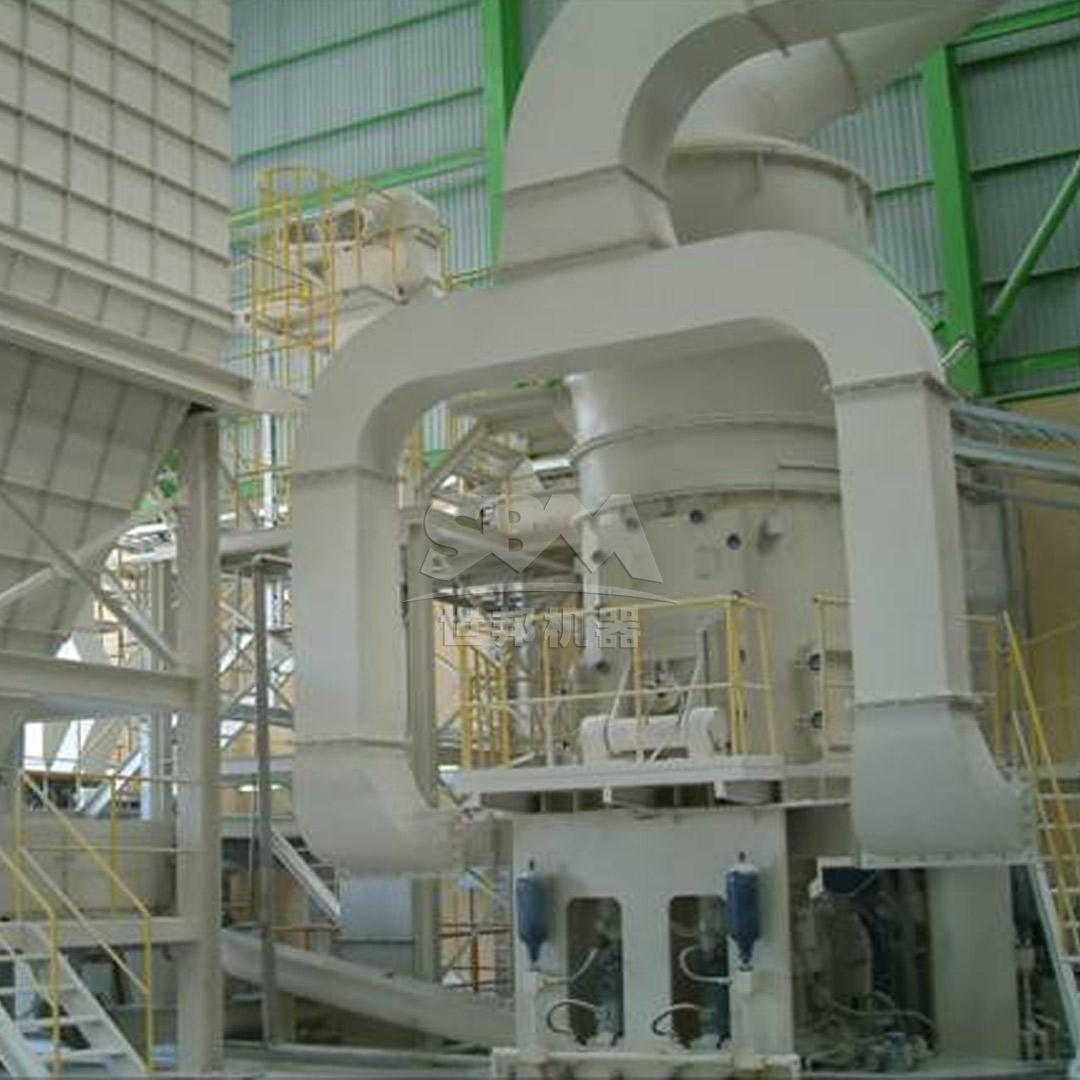
For this critical stage, selecting the right mill is paramount. Our LM Series Vertical Roller Mill is engineered specifically for the rigorous demands of mineral processing, including iron ore. Its integrated design combines crushing, grinding, drying, and classification in a single unit, reducing the plant footprint by up to 50% and infrastructure costs by 40%. More importantly, its operating cost is significantly lower than traditional ball mill systems, with energy consumption reduced by 30-40%. The non-contact design between rollers and table, coupled with wear-resistant materials, extends the life of wear parts dramatically, ensuring stable, continuous operation essential for beneficiation plants.
4. Air Classification
Integrated within or attached to the VRM is a high-efficiency dynamic classifier. Hot air or gas used for drying also transports the ground powder. The classifier precisely separates particles based on size and density. Fine, liberated iron oxide particles are carried upwards, while coarser particles, often containing more gangue or unliberated material, are rejected back to the grinding table for further size reduction. This closed-circuit grinding ensures optimal particle size distribution for the subsequent separation step.
5. Dry Magnetic Separation
The classified dry powder is then subjected to dry magnetic separation, typically using high-intensity or high-gradient roll magnetic separators. Liberated magnetite or other magnetic iron oxides are attracted to the rolls and separated from the non-magnetic gangue minerals (e.g., quartz, alumina). Multiple passes may be used to improve grade and recovery.
6. Product Handling and Dust Collection
The final iron ore concentrate and tailings are conveyed to storage silos. An advanced, fully sealed pulse-jet baghouse dust collection system is integral to the entire dry process, capturing over 99.9% of particulate matter, ensuring a clean working environment and meeting stringent emission standards.
Advantages of the VRM-Based Dry Process
- Water Conservation: Eliminates the need for process water, a decisive advantage in water-scarce areas.
- Reduced Tailings Risk: Produces dry, stackable tailings, eliminating the need for wet tailings dams and associated environmental risks.
- Lower Energy Consumption: VRMs are significantly more energy-efficient than ball mills, especially for dry grinding, leading to lower operational costs.
- Compact Plant Design: The integrated nature of VRM systems allows for a smaller plant footprint.
- Flexibility: Suitable for a wide range of iron ore types, including magnetite and some hematite ores, and can be combined with sensor-based sorting for pre-concentration.
Critical Success Factors and Equipment Selection
The success of dry beneficiation hinges on the performance and reliability of the grinding mill. Key factors include:
- Grinding Efficiency & Product Fineness: The mill must achieve adequate liberation of iron minerals at a target fineness (often between 45-150 microns) with minimal energy input.
- Wear Resistance: Iron ore is highly abrasive. Mill components like rollers and table liners must be made from special, durable materials to withstand wear and maintain stable performance over long periods.
- System Integration & Control: Intelligent control systems that automatically adjust mill parameters based on feed characteristics and product fineness are crucial for optimizing yield and quality.
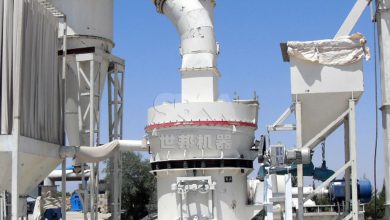
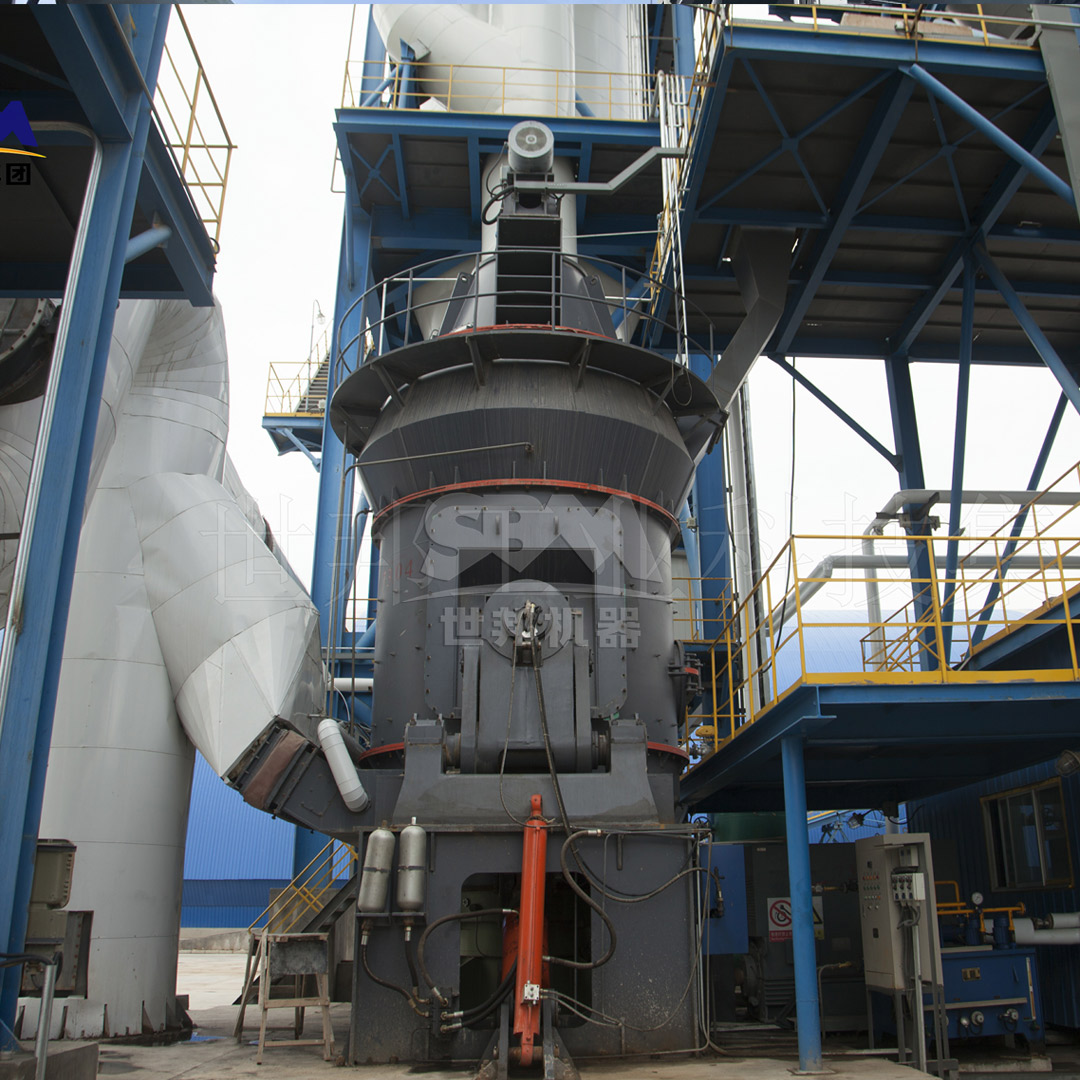
For operations requiring ultra-fine grinding to enhance liberation or to produce specialized high-surface-area products, our LUM Ultrafine Vertical Roller Mill series offers an advanced solution. Building on the robust principles of the LM series, the LUM mill incorporates unique roller and liner curves and a multi-rotor classifier to achieve precise cuts in the range of 325 to 2500 mesh (5-45μm). Its smart PLC-based control system ensures stable operation and consistent product quality, making it an excellent choice for advanced mineral processing applications where superior fineness is required.
Conclusion
The integration of advanced Vertical Roller Mill technology into dry iron ore beneficiation circuits represents a significant step forward for the mining industry. It addresses critical environmental concerns related to water use and tailings while offering compelling economic benefits through reduced energy and operating costs. The choice of mill is not merely an equipment selection but a strategic decision impacting the entire project’s viability. Our LM Series Vertical Roller Mill and LUM Ultrafine Vertical Roller Mill are designed to meet these formidable challenges, providing the reliability, efficiency, and precision needed to make dry iron ore beneficiation a successful and sustainable reality. By adopting such innovative dry grinding solutions, producers can future-proof their operations against resource scarcity and evolving environmental regulations.