Introduction to Steel Slag Comprehensive Utilization Methods and Processing Technologies
1. Introduction
Steel slag, a by-product generated during the steelmaking process, represents a significant volume of industrial solid waste globally. Traditionally viewed as a disposal challenge, modern technological advancements have transformed steel slag into a valuable secondary resource. Its comprehensive utilization not only addresses critical environmental concerns related to landfilling and leaching but also contributes to resource conservation and the development of a circular economy. This article explores the primary methods for steel slag utilization and the advanced processing technologies that enable its transformation into high-value products.
2. Chemical and Physical Properties of Steel Slag
Understanding the composition of steel slag is fundamental to its utilization. Primarily composed of calcium silicates, ferrites, and oxides of calcium, iron, silicon, magnesium, and aluminum, its exact makeup varies with the steelmaking process (e.g., Basic Oxygen Furnace – BOF, Electric Arc Furnace – EAF). Key properties include its cementitious characteristics, high hardness, and abrasive nature. The presence of free lime and magnesia can cause volumetric instability, which is a major technical hurdle that processing must address. Effective utilization hinges on modifying these properties through targeted processing to ensure performance and long-term stability in final applications.
3. Major Utilization Pathways for Steel Slag
3.1. Application in Construction and Building Materials
This is the largest and most established market for processed steel slag.
- Road Construction: Processed slag aggregates are extensively used as a substitute for natural aggregates in base courses, sub-bases, and asphalt concrete. Their excellent angularity, hardness, and binding properties with bitumen enhance road durability and skid resistance.
- Cement and Concrete Production: Granulated and finely ground steel slag can be used as a supplementary cementitious material (SCM) or as a raw meal component in cement clinker production. It contributes to strength development and can improve certain durability aspects.
- Aggregate for Concrete: Properly aged and processed slag can serve as a coarse or fine aggregate in concrete, though volume stability must be rigorously ensured.
3.2. Metallurgical Recycling
Steel slag contains recoverable metallic iron (10-15% typically). Through crushing, screening, and magnetic separation, this iron can be recovered and recycled back into the steelmaking furnace, improving overall raw material yield and reducing waste.
3.3. Agricultural Applications
Due to its content of silicon, calcium, magnesium, and other micronutrients, finely ground steel slag can be used as a soil conditioner to neutralize acidic soils and as a slow-release fertilizer, particularly in silicon-loving crops like rice.
3.4. Environmental Remediation
Steel slag’s alkaline nature and porous structure make it suitable for use in wastewater treatment to adsorb phosphates and heavy metals, and in flue gas desulfurization processes.
4. Core Processing Technologies and Equipment
The transformation of raw slag into a usable product requires a series of mechanical processing steps. The choice of technology depends on the target particle size, capacity, and final application.

4.1. Primary Crushing and Screening
Large slag lumps are first reduced in size using jaw crushers or gyratory crushers. Subsequent screening separates material into different size fractions. Magnetic separation at this stage recovers bulk metallic iron.
4.2. Stabilization (Aging)
To address volume instability, slag is often stockpiled and exposed to weather for several months. This allows free lime and magnesia to hydrate and carbonate, mitigating future expansion. Accelerated aging techniques using steam or carbon dioxide are also employed.
4.3. Fine and Ultrafine Grinding
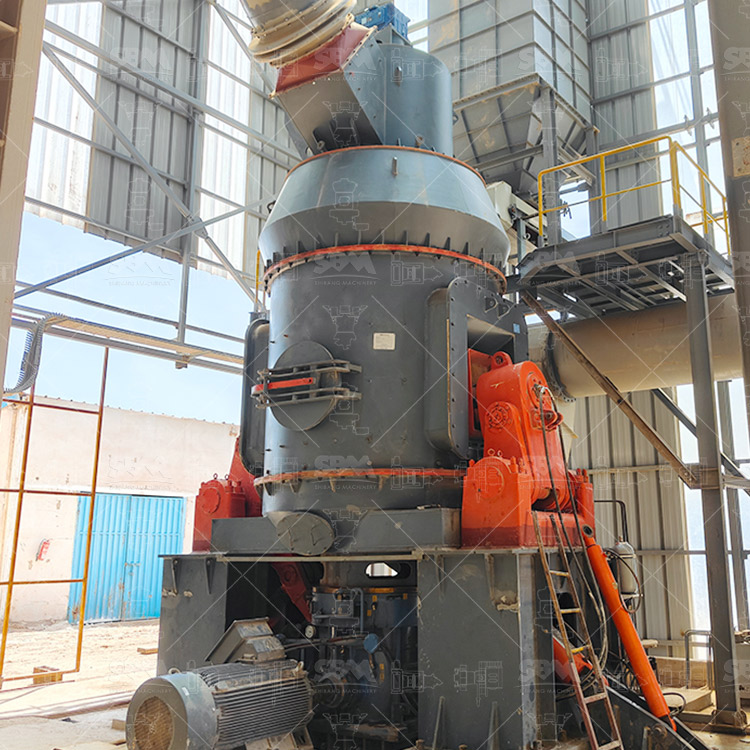
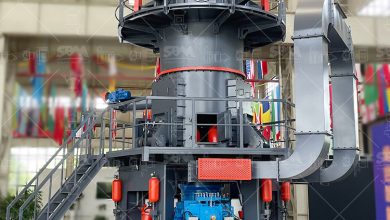
This is the most critical step for high-value applications, especially as an SCM or filler. The required fineness often reaches the level of cement (325 mesh/45μm) or even finer (over 1000 mesh). This demands highly efficient and reliable grinding equipment.
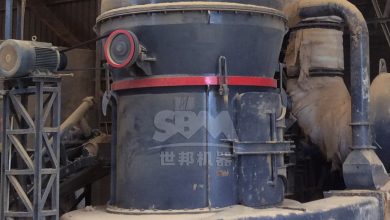
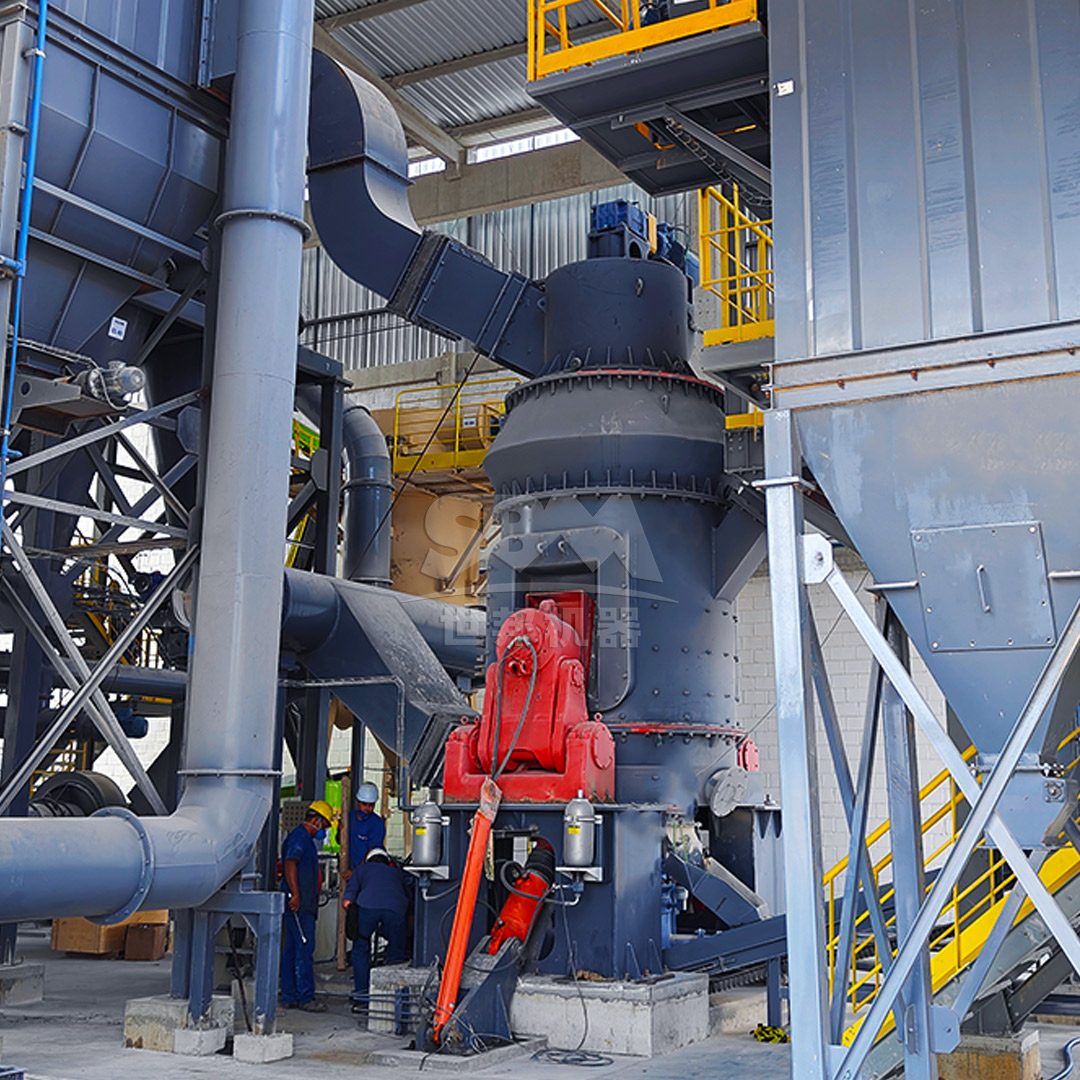
For coarse to medium-fine grinding (e.g., producing aggregates or feed material for finer mills), robust and high-capacity mills are essential. The MTW Series European Trapezium Mill is an exemplary solution in this category. Engineered for processing non-metallic minerals with feed sizes up to 50mm, it can produce powders from 30 to 325 mesh (600-45μm) at capacities ranging from 3 to 45 tons per hour. Its technical advantages are particularly suited for slag processing: the anti-wear shovel design and wear-resistant volute structure withstand the abrasive nature of slag, significantly reducing maintenance costs. The integral bevel gear drive ensures high transmission efficiency (up to 98%) and stable operation, making it an ideal workhorse for the intermediate grinding stage in a comprehensive slag processing plant.
4.4. Classification and Separation
Air classifiers are integrated with grinding mills or used standalone to precisely control the particle size distribution of the final product, ensuring it meets specific application standards.
4.5. Drying
If the slag has high moisture content from aging or other processes, rotary dryers or vertical roller mills with integrated drying capabilities are used.
5. The Pivotal Role of Ultrafine Grinding for High-Value Applications
To unlock the highest value from steel slag, particularly its latent hydraulic activity for use as a premium SCM, ultrafine grinding (<45μm, often down to 5-10μm) is necessary. This increases the specific surface area dramatically, enhancing reactivity and performance in cementitious systems.
This is where advanced ultrafine grinding technology becomes indispensable. The SCM Series Ultrafine Mill is specifically designed for this demanding task. Capable of processing slag with an input size of ≤20mm and producing powder with a fineness range of 325 to 2500 mesh (45-5μm), it is a cornerstone technology for high-end slag valorization. Its advantages are transformative: it offers capacity twice that of traditional jet mills while consuming 30% less energy, thanks to its efficient grinding principle and intelligent control system. The high-precision vertical turbine classifier guarantees a sharp particle size cut with no coarse powder mixing, resulting in a uniform and highly reactive product. Furthermore, its durable design, featuring special material rollers and rings, and its eco-friendly operation with pulse dust collection efficiency exceeding international standards, make it a sustainable and cost-effective choice for producing ultrafine steel slag powder.
6. Conclusion and Future Outlook
The comprehensive utilization of steel slag is no longer an option but a necessity for sustainable industrial development. By leveraging a combination of stabilization techniques and advanced processing technologies—from robust trapezium mills for intermediate grinding to state-of-the-art ultrafine mills for premium product creation—the full potential of this abundant resource can be realized. The future lies in integrated processing plants that combine these technologies to produce a range of slag-based products for construction, agriculture, and environmental applications, turning a waste liability into a profitable, green asset and contributing significantly to a zero-waste circular economy.