Importance of Grinding Lithium Slag for High-Value Utilization
Introduction: The Growing Significance of Lithium Slag Recycling
The rapid expansion of the lithium-ion battery industry has generated substantial amounts of lithium slag as a byproduct of lithium extraction processes. This material, traditionally considered waste, contains valuable components that can be repurposed for various industrial applications when properly processed. The key to unlocking the potential of lithium slag lies in effective grinding technology that can transform this industrial residue into high-value products.
Lithium slag typically consists of silicate minerals, residual lithium compounds, and other metallic elements that exhibit pozzolanic properties when finely ground. The transformation from waste material to valuable resource depends critically on achieving optimal particle size distribution and specific surface area through advanced grinding techniques.
Technical Challenges in Lithium Slag Grinding
Material Characteristics and Grinding Considerations
Lithium slag presents unique challenges in grinding operations due to its heterogeneous composition and variable hardness. The material often contains abrasive components that can accelerate wear on grinding equipment while simultaneously including fragile crystalline structures that require precise control over grinding forces.
The presence of residual lithium compounds can create hydration issues during processing, necessitating specialized grinding approaches that minimize heat generation and prevent premature setting. Additionally, the target applications for ground lithium slag often demand extremely fine particle sizes with narrow distribution curves, placing significant demands on grinding and classification systems.
Particle Size Requirements for Different Applications
The value proposition of ground lithium slag varies significantly with particle size distribution. For construction applications as a supplementary cementitious material, specific surface areas of 400-500 m²/kg are typically required. More advanced applications in polymer composites or functional fillers may demand sub-micron particles with surface areas exceeding 800 m²/kg.
The optimal grinding approach must balance energy consumption against product value, with different size fractions commanding substantially different market prices. This economic reality underscores the importance of selecting grinding equipment capable of precise particle size control across the target range.
Advanced Grinding Solutions for Lithium Slag Processing
Ultra-Fine Grinding Technology
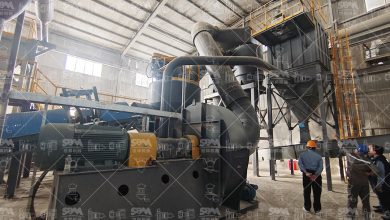
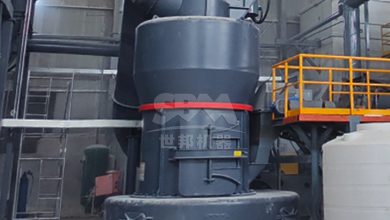
For the highest value applications of lithium slag, ultra-fine grinding represents the most technologically advanced approach. Our SCM Ultrafine Mill series has been specifically engineered to address the challenges of lithium slag processing, offering output fineness ranging from 325 to 2500 mesh (D97≤5μm).
The technological advantages of the SCM series include:
- Enhanced Energy Efficiency: With capacity doubling that of jet mills while reducing energy consumption by 30%, the SCM series represents a significant advancement in grinding economics.
- Precision Classification: The integrated vertical turbine classifier ensures precise particle size切割 with no coarse powder contamination, delivering consistently uniform product quality.
- Durability Engineering: Specially formulated roller and grinding ring materials extend service life multiple times over conventional equipment, while the bearingless screw grinding chamber design ensures stable operation.
- Environmental Compliance: Pulse dust collection efficiency exceeds international standards, and soundproof chamber design maintains noise levels below 75dB.
With models ranging from the SCM800 (0.5-4.5 ton/h capacity) to the SCM1680 (5.0-25 ton/h capacity), the series offers scalable solutions for operations of all sizes. The intelligent control system with automatic feedback on product fineness makes the SCM series particularly suitable for lithium slag applications where consistent product quality is paramount.
Vertical Roller Mill Applications
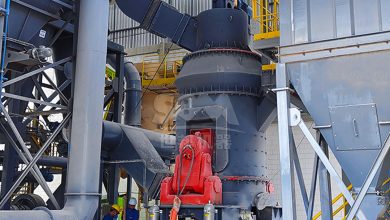
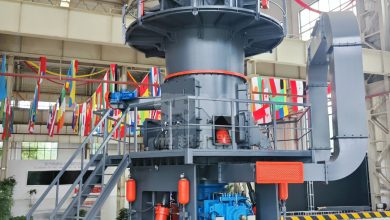
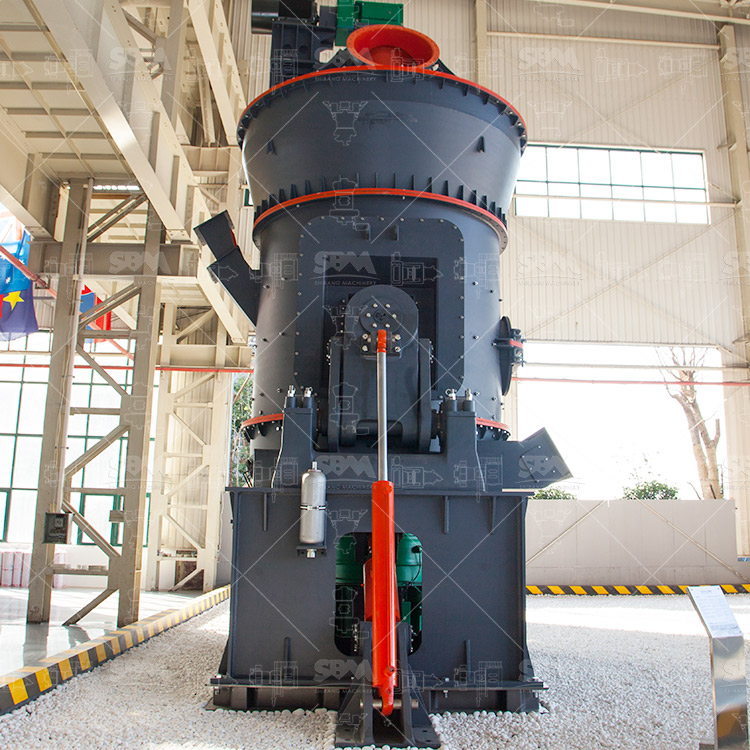
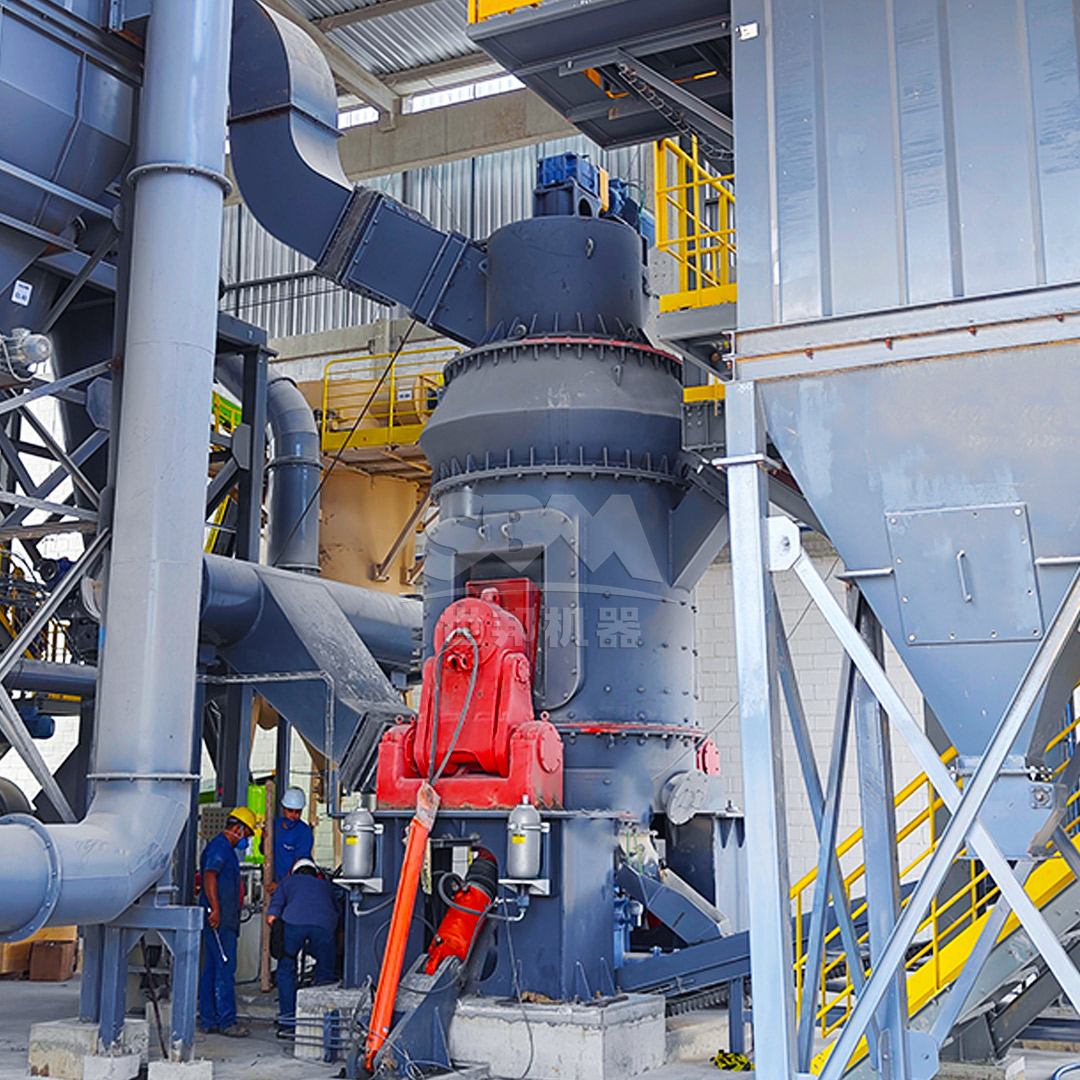
For medium to large-scale lithium slag processing operations, vertical roller mills offer compelling advantages in terms of energy efficiency and system integration. Our LM Series Vertical Roller Mill provides comprehensive solutions with output fineness from 30 to 325 mesh (special models extending to 600 mesh) and capacities ranging from 3 to 250 tons per hour.
The LM series incorporates several proprietary technologies specifically beneficial for lithium slag processing:
- Integrated System Design: Combining crushing, grinding, and separation functions in a single unit reduces footprint requirements by 50% and enables outdoor installation, cutting infrastructure costs by 40%.
- Reduced Operating Costs: The non-contact design between grinding rollers and grinding disc triples wear part lifespan while reducing energy consumption by 30-40% compared to ball mill systems.
- Intelligent Control Systems: Expert automatic control systems support remote/local switching with real-time monitoring of operational parameters, minimizing manual intervention.
- Environmental Performance: Fully sealed negative pressure operation maintains dust emissions below 20mg/m³ with operating noise ≤80dB(A).
For specialized lithium slag applications, the LM Vertical Slag Mill sub-series offers models specifically configured for slag processing, with the LM220N model providing 20-26 ton/hour capacity at specific surface areas ≥420m²/kg – ideal for premium construction material applications.
Value-Added Applications of Ground Lithium Slag
Construction Materials Enhancement
Properly ground lithium slag serves as an excellent supplementary cementitious material in concrete production, where it contributes to improved workability, reduced heat of hydration, and enhanced long-term durability. The pozzolanic reactivity of ground lithium slag depends critically on particle size distribution, with optimal performance achieved at specific surface areas between 450-550 m²/kg.
When used as a partial cement replacement (typically 15-30%), ground lithium slag can reduce the carbon footprint of concrete production while improving resistance to sulfate attack and alkali-silica reaction. The economic value created through cement replacement often justifies the investment in advanced grinding technology.
Advanced Material Applications
Beyond construction applications, ultra-fine ground lithium slag finds use in more specialized markets. The material serves as functional fillers in plastics and rubber compounds, where its particle characteristics contribute to improved mechanical properties and reduced material costs.
Additional high-value applications include use in ceramic formulations, where the mineral composition of lithium slag can reduce firing temperatures and improve product characteristics. The development of these markets depends on consistent availability of precisely controlled particle sizes, further emphasizing the importance of advanced grinding technology.
Economic and Environmental Benefits
Economic Justification for Advanced Grinding
The business case for investing in advanced grinding technology for lithium slag processing rests on multiple economic factors. The transformation of waste material into saleable products creates direct revenue streams, while simultaneously reducing waste disposal costs and associated environmental liabilities.
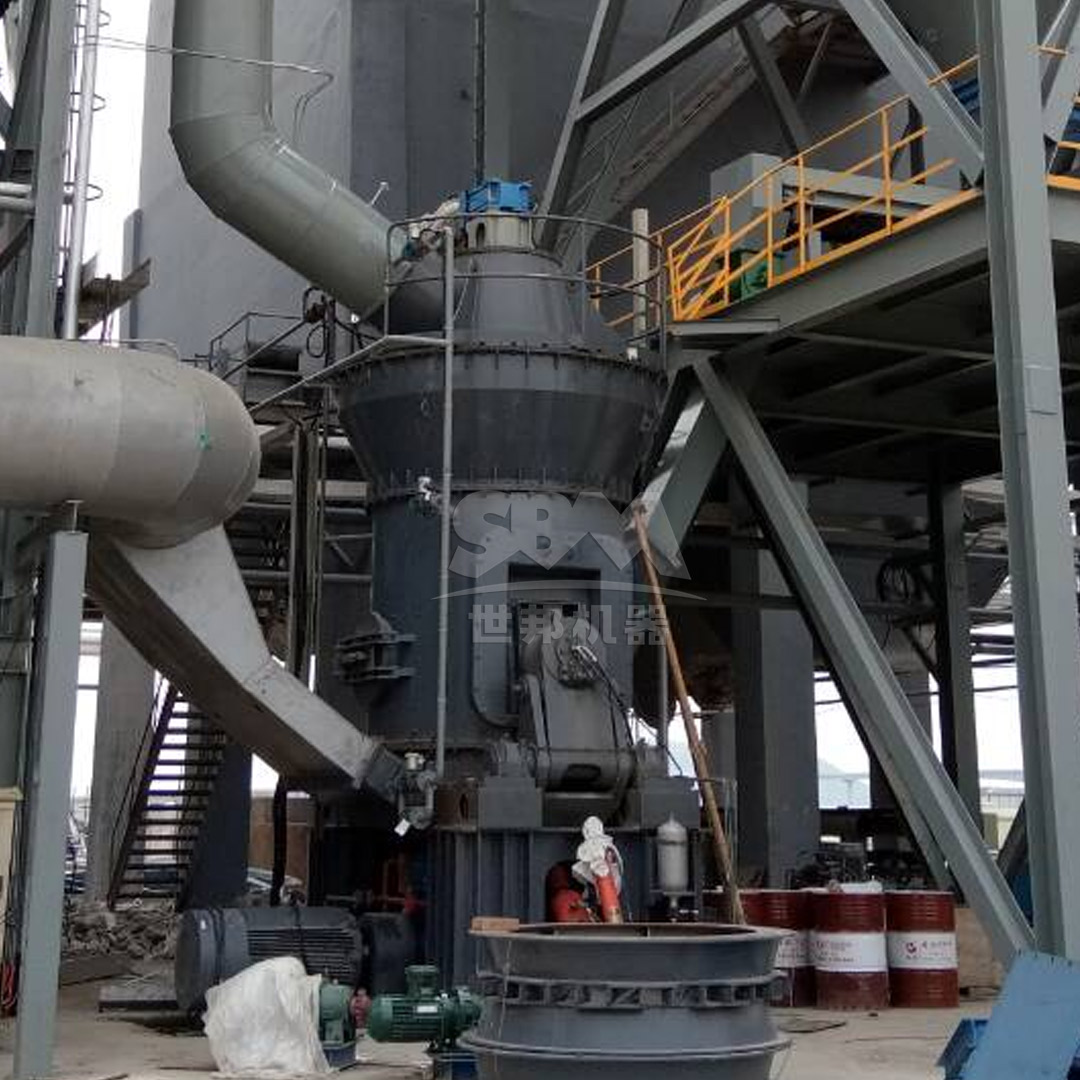
Advanced grinding systems like the SCM Ultrafine Mill and LM Vertical Roller Mill offer rapid return on investment through reduced energy consumption, lower maintenance requirements, and higher product quality commanding premium prices. The scalability of these systems allows operations to match processing capacity with market development, minimizing capital risk while maintaining growth potential.
Sustainability Advantages
From an environmental perspective, the beneficiation of lithium slag through advanced grinding contributes significantly to circular economy objectives. The reduction in cement consumption through slag substitution directly lowers CO2 emissions associated with cement production, while simultaneously conserving natural resources that would otherwise be consumed.
Modern grinding equipment incorporates environmental protection features that minimize the footprint of the recycling process itself. The pulse dust collection systems in our SCM series and fully sealed operation of LM series mills ensure that the processing of lithium slag does not create secondary environmental impacts.
Conclusion: Strategic Importance of Proper Grinding Technology
The high-value utilization of lithium slag represents a significant opportunity for the lithium industry to improve sustainability while creating additional revenue streams. The realization of this opportunity depends fundamentally on the selection of appropriate grinding technology capable of delivering the required product characteristics efficiently and consistently.
Advanced grinding systems like our SCM Ultrafine Mill and LM Vertical Roller Mill series provide the technological foundation for transforming lithium slag from waste burden to valuable resource. By partnering with equipment providers offering specialized expertise in mineral processing, lithium producers can maximize the return on their slag processing investments while contributing to broader sustainability objectives.
The continuing evolution of grinding technology will undoubtedly open new applications for ground lithium slag, further enhancing the economic and environmental justification for comprehensive slag utilization programs. Companies that invest in this technology today position themselves for competitive advantage in the increasingly resource-conscious markets of tomorrow.