How Vertical Roller Mills Enhance the Recycling Value of Glass Cullet
Introduction: The Growing Importance of Glass Recycling
The global push for sustainable manufacturing practices has placed glass recycling at the forefront of environmental initiatives. Glass cullet, or crushed recycled glass, represents a valuable resource that can significantly reduce energy consumption and raw material extraction when properly processed. However, the true economic and environmental value of glass cullet depends heavily on the efficiency and precision of the grinding technology used to process it. Vertical roller mills have emerged as the superior solution for transforming ordinary glass cullet into high-value industrial materials.
The Technical Challenges in Glass Cullet Processing
Processing glass cullet presents unique challenges that conventional grinding equipment often struggles to address. The abrasive nature of glass particles causes rapid wear on grinding components, leading to increased maintenance costs and production downtime. Additionally, achieving consistent particle size distribution is critical for glass cullet applications in construction, filtration, and manufacturing. Traditional ball mills and hammer mills frequently produce irregular particle shapes and wide size distributions that limit the material’s market value and application potential.
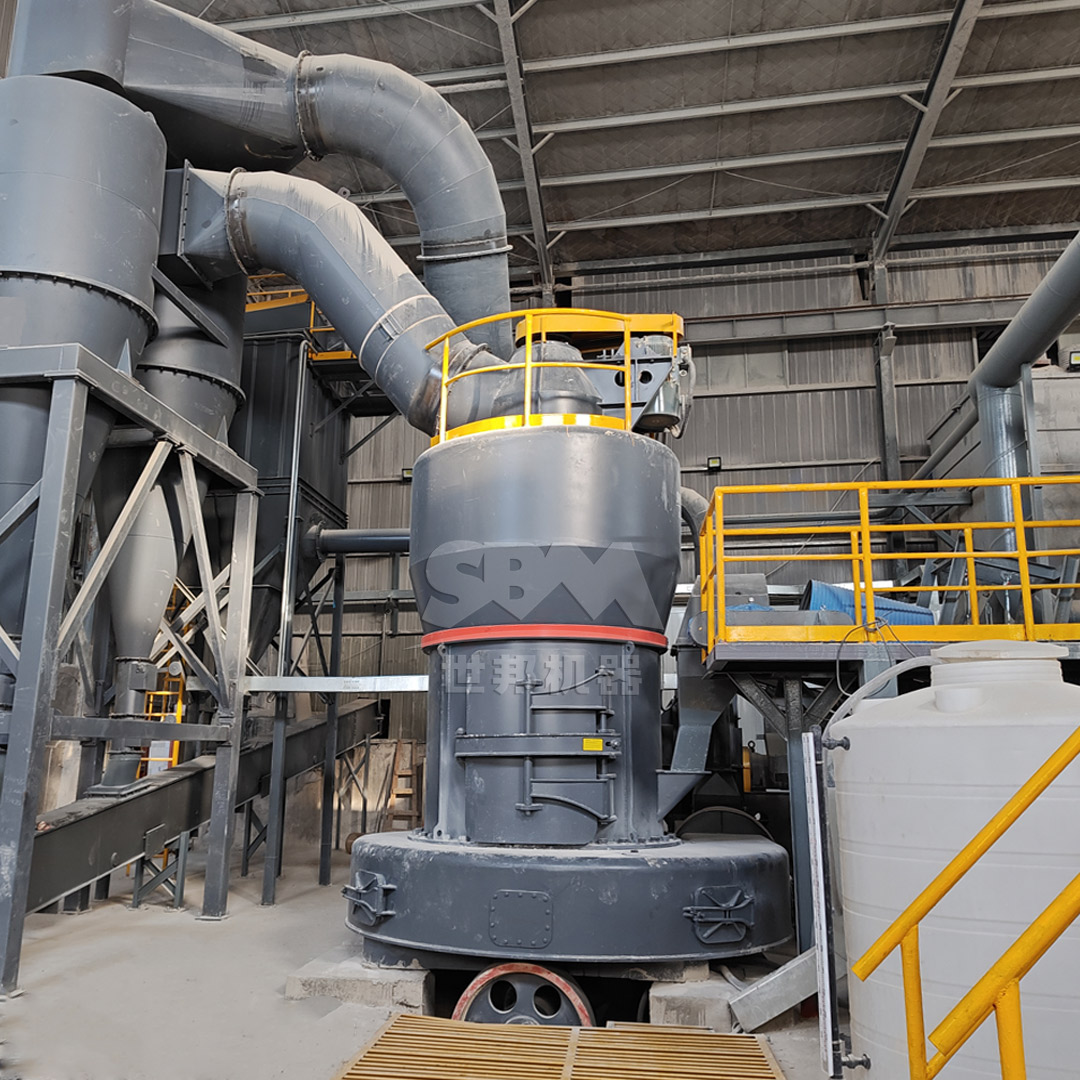
Another significant challenge lies in energy consumption. Glass grinding is inherently energy-intensive, and inefficient systems can negate the environmental benefits of recycling through excessive power usage. Dust control represents a further complication, as fine glass particles pose health risks and can contaminate working environments without proper containment systems.
Vertical Roller Mill Technology: A Revolutionary Approach
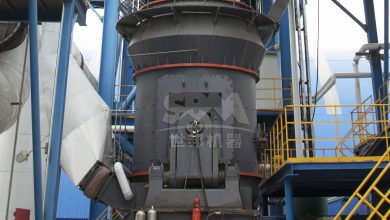
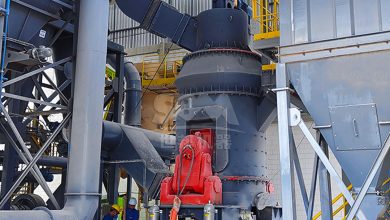
Vertical roller mills (VRMs) represent a fundamental advancement in comminution technology that specifically addresses the limitations of traditional grinding systems. Unlike conventional mills that rely primarily on impact or attrition, VRMs utilize a combination of compression and shear forces applied through rotating rollers against a stationary grinding table. This mechanism proves particularly effective for brittle materials like glass, where controlled fracture produces more uniform particle geometry with less energy input.
The modular design of modern VRMs allows for precise control over the grinding process, with independent adjustment of grinding pressure, table speed, and airflow. This level of control enables operators to fine-tune the system for specific glass types and target particle distributions. Furthermore, the vertical orientation naturally facilitates material transport, reducing the auxiliary power requirements associated with material handling.
Key Advantages of Vertical Roller Mills for Glass Cullet
Superior Particle Size Control
The integrated classification systems in vertical roller mills provide unparalleled control over final product fineness. Unlike separate grinding and classification processes that can lead to inconsistent results, VRMs incorporate dynamic classifiers that immediately separate particles as they leave the grinding zone. This closed-circuit operation ensures that only properly sized material proceeds to collection, while oversize particles are continuously returned for further reduction.
For glass cullet applications, this precision translates to products with tight particle size distributions that command premium prices in specialty markets. The ability to consistently produce specific micron ranges makes VRM-processed glass cullet suitable for high-value applications such as filter media, reflective pavement markings, and polymer composites where particle geometry directly influences performance.
Enhanced Energy Efficiency
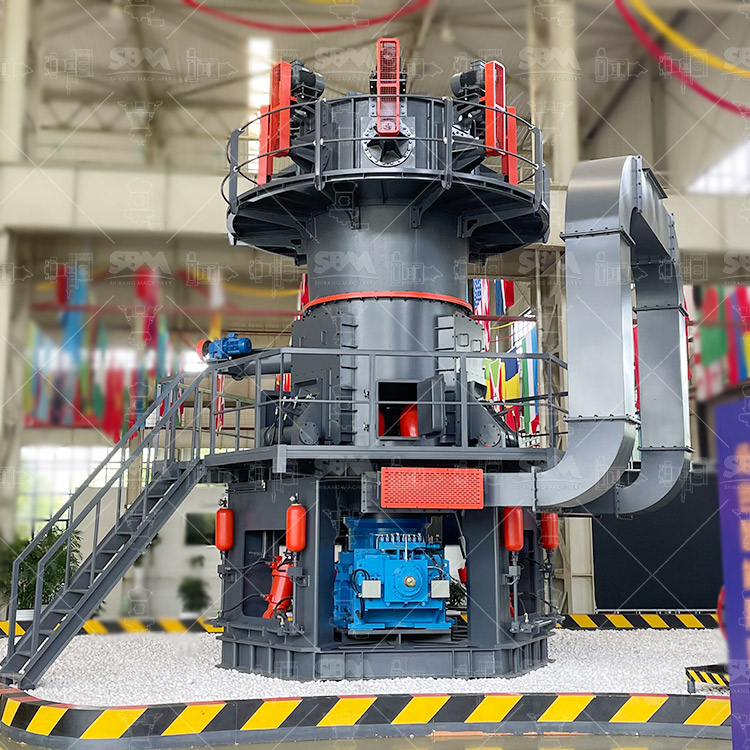
Vertical roller mills typically demonstrate 30-50% lower energy consumption compared to traditional ball mills for equivalent grinding tasks. This efficiency stems from several design advantages: the direct application of grinding force to the material bed minimizes energy losses; the integrated classification system reduces recirculation of fine particles that would otherwise absorb energy without further size reduction; and the vertical configuration minimizes the power required for material transport.
For glass recycling operations, this energy efficiency directly translates to lower operating costs and improved environmental metrics. When processing post-consumer glass, the combined energy savings from recycling and efficient grinding can reduce the carbon footprint of glass products by up to 40% compared to virgin material production.
Reduced Wear and Maintenance
The grinding mechanism in vertical roller mills creates a material bed through which forces are transmitted, rather than direct metal-to-metal contact. This principle significantly reduces wear rates on grinding components, which is particularly advantageous when processing abrasive materials like glass. Modern VRMs further address wear concerns through advanced material selection, with grinding elements manufactured from high-chromium alloys or ceramic composites that offer exceptional resistance to abrasive wear.
Maintenance requirements are further reduced through innovative design features such as modular roller assemblies that can be replaced without dismantling the entire mill, and hydraulic systems that allow for quick adjustment of grinding pressure to compensate for normal wear over time.
Recommended Solution: SCM Ultrafine Mill for High-Value Glass Powder
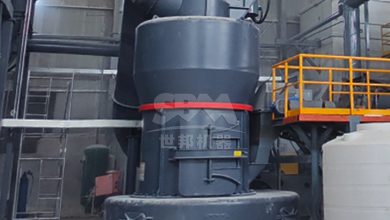
For operations targeting the premium glass powder market, our SCM Ultrafine Mill represents the optimal solution for transforming glass cullet into high-value products. With the capability to produce powders ranging from 325 to 2500 mesh (D97≤5μm), this system unlocks applications in specialty chemicals, advanced composites, and high-performance coatings that command significant price premiums over standard glass fillers.
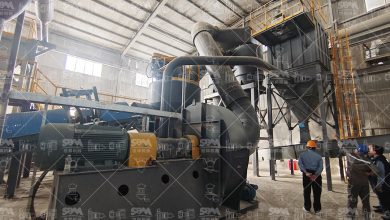
The SCM series incorporates several technological advancements specifically beneficial for glass processing. The vertical turbine classifier provides precise particle size cuts without coarse powder contamination, ensuring consistent product quality. Special material compositions in the roller and grinding ring extend service life by several multiples compared to conventional materials—a critical advantage when processing abrasive glass compositions.
With models ranging from the SCM800 (0.5-4.5 ton/h capacity) to the SCM1680 (5.0-25 ton/h capacity), the series offers scalability to match production requirements from pilot plants to industrial-scale operations. The intelligent control system with automatic feedback on product fineness ensures consistent quality with minimal operator intervention, while the comprehensive pulse dust collection system maintains workplace safety and environmental compliance.
Complementary Solution: MTW Series Trapezium Mill for General Applications
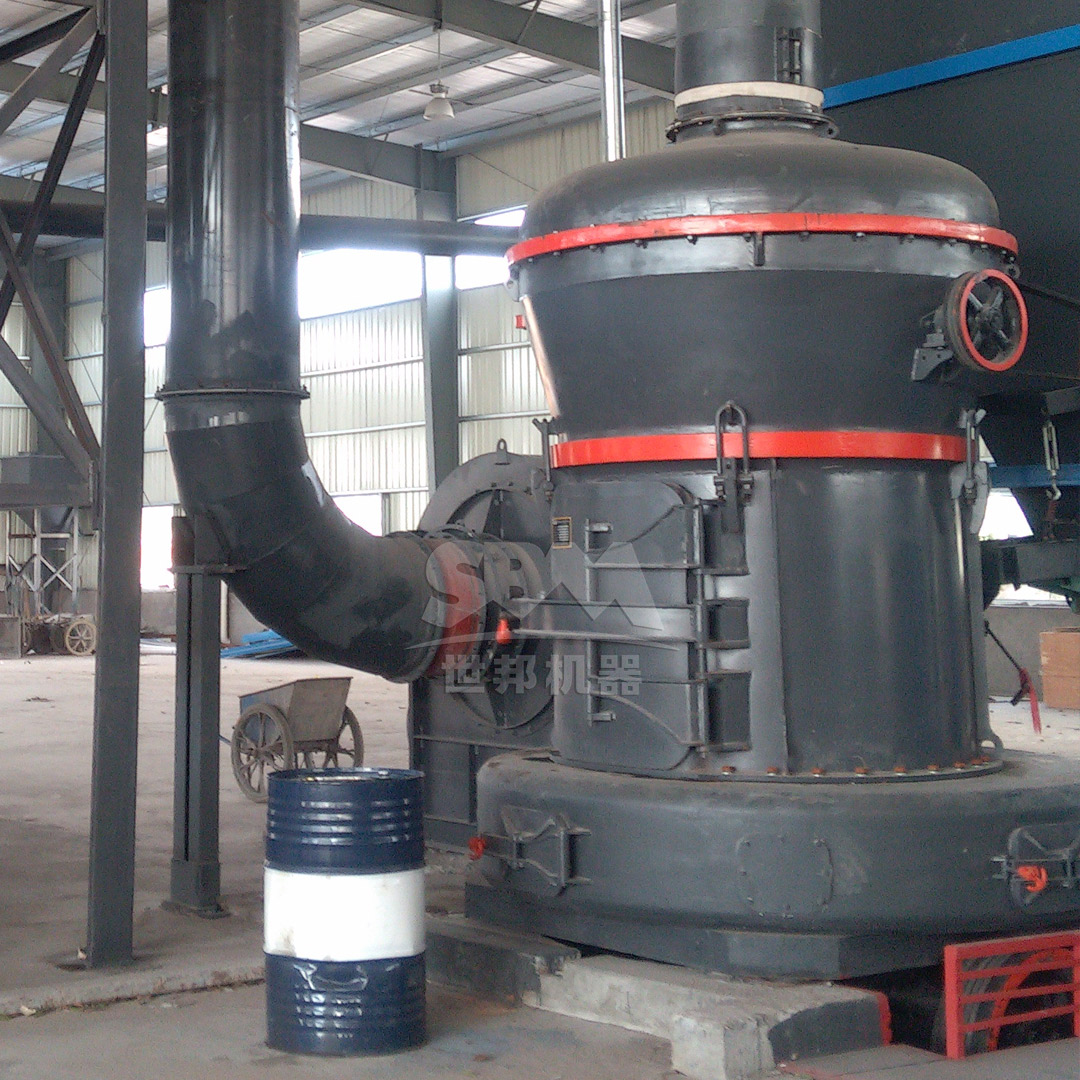
For operations requiring high-volume processing of glass cullet for construction and industrial applications, our MTW Series Trapezium Mill delivers outstanding performance and reliability. With output fineness ranging from 30-325 mesh and capacities from 3-45 tons per hour depending on model selection, this system efficiently processes glass cullet into the size ranges most commonly used in construction materials, abrasives, and filtration media.
The MTW series incorporates several design innovations that enhance its suitability for glass recycling operations. The wear-resistant shovel blade design significantly reduces maintenance costs, while the curved air channel optimization minimizes energy losses and improves transmission efficiency. The integrated cone gear drive achieves remarkable 98% transmission efficiency, contributing to the system’s overall energy advantage.
Particularly noteworthy for glass processing is the mill’s segmented wear protection approach, which allows replacement of individual high-wear components without the need for complete system overhaul. This targeted maintenance strategy dramatically reduces operating costs and maximizes production uptime—critical factors in the competitive recycling industry.
Applications of VRM-Processed Glass Cullet
The precise particle control achievable with vertical roller mills opens diverse market opportunities for recycled glass. In construction, uniformly graded glass powder serves as a high-performance pozzolan in concrete, reacting with cement hydration products to enhance strength and durability while reducing the carbon footprint of the final product. The packaging industry utilizes fine glass powders as fillers and extenders in plastics and composites, improving dimensional stability and surface finish.
Specialty applications include the use of ultra-fine glass powders in reflective safety products, where controlled particle geometry ensures optimal light reflection. The filtration industry values consistently sized glass particles for use as filter media in water treatment and industrial processes. Even the arts and crafts market benefits from availability of precisely graded glass powders for use in frit, enameling, and specialized coatings.
Economic and Environmental Benefits
The adoption of vertical roller mill technology for glass cullet processing generates substantial economic advantages. The combination of reduced energy consumption, lower maintenance requirements, and decreased downtime translates to significantly lower operating costs per ton of processed material. Additionally, the ability to produce higher-value products with tight specifications commands premium pricing in the marketplace, improving profit margins for recycling operations.
From an environmental perspective, VRM processing enhances the sustainability profile of glass recycling through multiple mechanisms. The dramatic reduction in energy consumption directly decreases the carbon footprint of recycled glass products. The efficient dust collection systems prevent particulate emissions, protecting both worker health and the surrounding environment. Perhaps most significantly, by improving the quality and consistency of recycled glass products, VRM technology helps create stronger markets for recycled materials, completing the circular economy loop and reducing reliance on virgin raw materials.
Conclusion: The Future of Glass Recycling Lies in Advanced Grinding Technology
As global emphasis on circular economy principles intensifies, the ability to efficiently transform waste glass into high-value materials becomes increasingly important. Vertical roller mill technology represents a paradigm shift in glass cullet processing, offering unprecedented control over product quality while simultaneously reducing operating costs and environmental impact. The precision, efficiency, and reliability of modern VRMs make them indispensable tools for recyclers seeking to maximize both the economic and environmental returns from glass recycling operations.
With continuous advancements in wear materials, classification technology, and process control systems, vertical roller mills will continue to expand the possibilities for recycled glass applications. Forward-thinking recycling operations that invest in this technology position themselves to capitalize on growing market demand for sustainable, high-performance materials derived from post-consumer glass.