How to Utilize Sulfuric Acid Slag: Main Applications and Grinding Equipment Introduction
Introduction
Sulfuric acid slag, a by-product generated during the production of sulfuric acid, primarily consists of iron oxides, silicates, and various minor elements. Historically considered an industrial waste, it poses significant disposal challenges and environmental risks. However, with advancements in processing technology and a growing emphasis on circular economy principles, sulfuric acid slag has been transformed into a valuable secondary resource. Its effective utilization hinges on proper grinding and classification to achieve the required fineness for diverse applications. This article explores the main applications of sulfuric acid slag and introduces key grinding equipment, with a focus on selecting the right machinery for optimal processing efficiency and product quality.
Chemical and Physical Properties of Sulfuric Acid Slag
The composition of sulfuric acid slag varies depending on the source pyrite or sulfur ore and the production process. Typically, it contains 40-60% iron (mainly as Fe₂O₃), 20-35% SiO₂, along with alumina, calcium oxide, and trace amounts of heavy metals. Its physical state is often granular or lumpy with high hardness and abrasiveness. These characteristics dictate that specialized grinding equipment with high wear resistance is essential for processing. The primary goal of grinding is to liberate the iron-rich phases from the silicate matrix and to produce a powder with a consistent particle size distribution suitable for downstream applications.
Main Applications of Processed Sulfuric Acid Slag
1. Cement and Concrete Production
Finely ground sulfuric acid slag can be used as a supplementary cementitious material (SCM) or as a raw meal component in cement clinker production. Its iron and silicate content can act as a corrective agent and a mineralizer, respectively. When ground to a high fineness (e.g., over 400 m²/kg Blaine), it exhibits pozzolanic or latent hydraulic properties, contributing to the strength and durability of concrete while reducing the clinker factor and associated CO₂ emissions.
2. Iron and Steel Making
As a significant source of iron, processed slag can be pelletized or sintered and used as a feed material in blast furnaces or direct reduction processes. Effective grinding is crucial to increase the surface area for subsequent beneficiation processes like magnetic separation, which recovers the iron oxides. The fine, concentrated iron product can then be agglomerated for metallurgical use.
3. Construction Materials
Ground slag finds use in producing bricks, tiles, road base materials, and as a filler in asphalt. Its properties can improve the mechanical strength and wear resistance of these materials. For such applications, a coarser grind (often between 30-200 mesh) may be sufficient, depending on the product specification.
4. Soil Amendment and Environmental Remediation
Due to its mineral content, processed slag can be used to adjust soil pH and provide micronutrients. Furthermore, its porous structure, when processed appropriately, can make it suitable for use in wastewater filtration or as a sorbent for certain contaminants.
Key Considerations for Grinding Sulfuric Acid Slag
Selecting the appropriate grinding system is paramount. Key factors include:
- Feed Size: Often requires primary crushing from large lumps.
- Target Fineness: Ranges from coarse (for construction aggregates) to superfine (for SCMs).
- Abrasiveness: Equipment must feature ultra-wear-resistant components.
- Moisture Content: May require drying prior to or during grinding.
- System Efficiency: Energy consumption, throughput, and maintenance costs are critical economic factors.
Introduction to Suitable Grinding Equipment
Based on the target fineness and capacity requirements for sulfuric acid slag valorization, two primary types of grinding mills are highly recommended: Vertical Roller Mills for high-capacity, broad-fineness processing, and Ultrafine Mills for producing high-value, superfine powders.
1. Vertical Roller Mills (VRM): The High-Capacity Solution
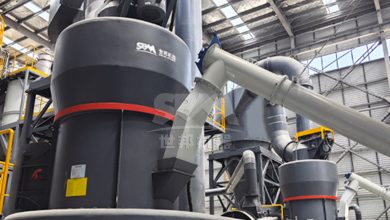
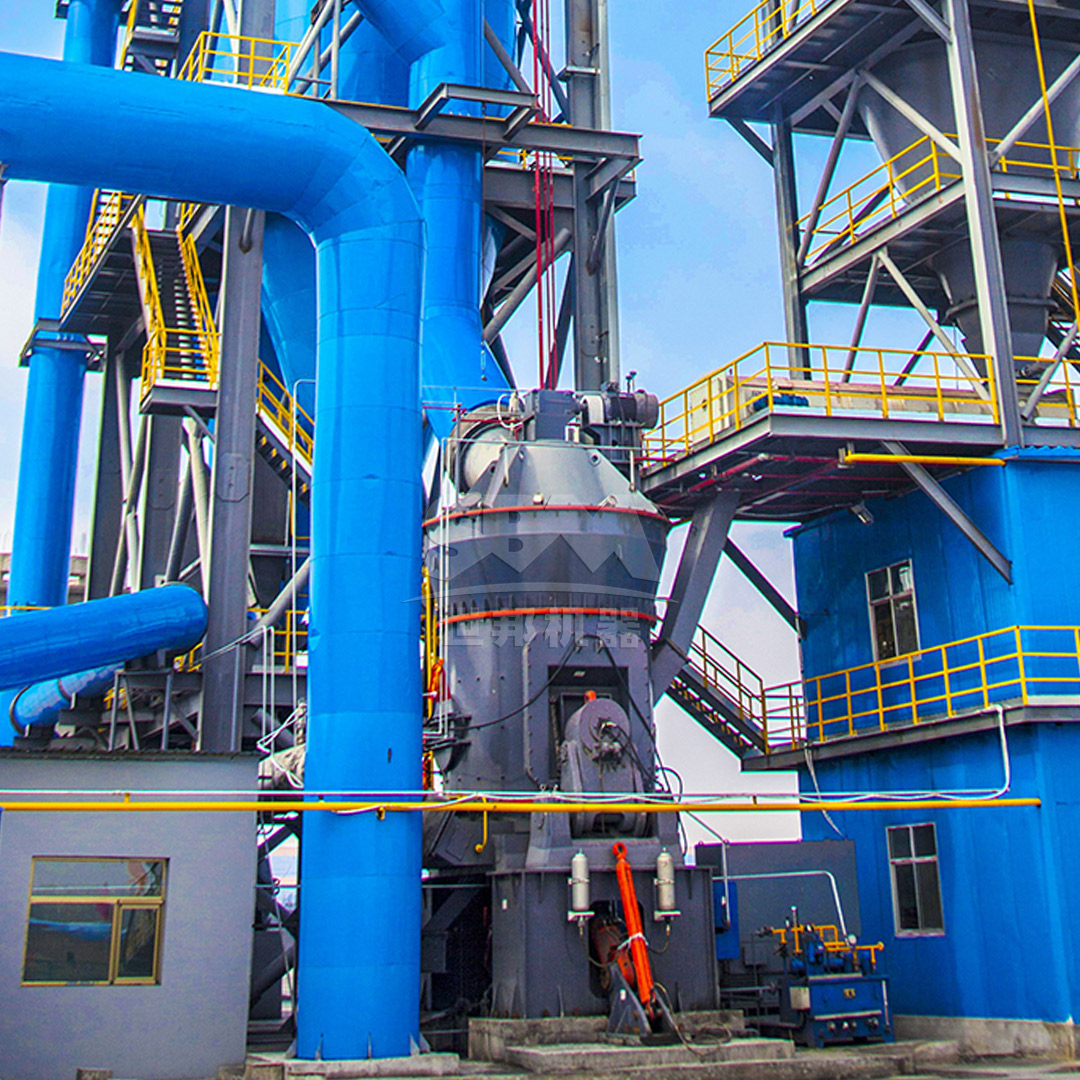
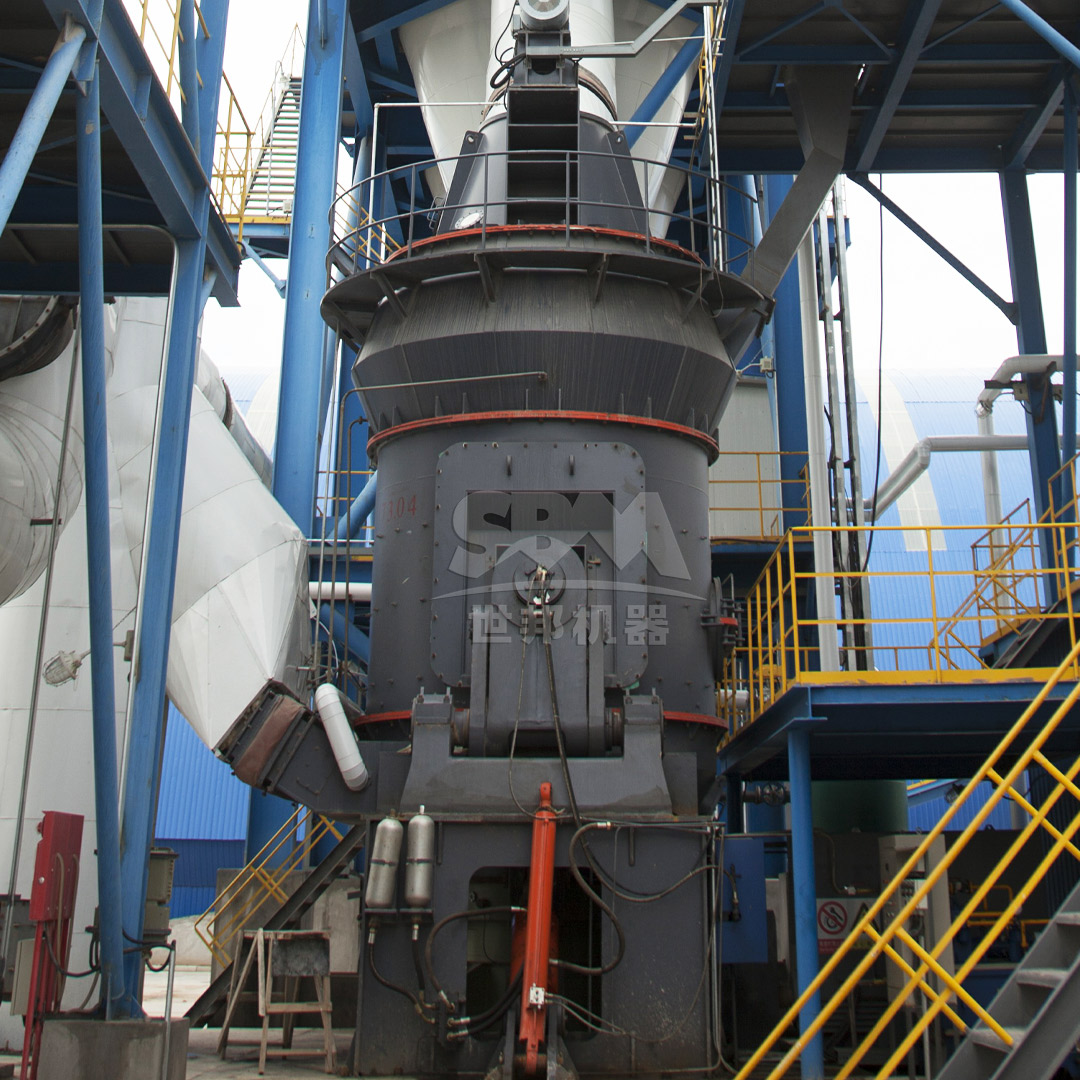
Vertical Roller Mills are the industry standard for large-scale grinding of abrasive materials like slag. They operate on the principle of bed comminution, where material is ground between a rotating table and rollers under hydraulic pressure. This method is highly energy-efficient compared to traditional ball mills.
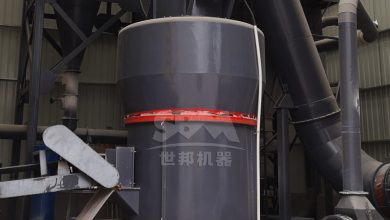
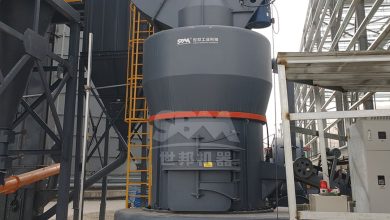
For processing sulfuric acid slag, our LM Series Vertical Roller Mill is an exceptional choice. Its集约化设计 integrates crushing, grinding, drying, and classifying into a single unit, reducing footprint and基建成本 by up to 40-50%. The磨辊与磨盘非接触设计 and use of special alloy wear parts extend service life significantly when handling abrasive slag. The mill can handle feed sizes up to 50mm and produce powders from 30 to 325 mesh (600-45μm), perfectly covering the needs for cement raw meal, construction fillers, and coarse slag powder. For slag grinding dedicated lines, the Vertical Slag Mill series (e.g., LM190N to LM370N) offers robust performance with capacities from 10 to over 110 tons per hour, producing powder with a specific surface area exceeding 420 m²/kg, ideal for use as an SCM.

2. Ultrafine Grinding Mills: For High-Value Applications
When the application demands a superfine product, such as a high-performance pozzolan or a filler requiring a very uniform particle size, specialized ultrafine mills are necessary. These mills combine intense mechanical grinding forces with precise air classification.
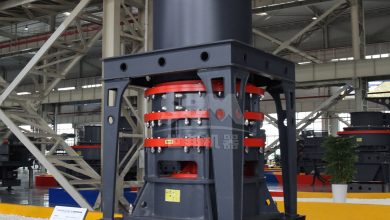
Our flagship solution for this domain is the SCM Series Ultrafine Mill. This mill is engineered to produce powders in the range of 325 to 2500 mesh (45-5μm, D97). Its核心优势 lies in the高效节能 design, offering产能为气流磨2倍 while能耗降低30%. The integrated垂直涡轮分级器 ensures precise particle size切割 and成品均匀, with no coarse powder contamination. For processing the hard and abrasive sulfuric acid slag into a premium product, the mill’s耐用设计 is critical. It features特殊材质辊轮与磨环 that extend service life multiple times compared to standard materials. Models like the SCM1250 or SCM1680, with处理能力 from 2.5 to 25 tons per hour, provide the perfect balance of high output and exceptional fineness control for advanced slag applications.
Recommended Processing Circuit and Equipment Selection
A typical efficient circuit for sulfuric acid slag involves:
- Primary Crushing: A jaw crusher or hammer mill to reduce large lumps to below 50mm.
- Drying (if necessary): A rotary dryer to reduce moisture.
- Primary Grinding: For most applications, an LM Series Vertical Roller Mill is ideal. It efficiently grinds the material to the desired base fineness (e.g., 200-325 mesh) with low operating costs.
- Secondary (Ultrafine) Grinding (Optional): For superfine products, the pre-ground slag from the VRM can be fed into an SCM Ultrafine Mill to achieve fineness of 800 mesh and above. The SCM mill’s high-precision classification is key here.
- Collection & Packaging: Efficient cyclone and pulse baghouse dust collectors ensure环保达标 with粉尘排放 <20mg/m³.
Conclusion
The transformation of sulfuric acid slag from waste to resource is a compelling example of industrial symbiosis and sustainable development. The economic and environmental success of this transformation is directly linked to the selection of efficient, robust, and precise grinding technology. For high-tonnage operations targeting standard construction and cement applications, the LM Series Vertical Roller Mill offers unbeatable efficiency and reliability. For producers aiming at the high-value-added market of ultrafine slag powders, the SCM Series Ultrafine Mill provides the necessary technological edge in fineness control and energy savings. By investing in the appropriate grinding equipment, industries can unlock the full potential of sulfuric acid slag, contributing to both profitability and a reduced environmental footprint.