How to Use Steel Slag for Papermaking? Comprehensive Utilization Technology and Equipment for Stainless Steel Slag in Paper Manufacturing
Introduction: The Promise of Stainless Steel Slag in Paper Manufacturing
The paper industry is under increasing pressure to innovate, driven by the need for sustainable raw materials, cost reduction, and product diversification. Concurrently, the metallurgical sector faces significant challenges in managing its by-products, particularly stainless steel slag (SS slag). This article explores the transformative potential of utilizing SS slag as a functional filler and pigment in papermaking, presenting a comprehensive overview of the technology, process flow, and critical equipment required for its successful implementation.
SS slag, a complex silicate material rich in calcium, silicon, and aluminum oxides, possesses inherent properties—such as whiteness, chemical stability, and specific particle morphology—that can be engineered to enhance paper products. Its use not only offers an eco-friendly alternative to traditional fillers like kaolin and calcium carbonate but also contributes to the circular economy by valorizing industrial waste.
1. Pre-Treatment and Processing of Stainless Steel Slag
Raw SS slag from electric arc or AOD furnaces requires systematic pre-treatment before it can be introduced into the papermaking process. The primary goals are to remove metallic residues, control chemical composition, and achieve the desired physical properties.
1.1. Magnetic Separation and Crushing
The first step involves crushing the slag to a manageable size (typically below 50mm) followed by multi-stage magnetic separation to recover residual ferroalloys (Fe, Cr, Ni). This step is crucial for both economic recovery of valuable metals and for ensuring the final slag powder is non-abrasive and chemically inert. A Hammer Mill is highly effective for the initial size reduction of slag lumps, offering high capacity and a stable output of 0-3mm particles, which is ideal for subsequent magnetic processing.
1.2. Drying and Intermediate Grinding
After metal recovery, the slag must be dried to a moisture content below 1-2% to facilitate efficient fine grinding. An intermediate grinding stage prepares the material for the final ultra-fine milling process. For this stage, equipment capable of handling moderately hard materials with high throughput is essential.
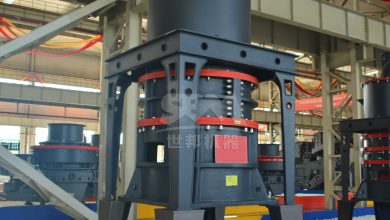
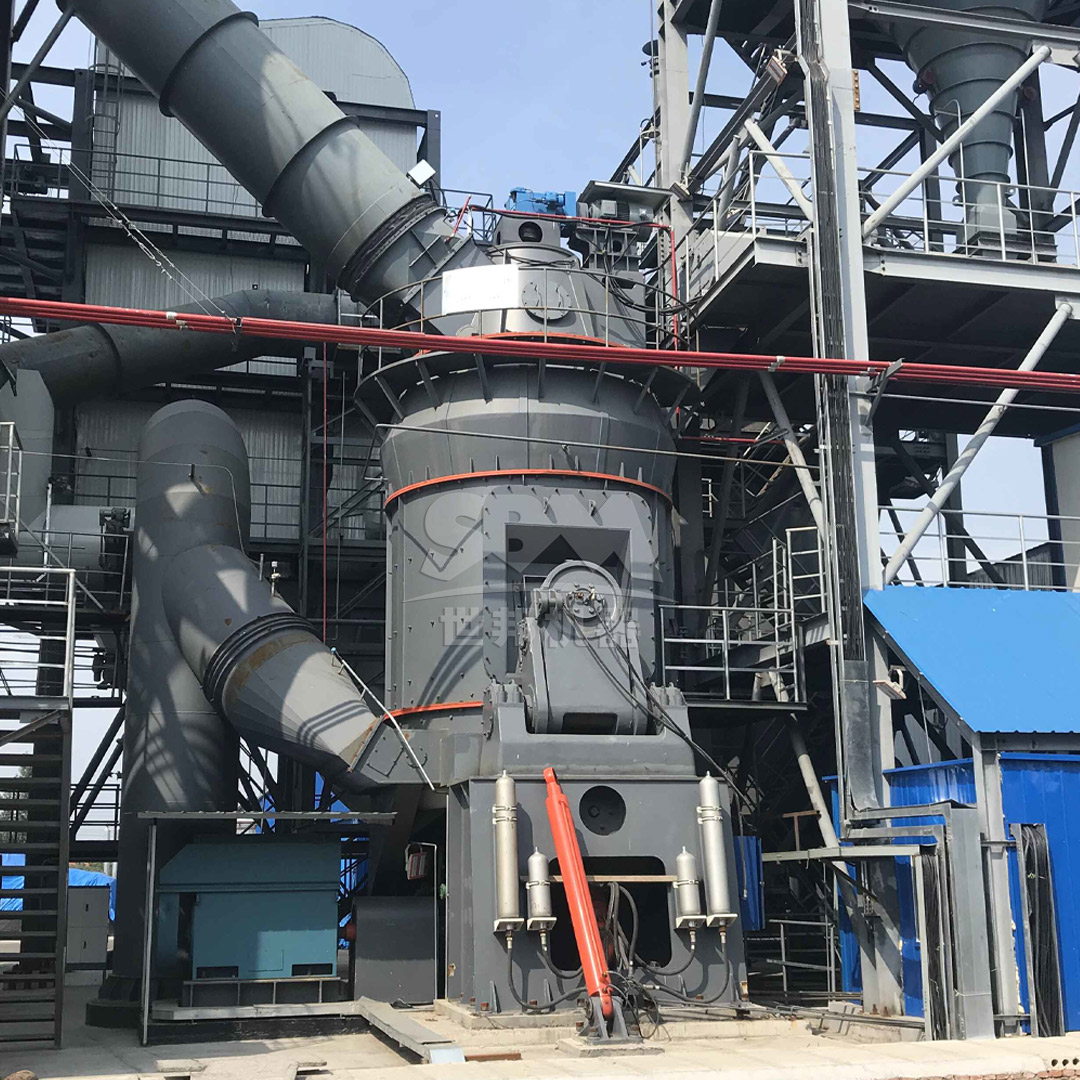
Our MTW Series Trapezium Mill is exceptionally well-suited for this intermediate grinding duty. With an input size of ≤50mm and the ability to produce powder in the range of 30-325 mesh (600-45μm), it efficiently processes dried SS slag. Its advantages include a wear-resistant shovel design that lowers maintenance costs, an optimized curved air duct that reduces energy loss, and an integrated pulse dust collection system ensuring an environmentally friendly operation. Models like the MTW215G can handle capacities up to 45 tons per hour, making it a robust and efficient choice for large-scale slag pre-processing lines.
2. The Core Technology: Ultra-Fine Grinding for Paper-Grade Slag Powder
The most critical step in preparing SS slag for papermaking is ultra-fine grinding. The performance of the slag as a paper filler is directly dependent on particle size distribution, shape, and surface area. Key target parameters include:
- Particle Size (D97): 2-10 μm (equivalent to 1250-325 mesh).
- Specific Surface Area: >500 m²/kg (Blaine).
- Brightness/Whiteness: >85% ISO (achievable through post-processing like bleaching).
- Abrasion Value: Must be minimized to protect paper machine wires and rolls.
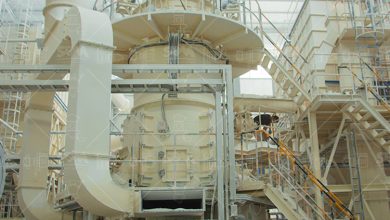
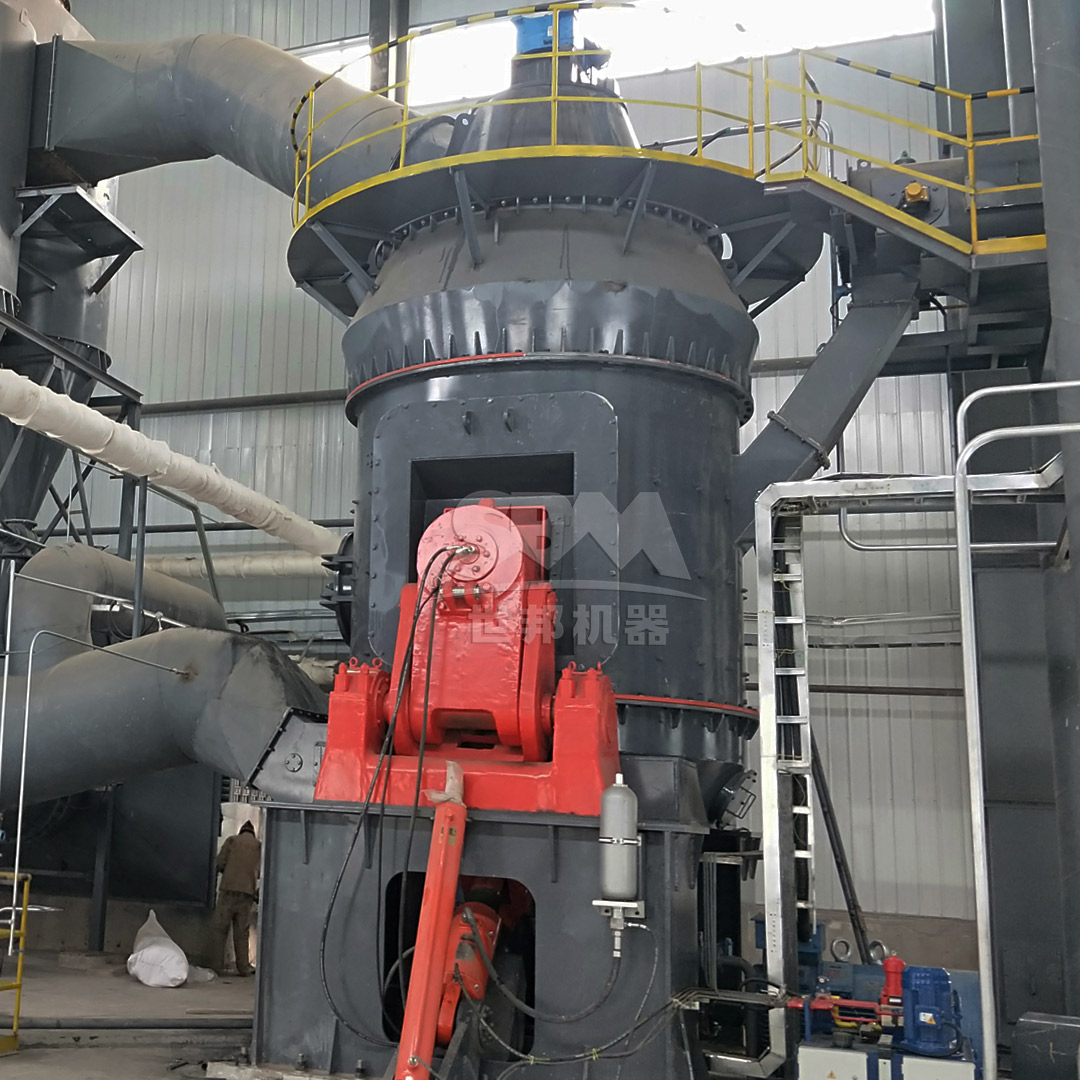
Conventional ball mills or coarse grinders cannot achieve these stringent specifications efficiently. The technology of choice is the Ultrafine Vertical Roller Mill or specialized Ultrafine Ring Roller Mills.
2.1. Equipment Recommendation: SCM Ultrafine Mill
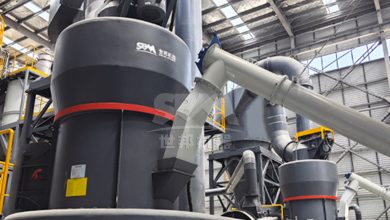
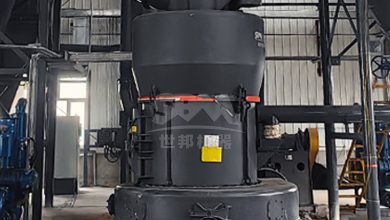
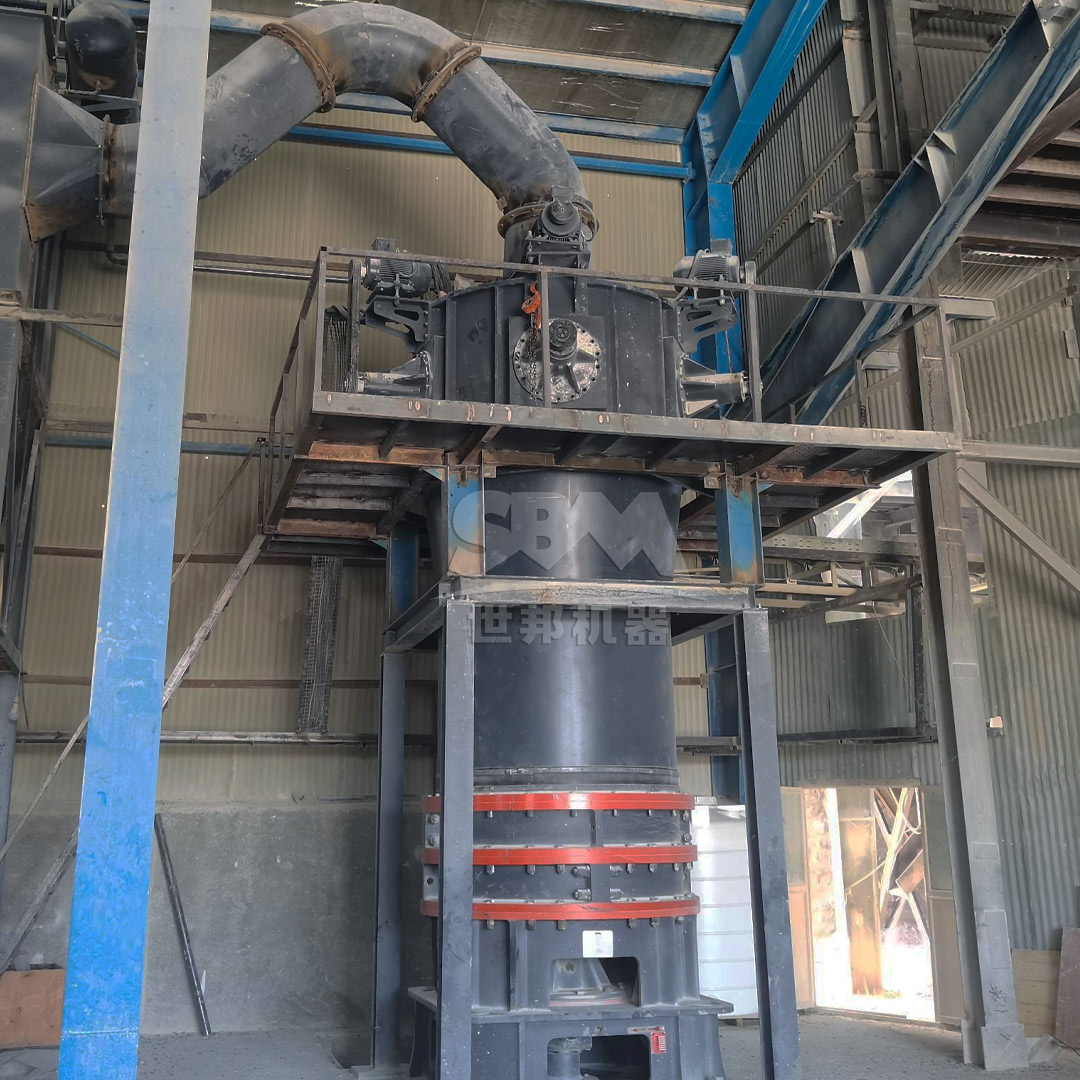
For producing the high-quality, ultra-fine slag powder required for premium paper applications, we highly recommend our flagship SCM Series Ultrafine Mill. This mill is engineered specifically for materials requiring precise top-cut particle size control down to the micron range.
Technical Advantages for Slag Processing:
- High Efficiency & Energy Saving: Compared to traditional jet mills, the SCM Mill offers double the capacity while reducing energy consumption by 30%. Its intelligent control system provides automatic feedback on product fineness, ensuring consistent quality.
- Precision Classification: The integrated vertical turbine classifier enables sharp particle size cuts (D97 ≤5μm). This guarantees a uniform product with no coarse grit, which is paramount for smooth paper surface and printability.
- Durability for Abrasive Materials: The grinding rollers and ring are made from special wear-resistant materials, significantly extending service life when processing hard slag. The bearing-less screw design in the grinding chamber enhances operational stability.
- Environmental Compliance: The system features a high-efficiency pulse dust collector that exceeds international emission standards. The soundproof chamber design keeps operational noise below 75dB.
Application in Slag Line: In a typical setup, pre-ground slag from the MTW mill is fed into the SCM Ultrafine Mill (e.g., Model SCM1250 with a capacity of 2.5-14 t/h). The mill’s multi-layer grinding principle ensures progressive size reduction. The final product, collected by the cyclone and pulse dust collector, is a perfectly graded powder ready for surface modification or direct use in the paper mill.
3. Integration into the Papermaking Process
The processed SS slag powder can be introduced at various points in the papermaking process, primarily as a filler in the furnish or as a coating pigment.
3.1. Filler Application
The slag filler is slurried and added to the pulp stock before the headbox. It improves paper properties such as:
- Opacity and Brightness: The mineral filler scatters light more effectively than fibers.
- Smoothness and Printability: Fine slag particles fill voids between fibers, creating a smoother surface.
- Drainage and Formation: Optimal particle size distribution can improve dewatering on the wire.
- Cost Reduction: Replaces a portion of more expensive wood pulp or traditional fillers.
3.2. Coating Application
For higher-value papers, the ultra-fine slag (with D97 below 2μm) can be used in coating formulations. It acts as a partial substitute for kaolin or GCC, contributing to improved coating gloss, ink receptivity, and reduced binder demand due to its particle shape.
4. Economic and Environmental Benefits
The comprehensive utilization of SS slag in papermaking delivers significant dual benefits:
- For Steel Mills: Transforms a liability (waste disposal cost) into a revenue stream. Reduces landfill use and associated environmental fees.
- For Paper Mills: Provides a stable, cost-effective, and sustainable source of filler/pigment. Enhances product portfolio with “green” credentials appealing to environmentally conscious consumers.
- Macro-Environmental Impact: Promotes industrial symbiosis, reduces quarrying for natural fillers, and lowers the overall carbon footprint of both industries.
5. Conclusion
The utilization of stainless steel slag in paper manufacturing represents a sophisticated convergence of metallurgy and material science. Success hinges on a well-designed processing chain, starting with effective metal recovery and pre-grinding, and culminating in precision ultra-fine milling to produce a consistent, paper-grade mineral powder.
Investing in the right technology is paramount. A processing line featuring our MTW Series Trapezium Mill for robust intermediate grinding and our SCM Series Ultrafine Mill for final precision milling provides an optimal, efficient, and reliable solution. This technology pathway not only unlocks the hidden value in stainless steel slag but also paves the way for a more sustainable and innovative future for the paper industry.