How to Use Shell Grinding Machine to Process Shells into Powder and Its Applications
Introduction: Unlocking the Potential of Shells
Shells, from marine bivalves like oysters, clams, and scallops to crustacean exoskeletons, are a rich source of calcium carbonate (CaCO3). Traditionally considered waste, these materials are now recognized for their immense value in various industries when processed into fine or ultrafine powder. The key to transforming these hard, irregular materials into a valuable commodity lies in efficient and precise grinding technology. This article provides a comprehensive guide on using shell grinding machines, detailing the processing steps, equipment selection, and exploring the diverse applications of shell powder. We will also highlight advanced machinery solutions that optimize this process.
The Shell Powder Production Process: A Step-by-Step Guide
Producing high-quality shell powder requires a systematic approach to ensure purity, consistency, and efficiency.
1. Pre-Processing: Cleaning and Primary Crushing
Fresh shells contain organic residues, salts, and sand. Thorough cleaning with water is essential to remove these impurities. Drying follows to reduce moisture content, preventing clogging in grinding equipment. The dried shells, often large and hard, must first be reduced in size. A primary crusher, such as a Hammer Mill, is ideal for this stage. It can handle irregular feed up to 40-50mm and crush it down to a more manageable size of 0-3mm or smaller, preparing the material for fine grinding.

2. The Core Stage: Fine and Ultrafine Grinding
This is the most critical step, determining the final powder’s fineness and quality. The choice of grinding mill depends on the target particle size and required production capacity.
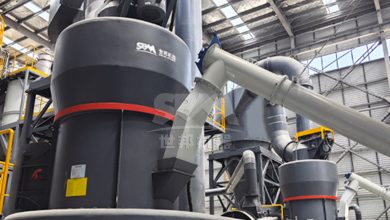
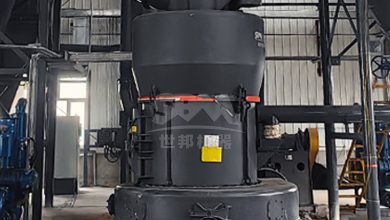
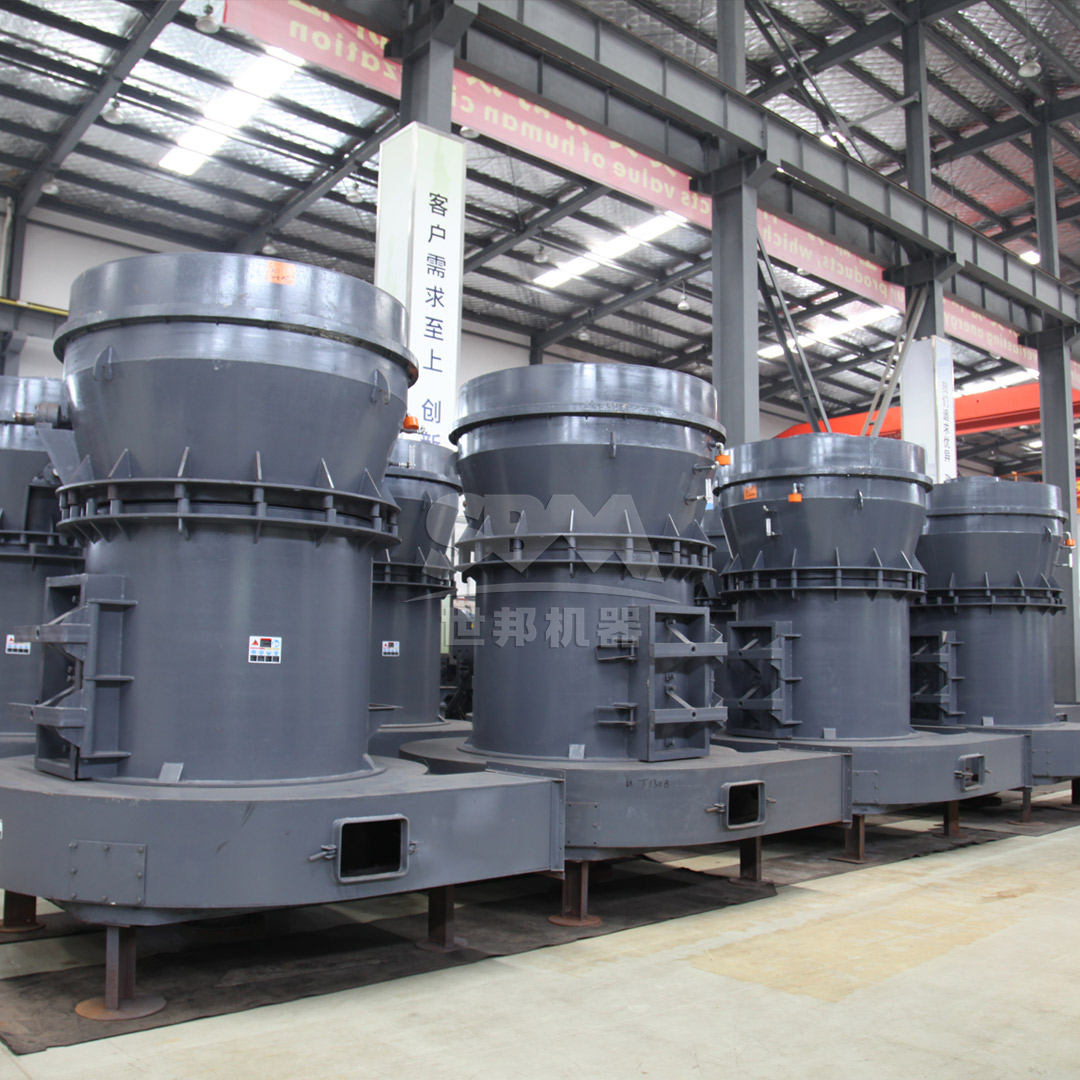
- For Coarse to Medium Fine Powder (30-325 mesh/0.6-0.045mm): Grinding systems like the MTW Series Trapezium Mill or MTM Series Medium-speed Trapezium Mill are highly effective. Their robust construction, featuring curved air ducts and wear-resistant grinding rollers, efficiently handles the abrasive nature of shells. The MTW series, for instance, offers capacities from 3 to 45 tons per hour, making it suitable for medium to large-scale operations where ultra-fineness is not the primary goal.
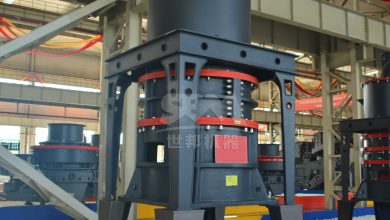
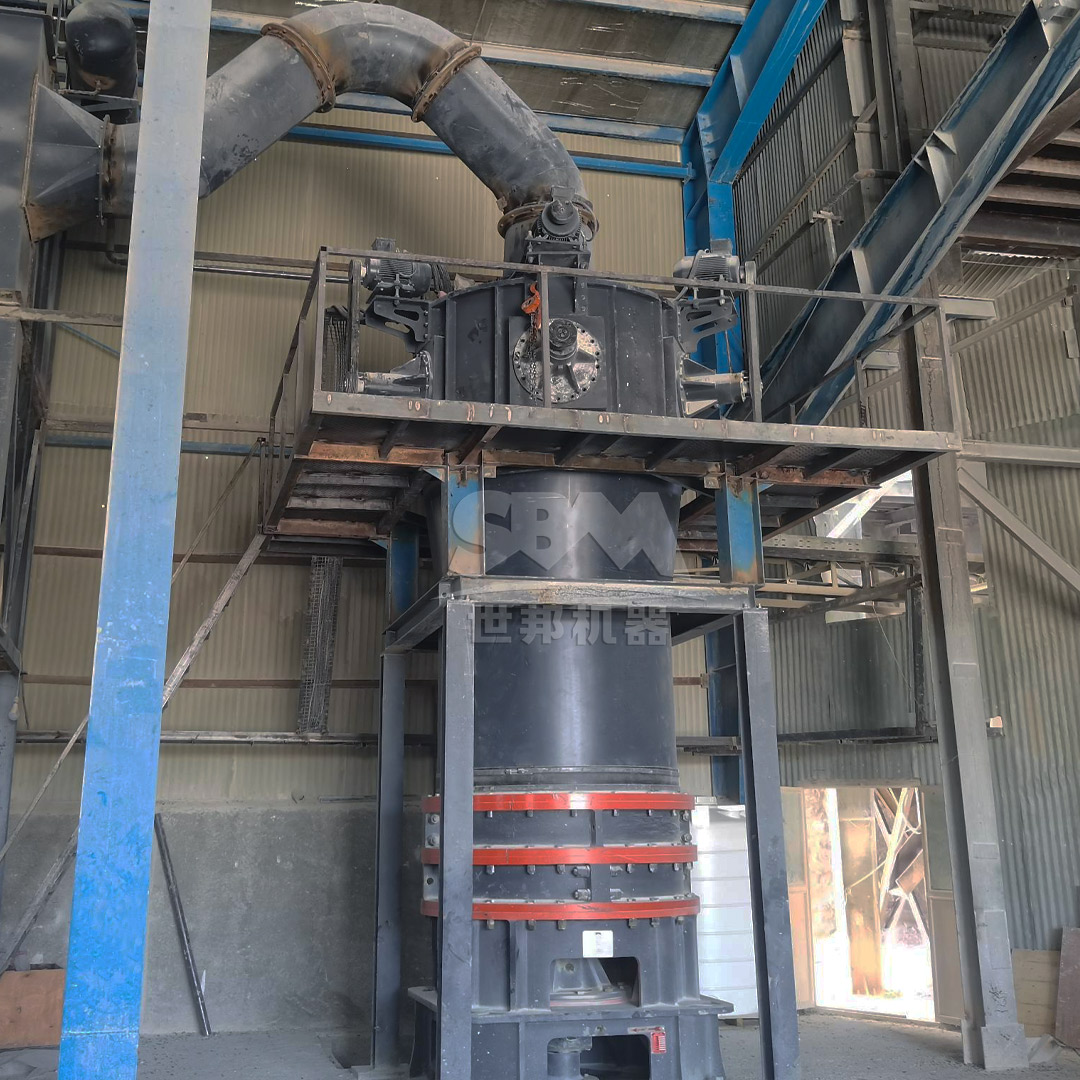
- For Ultrafine Powder (325-2500 mesh/D97 ≤ 5μm): Achieving a fine, uniform powder for high-value applications requires specialized technology. This is where our SCM Ultrafine Mill excels. It is specifically engineered to produce powders in the micron and sub-micron range. Its vertical turbine classifier ensures precise particle size cut-off, eliminating coarse grains and delivering a remarkably consistent product. With an output fineness adjustable between 325 to 2500 mesh and capacities up to 25 tons per hour, the SCM series represents the pinnacle of shell grinding technology for premium applications.
3. Post-Processing: Collection, Classification, and Packaging
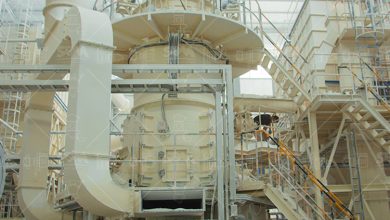
After grinding, the powder-air mixture is separated using a cyclone collector and a pulse-jet bag filter, which ensures high collection efficiency and minimal environmental dust emission. For applications requiring a very tight particle size distribution, an additional air classifier can be integrated. Finally, the finished shell powder is conveyed to silos or directly packaged for storage and shipment.
Key Considerations for Equipment Selection
Choosing the right shell grinding machine involves evaluating several factors:
- Target Fineness: Define the required mesh or micron size. This is the primary driver for selecting between a trapezium mill and an ultrafine mill.
- Production Capacity: Match the machine’s throughput (e.g., tons/hour) with your production goals.
- Energy Efficiency: Modern mills like the SCM Ultrafine Mill are designed to be energy-efficient, consuming up to 30% less power than older technologies like air jet mills for comparable output.
- System Integration: Consider if you need a standalone mill or a complete system including feeding, grinding, classifying, and collecting.
- Wear Resistance: Shells are abrasive. Equipment with specially hardened grinding rollers and rings, like those in our MTW and SCM mills, significantly extends service life and reduces maintenance costs.
Wide-Ranging Applications of Shell Powder
The processed calcium carbonate powder finds utility across numerous sectors:
1. Agriculture and Animal Feed
As a natural calcium supplement, shell powder is mixed into livestock and poultry feed to strengthen bones and improve eggshell quality. It also acts as a soil conditioner to neutralize acidic soils.
2. Construction and Building Materials
Shell powder serves as a filler or partial cement replacement in concrete, mortars, and tiles. It can enhance certain properties and promote sustainability.
3. Chemical and Industrial Manufacturing
It is a raw material for producing precipitated calcium carbonate, used in plastics, paints, coatings, rubber, and sealants as a functional filler to improve strength and reduce costs.
4. Pharmaceuticals, Cosmetics, and Food
High-purity, ultrafine shell powder (readily produced by the SCM Ultrafine Mill) is used as a calcium fortifier in dietary supplements, an abrasive in toothpaste, and a base pigment in certain cosmetics.
5. Environmental Remediation
Due to its alkaline nature, shell powder can be used in wastewater treatment to neutralize acidic effluents and adsorb heavy metals.
Conclusion
The transformation of shell waste into valuable powder is a prime example of sustainable industrial processing. Success hinges on employing the correct grinding technology tailored to the desired product specifications. For operations targeting high-value markets requiring ultrafine, consistent powder, investing in advanced grinding systems is crucial. Our SCM Ultrafine Mill, with its high-precision classification, energy efficiency, and ability to produce powder down to 5μm, is an ideal solution for premium shell processing. For larger-scale operations requiring fine to medium-fine powder, our robust MTW Series Trapezium Mill offers reliability and high throughput. By selecting the appropriate equipment, producers can effectively tap into the growing economic and environmental benefits of shell powder across a diverse range of applications.