How to Solve Excessive Dust Problem in Raymond Mill Operation
Introduction
Raymond Mill, a cornerstone of powder processing in industries such as mining, construction, and chemicals, is renowned for its reliability and versatility. However, a persistent and significant challenge in its operation is the generation and escape of excessive dust. Uncontrolled dust emissions lead to severe consequences, including environmental pollution, health hazards for operators, product loss, increased equipment wear, and potential regulatory non-compliance. Addressing this issue is not merely about compliance; it is about operational excellence, cost efficiency, and sustainable production. This article provides a comprehensive, professional guide to diagnosing and solving excessive dust problems in Raymond Mill systems.
Understanding the Sources of Dust in Raymond Mill Systems
Effective dust control begins with a precise understanding of where and why dust escapes. The problem is rarely isolated to a single point but is often systemic.
1. Inadequate Sealing at Critical Junctions
The mill operates under negative pressure, but this equilibrium is fragile. Common leakage points include:
- Feeding Inlet: Poor sealing between the feeder and the mill housing allows dust-laden air to escape during material entry.
- Grating Joints & Inspection Doors: Worn gaskets, loose bolts, or warped doors on the grinding chamber and classifier create direct paths for fine powder.
- Shaft Seals: The main drive shaft and classifier rotor shaft require dynamic seals. Wear or improper installation can lead to significant dust leakage around these rotating components.
2. Insufficient or Faulty Dust Collection System
The pulse-jet baghouse or cyclone collector is the primary defense. Its failure is a major cause of dust emission.
- Undersized Capacity: A collector with an air volume (m³/h) or filtration area (m²) too small for the mill’s output cannot handle the dust load, leading to overpressure and leakage.
- Filter Bag Issues: Bag blinding (clogging), breakage, improper installation, or material incompatibility reduce filtration efficiency. A single broken bag can vent a large amount of dust directly into the atmosphere.
- Pulse Cleaning Malfunction: Incorrect pulse timing, low compressed air pressure, or faulty solenoid valves fail to dislodge dust cakes, increasing pressure drop and forcing dust through other weak points.
3. Improper System Airflow Balance
The Raymond Mill is a pneumatic conveying and classifying system. Airflow is its lifeblood, and imbalance is a silent killer.
- Excessive Air Inleakage: Uncontrolled air entering through leaks increases the total air volume the fan must handle, potentially overloading the dust collector.
- Fan Performance Mismatch: An incorrectly sized exhaust fan (too weak or too strong) disrupts the internal negative pressure profile. Weak suction fails to contain dust, while excessive suction can pull coarse particles into the collector, causing abrasion.
- Blocked or Leaking Ductwork: Accumulated material in ducts increases resistance, while holes in ducts allow dust to escape before reaching the collector.
4. Operational Parameters
How the mill is run directly impacts dust generation.
- Over-grinding: Running the mill to produce an excessively fine product beyond its optimal range generates more ultra-fines, which are harder to collect and more prone to escaping.
- High Moisture Feed Material: While some moisture can help suppress dust, very high moisture can cause material buildup, intermittent operation, and sudden dust releases when clumps break apart.
- Worn Grinding Components: Severely worn rollers and grinding rings reduce grinding efficiency, often compensated for by increased fan speed or classifier speed, which can disturb the air/material balance and increase dust carryover.
A Systematic Approach to Diagnosis and Solution
Solving dust problems requires a methodical, step-by-step approach.
Step 1: Visual Inspection and Leak Detection
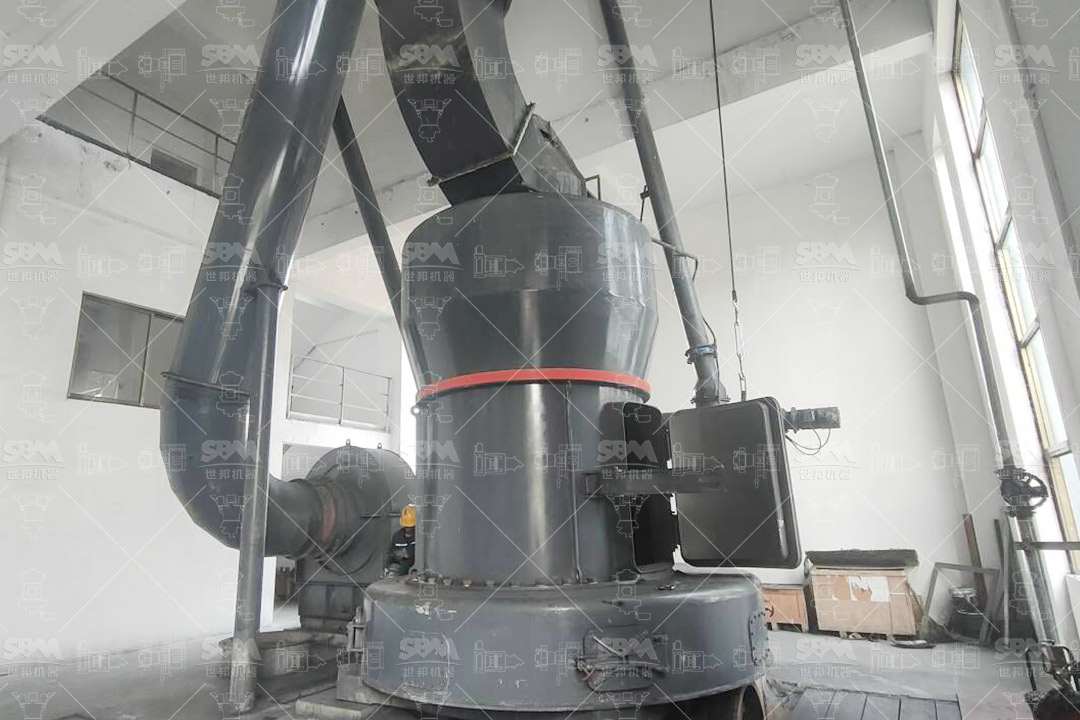
Conduct a thorough plant walkdown. Use a smoke pencil or theatrical fog generator around suspected leak points (seals, doors, joints) with the system running. The smoke will be drawn into any leak, visually pinpointing the problem. Listen for whistling or hissing sounds. Feel for air movement around seals.
Step 2: Performance Data Analysis
Review operational logs and collect real-time data:
- Draft Readings: Measure negative pressure at key points: grinding chamber inlet, outlet, and before the fan. Compare against design specifications. A lower-than-expected negative pressure indicates excessive inleakage.
- Fan Amperage: Compare current draw to the motor nameplate and historical data. High amperage can indicate high system resistance (clogged filters, blocked ducts).
- Dust Collector Differential Pressure (ΔP): This is the most critical indicator. A continuously high ΔP suggests bag blinding; a low or fluctuating ΔP may indicate bag breakage or system leaks.
Step 3: Dust Collector Audit
Isolate and inspect the dust collection system.
- Check Filter Bags: Inspect for tears, holes, or detached collars. Check for moisture or oil contamination causing bag blinding.
- Test Pulse Valves: Manually trigger each pulse valve to ensure it fires with adequate pressure and duration. Listen for the characteristic “pop.”
- Inspect Diaphragms and Solenoids: Replace worn components.
- Review Compressed Air Supply: Ensure the air dryer is functional and the pressure regulator is set correctly (typically 0.4-0.6 MPa).
Step 4: Corrective Actions and Upgrades
Based on the diagnosis, implement targeted solutions:
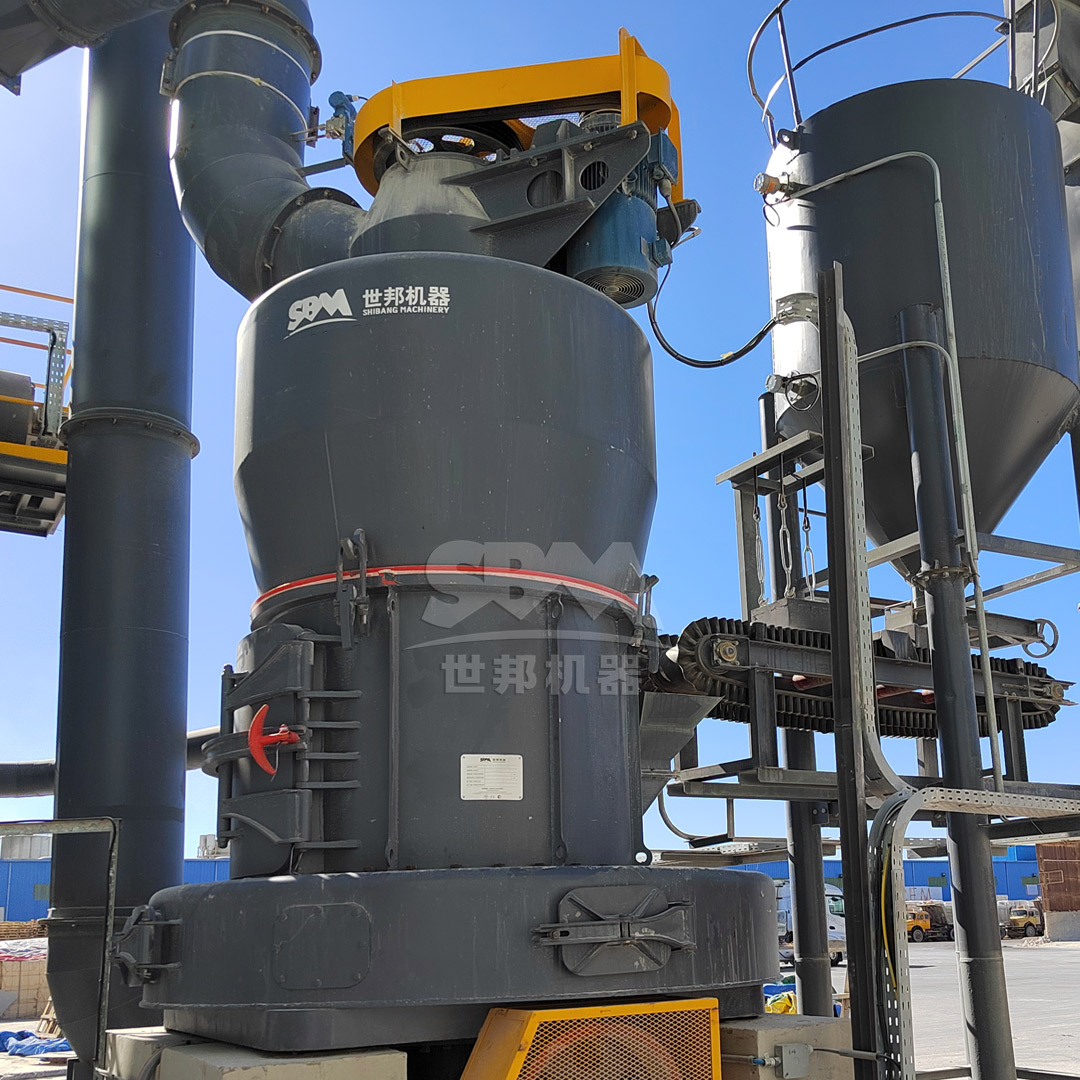
- Sealing Upgrades: Replace standard gaskets with high-temperature, abrasion-resistant silicone or ceramic fiber gaskets. Install labyrinth seals or mechanical seals on critical shafts. Ensure all access doors are properly aligned and latched.
- Dust Collector Optimization: Replace damaged bags with high-performance membranes (e.g., PTFE laminated) for better release and durability. Upgrade the pulse control system to a programmable logic controller (PLC) for more precise and energy-efficient cleaning cycles. Consider adding an extra module if the collector is chronically undersized.
- Airflow Re-balancing: Adjust damper positions on the main fan or system ducts to restore design negative pressure. If the fan is mismatched, consult an engineer to resize or replace it. Seal all unintended air inlets.
- Operational Discipline: Establish and adhere to optimal operating parameters for feed rate, classifier speed, and fan damper position based on the target product fineness. Implement a predictive maintenance schedule for grinding components to prevent efficiency drops.
Beyond Fixes: Proactive Solutions with Advanced Mill Technology
While retrofits and maintenance can significantly improve existing Raymond Mills, the most effective long-term strategy for eliminating dust problems is to invest in a mill designed with modern, integrated dust containment and collection principles. Many operational dust issues stem from inherent design limitations of older mill configurations, such as complex internal air paths, multiple dynamic seals, and less efficient separation.
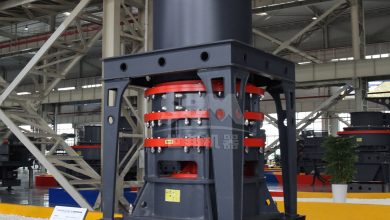
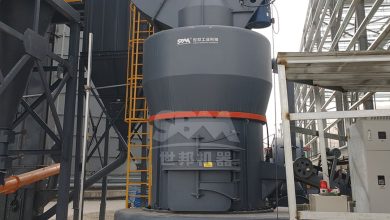
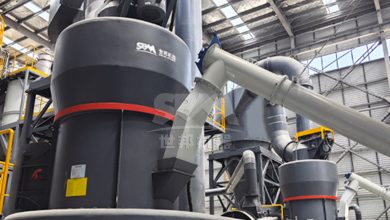
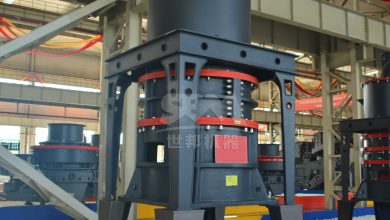
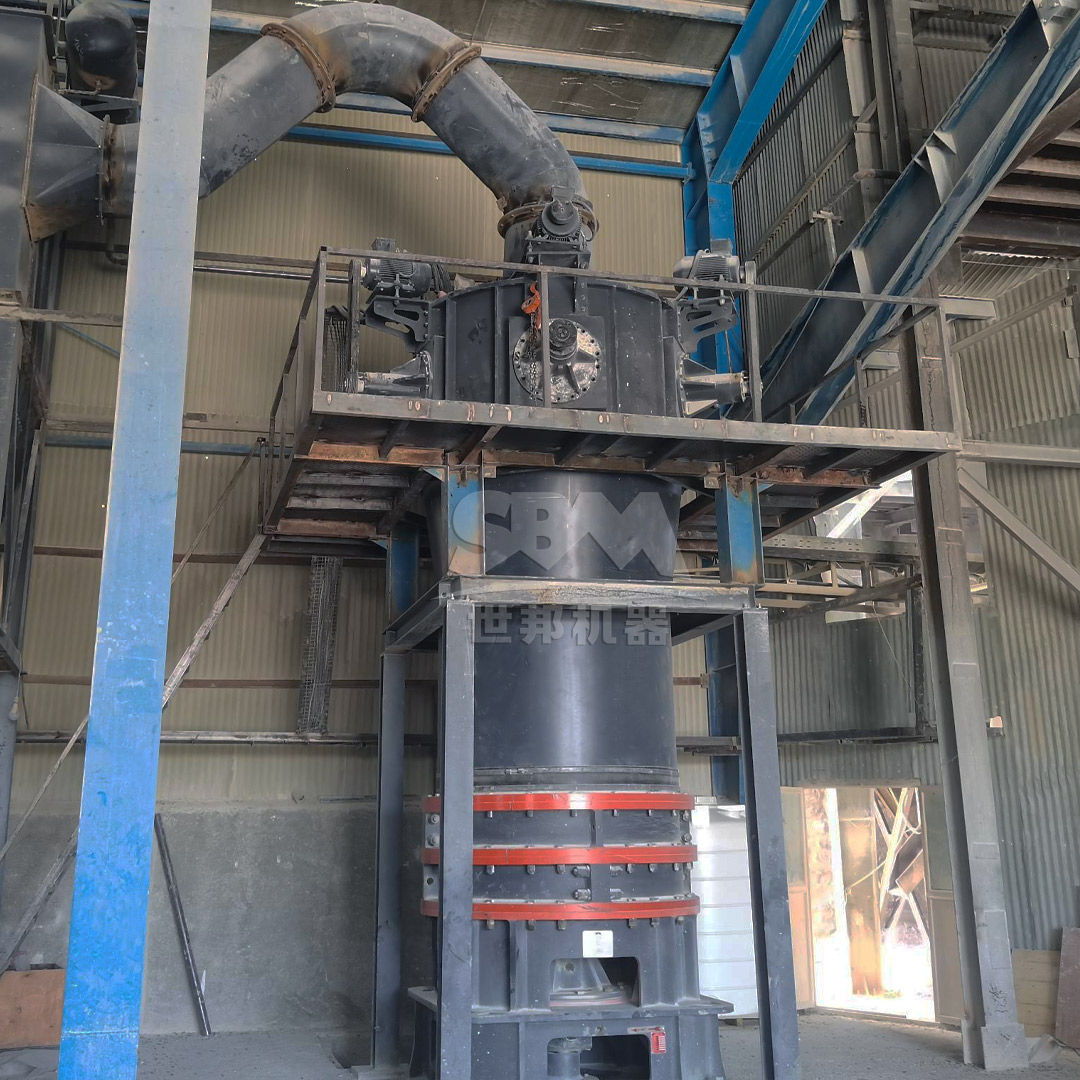
Our company’s SCM Ultrafine Mill represents a generational leap in this regard. Engineered from the ground up for clean, efficient, and stable operation, it incorporates dust control as a core design feature, not an afterthought.
Integrated, High-Efficiency Dust Containment
The SCM Mill operates as a fully sealed, negative-pressure system. Its innovative pulse除尘 system is not a bolt-on accessory but an integral component, achieving efficiency that exceeds international standards. The mill’s housing is designed with minimal flanges and access points, drastically reducing potential leak paths compared to traditional designs.
Superior Internal Classification Reduces System Load
A major source of dust burden is the recirculation of fine material. The SCM Mill features a vertical turbine classifier that performs precise粒度切割 (particle size切割). This results in a sharp product cut: only particles meeting the target细度 (fineness) are carried to the collector, while coarse particles are efficiently returned to the grinding zone. This “no coarse powder mixing” design means the dust collector handles less volume of truly fine product, enhancing its effectiveness and longevity. With an output fineness range of 325-2500 mesh (D97 ≤5μm), it delivers superior product quality without the dust penalty.
Durable Design for Consistent Performance
Dust leaks often appear or worsen as equipment wears. The SCM Mill’s special material rollers and磨环 (grinding ring) have a service life several times longer than conventional parts, maintaining stable grinding efficiency and airflow dynamics over extended periods. The bearing-less screw grinding chamber design eliminates a common source of seal failure and vibration, contributing to smoother, leak-free operation.
For operations requiring high capacity in the coarse to medium-fine range, our MTW Series Trapezium Mill is another excellent choice designed with cleanliness in mind. Its curved air duct is engineered to minimize energy loss and turbulence, promoting stable airflow that carries dust efficiently to the collector. The mill’s overall robust construction and advanced pulse除尘 technology ensure low emissions and reliable performance, making it a superior, cleaner alternative to older Raymond Mill designs for applications from 30 to 325 mesh.
Conclusion
Excessive dust in Raymond Mill operation is a solvable problem that demands a systematic approach. Begin with diligent inspection and data analysis to pinpoint the root causes—be it leaks, collector failure, airflow issues, or operational practices. Implement targeted corrective measures to seal, repair, and re-balance the system. For a definitive, long-term solution that prioritizes clean production, environmental responsibility, and operational efficiency, consider upgrading to advanced mill technology like our SCM Ultrafine Mill or MTW Series Trapezium Mill. These machines are engineered to deliver not only superior product quality and energy savings but also the kind of dust-free operation that defines modern, responsible industrial processing.