How to Select and Apply a Grinding Mill for Vanadium Slag Processing
Introduction
Vanadium slag, a crucial by-product of steelmaking, is the primary source for vanadium extraction. Efficient processing of this slag hinges on the critical step of size reduction, where selecting the appropriate grinding mill directly impacts recovery rates, energy consumption, and overall economic viability. This article provides a comprehensive guide to selecting and applying grinding mills for vanadium slag, focusing on key material characteristics, process requirements, and equipment matching.
Understanding Vanadium Slag Characteristics
Before selecting a mill, a thorough understanding of the feedstock is essential. Vanadium slag typically exhibits the following properties:
- High Hardness and Abrasiveness: Containing complex spinel structures (e.g., FeO·V2O3), the slag is extremely hard and abrasive, demanding mills with superior wear resistance.
- Target Liberation Size: Effective vanadium liberation often requires grinding to a fine or even ultra-fine particle size (commonly below 45μm or 325 mesh) to expose the valuable minerals for subsequent leaching.
- Variable Feed Size: Slag from furnaces may have a wide size distribution, from chunks up to 50mm down to fines.
- Moderate Moisture: While generally dry, some processes may involve slightly moist feed, requiring mills with adequate drying capabilities or pre-drying steps.
Key Selection Criteria for Grinding Mills
The selection process should be based on a systematic evaluation of the following criteria:
1. Final Product Fineness Requirement
This is the most decisive factor. Vanadium extraction processes dictate the target particle size (P80 or D97).
- Coarse Grinding (> 45μm / 325 mesh): For preliminary size reduction or processes requiring less fine material.
- Fine Grinding (45μm – 10μm / 325-1250 mesh): The most common range for efficient vanadium leaching.
- Ultra-fine Grinding (< 10μm / 1250+ mesh): For maximizing surface area and recovery in advanced hydrometallurgical processes.
2. Capacity and Scalability
The mill’s throughput (tons per hour) must match plant design capacity, with consideration for future expansion. System design should ensure stable feed and product handling.
3. Energy Efficiency
Grinding is energy-intensive. Selecting a mill with high grinding efficiency and low specific energy consumption (kWh/ton) is critical for operational cost control.
4. Wear Resistance and Maintenance
Given the abrasive nature of vanadium slag, mills must feature wear parts made from special alloys or composites. Easy maintenance access and long component life reduce downtime and operating costs.
5. System Integration and Environmental Compliance
The mill should be part of a closed-circuit system with efficient classifiers and dust collection (pulse jet bag filters) to meet emission standards (< 20 mg/m³) and ensure a clean working environment. Noise control is also a key consideration.
Grinding Mill Technology Options for Vanadium Slag
Different mill types offer distinct advantages depending on the application stage and fineness target.
1. For Primary and Secondary Crushing/Grinding
Hammer Mills are effective for initial size reduction of slag chunks to smaller particles (e.g., below 3-10mm) before fine grinding. Their high reduction ratio and simple structure make them suitable for this preparatory stage.
2. For Fine Grinding (30-325 mesh / 45μm-0.6mm)
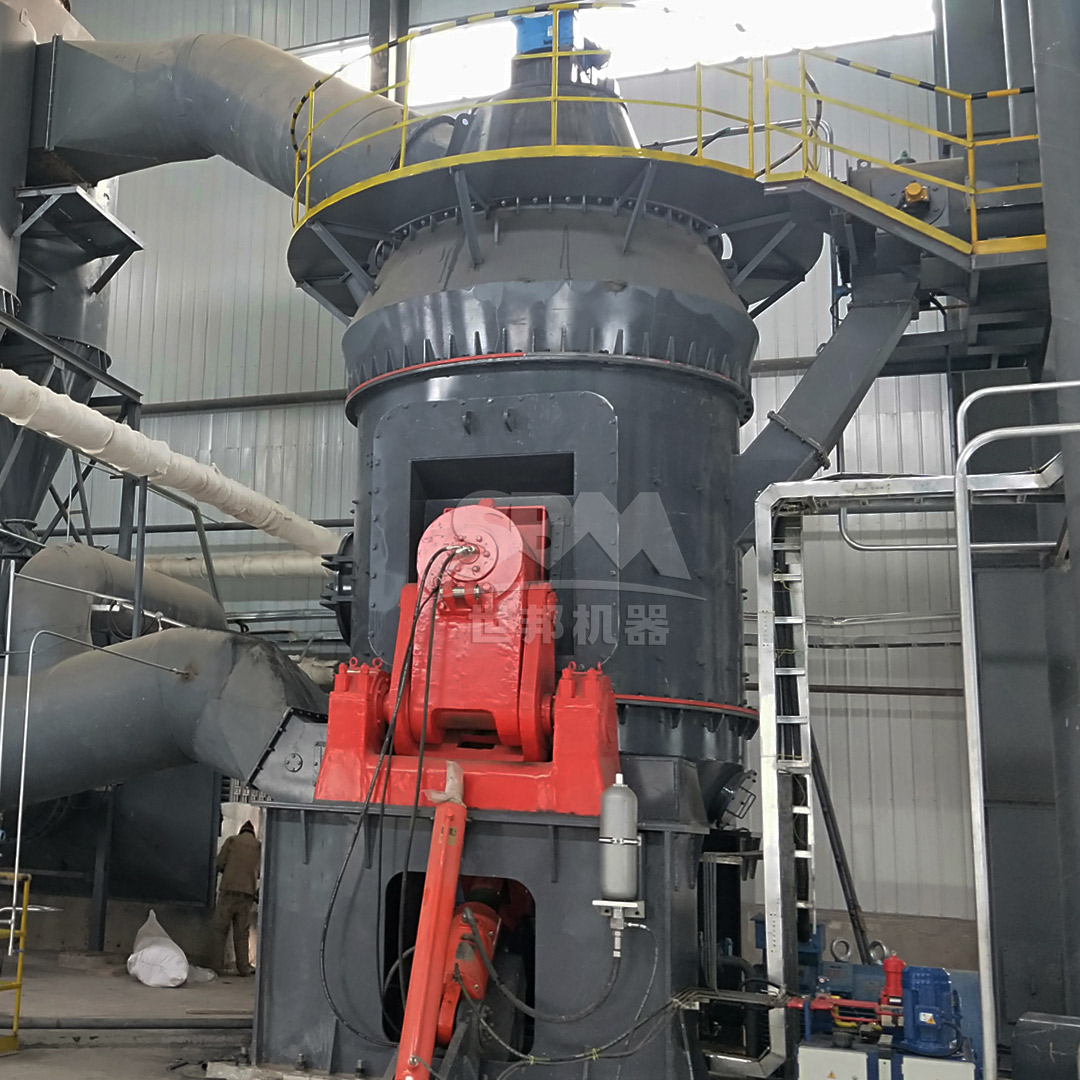
Vertical Roller Mills (VRM) and Trapezium Mills are highly efficient for this range. They operate on the principle of bed compression, where multiple rollers press against a rotating table. This method offers significant advantages for vanadium slag:
- High Energy Efficiency: Direct grinding on the bed with external classification reduces energy waste.
- Integrated Drying: Hot gas can be introduced to dry moist feed simultaneously.
- Large Capacity: Suitable for high-tonnage processing lines.
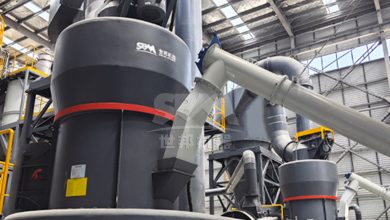
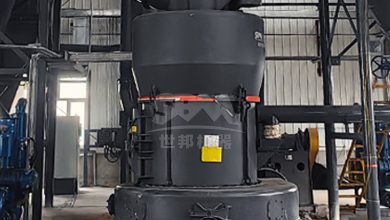
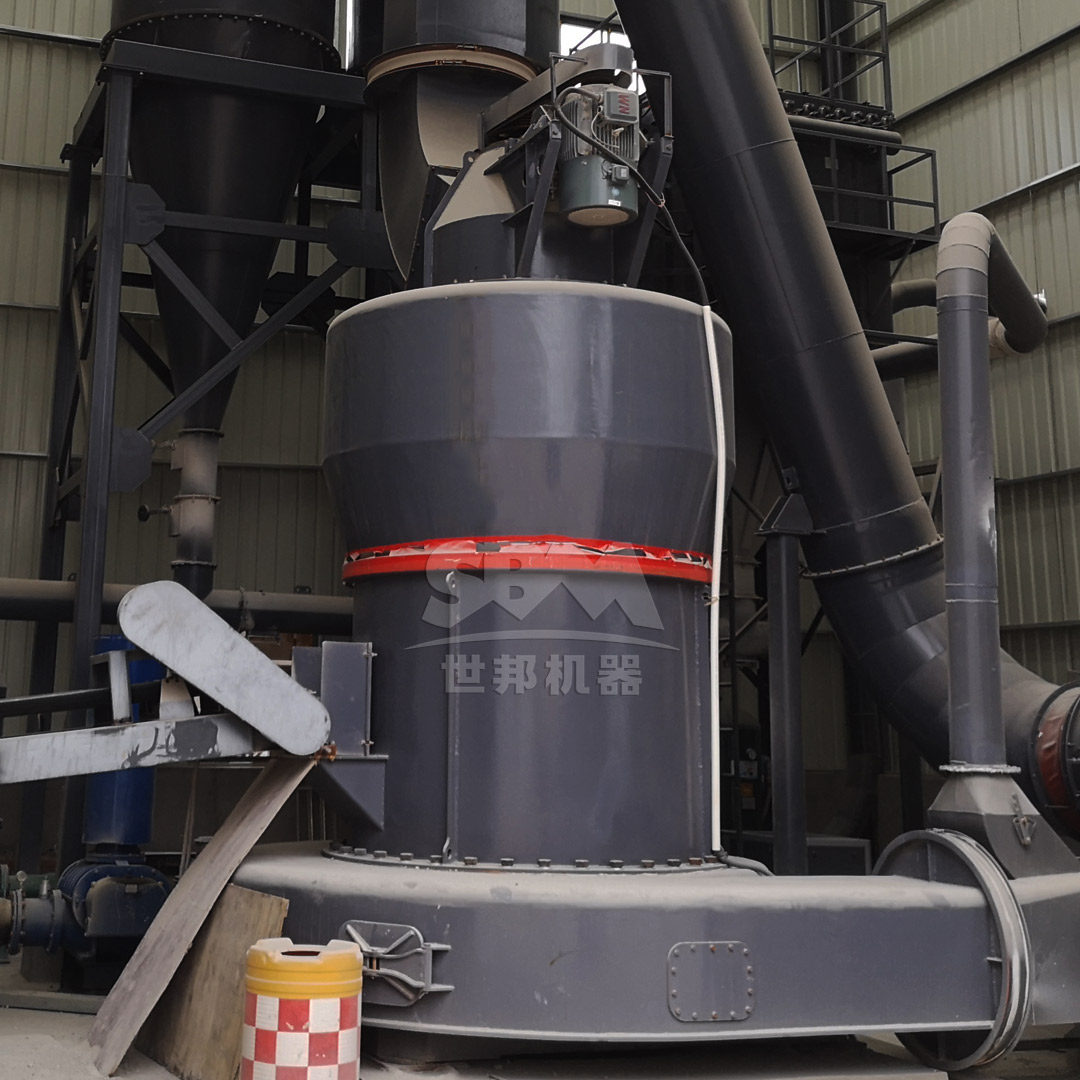
For robust and high-capacity fine grinding applications, our MTW Series Trapezium Mill is an excellent choice. Its advanced features directly address the challenges of vanadium slag processing. The curved air duct minimizes flow resistance and pressure loss, enhancing overall system efficiency. The integral transmission with bevel gears ensures stable, high-efficiency power transfer (up to 98%), crucial for handling hard materials. Furthermore, its modular wear-resistant components, like the combined shovel blades, significantly reduce maintenance costs and downtime associated with abrasive wear.
3. For Ultra-fine Grinding (325-2500 mesh / 5-45μm)
This is often the final and most critical stage for optimal vanadium liberation. Ultrafine Mills are specifically designed for this purpose.
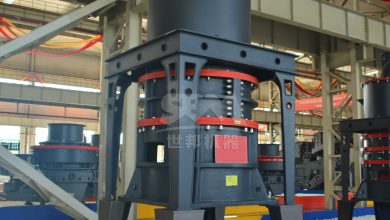
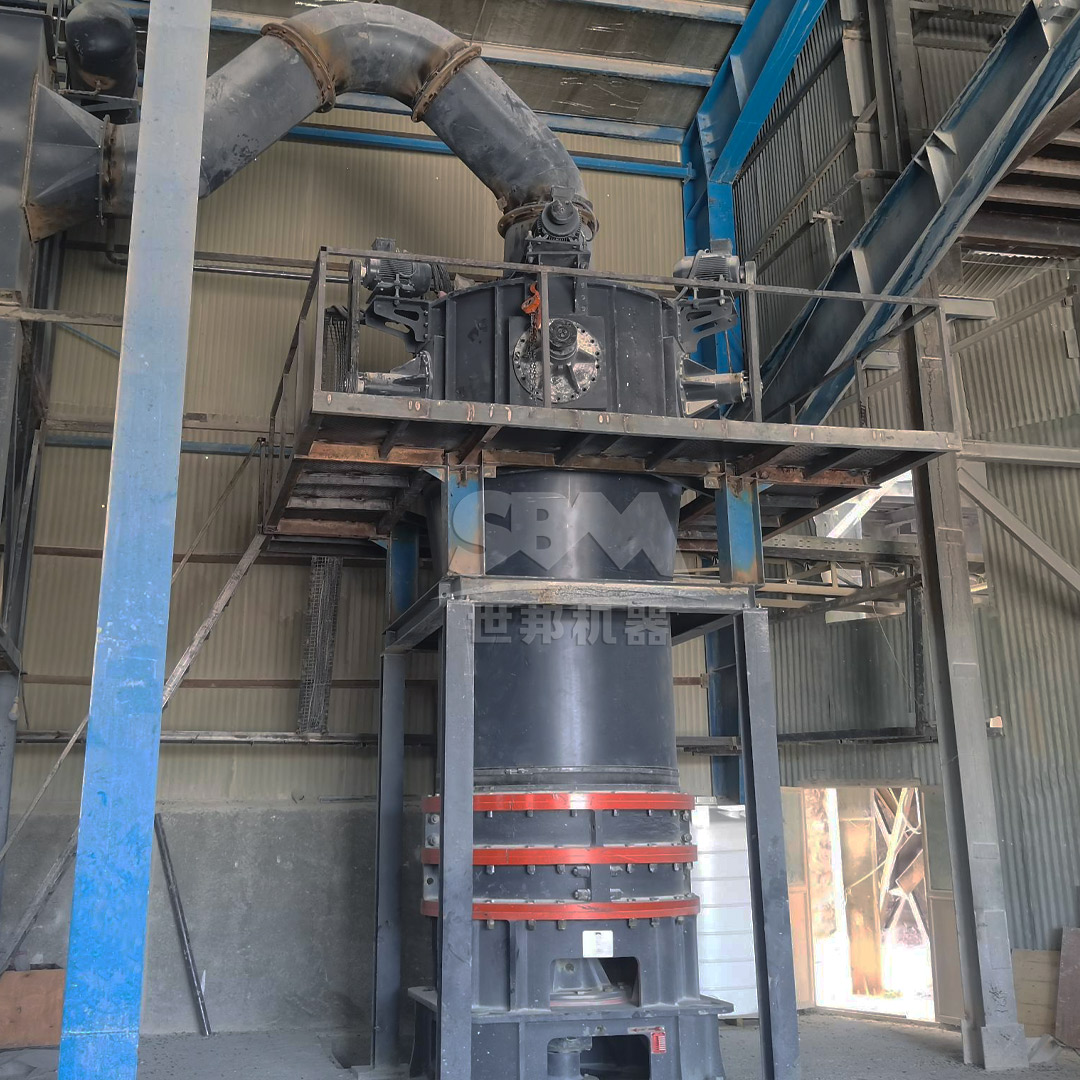
We highly recommend our flagship SCM Ultrafine Mill for vanadium slag processing demanding ultra-fine products. Its design is tailored for efficiency and precision in this challenging range. The mill boasts an energy consumption reduction of up to 30% compared to traditional jet mills while offering double the output capacity. The key to its performance is the high-precision vertical turbine classifier, which ensures sharp particle size cuts and a uniform final product without coarse grain contamination—a critical factor for consistent leaching performance. The grinding rollers and ring are made from special wear-resistant materials, extending service life dramatically when processing abrasive vanadium slag. The fully automated system with intelligent control maintains stable product fineness with minimal operator intervention.
Recommended Process Flow and Equipment Matching
A typical, efficient vanadium slag grinding circuit might involve:
- Primary Crushing: Jaw crusher or hammer mill to reduce slag to <30-50mm.
- Intermediate Storage & Feeding: Controlled feeding to the fine grinding mill.
- Fine/Ultra-fine Grinding & Classification: The core stage. A Vertical Roller Mill (e.g., MTW Series) can be used to grind to a base fineness (e.g., 100 mesh). For ultra-fine requirements, the product can be further processed in an SCM Ultrafine Mill in a closed circuit with its high-efficiency classifier to achieve the target 400-800 mesh or finer.
- Product Collection & Dedusting: Cyclone separators followed by high-efficiency pulse jet bag filters (integrated with both MTW and SCM mills) ensure >99.9% collection efficiency and environmentally safe operation.
Conclusion
Selecting the optimal grinding mill for vanadium slag is a strategic decision that balances product fineness, capacity, operational cost, and reliability. For high-tonnage fine grinding, robust technologies like the MTW Series Trapezium Mill offer efficiency and durability. For the final ultra-fine grinding stage critical to maximizing vanadium recovery, the SCM Ultrafine Mill stands out with its exceptional classification accuracy, energy savings, and wear resistance. A well-designed circuit incorporating the right mill technology is fundamental to building a profitable and sustainable vanadium slag processing operation.