How to Remove Iron from Nickel Slag in Vertical Mill?
Introduction
The efficient processing of nickel slag, a significant by-product of nickel smelting, presents both a challenge and an opportunity for resource recovery and environmental sustainability. A primary technical hurdle in this process is the removal of residual iron content, which can compromise the quality and value of the final ground product. Vertical roller mills (VRMs) have emerged as a superior technology for this application, offering not only efficient grinding but also inherent advantages in impurity separation. This article delves into the mechanisms of iron removal within vertical mills and explores best practices for optimizing this process.
The Challenge of Iron in Nickel Slag
Nickel slag typically contains various metal oxides, including silica, alumina, calcium oxide, and residual iron in the form of magnetite (Fe3O4), hematite (Fe2O3), or metallic iron particles. High iron content can be detrimental for several reasons:
- Product Quality: Iron contamination can lower the chemical purity of slag powder used in cementitious applications or as a filler material.
- Equipment Wear: Hard, metallic iron particles accelerate the wear of grinding components.
- Downstream Processing: In some recovery processes, iron needs to be separated to concentrate other valuable elements.
Therefore, an effective iron removal strategy is integral to the nickel slag grinding circuit.
Iron Removal Mechanisms in Vertical Roller Mills
The design and operation of a vertical mill create a favorable environment for separating iron from the bulk slag material. The key mechanisms are:
1. Gravity Concentration and Discharge
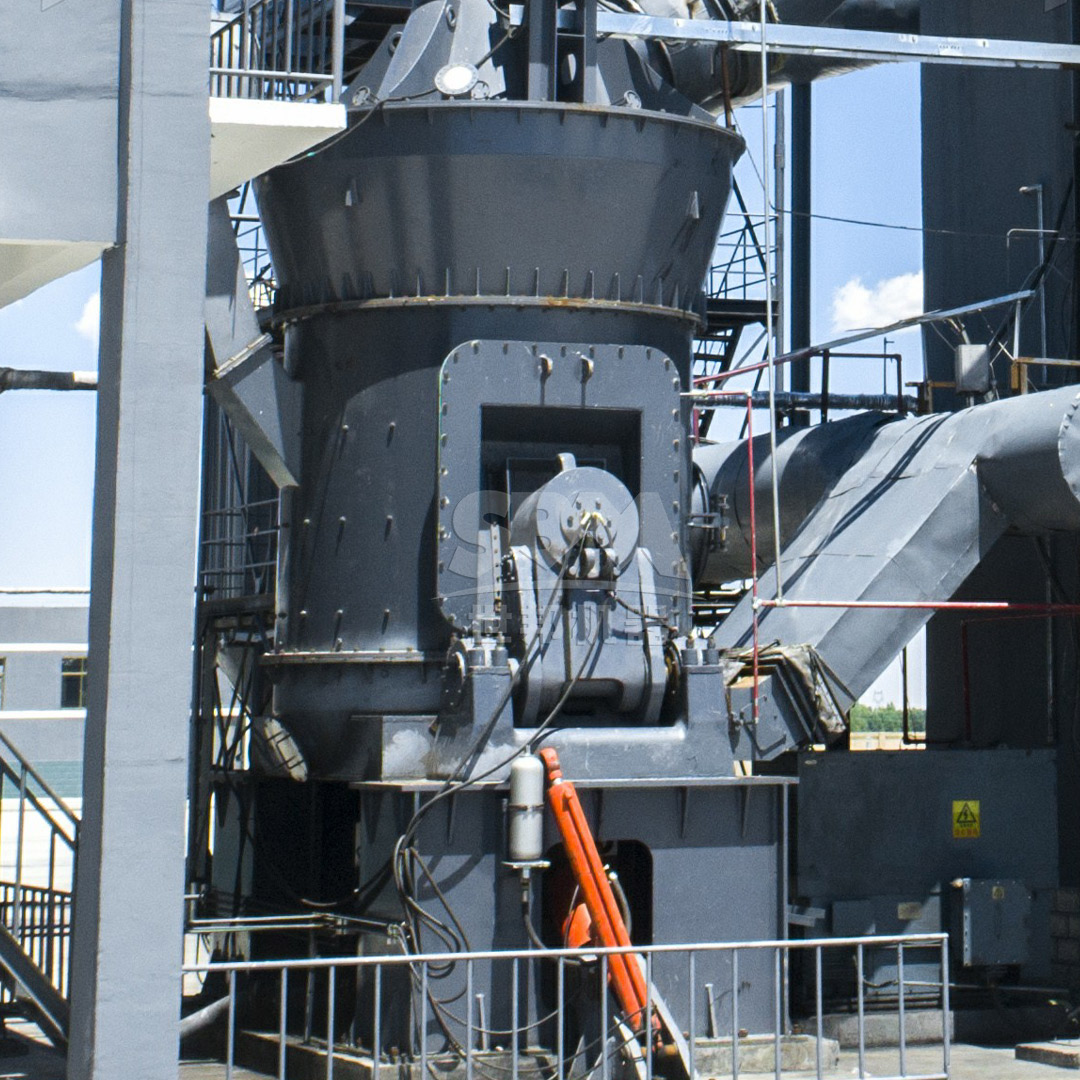
In a VRM, the material is ground between rollers and a rotating table. Denser iron particles tend to migrate towards the bottom of the grinding bed. Many modern VRMs are equipped with a mechanical scraper or wind-swept plate at the periphery of the grinding table. This device actively scrapes off harder, heavier, and often coarser material that accumulates at the edge, which frequently includes a higher concentration of iron particles. This scraped material can be diverted to a separate discharge system, effectively removing a portion of the iron.
2. Magnetic Separation Integration
The most direct and effective method is integrating magnetic separation into the grinding circuit. This can be implemented at two key stages:
- Pre-Grinding Removal: A magnetic separator (drum or pulley type) can be installed on the feed conveyor to remove liberated metallic iron before the slag enters the mill. This protects the grinding components.
- In-Process or Post-Grinding Removal: High-gradient magnetic separators can be installed in the gas stream of the VRM system or on the collected fine powder conveyor. As the ground slag is pneumatically transported, magnetic forces can extract fine iron-bearing particles.
3. Air Classification and Selective Grinding
The internal dynamic classifier of a VRM plays a crucial role. Iron particles often have different grindability and density compared to the silicate matrix. They may report to the coarse fraction rejected by the classifier and be returned to the grinding bed. Over time, these harder particles may concentrate in the external material circulation. Proper adjustment of classifier speed and mill airflow can help in segregating these particles, making them more accessible for removal via the scraper system.
Optimizing Vertical Mill Operation for Iron Removal
To maximize iron removal efficiency, operational parameters must be finely tuned:
- Grinding Pressure: Optimal pressure ensures efficient comminution without excessively embedding iron particles into softer material.
- Airflow and Classifier Speed: These parameters control the particle residence time and cut point, influencing the segregation behavior of iron.
- Feed Rate and Uniformity: A stable and consistent feed promotes stable bed formation, which is crucial for consistent scraper action and separation.
- Scraper Adjustment: Regular maintenance and correct positioning of the scraper are essential for effective discharge of the iron-rich tailings.
Recommended Equipment: LM Series Vertical Slag Mill
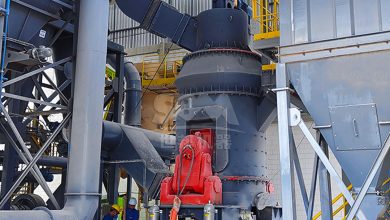
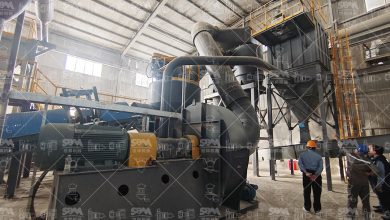
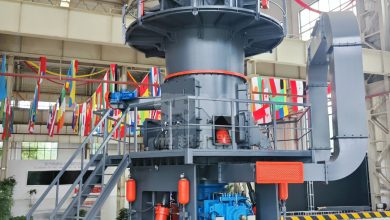
For the demanding task of grinding nickel slag with integrated impurity management, our LM Series Vertical Slag Mill is an exemplary solution. Specifically engineered for slag processing, it incorporates features that directly address the iron removal challenge.
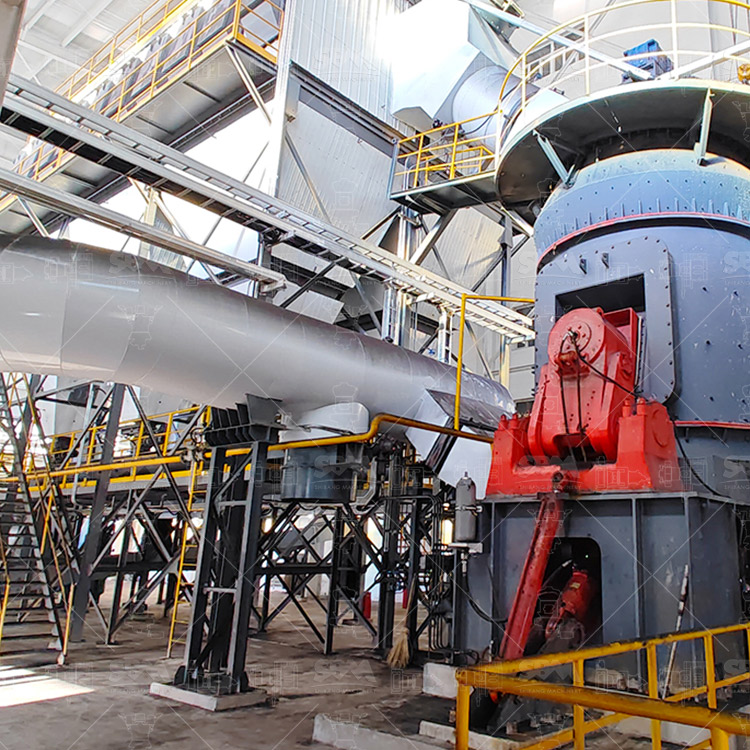
Its technical advantages include:
- Robust Design for Abrasive Materials: The磨辊 (grinding roller) and磨盘 (grinding table) utilize special wear-resistant alloys, offering extended life even in the presence of iron particles. The磨辊 can be swung out hydraulically for easy maintenance.
- Efficient External Material Circulation System: The mill is designed to handle a high volume of coarse rejects from the classifier. This system naturally concentrates harder, denser components like iron, which can be monitored and purged.
- Integrated Scraper System: Equipped with an effective wind-swept plate/scraper system to continuously remove iron-rich debris from the grinding table periphery.
- High Drying Capacity: Can handle slag with moisture content up to 15%, simplifying the overall process flow.
- Proven Performance: Models like the LM220N offer capacities from 20-26 t/h, producing slag powder with a specific surface area ≥420 m²/kg, ideal for cement blending.
The LM Vertical Slag Mill’s集约化设计 (integrated design) combines grinding, drying, classifying, and conveying, making it easier to incorporate auxiliary iron removal devices like magnetic separators into a compact, efficient plant layout.
Secondary Fine Grinding & Final Purification: SCM Ultrafine Mill
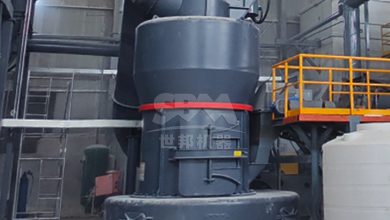
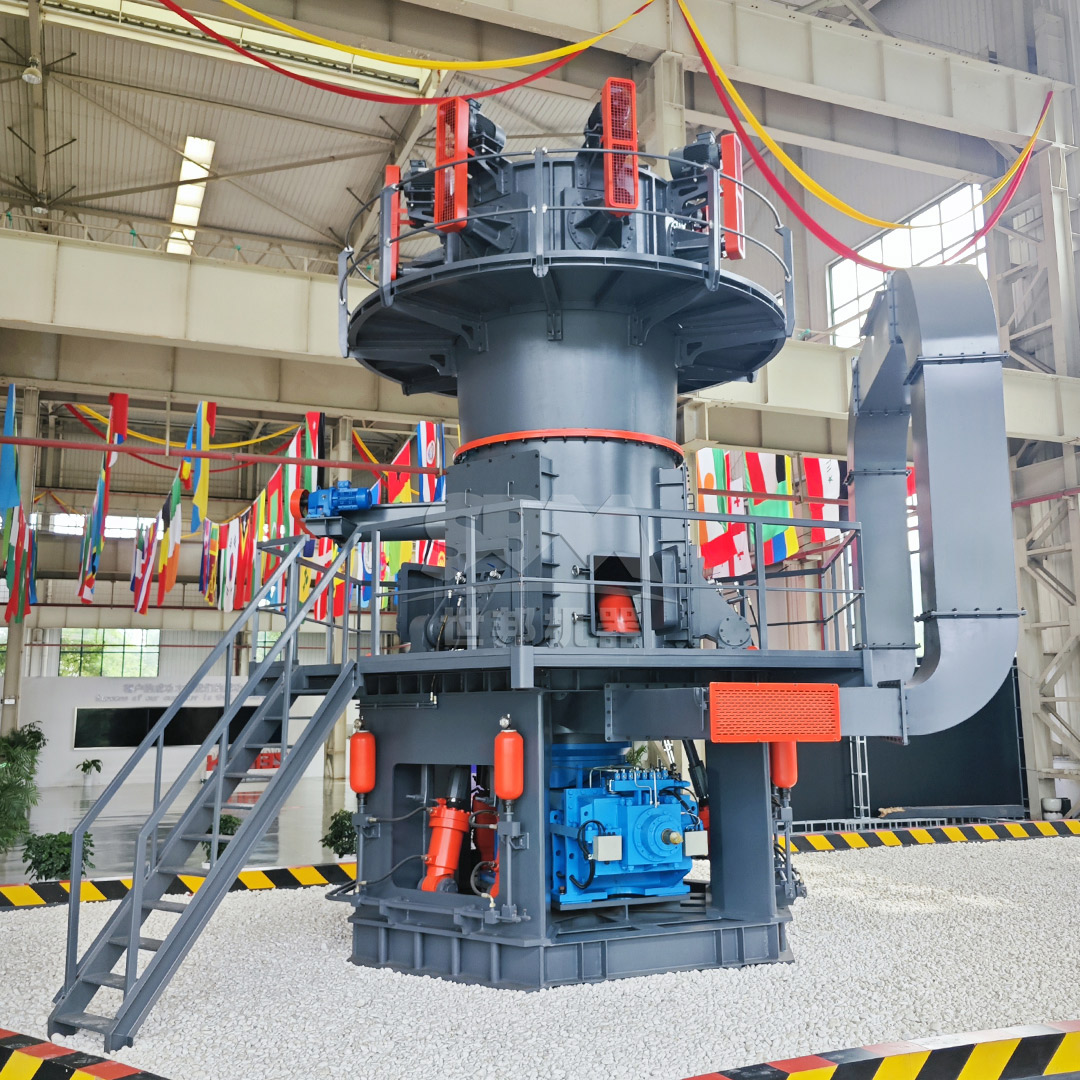
For applications requiring ultra-fine nickel slag powder (e.g., high-value fillers, advanced ceramics), and where final, trace-level iron removal is critical, a secondary grinding stage is recommended. Our SCM Series Ultrafine Mill is perfectly suited for this role.
While its primary function is achieving fineness up to 2500 mesh (D97 ≤5μm), its design aids in final purification:
- High-Precision Turbine Classification: The vertical turbine classifier ensures extremely sharp particle size cuts. Any remaining, finely disseminated iron-containing particles with different densities can be potentially separated at this precise classification stage.
- Clean Product Stream: The mill’s efficient collection system (cyclone + pulse dust collector) produces a uniform product with minimal risk of coarse particle (and thus potential iron particle) contamination.
- Positive Pressure Operation & Sealing: This design minimizes the chance of external contamination and allows for a controlled atmosphere, which can be beneficial if specialized separation techniques are employed downstream of the mill.
Using an SCM Ultrafine Mill, such as the SCM1000 model (1.0-8.5 t/h, 132kW), after primary grinding and bulk iron removal in an LM Slag Mill, enables the production of high-purity, ultra-fine slag products with tightly controlled properties.
Conclusion
Removing iron from nickel slag during grinding is a multi-faceted process that leverages the inherent physics of vertical roller milling. Through a combination of gravity-driven segregation, mechanical discharge systems, and strategic integration of magnetic separation, VRMs can significantly reduce iron content in the final product. Selecting the right equipment is paramount. Our LM Series Vertical Slag Mill provides a robust, integrated primary grinding solution with features built for impurity management, while the SCM Ultrafine Mill offers the precision needed for final fine grinding and product purification. Together, they form a complete, efficient, and effective circuit for transforming nickel slag into a high-value, low-iron resource.