How to Reduce Noise from Micro Powder Raymond Mill
Introduction: The Challenge of Noise in Powder Grinding Operations
Micro Powder Raymond Mills, as a cornerstone of modern fine powder processing, are renowned for their efficiency and precision. However, the high-speed mechanical action, material impact, and airflow dynamics inherent to their operation inevitably generate significant noise. Excessive noise not only poses health risks to operators, including hearing loss and increased stress, but also violates increasingly stringent workplace and environmental regulations. Furthermore, noise often indicates energy waste, vibration, and potential mechanical wear, impacting overall equipment longevity and operational costs. Therefore, implementing a comprehensive noise reduction strategy is not merely a regulatory compliance issue but a critical step towards sustainable, efficient, and worker-friendly industrial production.
1. Identifying the Primary Noise Sources
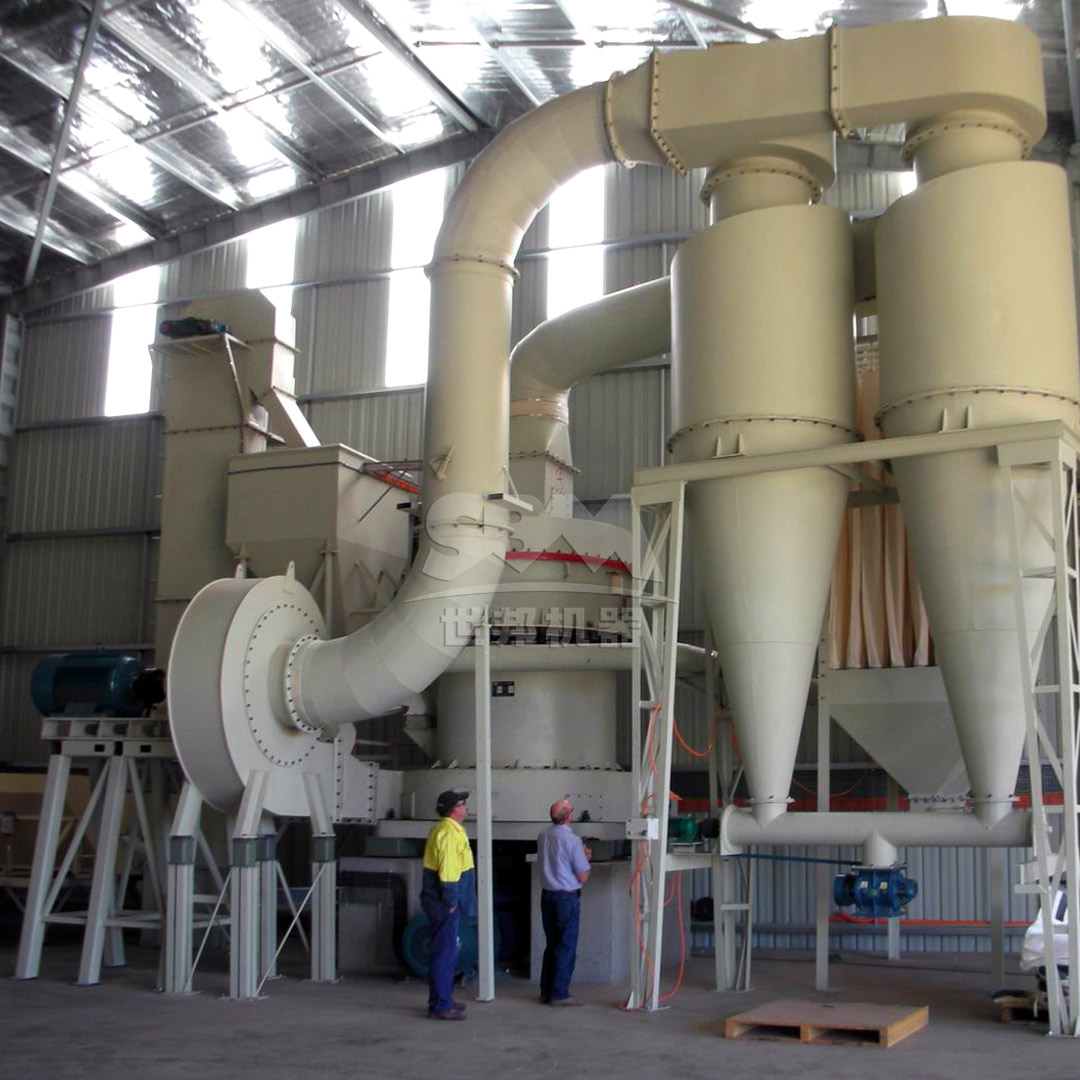
Effective noise control begins with a precise diagnosis of its origins. In a Raymond Mill system, noise is typically generated from multiple, often overlapping, sources:
- Mechanical Noise: This originates from the grinding mechanism itself—the contact and rolling between grinding rollers and the grinding ring, gear meshing in the transmission system, and imbalances in rotating components like the main shaft and classifier rotor.
- Airflow & Aerodynamic Noise: The high-velocity air used for material conveying and classification within the fan, air ducts, and cyclone separator creates turbulent noise and whistling. This is often a dominant mid-to-high-frequency noise source.
- Impact Noise: The collision of feed material (especially oversized or hard lumps) with internal components like the shovel, grinding roller, and housing generates sharp, impulsive sounds.
- Structural-Borne Noise & Vibration: Vibrations from the grinding action and motor are transmitted through the mill’s frame and foundation to connected structures, radiating noise over a wider area.
2. Core Strategies for Noise Reduction at the Source
The most effective approach is to minimize noise generation from its origin through superior engineering and operational practices.
2.1 Optimizing Grinding Mechanics and Component Design
The heart of the mill is its grinding assembly. Innovations here yield direct noise benefits:
- Precision Manufacturing and Balancing: Ensuring perfect dynamic balance of the grinding roller assembly and classifier rotor eliminates vibration, a major precursor to noise.
- Advanced Material Science: Utilizing specially formulated, high-wear-resistance alloys for rollers and grinding rings not only extends service life but also maintains smoother grinding surfaces for longer, reducing irregular grinding noise caused by pitting and wear.
- Innovative Transmission Systems: Replacing traditional gear drives with integrated conical gear transmission (as seen in advanced models) can increase transmission efficiency to over 98% while significantly reducing gear meshing noise and vibration.
2.2 Advanced Airflow and System Design
Reducing aerodynamic noise involves smoothing the path of air:
- Optimized Air Duct Geometry: Implementing curved or volute air passages with non-resistance designs minimizes air turbulence and pressure loss, thereby lowering wind noise. Reinforced wear plates protect these ducts, maintaining their noise-optimized profile.
- High-Efficiency, Low-Noise Fans: Selecting fans with backward-curved blades designed for specific system pressure and flow requirements operates more quietly than standard radial fans.
- Intelligent System Integration: A well-designed, airtight system prevents air leakage, which can create whistling noises, and ensures the fan operates at its optimal efficiency point.
3. Path Interruption: Containment and Absorption
When source noise cannot be eliminated entirely, containing its propagation is key.
3.1 Acoustic Enclosures and Insulation
Building partial or full enclosures around the mill, fan, and motor is highly effective. These enclosures use composite panels with sound-absorbing liners (mineral wool, foam) and mass-loaded vinyl to block and dampen sound waves. Critical maintenance access points are fitted with acoustic doors and seals.
3.2 Internal Damping and Vibration Isolation
- Vibration Isolation Mounts: Installing anti-vibration pads or springs under the mill’s base and motor decouples the equipment from the foundation, drastically reducing structure-borne noise transmission.
- Damping Treatments: Applying constrained layer damping materials to large, flat surfaces of the mill housing (like the door panels) prevents them from resonating and amplifying noise.
- Flexible Connections: Using flexible bellows or connectors in all piping and ductwork prevents vibration from traveling along these paths.
4. Operational and Maintenance Best Practices
Noise control is an ongoing process dependent on correct operation.
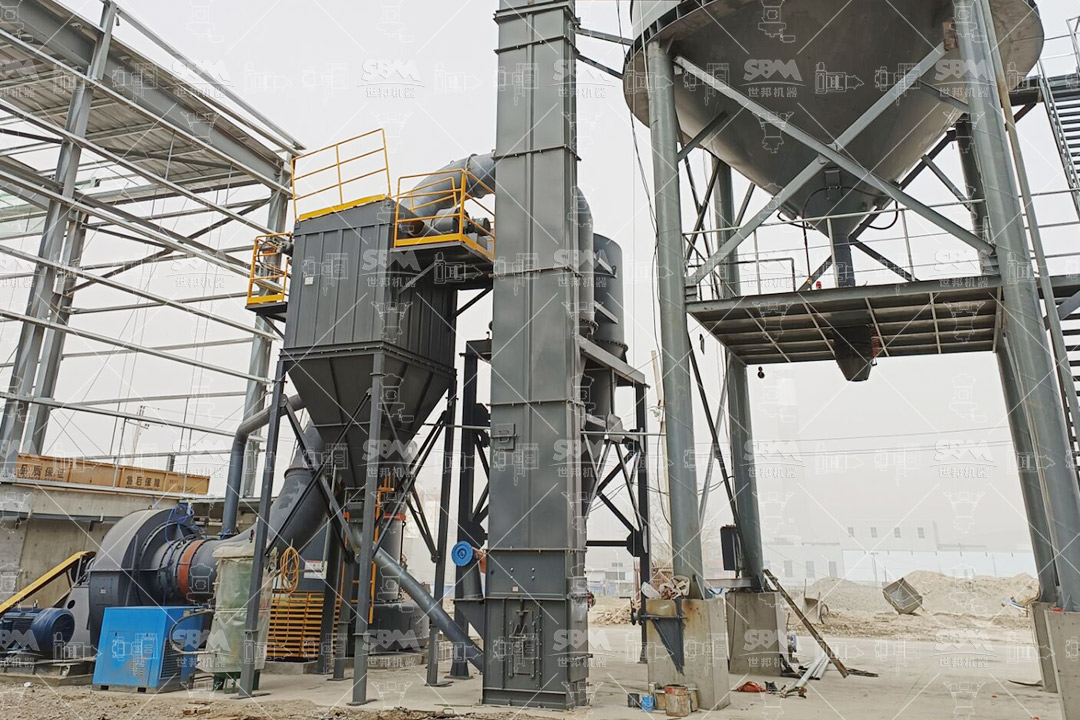
- Stable and Controlled Feeding: Using automated feeders to ensure a consistent, optimal feed rate prevents overloading and the severe impact noise from large, sporadic lumps. Pre-crushing feed material to the mill’s specified maximum size is crucial.
- Preventive Maintenance Regime: Regular inspection and timely replacement of worn grinding components, shovel blades, and fan impellers prevent noise levels from escalating due to imbalance or inefficient operation. Proper lubrication of all bearings is essential.
- System Balancing and Alignment: Periodic checks and corrections of belt tension, shaft alignment, and classifier rotor balance maintain smooth, quiet operation.
5. Embracing Modern, Low-Noise Mill Technology
Ultimately, the most profound solution is to invest in grinding technology designed with noise reduction as a core principle from the ground up. Modern mill designs integrate the strategies mentioned above into a cohesive, high-performance package.
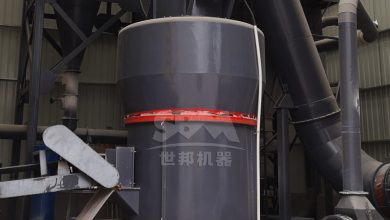
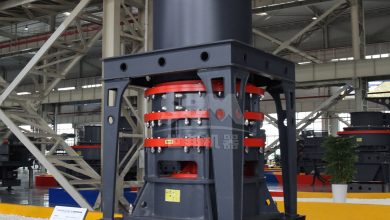
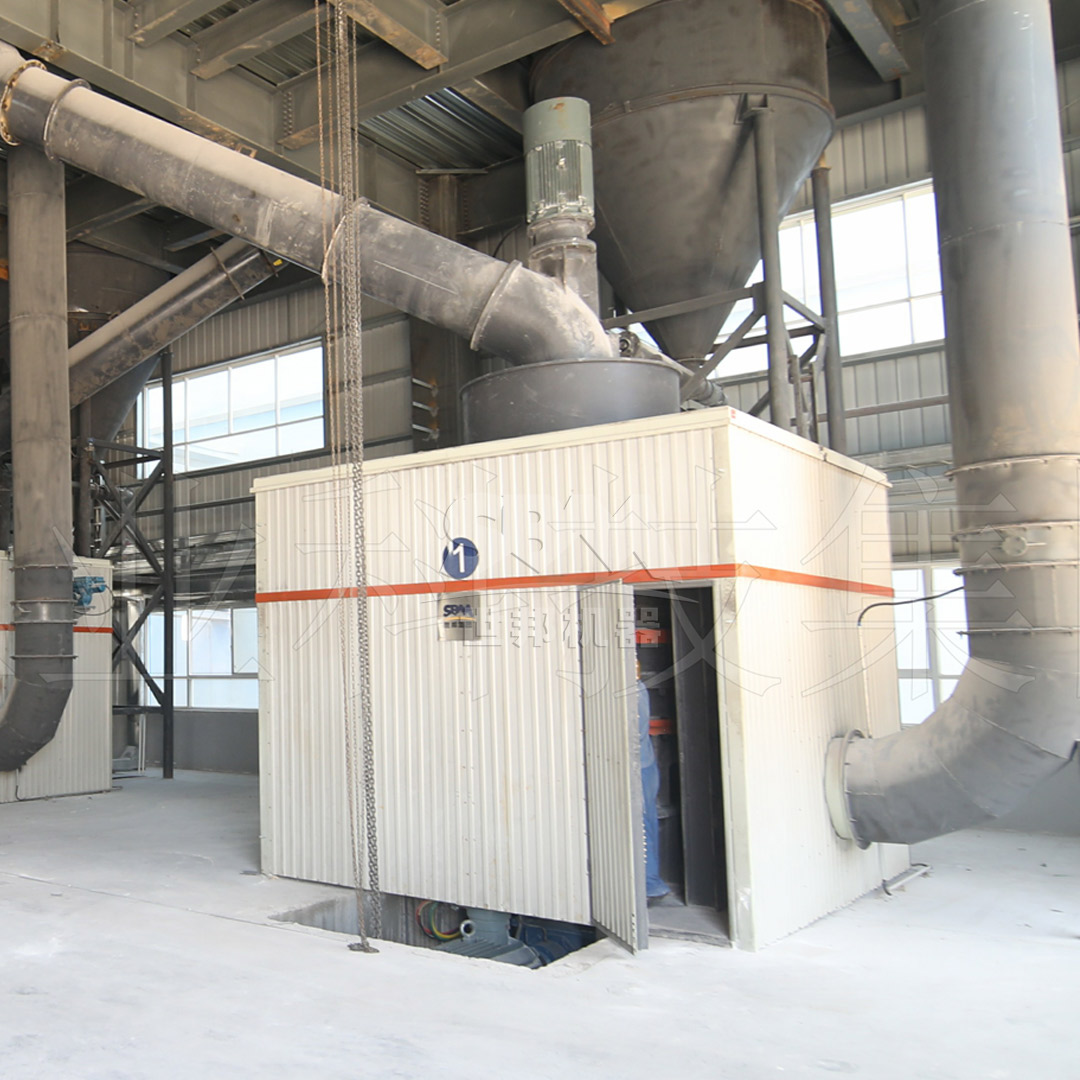
A prime example is our SCM Series Ultrafine Mill. This mill is engineered not only for exceptional fineness (producing powder from 325 to 2500 mesh) and energy efficiency (30% lower energy consumption than jet mills) but also for superior environmental performance. Its design incorporates a dedicated soundproofing chamber that encapsulates key noise-generating components. Combined with its precision-machined, durable grinding components and stable, bearingless screw grinding chamber design, the SCM Mill operates at a remarkably low noise level of ≤75 dB(A). This makes it an ideal choice for plants with strict in-plant noise regulations or those located near residential areas.
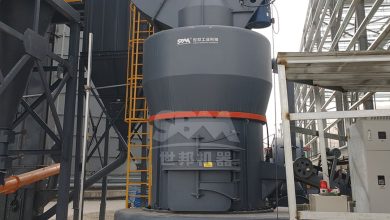
For operations requiring high capacity in the coarser fine powder range (30-325 mesh), our MTW Series European Trapezium Mill offers another excellent low-noise solution. It features a damping spring base and sealing belt system specifically designed to eliminate resonance and absorb operational vibrations. Its innovative curved air duct and volute casing are optimized for smooth airflow with minimal resistance, significantly reducing aerodynamic noise. These integrated features ensure high throughput (up to 45 tons/hour for the largest model) is achieved without the typical high noise footprint.
Conclusion: A Holistic Approach to Quieter Grinding
Reducing noise from a Micro Powder Raymond Mill is a multi-faceted endeavor that combines source control, path interruption, diligent maintenance, and, most effectively, the adoption of next-generation milling technology. By understanding the noise origins and implementing a layered strategy—from proper feeding and maintenance to considering advanced mills like the SCM Ultrafine Mill or MTW European Trapezium Mill—operators can achieve a safer, more compliant, and more productive working environment. The investment in noise reduction pays dividends not only in regulatory compliance but also in enhanced equipment reliability, lower energy costs, and improved worker well-being.