How to Recycle and Reuse Bauxite Tailings: Sustainable Processing Methods
Introduction: The Challenge and Opportunity of Bauxite Tailings
The global aluminum industry generates vast quantities of bauxite tailings, also known as red mud, as a byproduct of the Bayer process. Historically, these tailings have been a significant environmental liability, stored in large impoundments that pose risks of land degradation, water contamination, and dust pollution. However, with the growing emphasis on the circular economy and sustainable resource management, bauxite tailings are increasingly viewed not as waste, but as a valuable secondary resource. This article explores advanced, sustainable processing methods for recycling and reusing bauxite tailings, transforming an environmental challenge into an economic and ecological opportunity.
Composition and Characteristics of Bauxite Tailings
Understanding the material is the first step towards its valorization. Bauxite tailings are a complex, fine-grained slurry with high alkalinity (pH 10–13). Their composition varies based on the source bauxite but typically includes:
- Iron oxides (Fe2O3): 20-60%, giving the material its characteristic red color.
- Aluminum oxides (Al2O3): 10-30%, representing unextracted alumina.
- Silicon dioxide (SiO2): 3-20%, present in various silicate phases.
- Titanium dioxide (TiO2): 2-15%, a potentially valuable component.
- Residual caustic soda (NaOH): The primary source of alkalinity.
- Trace elements: Scandium, gallium, rare earth elements (REEs) in varying concentrations.
The material is often highly abrasive, moist, and requires dewatering and size reduction before further processing. Its fineness and chemical reactivity are key factors in determining suitable recycling pathways.
Key Processing Pathways for Valorization
The sustainable processing of bauxite tailings involves a multi-stage approach, from initial dewatering and pre-treatment to final application-specific refinement.
1. Dewatering and Pre-treatment
Fresh tailings are a slurry with high moisture content. Efficient dewatering through thickeners, filter presses, or vacuum belt filters is crucial to reduce volume, facilitate handling, and lower transportation costs. Neutralization or washing to reduce alkalinity is often necessary for many downstream applications, using seawater, CO2, or acidic waste streams.
2. Size Reduction and Beneficiation
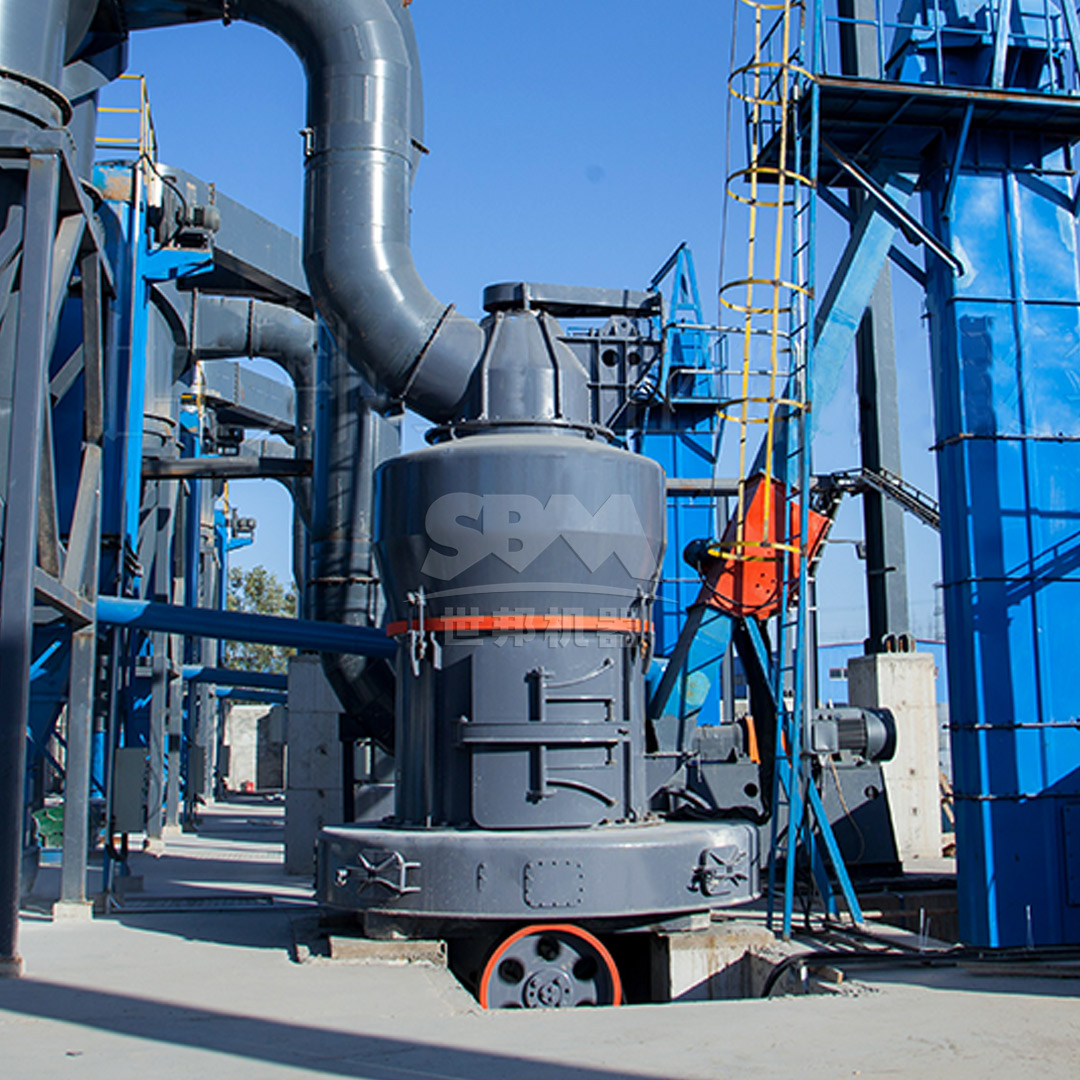
To liberate valuable minerals and create a uniform feedstock for subsequent processes, controlled size reduction is essential. This step often involves crushing and grinding to specific particle size distributions. For applications requiring ultra-fine powders, such as supplementary cementitious materials or advanced ceramics, achieving a consistent, micron-level fineness is paramount.
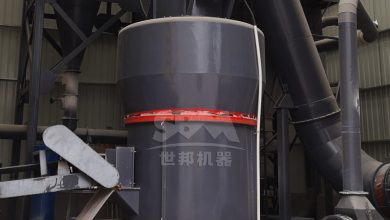
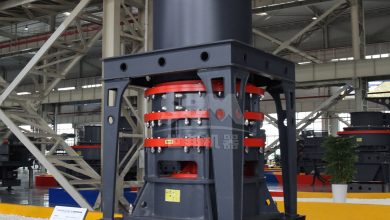
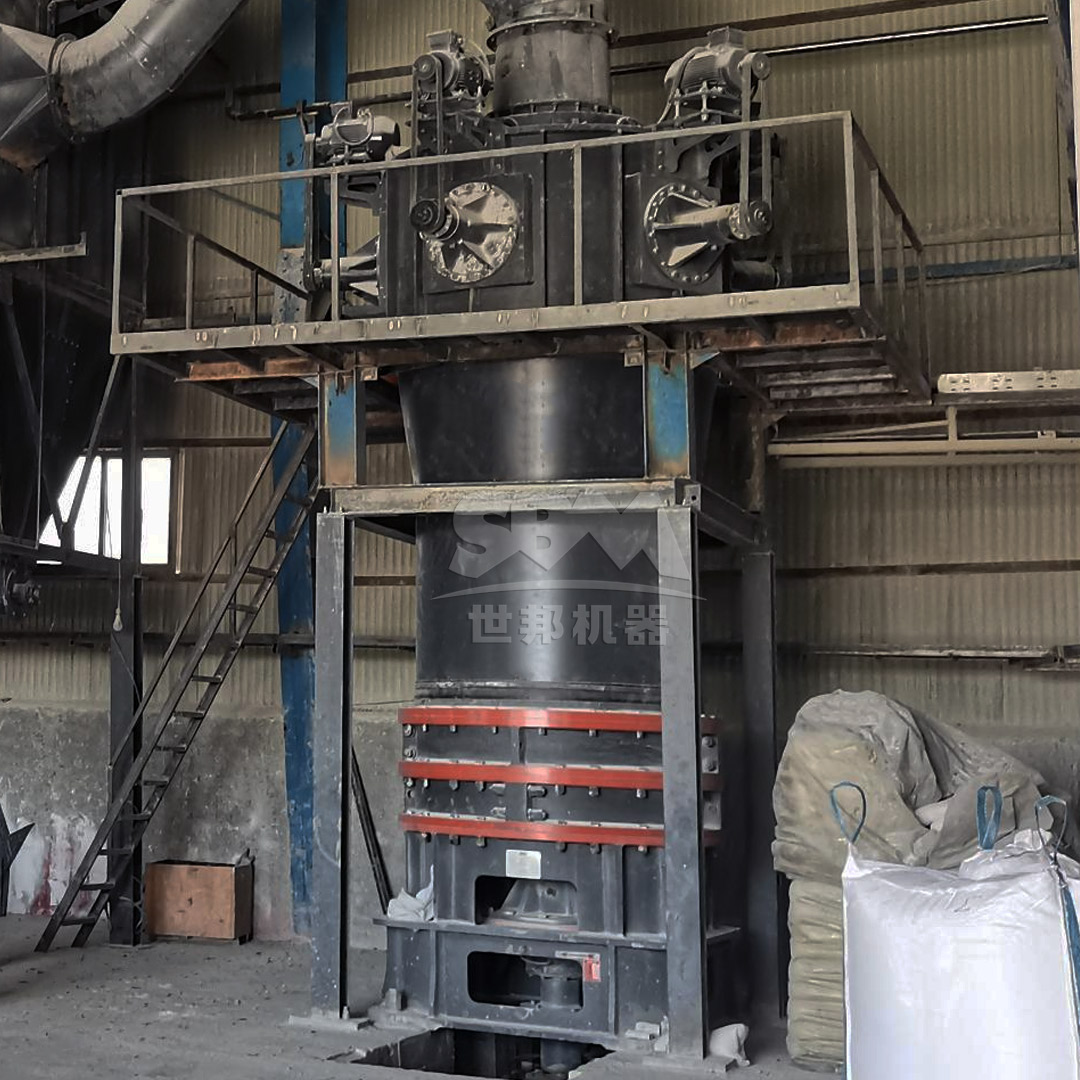
Here, advanced milling technology plays a critical role. For instance, our SCM Series Ultrafine Mill is exceptionally well-suited for this task. Capable of processing feed material up to 20mm and producing a consistent output in the range of 325-2500 mesh (D97 ≤5μm), it can transform dewatered tailings cakes into a highly reactive powder. Its high-precision vertical turbine classifier ensures a narrow particle size distribution without coarse particle contamination, while its energy-efficient design—consuming 30% less power than jet mills—makes the process economically viable. The mill’s durable construction with special material rollers and rings withstands the abrasive nature of the tailings, ensuring long-term operational stability.
3. Metal Recovery (Hydrometallurgy & Pyrometallurgy)
This pathway focuses on extracting residual metals of value:
- Iron Recovery: Magnetic separation can recover magnetite. For non-magnetic hematite, reduction roasting followed by magnetic separation or direct smelting in a blast furnace to produce pig iron are viable options.
- Scandium & Rare Earth Elements (REEs): These critical metals can be leached using acids (e.g., HCl, H2SO4) and subsequently recovered through solvent extraction or precipitation. This is a high-value, though complex, recovery stream.
- Alumina & Titanium: Further acid or alkali leaching processes can recover additional alumina and titanium dioxide.
4. Bulk Applications in Construction
This is the most promising route for large-volume consumption of tailings.
- Supplementary Cementitious Material (SCM): When finely ground, the silicate and aluminate phases in tailings can exhibit pozzolanic or latent hydraulic properties. They can partially replace Portland cement in concrete, reducing the carbon footprint of construction. The fineness and reactivity achieved by mills like the SCM Ultrafine Mill are crucial for this application.
- Aggregates and Ceramics: Sintering or vitrifying tailings with other additives can produce lightweight aggregates, bricks, tiles, and paving stones. This process neutralizes alkalinity and immobilizes heavy metals.
- Geopolymer Binder: The high alumina and silica content makes tailings an excellent precursor for geopolymer synthesis, an alternative to traditional cement with lower CO2 emissions.
5. Specialized Applications
Research is ongoing into higher-value uses:
- Catalysts and Adsorbents: The large surface area and specific mineralogy can be tailored for use in chemical catalysts or for wastewater treatment (e.g., phosphate, heavy metal removal).
- Soil Amendment: After thorough neutralization, tailings can be used to improve the physical properties of certain soils, though this requires careful management of trace elements.
- Pigments: The iron oxide content provides a source for red and brown pigments.
Integrated Processing Plant: A Systems Approach
A sustainable bauxite tailings reprocessing facility would integrate several of the above pathways. A typical flow might involve:
- Feed Preparation: Dewatering, coarse crushing, and pre-neutralization.
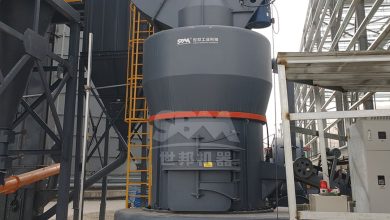
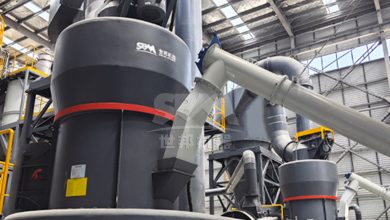
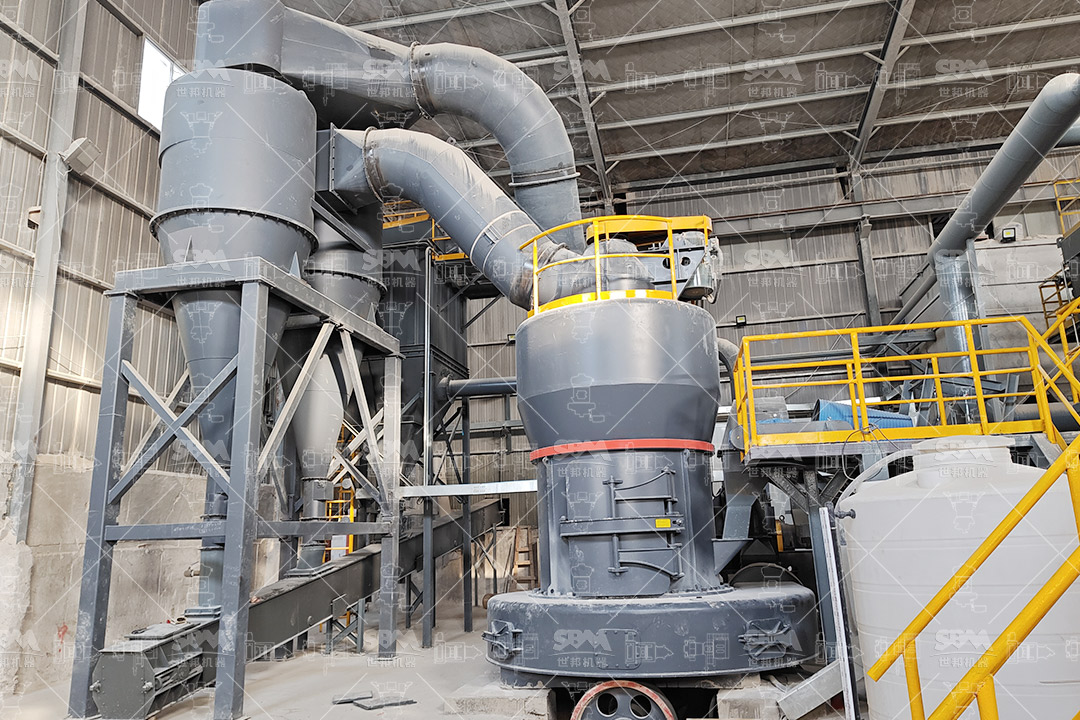
- Primary Grinding & Classification: For bulk construction applications requiring a coarser grind (e.g., 30-325 mesh), a robust and high-capacity mill is ideal. Our MTW Series Trapezium Mill is perfectly suited for this stage. With an input size of up to 50mm and a capacity ranging from 3 to 45 tons per hour, it can handle large volumes efficiently. Its curved air duct design minimizes energy loss, and the wear-resistant shovel design significantly reduces maintenance costs when processing abrasive materials like tailings. The integrated intelligent grading system ensures precise control over the final product size for consistent quality in cement or aggregate production.
- Metal Recovery Circuit: Magnetic separation for iron, followed by a hydrometallurgical plant for Sc/REE recovery from a fine fraction.
- Secondary Ultra-Fine Grinding: A dedicated circuit, potentially using the SCM Ultrafine Mill, to produce premium SCM or geopolymer precursor from the silicate-rich fraction.
- Sintering/Vitrification Line: For producing ceramics and aggregates.
Economic and Environmental Benefits
The adoption of these sustainable processing methods yields significant advantages:
- Waste Reduction & Liability Management: Dramatically decreases the volume of tailings requiring permanent storage, freeing up land and eliminating long-term environmental risks.
- Resource Conservation: Recovers valuable metals and creates useful construction materials, reducing the need for virgin resource extraction.
- Carbon Footprint Reduction: Using tailings as SCM directly lowers CO2 emissions from cement production. Geopolymer binders offer an even lower-carbon alternative.
- Economic Diversification: Creates new revenue streams from waste material and fosters new industries around resource recovery.
Conclusion: Towards a Zero-Waste Aluminum Industry
The recycling and reuse of bauxite tailings is no longer a theoretical concept but a practical imperative for a sustainable future. Success hinges on the development of integrated, multi-product processing flowsheets that are both technologically sound and economically feasible. Advanced size reduction and classification equipment, such as the MTW Series Trapezium Mill for high-capacity intermediate grinding and the SCM Series Ultrafine Mill for producing high-value, reactive powders, are critical enablers in this transformation. By investing in these technologies and processes, the aluminum industry can move decisively towards a circular model, turning its most prominent waste stream into a cornerstone of its sustainability and profitability.