How to Produce Ultra-Fine Aluminum Calcium Powder with an Aluminum Calcium Grinding Mill
Introduction
The production of ultra-fine aluminum calcium powder is a critical process in numerous advanced industries, including metallurgy, refractories, ceramics, and advanced composite materials. The unique properties of aluminum calcium alloys—such as their deoxidizing and desulfurizing capabilities in steelmaking, or their role as a fluxing agent—are significantly enhanced when the material is processed to a fine, uniform particle size. Achieving the desired fineness, typically in the range of 325 to 2500 mesh (5-45 microns), requires specialized grinding technology that balances efficiency, product quality, and operational cost. This article provides a comprehensive guide to producing ultra-fine aluminum calcium powder, focusing on the selection of appropriate grinding equipment and the optimization of the milling process.
Understanding the Material: Aluminum Calcium Alloy
Aluminum calcium (AlCa) alloys are intermetallic compounds with specific ratios of aluminum and calcium. Their inherent brittleness makes them suitable for mechanical comminution, but their precise grinding characteristics depend on the exact alloy composition, initial feed size, and desired final application. Key challenges in grinding AlCa include:
- Heat Sensitivity: Excessive heat generation during milling can lead to oxidation or undesirable phase changes.
- Ductility: While generally brittle, certain compositions may exhibit ductile behavior under stress, requiring shear and compression forces for effective size reduction.
- Purity Requirements: The grinding process must prevent contamination from grinding media or mill liners.
- Explosivity: Fine metal powders can be combustible; therefore, an inert grinding atmosphere or effective dust control is often necessary.
The Grinding Process: From Raw Material to Ultra-Fine Powder
The production line for ultra-fine AlCa powder typically involves several stages:
- Primary Crushing: Large ingots or lumps are reduced to a manageable size (≤20mm) using jaw crushers or hammer mills.
- Pre-Grinding (Optional): For higher capacity requirements, a pre-grinding stage using a coarse mill can increase overall system efficiency.
- Ultra-Fine Grinding: The core stage where the material is reduced to the target micron or sub-micron size.
- Classification: Integrated or external classifiers separate particles that have reached the target size from those requiring further grinding, ensuring a narrow particle size distribution.
- Collection & Dust Control: The finished powder is collected via cyclones and bag filters, with systems in place to ensure a clean, safe working environment.
Selecting the Right Grinding Mill: Key Considerations
Choosing the optimal mill is paramount. The ideal equipment should offer:
- High Grinding Efficiency & Low Energy Consumption: The ability to achieve fine particle sizes with minimal specific energy input.
- Precise Particle Size Control: A highly efficient classification system to guarantee the final product’s fineness and uniformity.
- Minimal Contamination: Wear parts made from special materials to prevent iron or other contamination of the AlCa powder.
- Thermal Management: Design features to manage heat buildup, such as cooling systems or air-swept operation.
- System Integration & Automation: A compact, automated system for stable, continuous operation with minimal manual intervention.
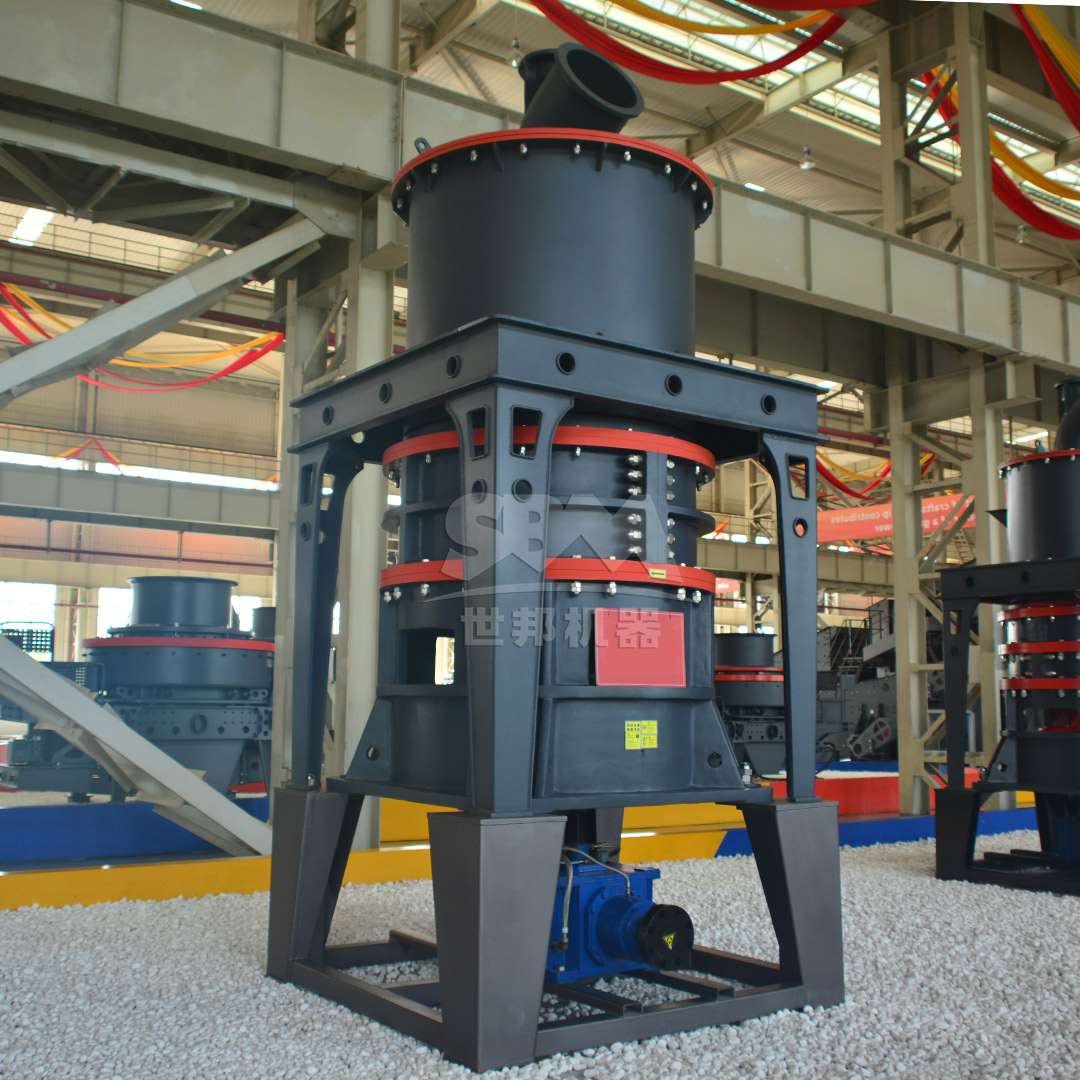
Recommended Solution: SCM Series Ultrafine Mill
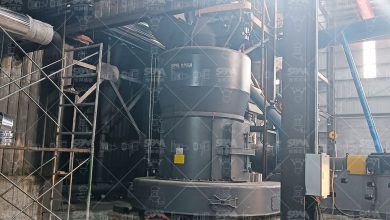
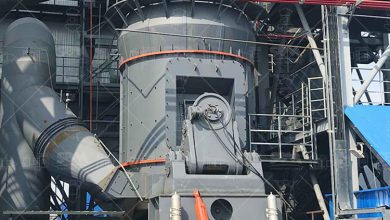
For the most demanding applications requiring ultra-fine aluminum calcium powder in the range of 325 to 2500 mesh (5-45μm), the SCM Series Ultrafine Mill represents the industry benchmark. Its design is specifically engineered to overcome the challenges associated with fine and ultra-fine grinding of metallic and non-metallic minerals.
Why the SCM Mill is Ideal for Aluminum Calcium:
- Superior Fineness & Uniformity: Equipped with a high-precision vertical turbine classifier, the SCM mill ensures precise particle size cutting. This results in a finished product with a narrow size distribution and no coarse powder mixing, which is critical for consistent performance in downstream applications.
- Exceptional Efficiency: The grinding principle utilizing multiple grinding rollers and rings provides a crushing force that is 1.2 times higher than other mills. This translates to a capacity that can be twice that of jet mills while consuming approximately 30% less energy, offering a significant operational cost advantage.
- Enhanced Durability & Purity: Critical wear parts like rollers and rings are made from special alloy materials, extending service life several times over and drastically reducing the risk of metallic contamination—a vital concern for high-purity AlCa powder.
- Intelligent & Eco-Friendly Operation: The mill features an intelligent control system with automatic finished product granularity feedback for consistent quality. Its fully sealed negative pressure system, coupled with a pulse dust collector exceeding 99.9% efficiency, ensures a dust-free workshop and protects the product from oxidation.
Core Parameters for AlCa Grinding (Model SCM1000 Example):
- Input Size: ≤20mm
- Output Fineness: 325-2500 mesh (adjustable)
- Capacity: 1.0 – 8.5 t/h
- Main Motor Power: 132 kW
Alternative for Coarser Requirements: MTW Series European Trapezium Mill
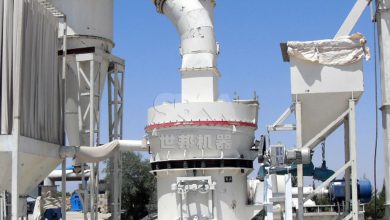
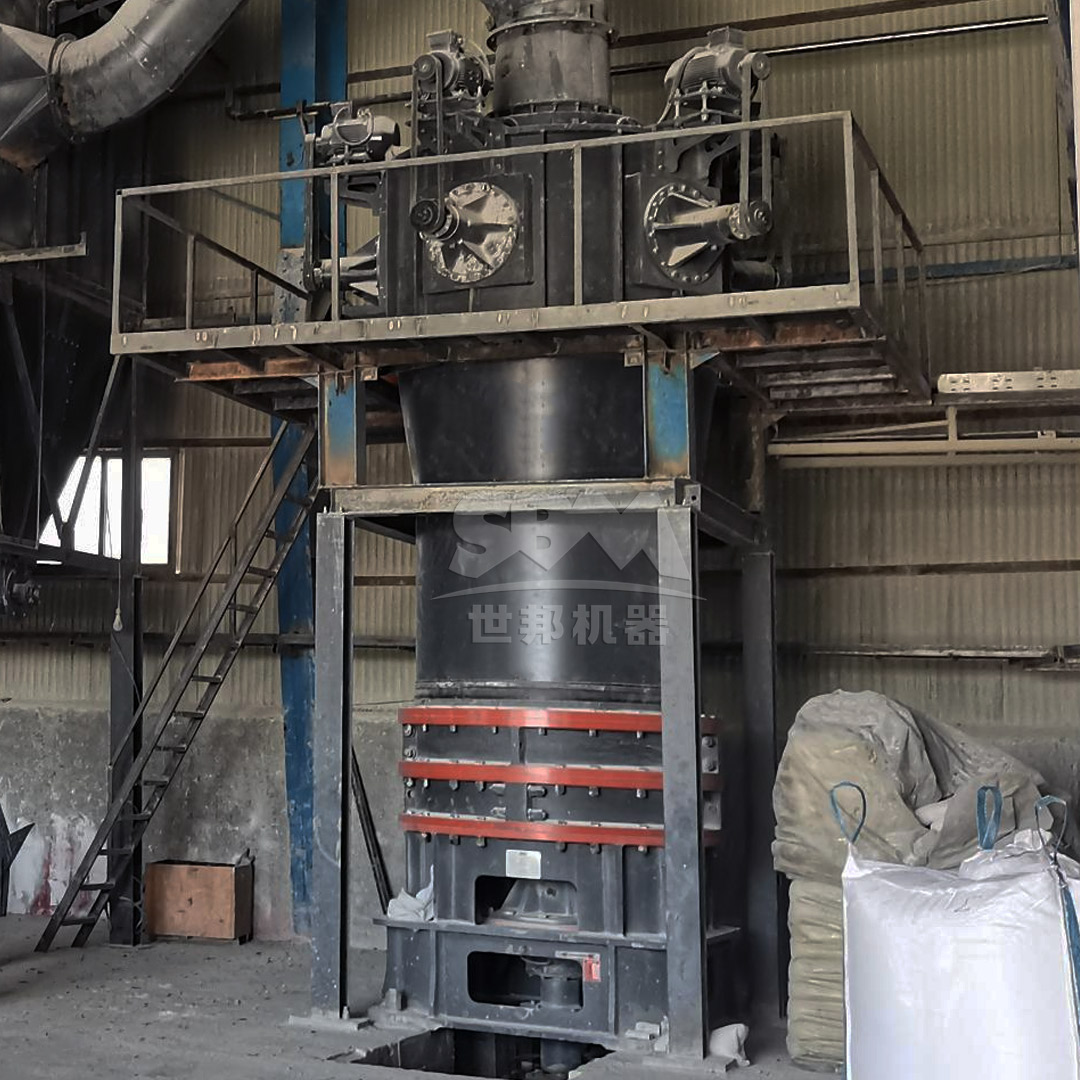
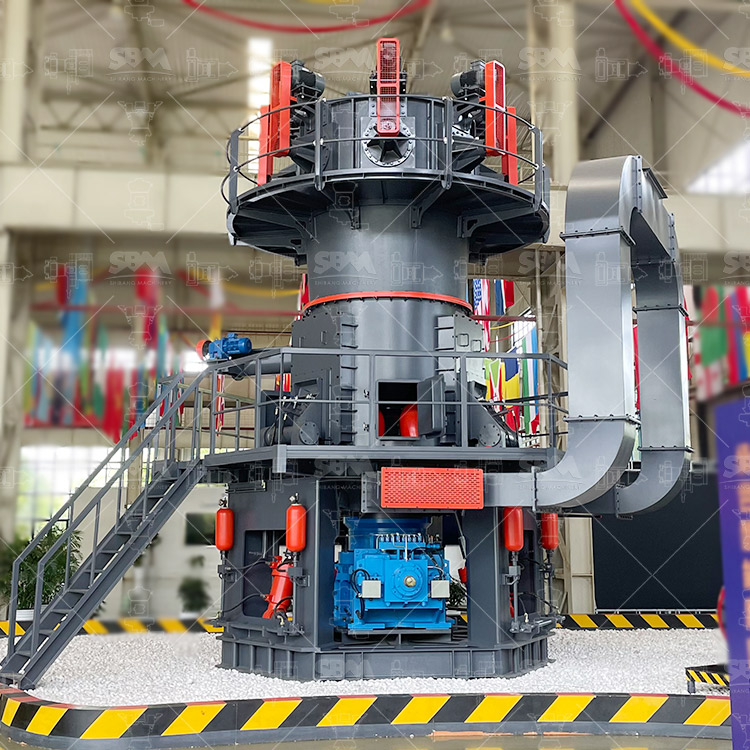
For projects where the target fineness is in the medium-fine range (30-325 mesh, or 600-45μm), or where the feedstock is larger, the MTW Series European Trapezium Mill is an excellent and robust choice. It serves as a perfect primary or secondary grinding unit in a multi-stage AlCa powder production line.
Advantages of the MTW Mill:
- High Capacity & Ruggedness: Designed to handle feed sizes up to 50mm with capacities ranging from 3 to 45 tons per hour, it is built for heavy-duty, continuous operation.
- Advanced Drive & Wear Protection: Its integral bevel gear drive boasts 98% transmission efficiency. The anti-wear shovel and curved roller design significantly extend the life of wear parts, reducing maintenance frequency and cost.
- Optimized Airflow & Classification: The patented curved air duct and wear-resistant volute structure minimize energy loss and improve the efficiency of the air classification system, ensuring good product separation.
Process Optimization and Best Practices
To maximize the performance of your grinding mill when processing aluminum calcium, consider the following:
- Feedstock Preparation: Ensure consistent feed size and moisture content. Overly moist material can cause clogging, while excessive variance in feed size can lead to unstable grinding conditions.
- System Venting and Inerting: For ultra-fine grades, consider injecting nitrogen or argon into the grinding chamber to create an inert atmosphere, preventing oxidation and mitigating explosion risks.
- Regular Maintenance: Adhere to a strict maintenance schedule for wear parts (rollers, rings, classifier blades) and the dust collection system to maintain peak efficiency and product quality.
- Parameter Monitoring: Continuously monitor key parameters such as grinding pressure, classifier speed, fan airflow, and motor amperage. Modern mills like the SCM series allow for the automation of this feedback loop.
Conclusion
Producing high-quality ultra-fine aluminum calcium powder is a technologically intensive process that hinges on the selection of the right grinding equipment. Mills must deliver precise particle size control, high efficiency, operational stability, and product purity. For ultra-fine applications reaching 2500 mesh, the SCM Series Ultrafine Mill stands out with its unmatched combination of precision classification, energy savings, and durable, contamination-resistant design. For coarser, high-tonnage requirements, the MTW Series European Trapezium Mill provides a reliable and efficient solution. By integrating these advanced milling technologies with proper process controls and material handling, producers can achieve a superior product that meets the exacting standards of modern industry.