How to Produce Silica Fume and What Is the Price of Silica Fume Production Equipment?
Introduction to Silica Fume
Silica fume, also known as microsilica, is an ultrafine powder consisting of amorphous silicon dioxide (SiO₂). It is a byproduct of the production of silicon metal or ferrosilicon alloys in electric arc furnaces. When quartz is reduced at high temperatures (around 2000°C), silicon vapor oxidizes and condenses in the cooler zones of the furnace, forming extremely fine spherical particles. This material is renowned in the construction industry for its remarkable properties as a supplementary cementitious material (SCM). When added to concrete, silica fume significantly enhances compressive strength, bond strength, and durability while reducing permeability to chlorides and water, making it ideal for high-performance concrete, marine structures, and repair materials.
The Production Process of Silica Fume
The journey from raw furnace gas to packaged silica fume involves several critical stages. Understanding this process is key to selecting the right equipment for production or further processing.
1. Collection and Primary Processing
The production begins at the source: the submerged arc furnace. The silica fume is carried away from the furnace chamber by hot gases. The first step is efficient collection, typically achieved through high-efficiency baghouse filters. These systems capture the ultrafine particles, which at this stage have a bulk density of only 130-430 kg/m³ (uncompacted). The collected powder is often referred to as “as-produced” silica fume.
2. Densification (Optional but Common)
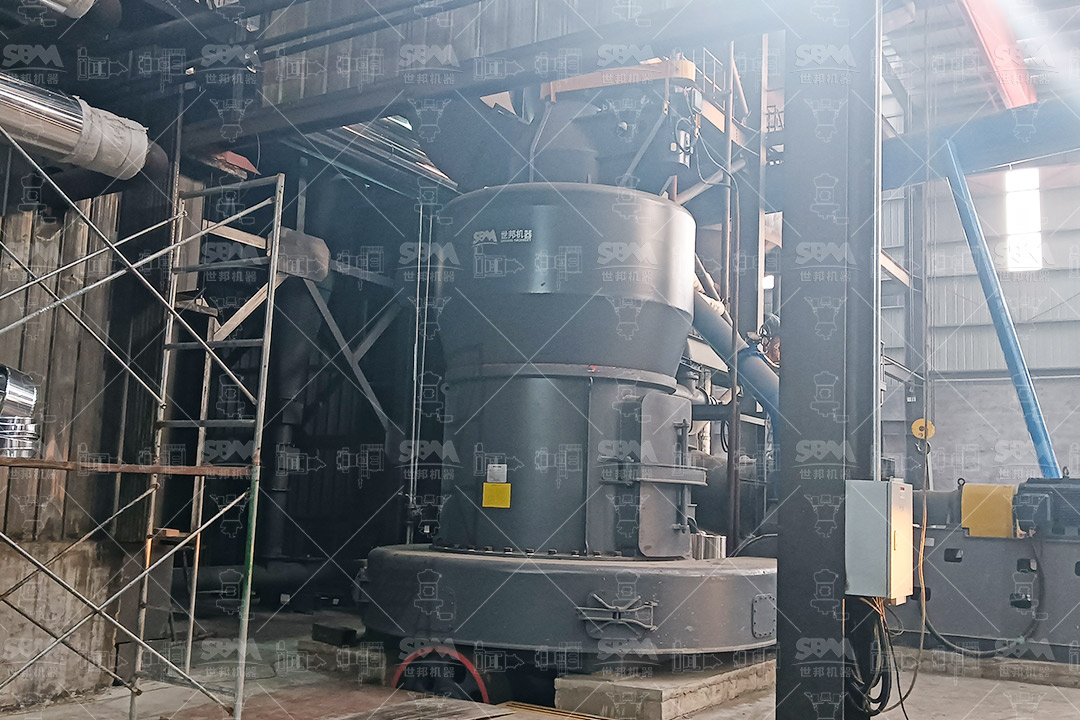
To reduce transportation and handling costs, the fluffy, low-density silica fume is often densified. This process involves mechanically agglomerating the fine particles into larger, more dense granules. The resulting densified silica fume has a bulk density of 500-700 kg/m³. While this improves logistics, it requires the material to be de-agglomerated during concrete mixing to regain its reactive surface area.
3. Processing for Specific Applications
For certain high-end applications, such as in refractory materials, advanced ceramics, or specialized concrete mixes, further processing of silica fume is required. This involves grinding, classifying, and sometimes chemically treating the powder to achieve specific particle size distributions, purity levels, or surface properties. This is where specialized milling equipment becomes paramount.
Key Equipment for Silica Fume Processing and Their Price Considerations
The price of silica fume production equipment varies dramatically based on capacity, technology level, automation, and the specific processing stage. For primary collection, large-scale baghouse systems represent a major capital investment, often running into hundreds of thousands of dollars. For the secondary processing—grinding and classification—the choice of mill is critical. Here’s a breakdown of common equipment types and their role in silica fume production.
Ball Mills
Traditional ball mills can be used for grinding densified silica fume. They are robust and have a relatively lower initial cost. However, for ultrafine grinding to unlock the full potential of silica fume’s surface area, they are less efficient. They consume more energy, have a lower classification precision, and can lead to contamination from grinding media wear. Prices for industrial ball mills suitable for this application can range from $50,000 to over $500,000 depending on size and configuration.
Jet Mills
Jet mills use high-speed jets of compressed air or steam to cause particle-on-particle impact and attrition. They are excellent for achieving very fine sizes without contamination. However, they are notoriously energy-intensive (high operating cost) and may have lower throughput compared to modern mechanical mills. The capital investment for a complete jet milling system can be significant, often starting in the $200,000+ range.
The Modern Solution: Ultrafine Grinding Mills
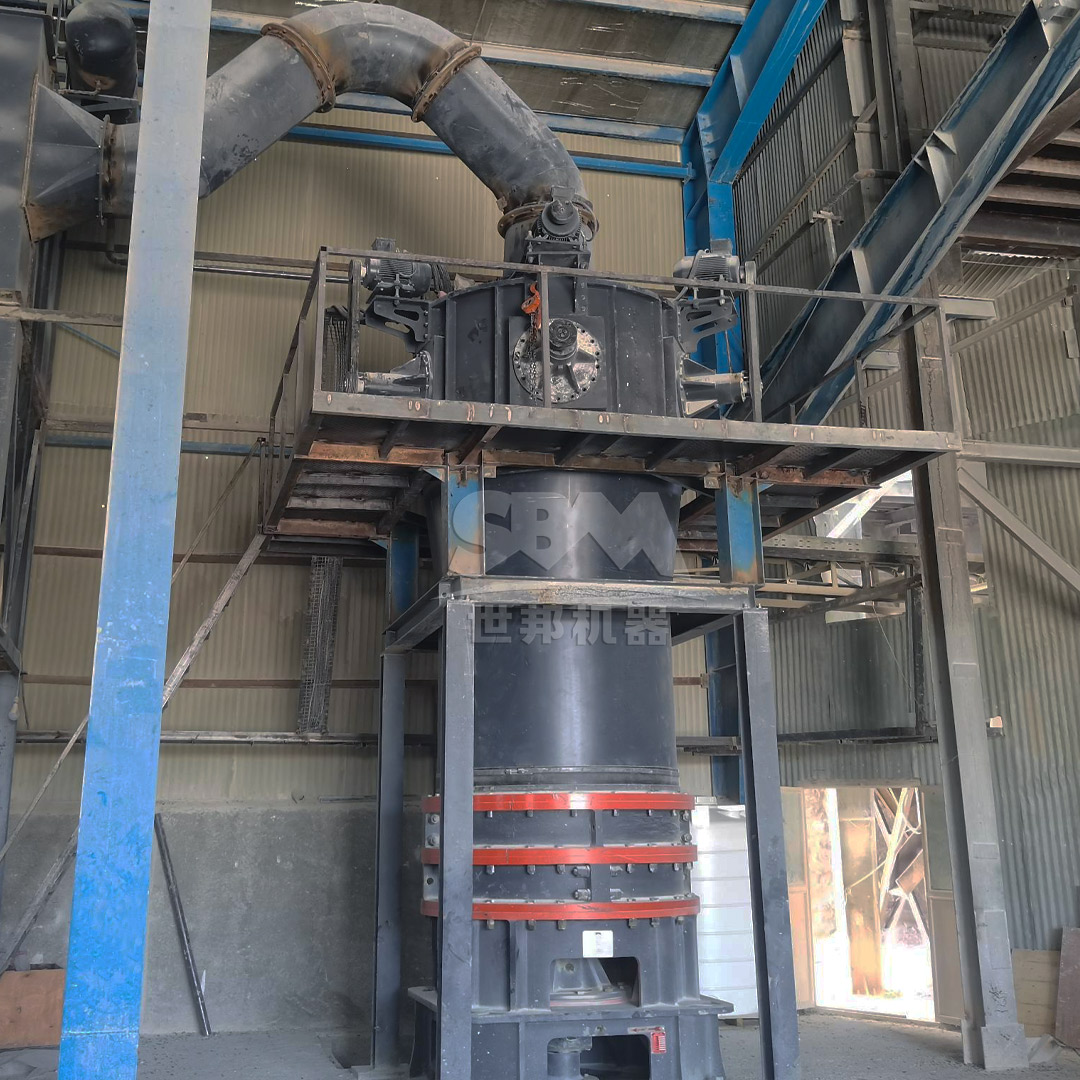
For processing silica fume to consistent, high-quality ultrafine specifications (from 325 mesh to 2500 mesh), advanced mechanical mills offer the best balance of efficiency, control, and cost-effectiveness. These systems integrate grinding, classification, and collection in a single, energy-optimized package.
Recommended Equipment for Superior Silica Fume Production
For producers looking to process collected or densified silica fume into a premium, high-value product, investing in the right grinding technology is non-negotiable. Based on the stringent requirements for fineness, uniformity, and low contamination, we highly recommend our flagship grinding solutions.
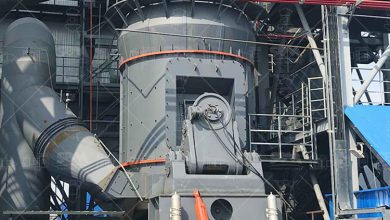
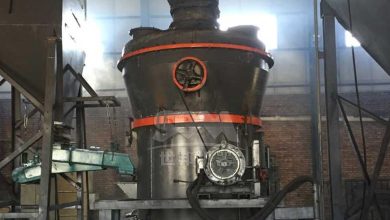
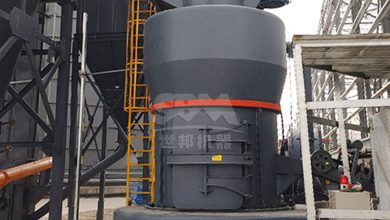
Primary Recommendation: SCM Series Ultrafine Mill
Our SCM Series Ultrafine Mill is exceptionally well-suited for producing high-grade processed silica fume. Its design directly addresses the challenges of working with this ultrafine, abrasive material.
- Optimal Fineness & Output: With an output range of 325-2500 mesh (5-45μm), it perfectly targets the particle size spectrum required for activated silica fume. Models like the SCM1000 offer capacities of 1.0-8.5 t/h, making it suitable for medium to large-scale production lines.
- Technical Superiority: The vertical turbine classifier ensures precise particle size cutting, eliminating coarse powder mixing for a uniform product—a critical factor for consistent concrete performance. Its high-efficiency design consumes 30% less energy than jet mills while offering double the capacity.
- Durability for Abrasive Materials: Silica fume is abrasive. The SCM mill’s special material rollers and rings, along with its shaftless screw grinding chamber design, extend service life significantly and ensure stable, low-maintenance operation.
- Clean & Compliant Operation: The integrated pulse dust collection system exceeds international emission standards, ensuring a clean plant environment—essential when handling fine powders.
For a silica fume processing line aiming for the highest quality product with controlled fineness, the SCM Ultrafine Mill represents a strategic investment where the ROI is realized through premium product pricing, lower energy bills, and reduced maintenance downtime.
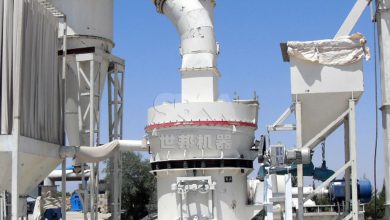
Alternative for Coarser Requirements: MTW Series European Trapezium Mill
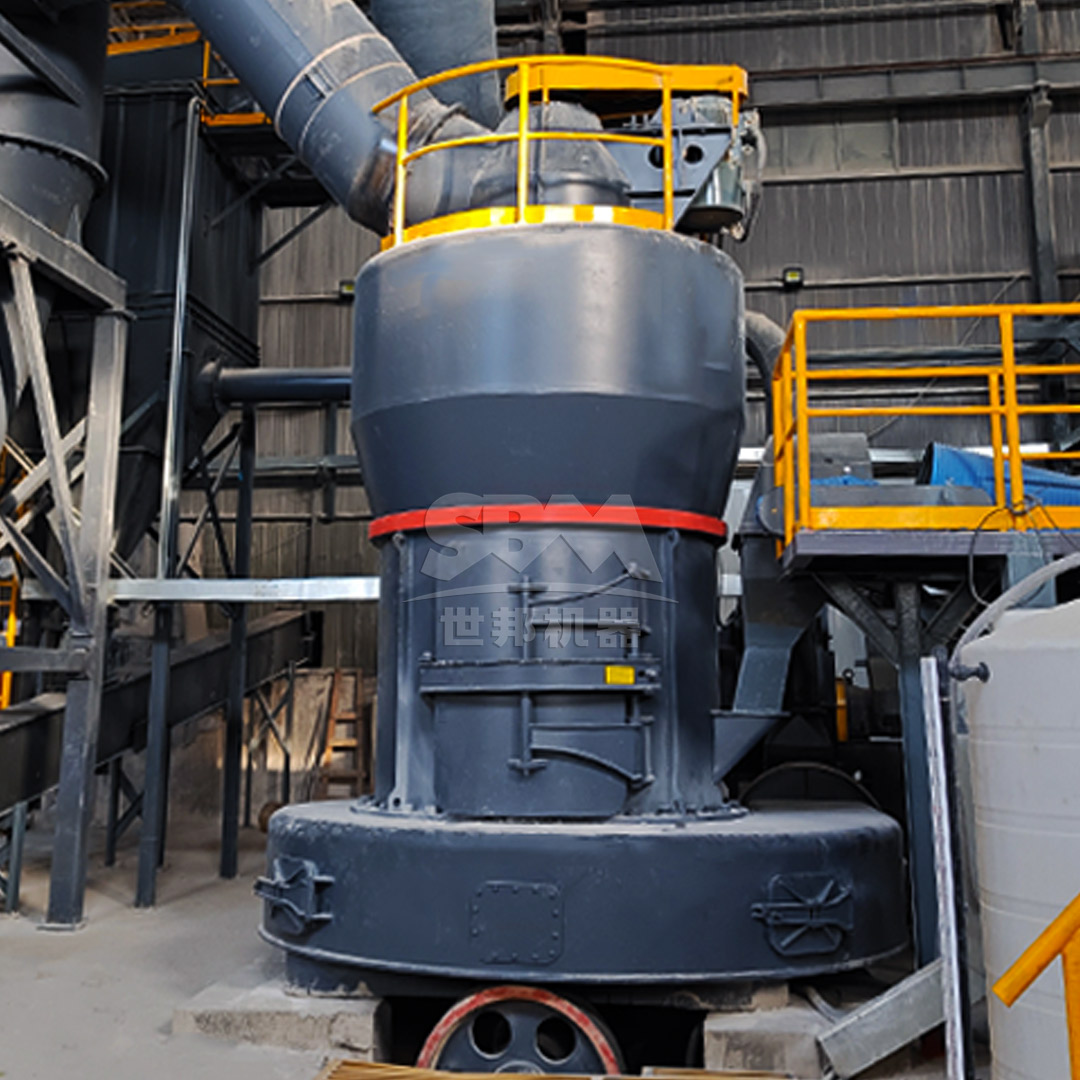
If the production goal involves processing silica fume blends or achieving a slightly coarser specification (30-325 mesh), our MTW Series European Trapezium Mill is an excellent and cost-effective choice.
- Robust & Efficient: Its anti-wear shovel design and optimized arc air duct are built for handling mineral powders reliably. The integral bevel gear drive boasts 98% transmission efficiency, saving energy.
- High Capacity: Models like the MTW215G can process up to 45 tons per hour, making it ideal for high-volume production where extreme ultrafineness is not the primary goal.
- Economic Advantage: The MTW series typically offers a lower capital cost point than ultrafine mills while still delivering excellent grinding performance and classification for many silica fume applications, providing a compelling balance of performance and price.
Factors Influencing Equipment Price
The price of a complete silica fume processing line is not a single figure. It is influenced by a system-wide view:
- Core Mill Specification: Model size (e.g., SCM1000 vs. SCM1680), motor power, and included features.
- Auxiliary Systems: Cost of feeders, classifiers, cyclone collectors, pulse jet bag dust collectors, screw conveyors, silos, and packaging machines.
- Automation Level: A PLC-based control system with touchscreen HMI and remote monitoring capabilities adds cost but improves consistency and reduces labor.
- Material of Construction: Wear parts made from special alloys or ceramics for extended life in abrasive service.
- Installation & Commissioning: Costs for foundation work, electrical installation, and technical supervision.
As a guideline, a complete, automated processing line centered on an ultrafine mill for high-value silica fume production can represent a total investment ranging from several hundred thousand to millions of US dollars, depending on the scale and complexity. It is crucial to consult with equipment suppliers for a detailed quotation based on your specific feedstock, target product specifications, and desired annual capacity.
Conclusion
Producing high-quality silica fume goes beyond simple collection; it often requires precise secondary processing to meet the stringent demands of modern construction and industry. The choice of grinding equipment is the cornerstone of this value-adding process. While options like ball mills and jet mills exist, advanced mechanical mills like our SCM Series Ultrafine Mill and MTW Series European Trapezium Mill offer the optimal combination of energy efficiency, product quality control, and operational reliability. The investment in such technology directly translates to a superior, consistent product that can command a premium in the market, ensuring a strong return on investment over the long term. We recommend a thorough analysis of your production goals to select the mill that best aligns with your target fineness, capacity, and budget.