How to Produce Limestone Powder for Power Plant Desulfurization
Introduction
Flue Gas Desulfurization (FGD) is a critical technology employed by coal-fired power plants worldwide to reduce sulfur dioxide (SO2) emissions, a major contributor to acid rain and air pollution. Among various FGD methods, the wet limestone-gypsum process is the most widely adopted due to its high efficiency, reliability, and cost-effectiveness. The core reagent in this process is high-quality limestone powder. The production of this powder, with specific fineness, purity, and reactivity requirements, is a sophisticated industrial operation that directly impacts desulfurization efficiency, operational costs, and environmental compliance. This article provides a comprehensive guide to producing limestone powder for power plant desulfurization, covering the entire process from raw material selection to final product storage and handling.
1. Raw Material Selection and Preparation
The journey begins with the limestone itself. Not all limestone is created equal for FGD applications.
1.1 Key Quality Parameters
- Calcium Carbonate (CaCO3) Content: Typically required to be >90%, preferably >95%. Higher purity translates directly to higher SO2 removal efficiency and less inert waste.
- Magnesium Content: Should be controlled (often <2-3%). High magnesium can lead to scaling in the absorber and reduce reactivity.
- Silica and Insoluble Residue: Must be minimized. Abrasive materials like silica increase wear on grinding equipment and pumps.
- Moisture: Raw limestone moisture should be managed. While some grinding systems can handle moderate moisture, very wet stone may require pre-drying.
1.2 Primary Crushing
Quarried limestone, often in large blocks (up to 1 meter), must first be reduced to a manageable size for the grinding mill. This is typically done in a primary crushing station using jaw crushers or gyratory crushers. The target after primary crushing is usually a size of <50-100mm.
2. The Core Process: Grinding and Classification
This is the most critical and energy-intensive stage. The goal is to produce a fine powder with a specific particle size distribution (PSD). For wet FGD systems, the target fineness is usually 90-95% passing 325 mesh (44 μm) or 250 mesh (63 μm). A finer powder increases the specific surface area, dramatically enhancing the dissolution rate and chemical reactivity with SO2 in the absorber.
2.1 Grinding Mill Technologies
Several grinding technologies are available, each with its own advantages for different scales and product requirements.
2.2 Vertical Roller Mill (VRM) – The Industry Standard for Large-Scale Production
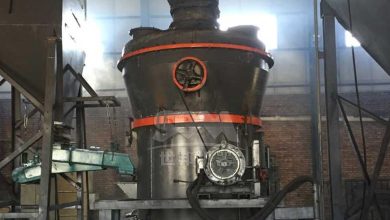
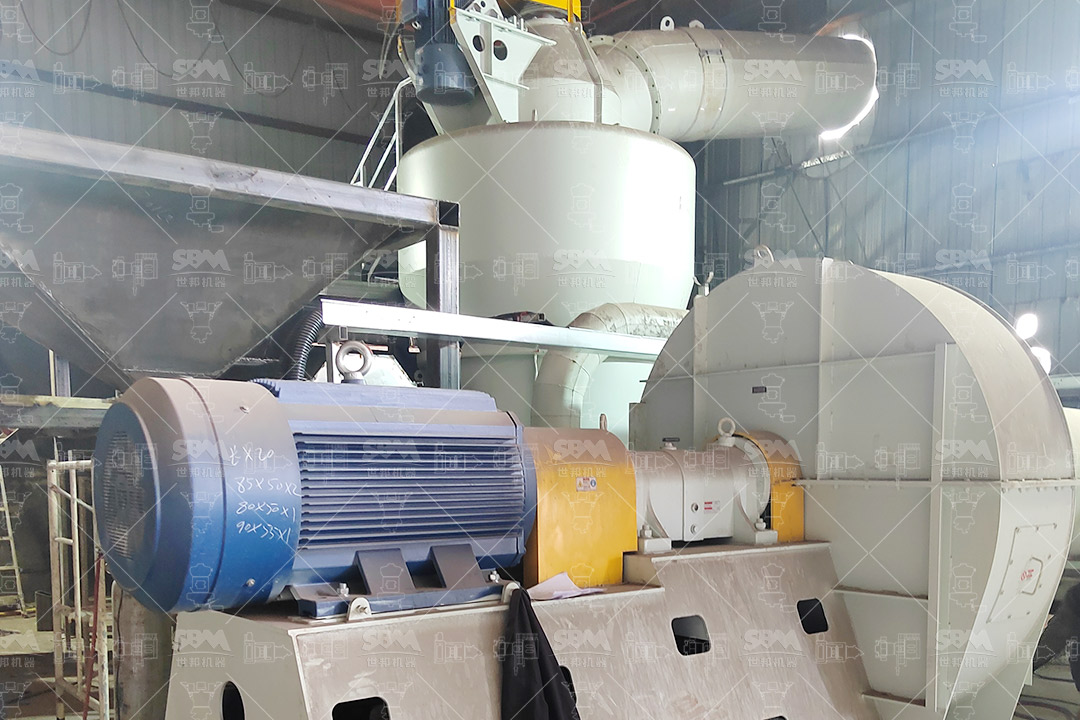
For modern, large-capacity power plants, the Vertical Roller Mill (VRM) has become the technology of choice. It integrates crushing, grinding, drying (if needed), and classification in a single, compact unit.
- Working Principle: Material is fed onto a rotating grinding table. Hydraulically loaded rollers press against the material bed, comminuting it through compression. Hot air (for drying) carries the fine particles to an integrated dynamic classifier. Coarse particles fall back to the table for regrinding.
- Advantages for FGD:
- High Energy Efficiency: Consumes 30-50% less energy than traditional ball mill systems due to the bed-grinding principle.
- Excellent Drying Capability: Can handle limestone with moisture content up to 15-20% by using hot gas from the plant’s waste heat.
- Precise Particle Size Control: Dynamic classifiers allow for quick and accurate adjustment of product fineness.
- Compact Footprint: Its integrated design requires significantly less space than a ball mill circuit.
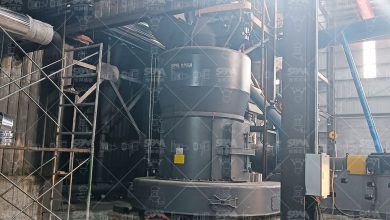
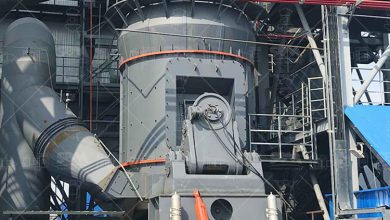
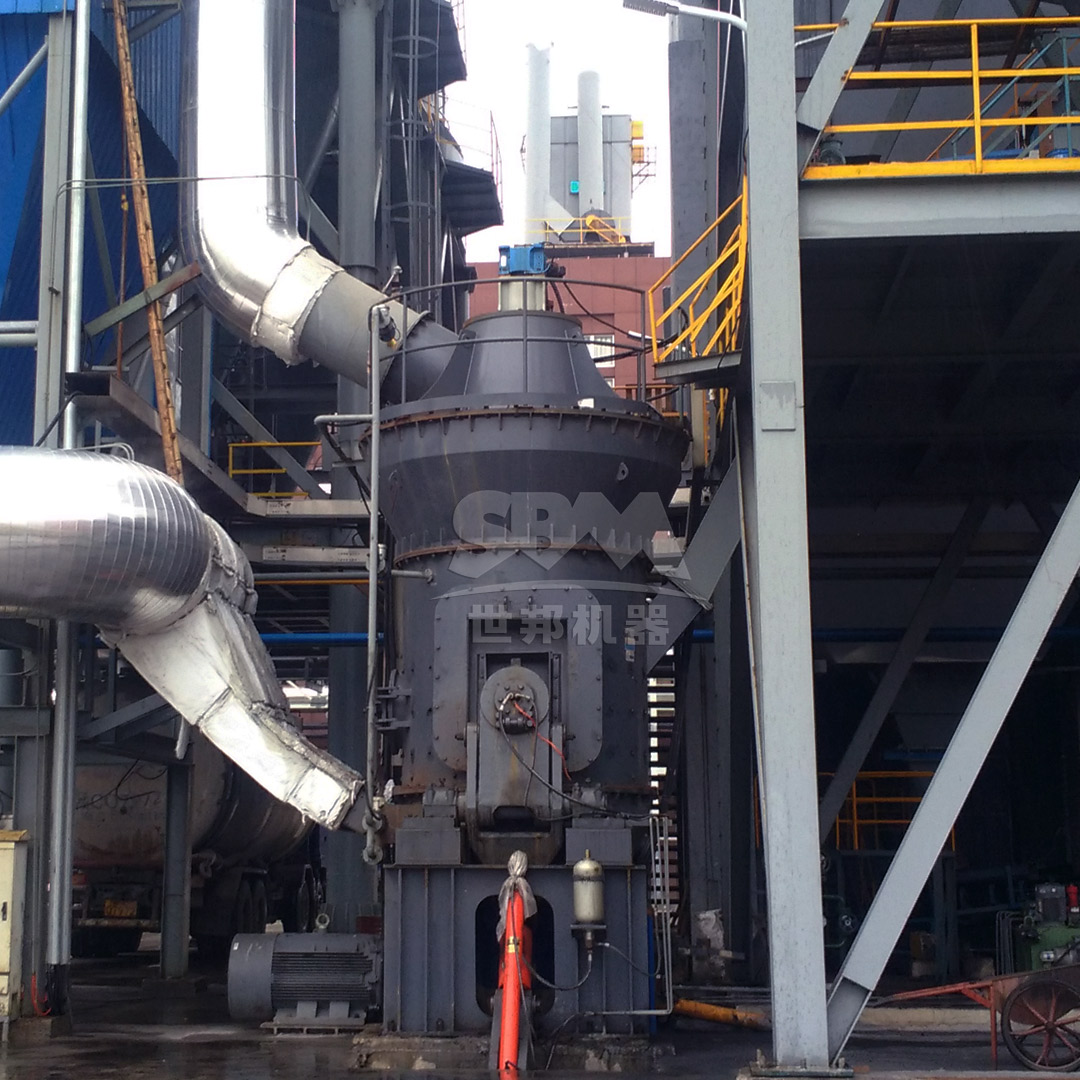
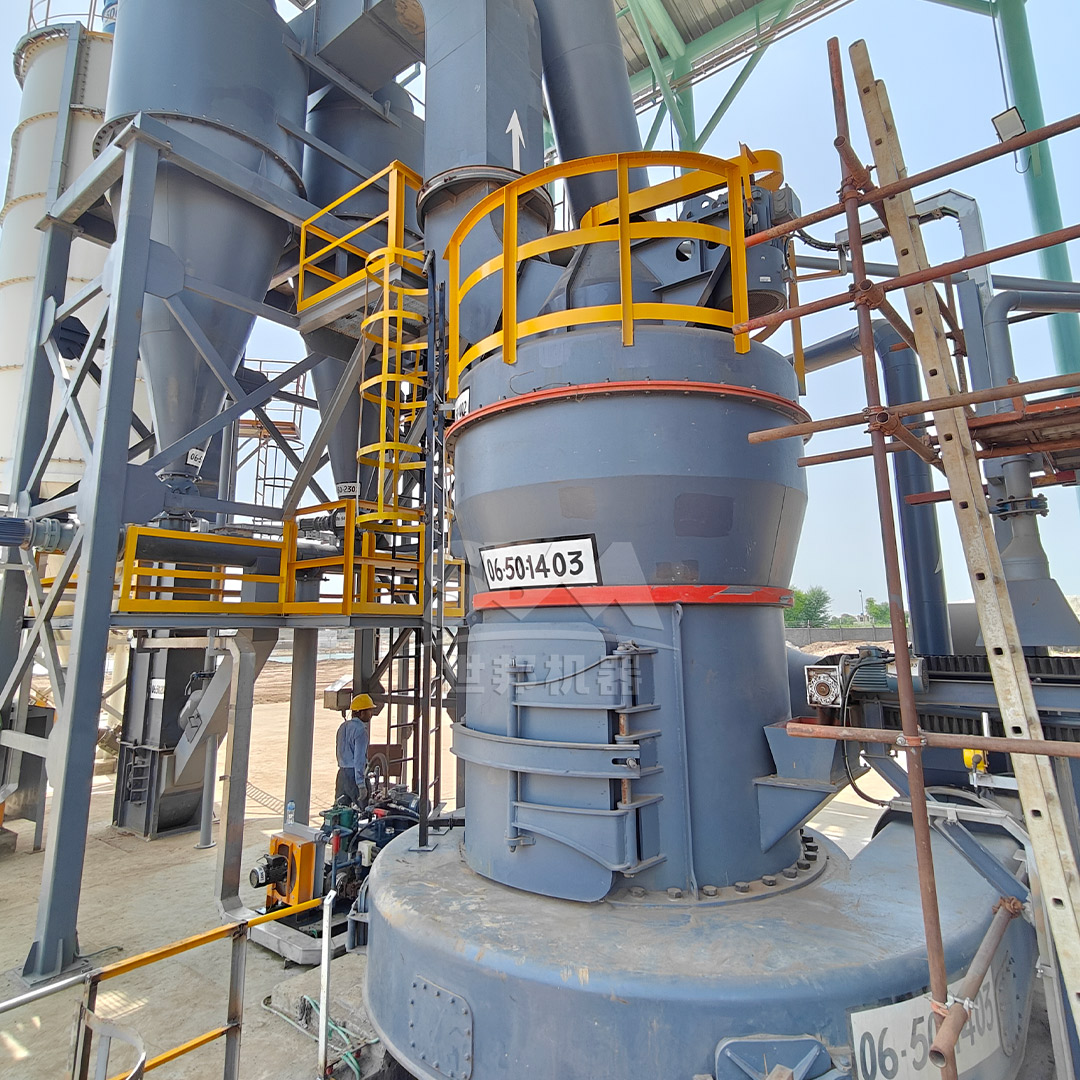
For power plants seeking a robust, high-capacity, and energy-efficient solution, our LM Series Vertical Roller Mill is an exemplary choice. Engineered for large-scale limestone preparation, it features an integrated design that reduces floor space by 50% and infrastructure costs by 40%. Its non-contact grinding principle and wear-resistant materials extend service life, while its intelligent control system ensures stable operation and optimal product fineness—typically in the range of 30-325 mesh, perfectly suited for FGD. With capacities ranging from 3 to 250 tons per hour, the LM series can meet the demands of any power plant, from mid-size to ultra-large facilities.
2.3 Ball Mill with Closed-Circuit Classification
A traditional and proven technology, often used in older plants or where limestone is very hard.
- Working Principle: A rotating cylindrical shell filled with steel grinding media (balls). The tumbling action of the balls crushes the limestone through impact and attrition.
- System Configuration: Typically operates in a closed circuit with a classifier (e.g., a hydrocyclone for wet grinding or an air separator for dry grinding). Oversize material is returned to the mill inlet.
- Considerations: Higher energy consumption and larger footprint compared to VRMs. Can produce a very consistent product but is less efficient.
2.4 Ultrafine Grinding for Enhanced Reactivity
Some advanced FGD systems or situations with low-grade limestone may benefit from ultrafine grinding (<10 μm) to maximize surface area and reactivity. This requires specialized mills.
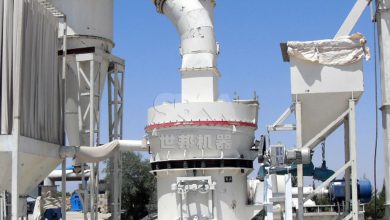
For applications demanding ultra-high fineness to achieve exceptional dissolution rates, our SCM Series Ultrafine Mill is the ideal technology. Capable of producing limestone powder in the range of 325 to 2500 mesh (45-5μm), it ensures maximum surface area for rapid SO2 absorption. Its high-efficiency vertical turbine classifier guarantees a narrow, consistent particle size distribution with no coarse powder mixing. Despite its ability to produce superfine powder, the SCM mill is designed for energy savings, offering capacity twice that of jet mills with 30% lower energy consumption. Models like the SCM1250, with a capacity of 2.5-14 t/h, are perfectly scaled for dedicated ultrafine FGD limestone production lines.
3. Drying and Material Handling
3.1 Drying Integration
If the raw limestone is moist, drying must be incorporated. VRMs excel at this by using hot air (often ~200-250°C) within the mill itself. For ball mill systems, a separate rotary dryer may be required before grinding, or a wet grinding process may be adopted where water is added to form a slurry directly.
3.2 Product Conveying and Storage
The finished limestone powder is typically conveyed pneumatically to large storage silos. Key considerations include:
- Preventing Segregation and Caking: Silo design should promote mass flow. Aeration pads may be used to keep the powder fluid.
- Dust Control: All transfer points and silo vents must be equipped with high-efficiency baghouse filters to prevent emissions.
- Reclaiming: From the silo, powder is fed via weigh feeders or screw conveyors to the slurry preparation system, where it is mixed with process water to create the absorbent slurry fed to the FGD absorber.
4. Quality Control and Process Optimization
Continuous monitoring is vital for a stable FGD process.
- Particle Size Analysis: Online or frequent offline laser diffraction analysis to ensure PSD meets specifications.
- Chemical Composition: Regular XRF or XRD analysis of the raw stone and final product to monitor purity.
- Reactivity Testing: Periodic lab tests to measure the dissolution rate of the produced powder.
- System Automation: Modern grinding plants use Distributed Control Systems (DCS) or PLCs to automate the entire process, optimizing mill load, classifier speed, and fan damper positions for consistent quality and minimal energy use.
5. Economic and Environmental Considerations
- Total Cost of Ownership: While capital investment for a VRM is significant, its lower operating cost (energy and wear parts) often results in a faster payback period compared to a ball mill system.
- Energy Consumption: Grinding can account for a major portion of the FGD auxiliary power. Selecting an energy-efficient mill is crucial for the plant’s overall net efficiency.
- Waste Utilization: The by-product, gypsum (CaSO4·2H2O), should be of high enough quality for commercial use (e.g., in wallboard manufacturing), turning a waste stream into a revenue stream. This quality is directly influenced by the purity and reactivity of the limestone feed.
- Noise and Dust Emissions: Modern mills are designed within sound enclosures and operate under negative pressure with advanced bag filters, ensuring noise levels and dust emissions are well within regulatory limits.
Conclusion
Producing high-quality limestone powder for power plant desulfurization is a complex but well-understood engineering process. It begins with careful raw material selection and proceeds through efficient size reduction via advanced grinding technology. The choice of grinding system—whether a high-capacity Vertical Roller Mill like our LM series for standard FGD fineness, or an Ultrafine Mill like the SCM series for maximum reactivity—is pivotal in determining the overall efficiency, cost, and environmental footprint of the FGD system. By integrating precise classification, robust material handling, and stringent quality control, power plants can ensure a reliable supply of reagent that maximizes SO2 removal, minimizes operational costs, and contributes to sustainable power generation.