How to Produce Construction Compound Powder: A Complete Manufacturing Process Guide
Introduction
The construction industry is increasingly reliant on high-performance, specialized materials to meet modern demands for durability, sustainability, and efficiency. Construction compound powder, a finely processed blend of various minerals and additives, is a cornerstone material for producing dry-mix mortars, self-leveling compounds, tile adhesives, and other advanced building products. Its quality directly influences the final product’s workability, strength, and setting characteristics. This comprehensive guide details the complete manufacturing process, from raw material selection to final packaging, and highlights the critical role of advanced milling technology in achieving superior product quality.
1. Understanding Raw Materials and Formulation
The first and most crucial step is designing the compound’s formulation. A typical construction compound powder may include:
- Binders: Portland cement, gypsum (hemihydrate or anhydrite), or hydrated lime form the primary matrix that hardens and provides strength.
- Fillers: Quartz sand (of various gradations), limestone powder, or fly ash provide volume, improve particle packing, and influence properties like shrinkage and density.
- Functional Additives: These are added in small quantities but have a significant impact. Examples include cellulose ethers (for water retention and thickening), redispersible polymer powders (for adhesion and flexibility), and set modifiers (accelerators or retarders).
The precise ratio of these components is a trade secret for manufacturers and is determined by the target application’s specific requirements for compressive strength, open time, slip resistance, and water demand.
2. The Core Manufacturing Process: A Step-by-Step Breakdown
2.1. Raw Material Reception and Pre-processing
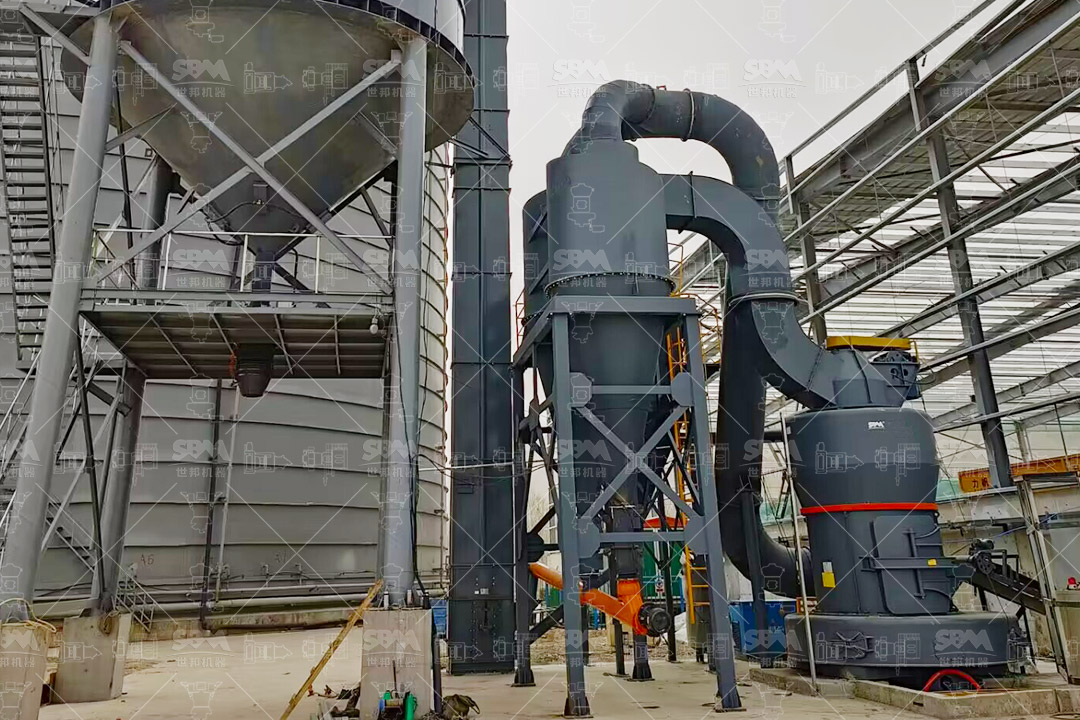
Incoming bulk materials like sand and cement are stored in silos. Fillers often require drying to reduce moisture content below a critical threshold (typically 0.5-1.0%) before grinding, as moisture can cause clogging and reduce milling efficiency. Coarse materials may need primary crushing to a consistent feed size suitable for the grinding equipment.
2.2. Precise Batching and Weighing
Automated weighing systems are employed to dose each raw material component with high accuracy according to the master formula. This stage is critical for ensuring batch-to-batch consistency. Ingredients are typically conveyed to a central pre-mixer or directly to the grinding mill inlet.
2.3. Grinding and Classification: The Heart of the Process
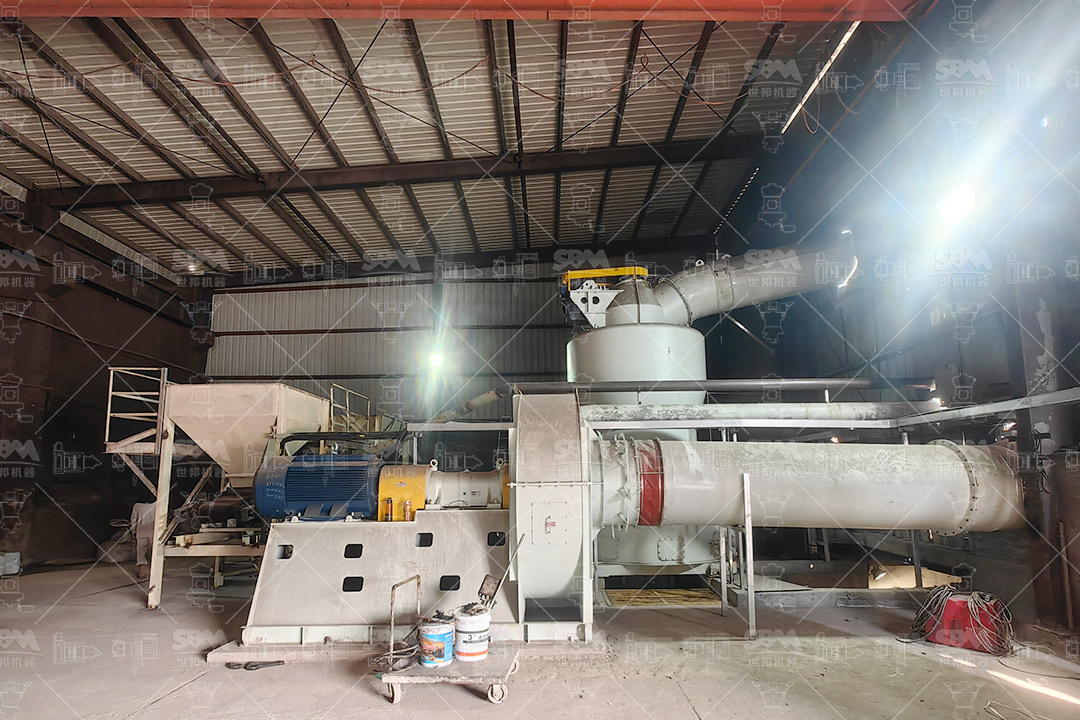
This is the most technologically intensive phase, where raw components are reduced to the desired fineness and intimately blended. The choice of grinding system is paramount. The goal is to achieve a uniform, ultra-fine powder with a controlled particle size distribution (PSD).
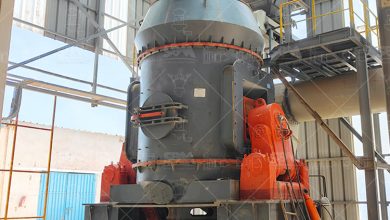
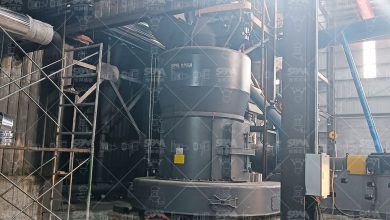
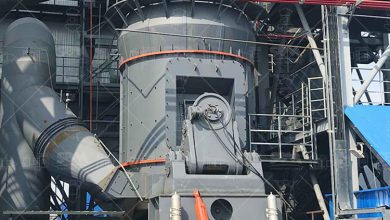
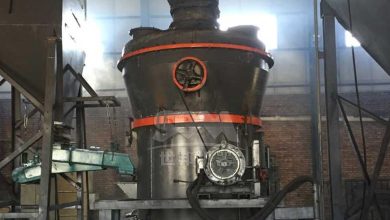
For high-capacity production of standard construction powders in the range of 30 to 325 mesh (600-45μm), a robust and efficient system is required. The MTW Series European Trapezium Mill is an exemplary solution for this application. Its advanced design features, such as the anti-wear shovel design and optimized arc air duct, ensure high grinding efficiency with reduced maintenance costs. The integral bevel gear drive offers up to 98% transmission efficiency, making it an energy-saving choice for large-scale operations requiring outputs from 3 to 45 tons per hour. Its precise classification system is key to obtaining a consistent fineness, which is vital for the predictable performance of the final construction compound.
2.4. Intensive Mixing and Homogenization
After grinding, the powder may proceed to a high-speed intensive mixer. Here, the micro-ingredients (additives) are introduced and blended thoroughly with the ground base materials. This step ensures the even distribution of polymers and chemicals throughout the entire batch, which is essential for uniform product performance.
2.5. Final Product Storage, Packaging, and Palletizing
The finished compound powder is conveyed to large storage silos for bulk dispatch or to automated packing lines. Valve baggers or open-mouth packing machines fill bags ranging from 25kg to 1 ton. Filled bags are then palletized, wrapped, and prepared for shipment. The entire process from silo to pallet should be enclosed to prevent dust emission and contamination.
3. Quality Control: Ensuring Consistent Performance
Rigorous QC is integrated at every stage. Key tests include:
- Raw Material Inspection: Chemical composition, moisture content, and particle size of incoming materials.
- In-process Control: Monitoring of mill parameters (power draw, temperature) and intermediate product fineness.
- Final Product Testing: Standard tests include determining the PSD via laser diffraction, measuring specific surface area (Blaine), and performing application-specific tests like compressive strength, water retention, and setting time on laboratory-prepared mortars.
4. The Critical Role of Advanced Milling Technology
The grinding mill is not just a size reducer; it is the core determinant of product quality, production cost, and plant efficiency. Modern mills must offer:
- Precise Particle Size Control: A sharp particle cut and narrow PSD are crucial for product rheology and strength development.
- High Energy Efficiency: Grinding is energy-intensive. Advanced designs that offer higher output per kilowatt-hour significantly reduce operational costs.
- System Integration and Automation: Mills with intelligent control systems can auto-adjust parameters to maintain constant product fineness, reducing manual intervention and variability.
- Environmental Compliance: Fully enclosed systems with efficient pulse-jet dust collectors are mandatory to meet workplace and emission standards.
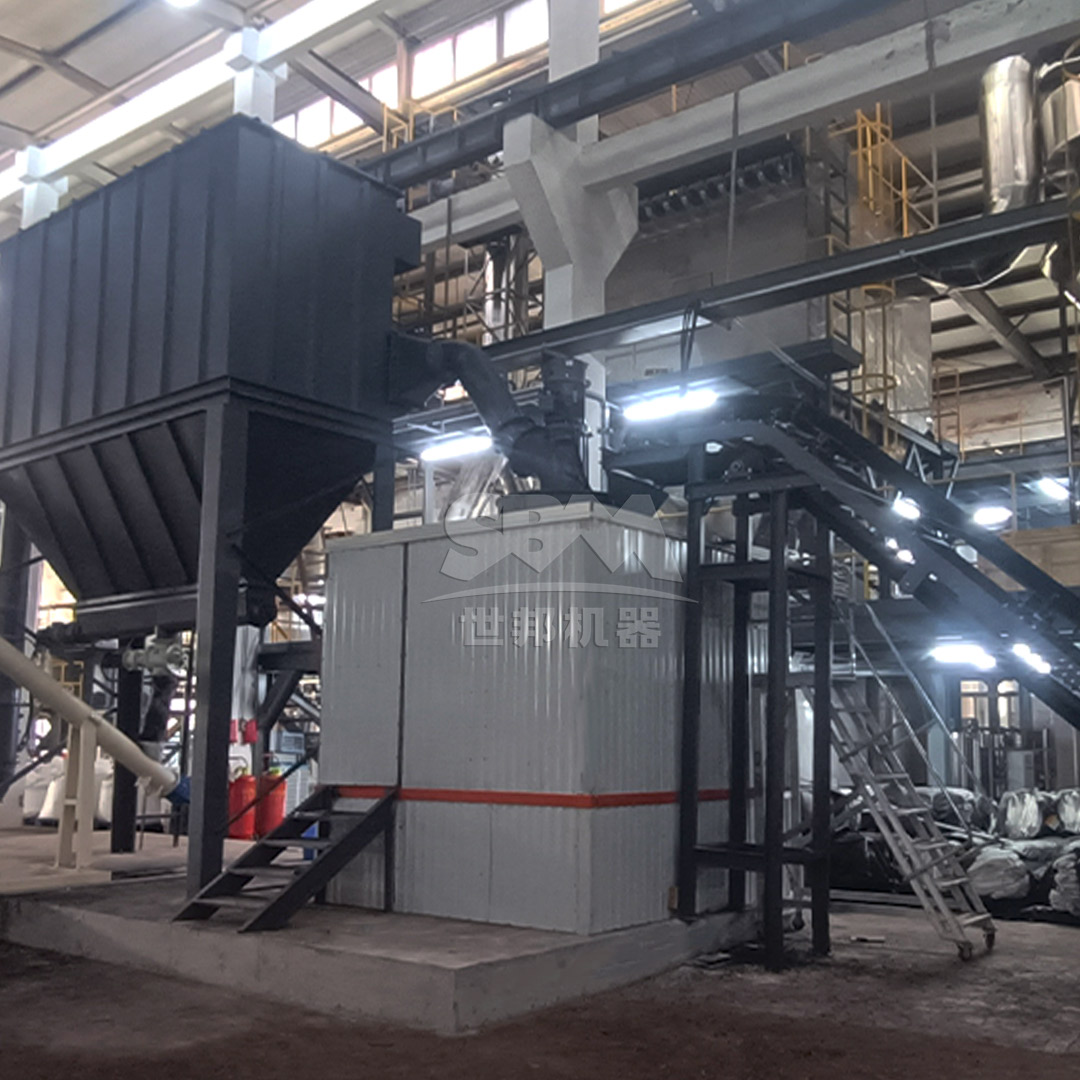
For producers aiming at the premium segment requiring ultra-fine powders (325-2500 mesh or 45-5μm) for high-performance tile adhesives or specialty fillers, the SCM Series Ultrafine Mill is the ideal choice. It combines high-efficiency grinding with a high-precision vertical turbine classifier, ensuring no coarse particles are mixed into the final product. Its capacity is twice that of traditional jet mills while consuming 30% less energy. Furthermore, its durable design with special material rollers and rings, coupled with an eco-friendly pulse dust collection system, makes it a reliable and sustainable investment for producing top-tier construction compounds.
5. Conclusion
Producing high-quality construction compound powder is a sophisticated process that blends material science with precision engineering. Success hinges on a well-designed formulation, a controlled and automated production line, and, most importantly, the selection of the right grinding technology. Investing in advanced milling systems like the MTW Series for general-purpose compounds or the SCM Series for ultra-fine products ensures not only superior product characteristics but also long-term operational efficiency, lower maintenance costs, and compliance with environmental regulations. By mastering this process, manufacturers can consistently deliver compounds that meet the evolving challenges of the global construction market.