How to Produce Composite Mineral Powder from Blast Furnace Slag and Steel Slag?
Introduction: The Value of Slag in Modern Industry
The iron and steel industry generates vast quantities of solid by-products, primarily Blast Furnace Slag (BFS) and Steel Slag (SS). Traditionally viewed as waste, these materials are now recognized as valuable resources for producing composite mineral powders. When finely ground, these powders exhibit excellent pozzolanic or latent hydraulic properties, making them high-performance supplementary cementitious materials (SCMs) for concrete, road bases, and soil stabilization. The production process transforms coarse, heterogeneous slag into a uniform, reactive powder, unlocking significant economic and environmental benefits through industrial symbiosis and reduced carbon footprint in construction.
1. Raw Material Preparation and Pre-Treatment
The journey from slag to high-quality powder begins with meticulous preparation. Freshly produced slag is often subjected to rapid cooling, such as water quenching for BFS, to form granular, glassy particles ideal for grinding. Steel slag, which may contain free lime and magnesia, often requires aging or weathering to ensure volume stability. The initial step involves stockpiling, sampling, and quality control to check chemical composition (e.g., basicity index, glass content) and physical properties.
Pre-crushing is essential to reduce the slag lumps to a manageable size for the main grinding mill. A primary jaw crusher or a hammer mill is typically employed here. For an efficient initial size reduction to below 30-40mm, a Hammer Mill is highly effective. Its high-impact crushing action is well-suited for breaking down the sometimes-tough and abrasive slag lumps, ensuring a consistent feed size for downstream grinding processes and protecting subsequent equipment from oversized material.
2. The Core Process: Grinding and Classification
This is the most critical and energy-intensive stage, where the pre-crushed slag is transformed into fine powder. The choice of grinding technology directly impacts the powder’s fineness, particle size distribution (PSD), specific surface area (Blaine), and overall system efficiency.
2.1 Key Technological Considerations
- Target Fineness: For use as an SCM, a fineness of 400-550 m²/kg Blaine or D97 ≤ 45μm (approx. 325 mesh) is common. Ultra-fine powders (D97 ≤ 10μm or 1250 mesh) offer higher reactivity for specialized applications.
- Drying: Slag often contains residual moisture. An integrated drying system using hot gases (e.g., from a clinker cooler or auxiliary heat source) is vital for efficient grinding.
- Classification: Internal or external dynamic classifiers are used to separate fine product from coarse material, which is recirculated for further grinding. This ensures a sharp PSD and prevents over-grinding.
2.2 Recommended Grinding Solutions
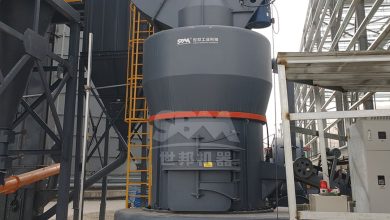
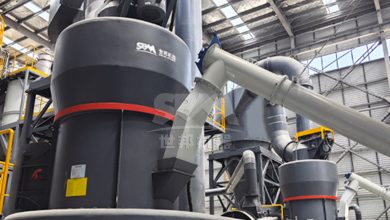
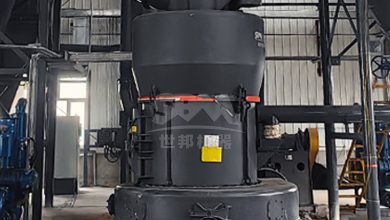
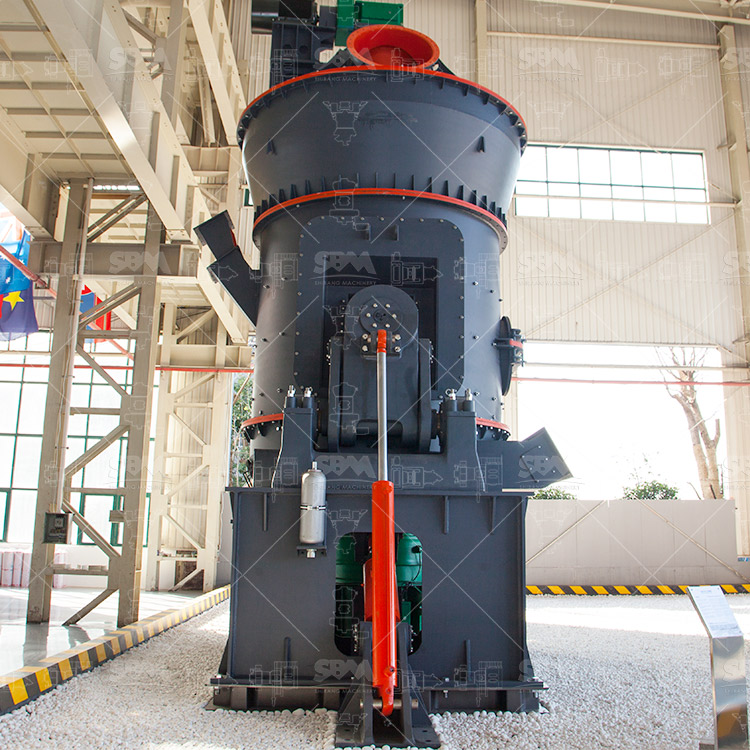
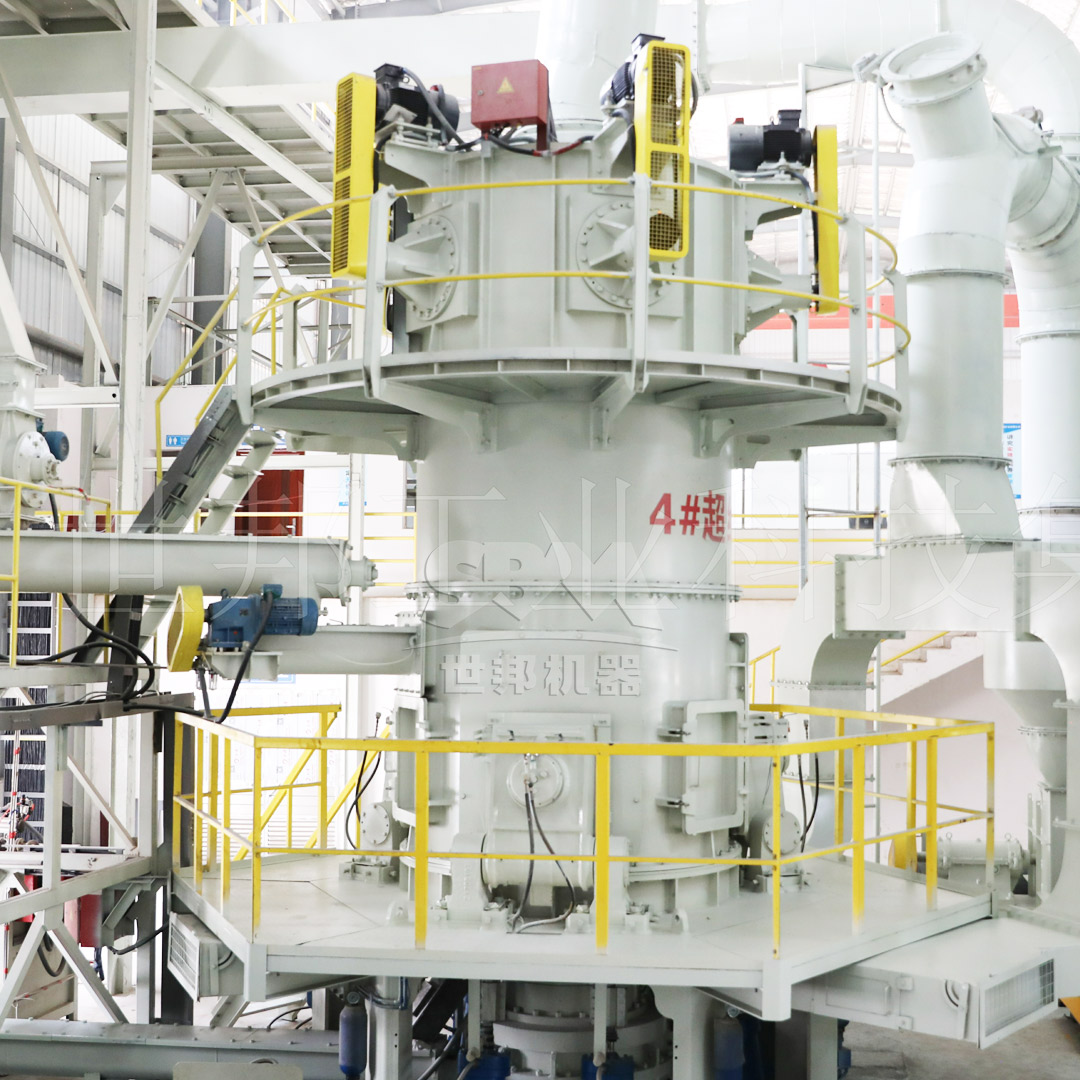
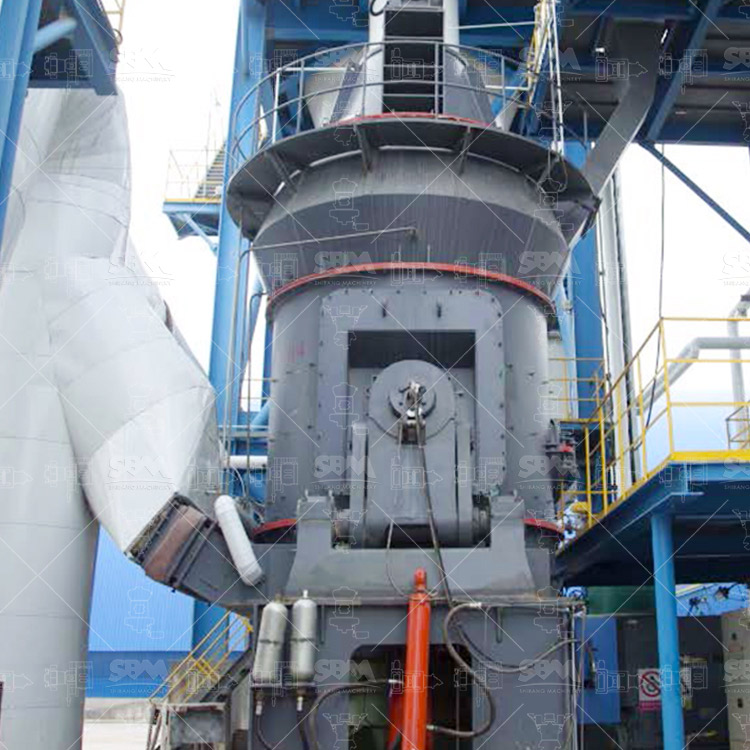
Selecting the right mill is paramount. For large-scale production of composite slag powder (BFS+SS) targeting standard cementitious applications (30-325 mesh), the LM Series Vertical Roller Mill (VRM) stands out as the industry benchmark. Its集约化设计 integrates grinding, drying, and classification in a single unit, offering remarkable advantages for slag processing.
The LM Vertical Slag Mill (e.g., LM190N, LM220N models) is specifically engineered for this duty. Its工作原理 involves feeding material onto a rotating grinding table. Hydraulically loaded rollers exert high pressure, crushing the slag via a efficient “bed grinding” mechanism. A hot gas stream dries the material and carries the fines to a top-mounted dynamic classifier. The coarse particles fall back onto the table for regrinding. This system offers 30-40% lower energy consumption compared to traditional ball mills, 50% less footprint, and produces a powder with excellent particle morphology and reactivity.
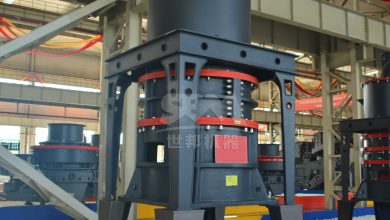
For projects requiring ultra-fine composite powder (325-2500 mesh) for high-value applications like advanced ceramics or functional fillers, the SCM Series Ultrafine Mill is the optimal choice. This mill excels in producing powders with a D97 as fine as 5μm. Its 高效节能 design offers twice the capacity of jet mills with 30% lower energy consumption. The核心参数 include an input size of ≤20mm and a wide output range of 325-2500 mesh. The mill’s 高精度分级 system, featuring a vertical turbine classifier, ensures precise particle size cuts with no coarse powder contamination. Models like the SCM1250 (2.5-14 ton/h) or SCM1680 (5.0-25 ton/h) provide scalable solutions for high-end slag valorization.
3. Post-Processing: Collection, Storage, and Blending
After classification, the fine powder is separated from the gas stream. A high-efficiency cyclone collector captures the bulk of the product, followed by a pulse-jet baghouse filter to achieve final collection with emission levels well below 20 mg/m³, meeting stringent environmental standards.
The collected powder is conveyed to large, airtight silos for storage. Homogenization through air fluidization or mechanical stirring within the silo is crucial to ensure batch-to-batch consistency. This stage is also where precise blending of different slag powders (e.g., BFS powder with SS powder) or with other materials (like limestone powder) takes place to create tailored composite products with specific performance characteristics.
4. Quality Control and Product Testing
Rigorous quality control is maintained throughout. Key parameters tested include:
- Physical: Fineness (Blaine/Sieve residue), PSD (Laser diffraction), density, moisture content.
- Chemical: Oxide composition (XRF), loss on ignition, insoluble residue.
- Performance: Activity index (7 & 28-day strength compared to plain cement), soundness (Autoclave expansion), water requirement.
Advanced process control systems, often PLC-based, monitor and adjust mill parameters (feed rate, grinding pressure, classifier speed, gas temperature) in real-time to maintain product specifications and optimize energy use.
5. Economic and Environmental Benefits
Producing composite mineral powder from slag is a cornerstone of the circular economy. It diverts industrial waste from landfills, reduces the need for virgin raw materials (like clinker in cement), and lowers the carbon footprint of final products. The use of energy-efficient grinding technologies like the LM Vertical Mill or SCM Ultrafine Mill further amplifies these benefits by minimizing operational costs and energy consumption. The end product enhances concrete durability, strength, and sustainability, creating a win-win scenario for the steel, mining equipment, and construction industries.
Conclusion
The production of high-quality composite mineral powder from blast furnace and steel slag is a sophisticated, multi-stage process that hinges on advanced grinding technology. From pre-crushing with robust hammer mills to the core grinding and classification achieved efficiently by vertical roller mills like the LM series for standard grades or the SCM Ultrafine Mill for premium ultra-fine products, each step must be carefully engineered. By investing in the right equipment and process control, producers can transform an industrial by-product into a consistent, high-performance material, driving sustainability and profitability forward.