How to Produce Cast Stone Powder Using Cast Stone Powder Manufacturing Equipment
Introduction to Cast Stone Powder Production
Cast stone powder, a finely ground material derived from natural or synthetic stone, is a critical component in a wide range of industries, including construction, ceramics, plastics, and coatings. Its properties, such as particle size distribution, whiteness, and chemical inertness, directly influence the quality of the final product. Producing high-quality cast stone powder requires a sophisticated understanding of raw material characteristics and the selection of appropriate, efficient manufacturing equipment. This article provides a comprehensive guide to the production process, focusing on the technological pathways and machinery essential for achieving consistent, high-grade powder.
Raw Material Preparation and Primary Crushing
The production journey begins with the raw cast stone blocks. The first critical step is primary crushing to reduce large blocks into manageable sizes, typically below 50mm. Jaw crushers are commonly employed for this stage due to their high reduction ratio and ability to handle hard, abrasive materials. The goal is to produce a uniform feed size suitable for the subsequent grinding stages. Proper sizing at this phase is crucial for optimizing the efficiency and wear life of downstream milling equipment.
Intermediate Grinding: The Heart of Size Reduction
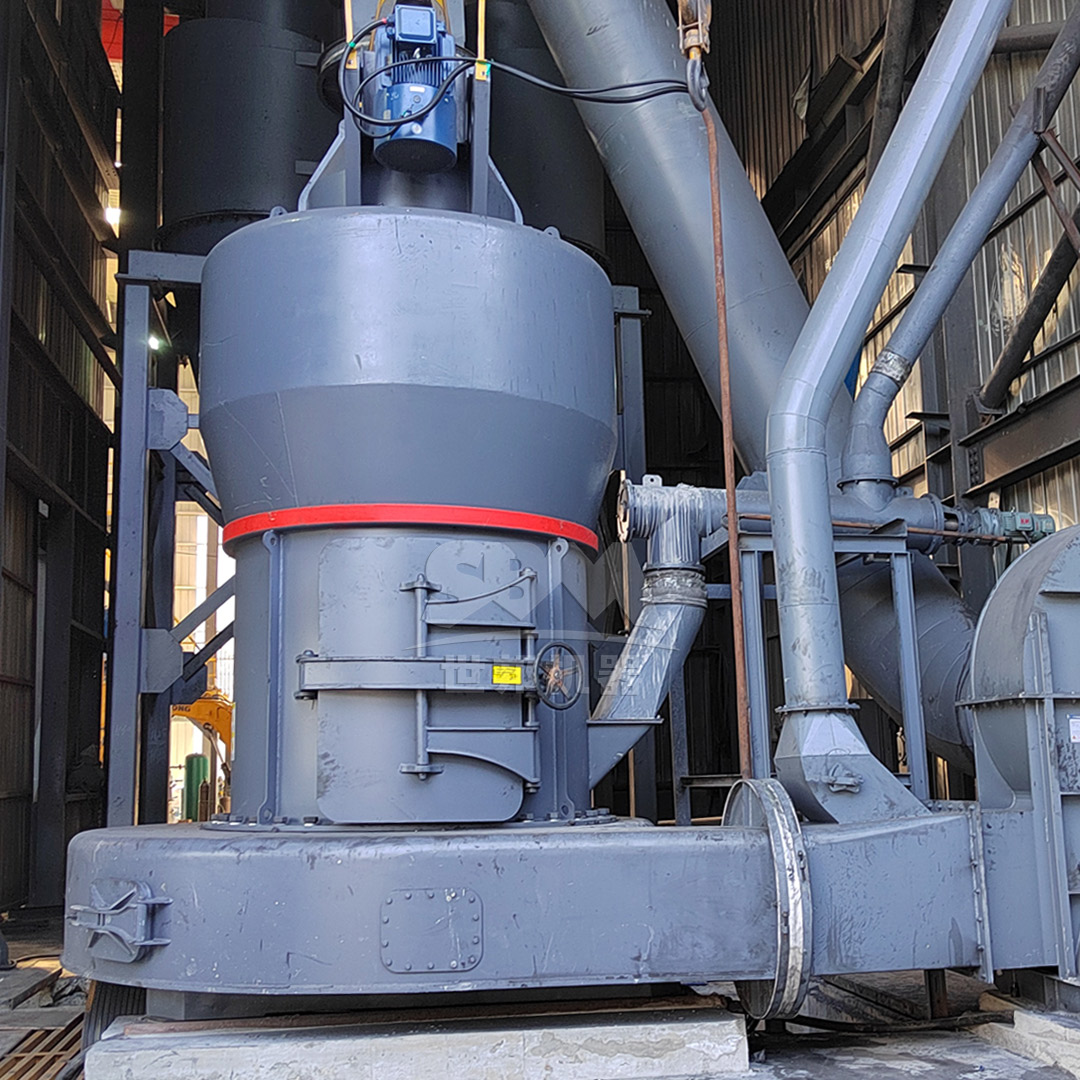
Following primary crushing, the material undergoes intermediate grinding. This stage further reduces the particle size to a range typically between 0-10mm, preparing it for final ultra-fine grinding. Several types of mills excel in this role, balancing capacity, energy efficiency, and product control.
Key Equipment for Intermediate Grinding
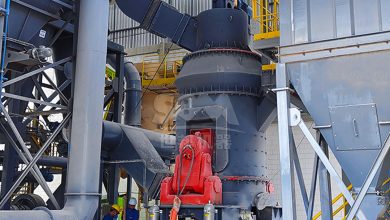
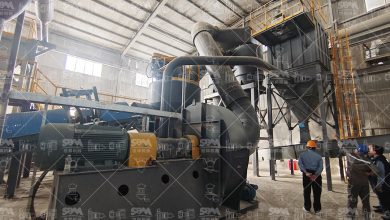
For medium to high-capacity production lines requiring a final product in the range of 30-325 mesh (600-45μm), the MTW Series Trapezium Mill represents an optimal solution. Its advanced design incorporates several industry-leading features that make it particularly suitable for processing cast stone.
- High Efficiency & Capacity: With a processing capacity ranging from 3 to 45 tons per hour (depending on the model), the MTW mill handles large volumes efficiently. Its curved air channel design minimizes airflow resistance and energy loss, while the integral transmission with bevel gears achieves a remarkable 98% transmission efficiency.
- Superior Wear Resistance: The wear-resistant shovel design, featuring combined replaceable blades, significantly lowers maintenance costs. The specially designed grinding roller and ring curve extend the service life of wearing parts, which is vital for processing abrasive materials like cast stone.
- Precise Classification: The mill is equipped with an efficient powder classifier that ensures accurate particle size cuts. This results in a uniform product with minimal oversize particles, a critical quality parameter.
- Environmental Compliance: The system integrates advanced pulse dust collection technology, ensuring dust emissions are kept well below international standards, and an acoustic enclosure design maintains noise levels at or below 75dB.
Models like the MTW215G, with a capacity of 15-45 TPH and a main motor power of 280kW, are ideal for large-scale cast stone powder plants aiming for coarse to medium-fine powders.

Final Ultra-Fine Grinding and Classification
To achieve the finest powder grades required for premium applications—such as high-performance plastics, advanced ceramics, or specialty coatings—ultra-fine grinding is necessary. This stage targets particle sizes from 325 mesh down to 2500 mesh (45-5μm). The equipment for this process must offer exceptional grinding precision, energy efficiency, and reliable classification.
Premier Equipment for Ultra-Fine Production
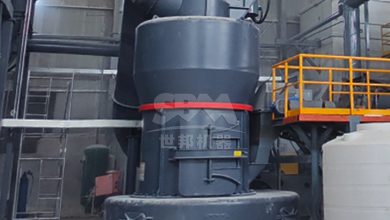
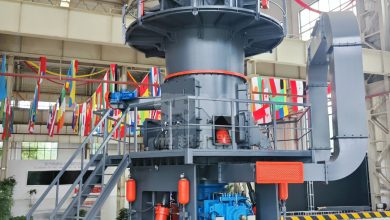
For producing ultra-fine cast stone powder, the SCM Series Ultrafine Mill is the industry benchmark. Engineered for high precision and efficiency, it is the go-to choice for achieving superfine and nano-sized powders.
- Exceptional Fineness and Yield: The SCM mill can consistently produce powder with a fineness range of 325 to 2500 mesh (D97 ≤ 5μm). Its unique grinding chamber design, featuring a three-ring medium-speed micro-grinding mechanism, ensures high output. Remarkably, it offers twice the capacity of a jet mill while reducing energy consumption by approximately 30%.
- High-Precision Turbine Classifier: A vertically installed turbine classifier provides precise particle size separation. This system guarantees a narrow particle size distribution with no coarse powder contamination, delivering a product of exceptional uniformity.
- Durable and Stable Operation: Key components like grinding rollers and rings are made from special wear-resistant materials, multiplying their service life. The innovative “no-bolt-in-grinding-chamber” design and sturdy construction ensure smooth, vibration-free, and stable long-term operation.
- Intelligent Control & Environmental Protection: The mill features an intelligent control system that automatically adjusts operational parameters based on real-time feedback of product fineness. Its comprehensive pulse dust collector exceeds international environmental standards, and the overall system noise is controlled below 75dB.
For example, the SCM1680 model offers a processing capacity of 5.0-25 tons per hour with a main motor power of 315kW, making it perfect for high-volume production of ultra-fine cast stone powder.
Powder Collection, Packaging, and Quality Control
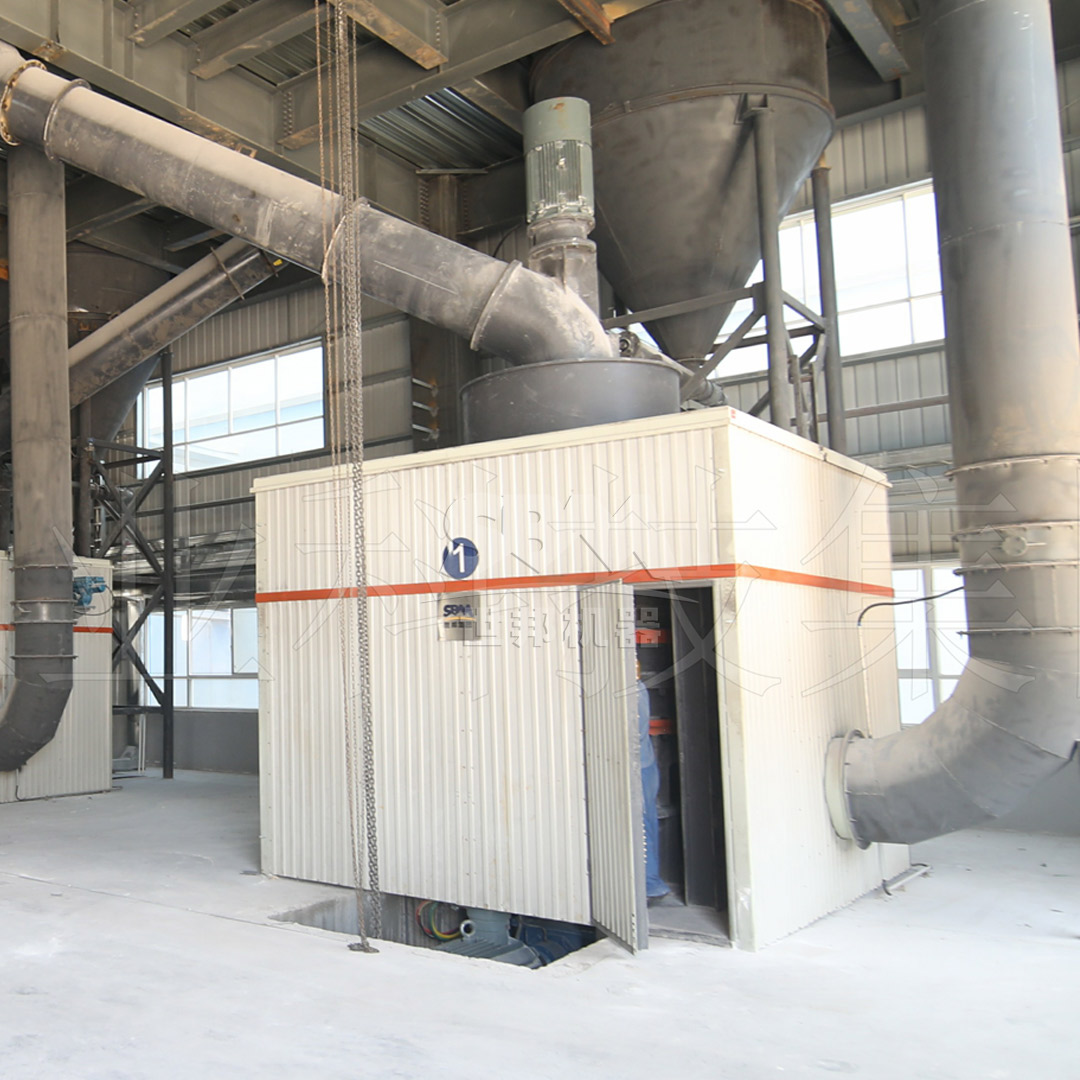
After the grinding and classification stages, the fine powder is transported by an airflow system to collection units. High-efficiency cyclone collectors and pulse-jet baghouse filters work in tandem to separate the powder from the air stream with over 99.9% efficiency. The collected powder is then conveyed to silos for homogenization. Before packaging, the powder undergoes rigorous quality control checks, including particle size analysis (via laser diffraction), moisture content measurement, and chemical composition verification. Automated packaging systems then bag the finished product for storage or shipment.
Conclusion: Integrating Technology for Optimal Results
The production of high-quality cast stone powder is a multi-stage process where each step and equipment choice profoundly impacts the final product’s characteristics and production economics. A successful operation hinges on selecting robust, efficient, and precise machinery tailored to the desired output specifications. For producers aiming to establish or upgrade a cast stone powder line, investing in advanced grinding technology like the MTW Series Trapezium Mill for intermediate grinding and the SCM Series Ultrafine Mill for final micronization is a strategic decision. These systems not only ensure superior product quality and high throughput but also deliver significant advantages in energy savings, operational stability, and environmental compliance, providing a strong competitive edge in the market.