How to Produce Calcium Carbonate for Toothpaste: Effect of Manufacturing Process and Particle Size on Abrasive Properties
Introduction
Calcium carbonate (CaCO3) is one of the most widely used abrasives in toothpaste formulations, prized for its effectiveness in plaque removal, stain cleaning, and enamel polishing. However, not all calcium carbonate is created equal. Its performance as a safe and effective abrasive is critically dependent on two key factors: the manufacturing process and the resulting particle size distribution. This article delves into the production pathways for toothpaste-grade calcium carbonate, analyzes how processing parameters influence particle characteristics, and ultimately, how these characteristics define the abrasive properties crucial for oral care applications.
1. Production Pathways for Toothpaste-Grade Calcium Carbonate
The journey from raw limestone to a refined, safe abrasive involves precise engineering. Two primary methods are employed: dry grinding and wet grinding, each imparting distinct properties to the final product.
1.1 Dry Grinding Process
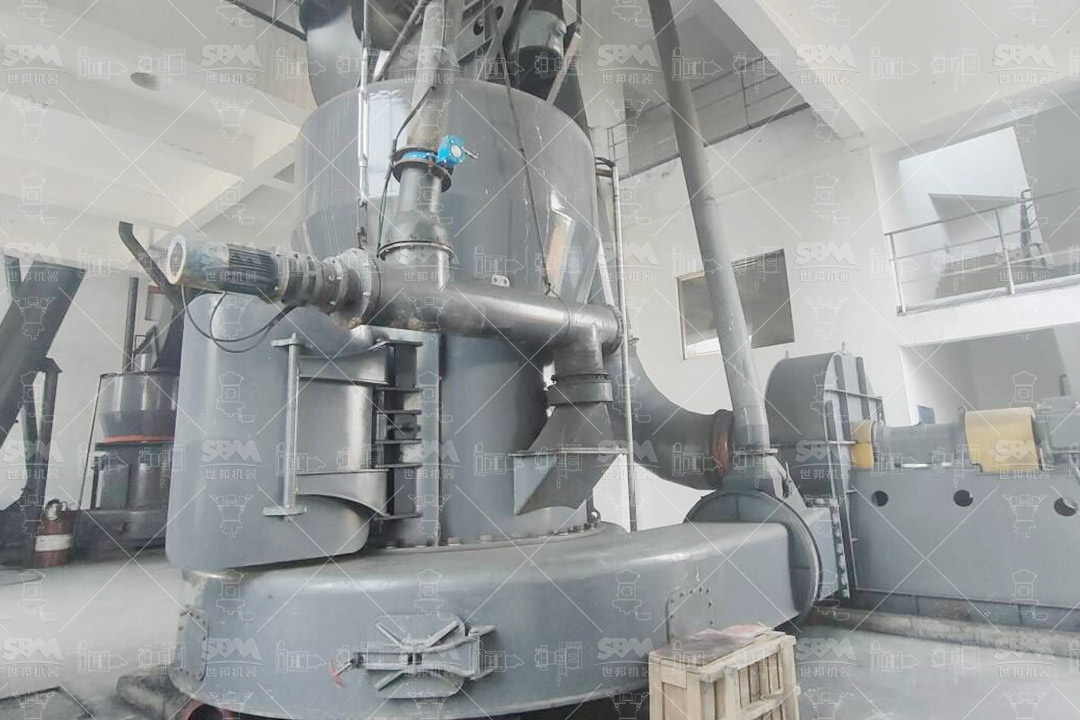
Dry grinding involves mechanically reducing mined, high-purity calcite or marble to a fine powder without the use of liquid media. The process typically includes primary crushing, followed by multiple stages of milling and classification. The absence of water makes this process less complex and often more cost-effective for certain fineness ranges. However, achieving the ultra-fine, tightly controlled particle sizes required for modern low-abrasion toothpastes demands advanced milling technology with highly efficient air classification systems to prevent over-grinding and heat generation, which can affect particle morphology.
1.2 Wet Grinding Process
Wet grinding suspends the crushed limestone in water and uses grinding media (like beads or balls) to achieve ultrafine particle sizes. This method is excellent for producing extremely fine and narrow particle size distributions, as the liquid medium helps dissipate heat and can prevent particle agglomeration. The resulting slurry is then dried (e.g., via spray drying) to produce a powder. Wet-ground calcium carbonate often has smoother particle surfaces compared to dry-ground material, which can influence its tactile feel and abrasive behavior in the toothpaste slurry.
2. The Critical Role of Particle Size and Distribution
The abrasive action of calcium carbonate is fundamentally a function of its physical interaction with tooth surfaces. Particle size parameters are the primary determinants of this interaction.
2.1 Mean Particle Size (D50)
The median particle size (D50) is a core indicator. For toothpaste abrasives, the D50 typically ranges from 5 to 15 micrometers (μm). A larger D50 generally correlates with higher cleaning power but also with increased potential for abrasion to dentin (Relative Dentin Abrasivity, RDA). Modern formulations trend towards finer median sizes (e.g., 5-8 μm) to maintain effective cleaning while minimizing RDA values for daily use safety.
2.2 Particle Size Distribution (PSD)
Perhaps even more important than the mean size is the spread of sizes. A narrow, monodisperse PSD is highly desirable. A wide distribution containing a “tail” of coarse particles can significantly increase abrasiveness and the risk of scratching enamel. Conversely, a significant fraction of ultra-fines (<1 μm) may contribute more to paste rheology than cleaning. Precision classification technology is therefore paramount to “cut off” both undesirable coarse and ultra-fine fractions, ensuring a consistent and safe product.
2.3 Particle Morphology and Surface Area
The grinding process affects particle shape. Angular, irregular particles tend to be more abrasive than rounded, smooth ones. Advanced milling techniques can modify morphology. Furthermore, specific surface area increases dramatically as particle size decreases. A higher surface area can influence paste thickening, moisture retention, and potentially the chemical reactivity of the carbonate.
3. Linking Manufacturing to Abrasive Properties: RDA and REA
The efficacy and safety of a toothpaste abrasive are quantified by two key indices: Relative Dentin Abrasivity (RDA) and Relative Enamel Abrasivity (REA).
- Process Impact on RDA: A dry grinding process that lacks precise final classification may yield a broader PSD with coarse outliers, leading to elevated RDA. In contrast, a system equipped with a high-precision classifier, like a vertical turbine classifier, can produce a tightly controlled PSD, effectively lowering and standardizing the RDA. For manufacturers targeting the premium, sensitivity, or children’s toothpaste markets where low RDA (often below 70) is critical, investing in milling technology capable of producing ultrafine (e.g., 5-10 μm), narrow-distribution powder is essential.
- Process Impact on REA: REA measures cleaning efficiency against stained enamel. A balanced abrasive requires sufficient hardness and particle size to remove pellicle and stains without damaging the underlying enamel. The consistency provided by a stable, automated grinding process ensures uniform REA values batch after batch.
4. Technology Solutions for Optimal Toothpaste Calcium Carbonate Production
Selecting the right size reduction technology is the cornerstone of producing high-quality toothpaste-grade calcium carbonate. The ideal system must combine high efficiency, precise classification, and the flexibility to produce a range of fineness levels with consistent morphology.
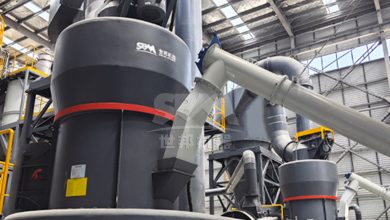
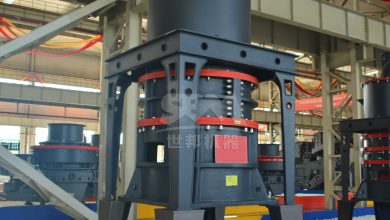
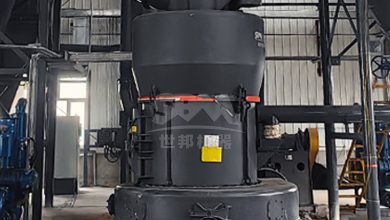
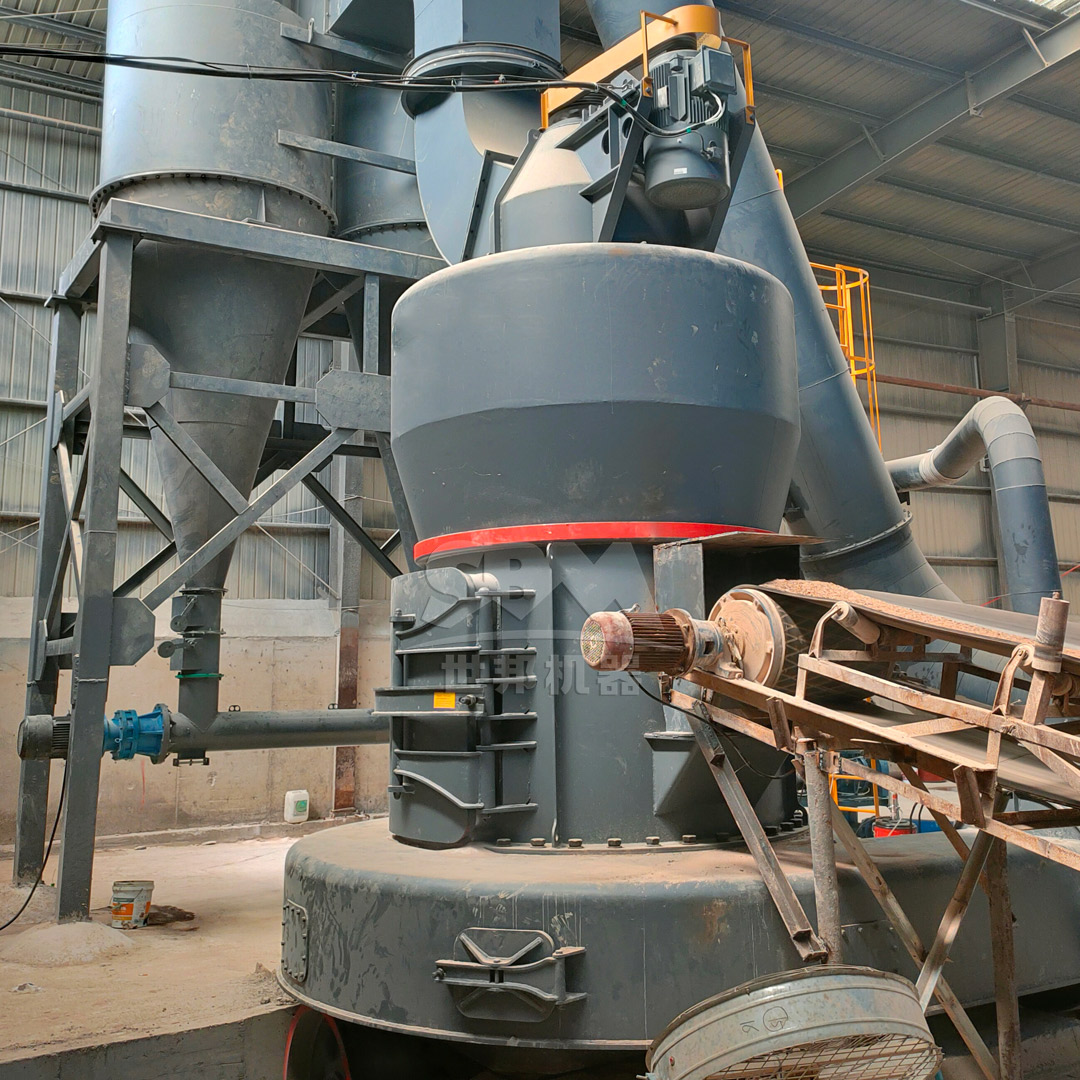
For the production of ultrafine calcium carbonate (e.g., 5-45μm, 325-2500 mesh), which is directly applicable to low-RDA toothpaste formulations, the SCM Series Ultrafine Mill represents an optimal solution. Its core advantages align perfectly with the demands of abrasive mineral processing:
- High-Precision Classification: Its vertical turbine classifier is instrumental for achieving the narrow particle size cuts necessary to eliminate abrasive coarse particles, directly contributing to controlled and safe RDA values.
- High Efficiency & Energy Saving: With capacity reported to be twice that of jet mills and 30% lower energy consumption, it offers a cost-effective route to ultrafine powders. The intelligent control system with automatic granularity feedback ensures consistent output quality.
- Eco-friendly Operation: The integrated pulse dust collection system and soundproof design meet the high environmental and workplace standards required in modern chemical and pharmaceutical-grade production facilities.
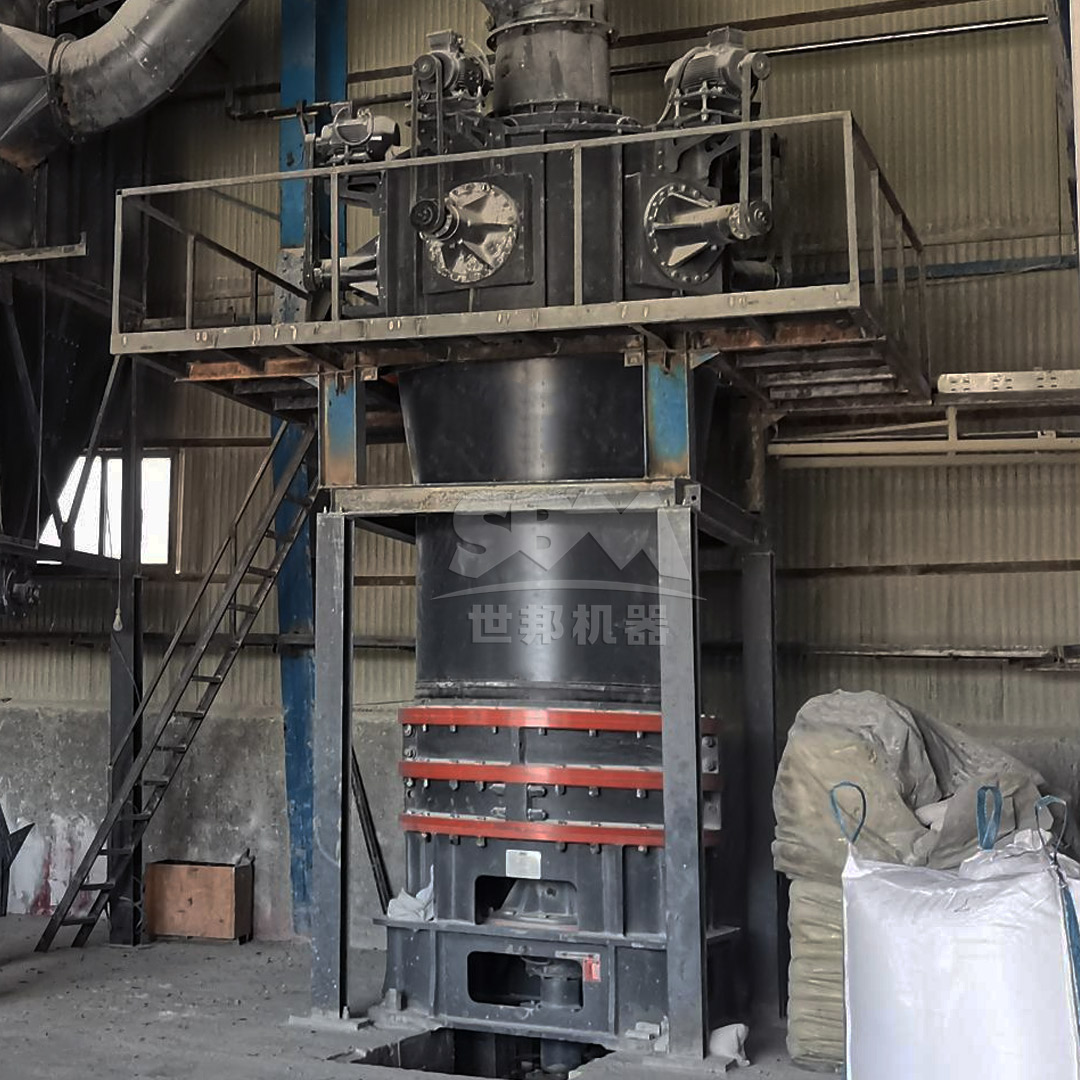
For manufacturers requiring a broader range of output or processing larger feed sizes into the fine powder range suitable for standard toothpaste abrasives (e.g., 45-600μm, 30-325 mesh), the MTW Series European Trapezium Mill is a robust and efficient choice. Its advantages include:
- Durable, Anti-wear Design: Features like combined shovel blades and curved grinding rollers extend service life and reduce maintenance costs, ensuring continuous production stability.
- Optimized Airflow and Drive: The arc air duct and integral bevel gear drive (98% transmission efficiency) enhance overall system efficiency and reliability.
- Proven Technology: It provides a reliable and scalable solution for producing consistent fine calcium carbonate powder at high capacities (3-45 ton/h).
5. Conclusion
The production of calcium carbonate for toothpaste is a precise science where the manufacturing process dictates critical particle properties. Achieving the optimal balance between effective cleaning (REA) and safe abrasion (RDA) hinges on the ability to control particle size distribution, morphology, and consistency at an industrial scale. Moving beyond traditional ball mills to advanced milling systems equipped with high-efficiency classifiers is no longer a luxury but a necessity for manufacturers aiming to compete in the high-quality oral care market. Technologies like the SCM Ultrafine Mill and MTW European Trapezium Mill provide the necessary control, efficiency, and reliability to transform raw limestone into a sophisticated, performance-engineered abrasive that cleans effectively while safeguarding oral health.