How to Produce Calcined Kaolin: Process and Methods
Introduction to Calcined Kaolin
Calcined kaolin, also known as metakaolin, is a thermally altered form of the naturally occurring clay mineral kaolinite. The calcination process involves heating raw kaolin to high temperatures (typically between 500°C and 1100°C) in a controlled environment. This thermal treatment drives off chemically bound water (dehydroxylation), alters the crystal structure, and significantly enhances the material’s properties. The resulting product exhibits superior brightness, whiteness, opacity, abrasiveness, and electrical resistivity compared to its hydrous counterpart. These enhanced characteristics make calcined kaolin a critical industrial mineral used extensively in paper coating and filling, paints and coatings, plastics, rubber, ceramics, and advanced construction materials.
Raw Material Preparation: The First Critical Step
The quality of the final calcined kaolin is intrinsically linked to the quality and preparation of the raw kaolin feed. The process begins with mining, followed by a series of beneficiation steps designed to remove impurities such as quartz, mica, iron oxides, and titanium minerals.
Key Preparation Steps Include:
- Crushing: Large chunks of mined kaolin are reduced to a manageable size, typically below 50mm, using primary crushers like jaw crushers.
- Grinding and Dispersion: The crushed material is further pulverized and mixed with water and dispersants in blungers to break down aggregates and liberate kaolin particles from associated impurities.
- Classification and Purification: Techniques like hydrocyclones, centrifuges, and magnetic separators are employed to separate fine kaolin particles from coarse grit and iron-bearing impurities. This step is crucial for achieving high brightness.
- Filtration and Drying: The purified kaolin slurry is dewatered using filter presses or rotary vacuum filters to form a “filter cake” with a moisture content of 20-35%. This cake must be dried to reduce moisture to a level suitable for efficient calcination, usually below 10%.
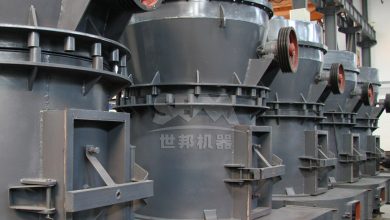
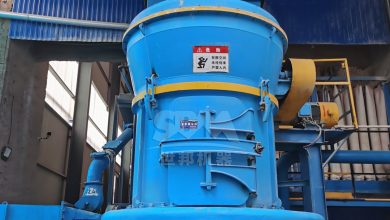
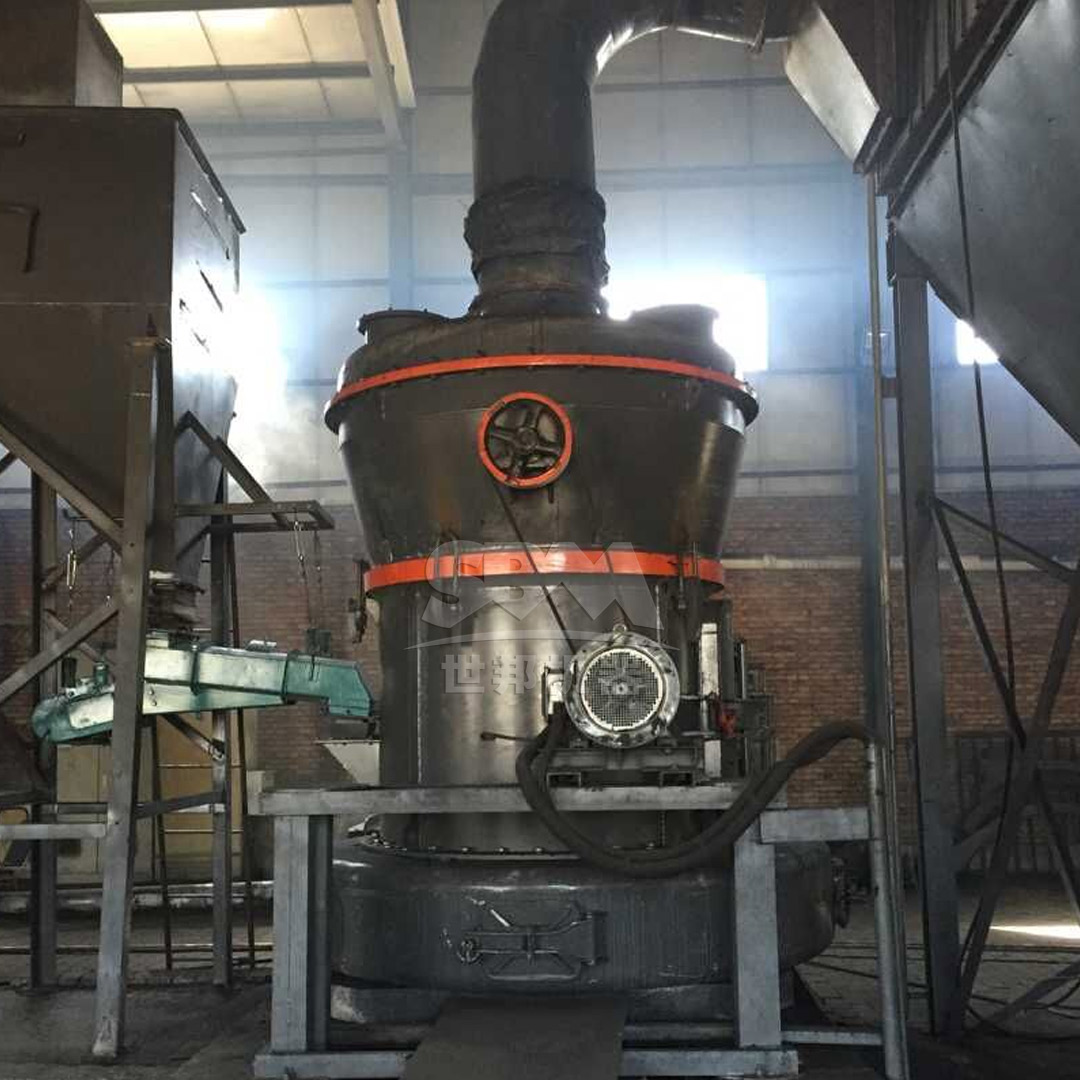
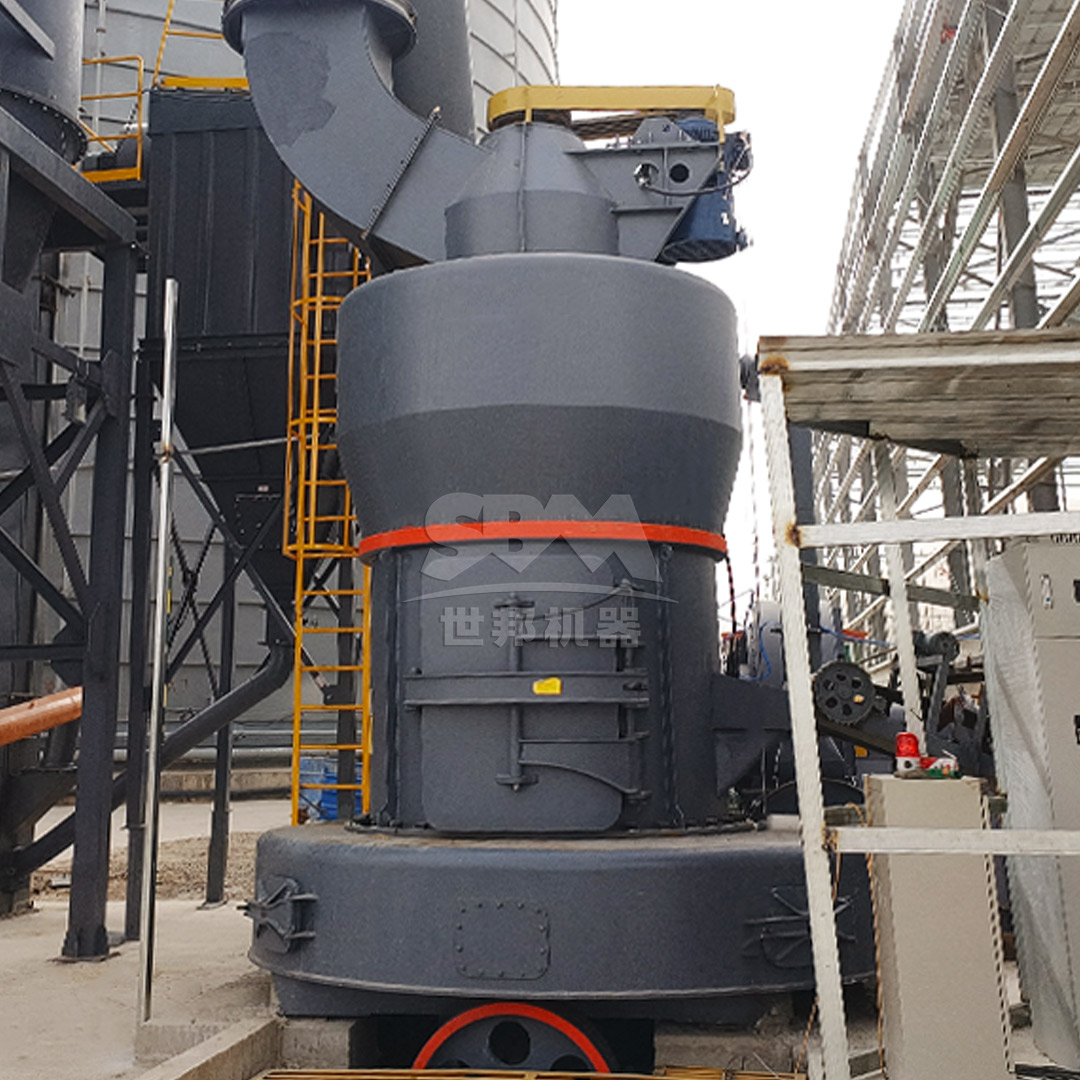
The initial size reduction of the dried filter cake or raw kaolin lumps is vital for ensuring uniform heat transfer during calcination. For this preparatory grinding stage, a robust and efficient mill is required to handle the abrasive nature of kaolin. Our MTW Series European Trapezium Mill is exceptionally well-suited for this task. With an input size capability of ≤50mm and an adjustable output fineness of 30-325 mesh (600-45μm), it can perfectly prepare the kaolin feed for the calciner. Its anti-wear shovel design and wear-resistant volute structure significantly reduce maintenance costs when processing abrasive minerals, while the integral bevel gear drive ensures stable and efficient operation.
The Calcination Process: Heart of the Operation
Calcination is the transformative thermal process. It can be carried out in various types of kilns, each with its own advantages.
1. Rotary Kilns
This is the most traditional and widely used method. Dried kaolin is fed into the upper end of a long, slowly rotating cylinder (kiln) inclined slightly downward. As the material tumbles down the kiln, it is heated by a counter-current hot gas stream from a burner at the lower end. The residence time and temperature profile are carefully controlled.
- Advantages: High capacity, well-understood technology, good for processing a wide range of feed sizes.
- Disadvantages: Higher energy consumption, larger footprint, potential for contamination from refractories, less precise temperature control leading to possible product inconsistency.
2. Vertical Calciners (Multiple Hearth Furnaces or Flash Calciners)
These are more modern and efficient systems. In a multiple hearth furnace, kaolin is raked across a series of stacked circular hearths, moving downward from one level to the next while being heated. Flash calciners suspend ultra-fine kaolin particles in a hot gas stream, achieving calcination in a matter of seconds.
- Advantages: Superior thermal efficiency, precise temperature control, uniform product quality, lower contamination risk, compact design.
- Disadvantages: Higher capital cost, requires very finely and uniformly sized feed material for optimal operation, especially for flash calciners.
The choice of kiln depends on production scale, desired product specifications, and capital/operating cost considerations.
Post-Calcination Processing: Unlocking Final Value
Once calcined, the material often requires further processing to meet specific customer requirements.
- Quenching: The hot calcined product may be rapidly cooled (quenched) with air or water to stabilize its structure and prevent re-absorption of moisture.
- Final Grinding and Classification: This is arguably the most critical post-calcination step. Calcination can cause slight agglomeration. Precise grinding is needed to achieve the target particle size distribution (PSD), which directly influences properties like opacity, gloss, and viscosity in coatings. The goal is to de-agglomerate without destroying the engineered platelet structure created during calcination.
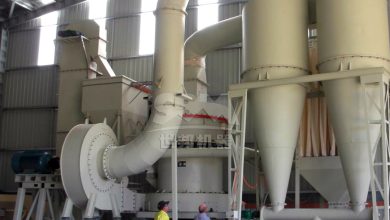
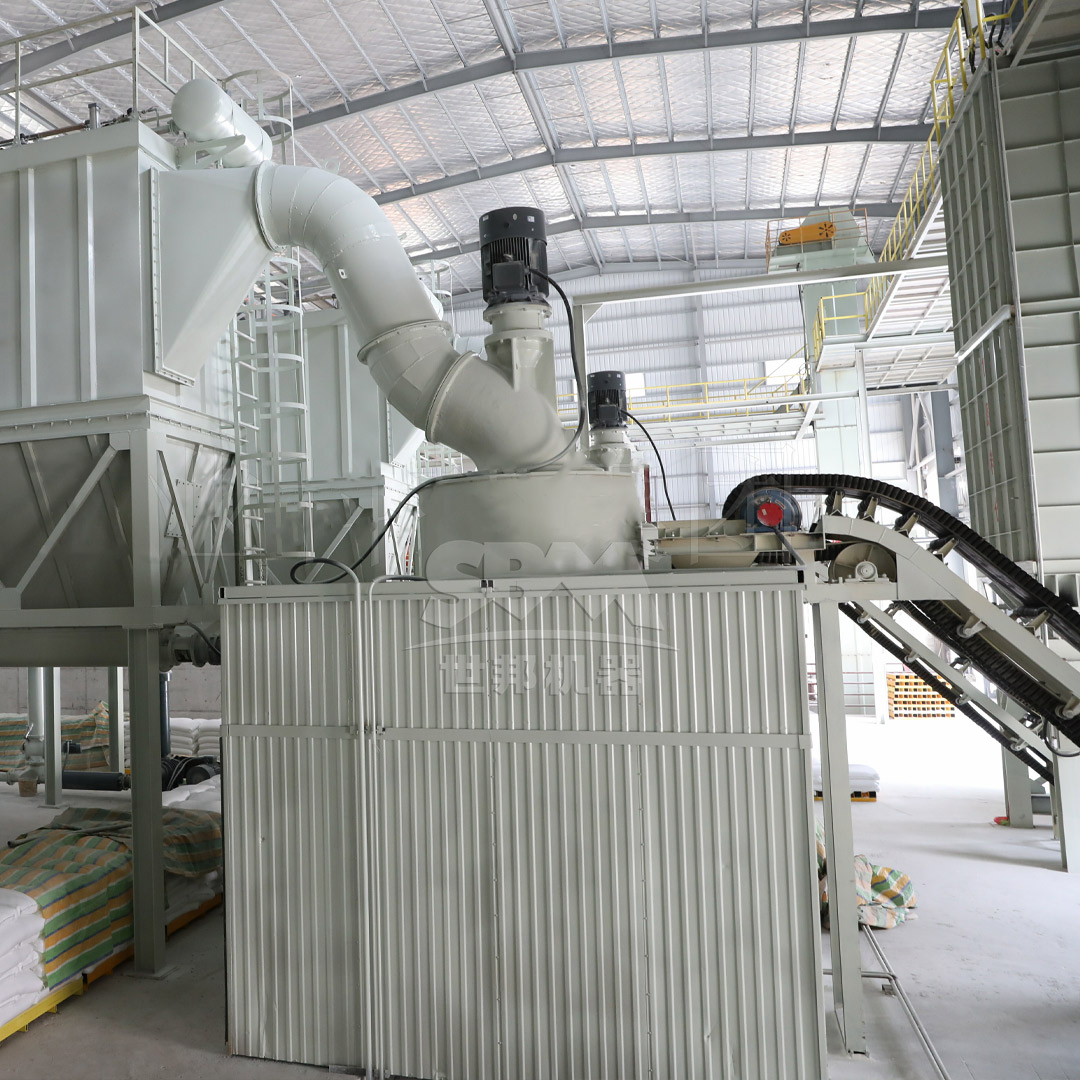
For this ultra-fine, value-added grinding step, achieving a tight, consistent PSD is paramount. Our flagship SCM Series Ultrafine Mill is the ideal solution. Engineered specifically for producing fine and ultra-fine powders in the range of 325-2500 mesh (45-5μm), it offers unparalleled precision. Its high-precision vertical turbine classifier ensures sharp particle size cuts and eliminates coarse powder mixing, guaranteeing a uniform finished product. Furthermore, its high-efficiency design consumes up to 30% less energy than traditional jet mills while offering double the capacity, making the final product processing both high-quality and cost-effective.
Quality Control and Key Product Properties
Rigorous quality control is maintained throughout the process. Key properties tested include:
- Brightness and Whiteness (ISO/GE): Primary indicators of purity and processing quality.
- Particle Size Distribution (PSD): Measured via laser diffraction; affects opacity, viscosity, and reinforcement.
- Abrasion Value (Valley or Einlehner): Important for applications where wear on equipment is a concern.
- Residual Moisture Content: Critical for storage and handling.
- Specific Surface Area (BET): Influences reactivity and performance in polymer systems.
Conclusion
The production of high-quality calcined kaolin is a sophisticated, multi-stage process that integrates mining, beneficiation, thermal treatment, and precision size reduction. Success hinges on selecting the right equipment for each stage to optimize efficiency, product consistency, and overall cost. From the preparatory grinding of raw clay with our durable MTW Series Mill to the final ultra-fine polishing of the valuable calcined product with our high-precision SCM Series Ultrafine Mill, we provide robust and technologically advanced solutions tailored to the demanding needs of the modern calcined kaolin industry. By understanding and controlling each step—from mine to micron—producers can consistently deliver engineered kaolin products that meet the exacting standards of diverse global markets.