How to Produce Activated Carbon with a Vertical Mill for Coal Grinding Process
Introduction to Activated Carbon Production
Activated carbon, a highly porous material with an extensive internal surface area, is a critical component in purification, decolorization, and adsorption applications across industries such as water treatment, food & beverage, pharmaceuticals, and air filtration. Its production typically involves two key stages: carbonization of a carbon-rich precursor (like coal, wood, or coconut shells) and subsequent activation. The physical activation process, often using steam or CO2 at high temperatures, is highly dependent on the initial particle size and uniformity of the carbonized material. This is where precision coal grinding becomes paramount. A consistent, fine, and narrowly distributed coal powder provides a larger reactive surface area during activation, leading to higher yield, superior pore structure development, and more efficient production. Vertical roller mills (VRMs) have emerged as the technology of choice for this demanding grinding application.
The Critical Role of Grinding in Activation
The quality of the final activated carbon is intrinsically linked to the properties of the ground coal feedstock. Inconsistent particle size can lead to uneven activation, where some particles are over-activated (losing structure) while others are under-activated (resulting in low surface area). This not only wastes energy and raw material but also produces a batch with variable performance. The ideal grinding system for activated carbon precursor preparation must deliver:
- Controlled Fineness: Ability to produce powder in a specific, narrow range (typically from 30 mesh to 325 mesh or finer, depending on the target product).
- High Uniformity: Minimal oversized or undersized particles to ensure homogeneous activation.
- Energy Efficiency: The grinding process itself is energy-intensive; optimizing specific energy consumption (kWh/ton) is crucial for operational economics.
- System Integration: Seamless integration with drying, classification, and dust collection systems for a closed, environmentally compliant process.
- Low Contamination: The grinding mechanism should minimize iron or other contamination that could affect the purity of the activated carbon.
Why Vertical Roller Mills are Ideal for Coal Grinding
Compared to traditional ball mills or Raymond mills, Vertical Roller Mills offer a suite of advantages perfectly aligned with the needs of modern activated carbon plants.
1. Principle of Operation and Efficiency
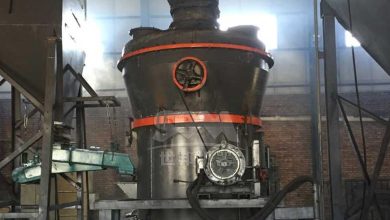
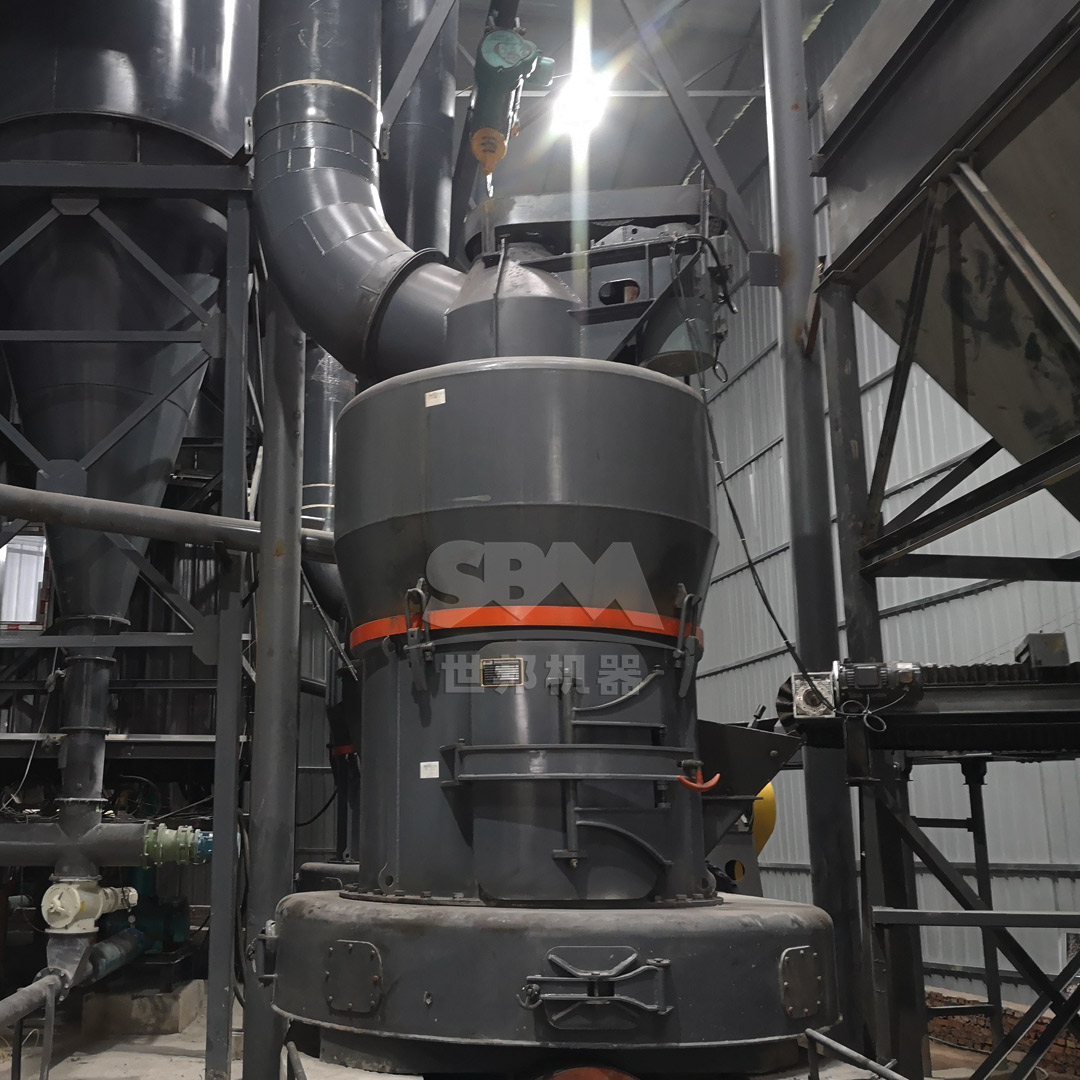
A VRM utilizes 2-4 grinding rollers that hydraulically press against a rotating grinding table. Feed material is introduced centrally, spread by centrifugal force, and ground between the rollers and the table. The ground material is then transported by process air to an integrated dynamic classifier. This dry grinding process is inherently more efficient than ball milling due to direct particle-on-particle compression and lower wear metal-to-metal contact. The integrated classifier allows for instant adjustment of product fineness without stopping the mill.
2. Key Advantages for Activated Carbon Production
- Superior Particle Size Distribution: The high-precision turbine classifier ensures a sharp cut, producing a uniform product essential for consistent activation.
- Significant Energy Savings: VRMs can reduce specific energy consumption by 30-50% compared to ball mill systems, a major factor in reducing production costs.
- Integrated Drying: Hot gas can be introduced directly into the grinding chamber, simultaneously drying moist coal feedstock—a common requirement—and grinding it, eliminating the need for a separate dryer.
- Compact Footprint & Low Noise: Their vertical design and integrated system components require less floor space and operate at lower noise levels.
- Environmental Compliance: The entire grinding process operates under negative pressure, with high-efficiency pulse jet bag filters ensuring dust emissions are well below international standards.
Recommended Equipment for the Process
Selecting the right VRM model is critical to match the required capacity, feed size, and product fineness of an activated carbon line. Based on the common requirements for grinding coal to a fine powder for activation, we highly recommend our LM Series Vertical Roller Mill and our SCM Series Ultrafine Mill for different stages or product specifications.
Primary Recommendation: LM Series Vertical Roller Mill
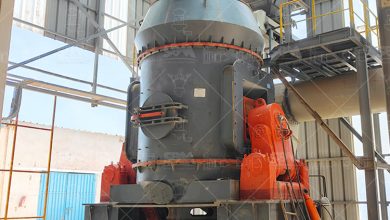
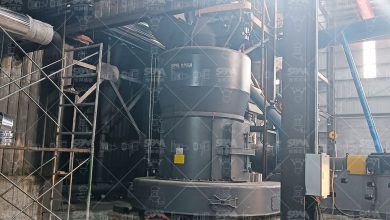
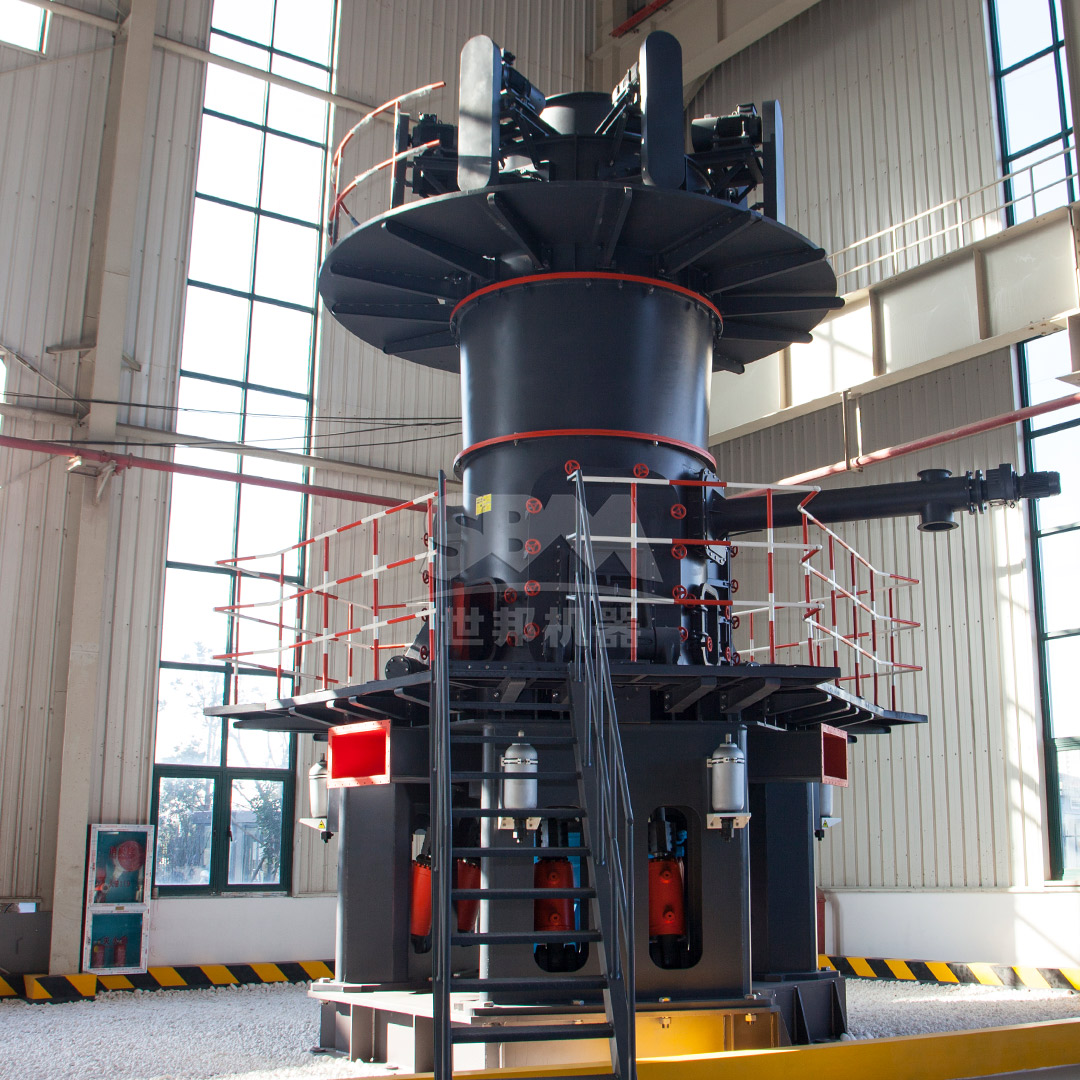
For high-capacity production of activated carbon precursor powder in the range of 30-325 mesh, the LM Series Vertical Roller Mill is the industry workhorse. Its robust design and intelligent features make it perfectly suited for continuous, large-scale operation.
- Core Parameters for Activated Carbon: It handles feed coal up to 50mm in size and can produce powder from 30 mesh (600μm) down to 325 mesh (45μm), with capacities ranging from 3 to over 250 tons per hour depending on the model.
- Technical Advantages:
- Integrated Design: Combines crushing, grinding, drying, classifying, and conveying in one unit, reducing plant footprint by 50% and civil costs by 40%.
- Low Operating Cost: Features a non-contact design between rollers and the table liner, increasing wear part life. Its energy consumption is 30-40% lower than traditional ball mill systems.
- Intelligent Control: An expert-level auto-control system allows for remote monitoring and adjustment, ensuring stable product fineness and reducing manual intervention.
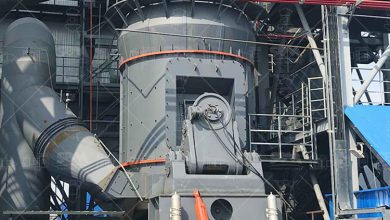
- Proven for Coal: Specific models like the LM Vertical Coal Mill series (LM80M to LM280M) are engineered for pulverized coal, with fineness adjustable between 5-20% residue on 90μm sieve.
For Ultrafine or Specialized Grades: SCM Series Ultrafine Mill
When the production process requires even finer precursor powder to create specialized high-surface-area activated carbon (e.g., for gas phase adsorption), the SCM Series Ultrafine Mill is the optimal solution. It is designed to produce powders in the range of 325-2500 mesh (5-45μm).
- Core Parameters: It accepts feed sizes up to 20mm and delivers ultrafine powder with high uniformity. Capacities range from 0.5 to 25 tons per hour.
- Technical Advantages:
- High-Precision Classification: Its vertical turbine classifier achieves precise particle size cuts, ensuring no coarse powder is mixed into the final product—a critical factor for uniform pore development during activation.
- High Efficiency & Energy Saving: Offers twice the capacity of jet mills with approximately 30% lower energy consumption.
- Durable & Eco-friendly: Built with special material rollers and rings for extended life, and features a pulse dust collection system with efficiency exceeding international standards.
Process Integration and Best Practices
Integrating a VRM into an activated carbon production line involves more than just the mill. A typical system includes:
- Raw Coal Feed System: With pre-crusher (if necessary) and controlled feeder.
- Vertical Roller Mill (e.g., LM Series): The core grinding and drying unit.
- Hot Gas Generator: Provides heat for in-mill drying of coal.
- High-Efficiency Cyclone & Baghouse Filter: Collects the final product and ensures clean exhaust.
- Product Conveying & Storage: Transfers the ground coal to silos before carbonization and activation furnaces.
Best Practice: Implement the mill’s intelligent control system to maintain constant grinding pressure, bed thickness, and classifier speed. This stabilizes the product fineness, which is the single most important variable for the downstream activation process. Regular maintenance of grinding rollers and table liners, as per the manufacturer’s schedule, ensures consistent performance and avoids unexpected downtime.
Conclusion
The shift towards Vertical Roller Mill technology for grinding coal in activated carbon production represents a significant step forward in process optimization. By delivering precisely controlled, uniform, and energy-efficient grinding, VRMs like our LM Series and SCM Series directly contribute to higher quality activated carbon, reduced operating costs, and a smaller environmental footprint. Investing in the right grinding technology is not merely an equipment purchase; it is a strategic decision that enhances the competitiveness and sustainability of the entire activated carbon manufacturing operation.