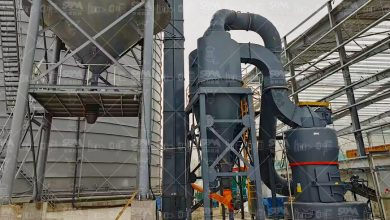
How to Process Pig Blood into Feed? Pig Blood Grinding Machine and Production Process
Introduction to Pig Blood Processing for Animal Feed
The utilization of pig blood as a valuable protein source in animal feed represents a sustainable approach to byproduct management in the meat processing industry. Fresh pig blood contains approximately 17-18% high-quality protein, essential amino acids, vitamins, and minerals, making it an excellent nutritional supplement for livestock, poultry, and aquaculture feeds. However, proper processing is crucial to ensure safety, stability, and nutritional bioavailability.
The transformation of liquid pig blood into stable feed ingredients requires specialized equipment and controlled processes to prevent microbial contamination, denature anti-nutritional factors, and create a product with optimal physical characteristics for feed formulation. This comprehensive guide explores the technical aspects of pig blood processing, with particular emphasis on grinding technology selection and production methodology.
Pig Blood Collection and Preliminary Treatment
Collection Best Practices
Proper collection is the foundation of quality blood meal production. Implement hygienic bleeding procedures using stainless steel equipment to minimize contamination. Utilize food-grade anticoagulants such as sodium citrate (0.2-0.5%) or EDTA (0.1-0.2%) to prevent coagulation during collection and transportation. Maintain blood temperature below 15°C during storage and transport to inhibit microbial growth.
Coagulation and Separation
For plasma separation, employ continuous centrifuges operating at 10,000-15,000 x g to separate red blood cells from plasma. The coagulation process for whole blood typically involves steam injection or direct steam heating to 80-90°C, forming solid clots that can be dewatered through mechanical pressing or centrifugation to reduce moisture content to 65-75%.
Drying Technologies for Blood Products
Spray Drying for Plasma
Liquid plasma is concentrated to 20-25% solids through evaporation before spray drying. Optimal spray drying parameters include inlet temperatures of 200-220°C and outlet temperatures of 80-90°C. This rapid drying preserves protein functionality while achieving moisture content below 8%.
Ring Drying for Red Blood Cells
For red blood cell concentrates, ring dryers provide efficient thermal processing with integrated particle classification. Operating temperatures typically range from 400-500°C at the inlet to 70-80°C at the outlet, with residence times of 10-30 seconds depending on the initial moisture content.
Flash Drying for Whole Blood
Flash drying systems combine disintegrated coagulated blood with hot air (500-600°C) in a pneumatic conveying system, achieving rapid moisture reduction to 8-10% in seconds. This method offers high thermal efficiency and continuous operation capabilities.
Grinding and Particle Size Reduction
The Critical Role of Grinding in Blood Meal Quality
Proper grinding transforms dried blood chunks into uniform powder with optimal physical characteristics for feed manufacturing. The particle size distribution directly affects mixing homogeneity, flowability, digestibility, and handling properties. Target particle sizes for blood meal in animal feed typically range from 100-500 microns, with specific applications requiring finer or coarser specifications.
Challenges in Blood Meal Grinding
Dried blood presents unique grinding challenges due to its thermoplastic nature, protein structure, and potential for heat-induced denaturation. Conventional hammer mills often generate excessive heat through impact, potentially damaging heat-sensitive nutrients and causing material agglomeration on screen surfaces. Additionally, the fibrous nature of flash-dried blood requires specialized cutting and shearing actions rather than pure impact comminution.
Selecting the Optimal Pig Blood Grinding Machine
Key Selection Criteria
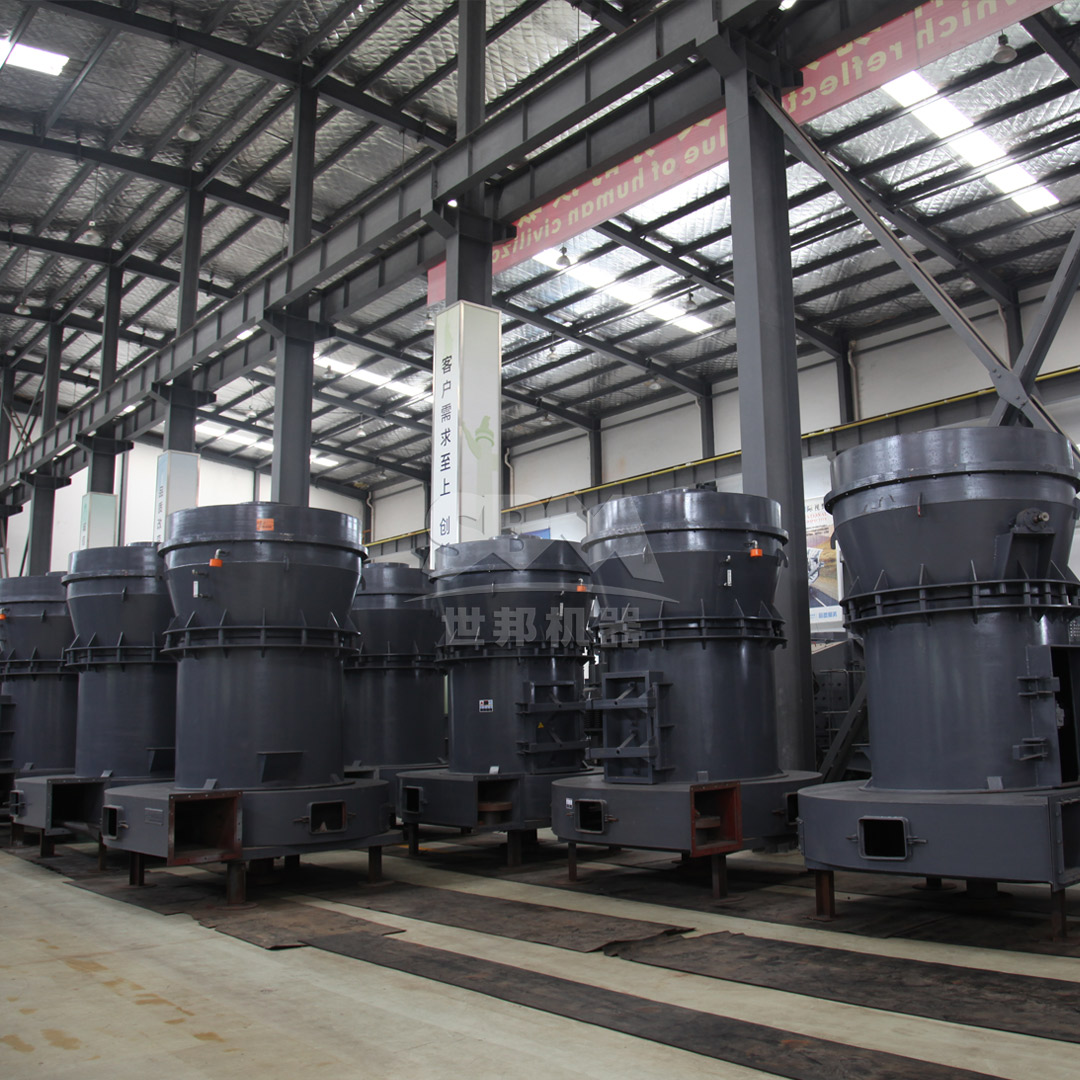
When choosing grinding equipment for blood meal production, consider multiple factors: particle size requirements, production capacity, thermal sensitivity, energy efficiency, maintenance demands, and sanitation requirements. The ideal system should provide precise particle size control, minimal heat generation, high throughput, easy cleanability, and robust construction for continuous operation.
Comparative Analysis of Grinding Technologies
Hammer mills offer high capacity but generate significant heat and provide limited particle size control. Roller mills produce more uniform particle distributions with lower temperature rise but may struggle with fibrous materials. Pin mills excel in fine grinding applications but consume more energy per ton. Air classifying mills provide the tightest particle size distributions but at higher capital and operating costs.
Recommended Grinding Solutions for Blood Meal Production
SCM Series Ultrafine Mill for High-Value Applications
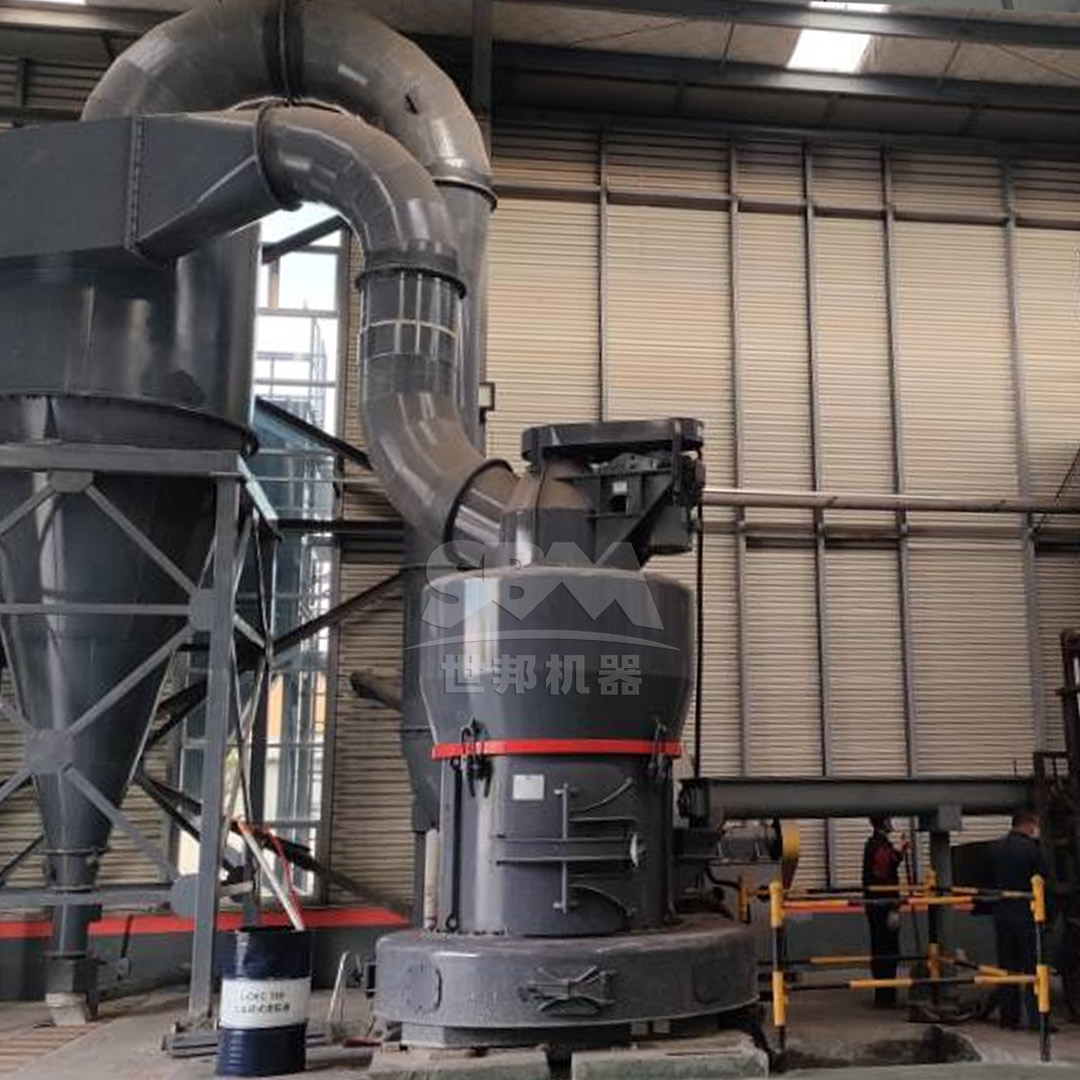
For operations requiring ultra-fine blood meal (325-2500 mesh) for specialty feeds, aquaculture diets, or premium nutritional products, our SCM Ultrafine Mill delivers exceptional performance. This system features a unique grinding chamber design with multiple grinding rings and rollers that progressively reduce particle size through compression rather than impact, minimizing heat generation and preserving protein quality.
The SCM series offers several distinct advantages for blood meal processing:
- Precise Temperature Control: Advanced cooling systems maintain grinding temperatures below 45°C, preventing protein denaturation
- High-Efficiency Classification: Integrated turbo classifiers ensure exact particle size distributions with no coarse contamination
- Energy Efficiency: Operating at 30% lower energy consumption compared to conventional impact mills
- Hygienic Design: Smooth surfaces, quick-disconnect components, and CIP capabilities meet food safety standards
With models ranging from the SCM800 (0.5-4.5 t/h) to the SCM1680 (5.0-25 t/h), operations can select capacity-matched solutions. The ability to produce D97 ≤ 5μm particles makes this system ideal for high-value blood plasma applications requiring exceptional solubility and bioavailability.
MTW Series Trapezium Mill for General Feed Applications
For standard blood meal production targeting conventional livestock and poultry feeds, our MTW Series Trapezium Mill provides outstanding reliability and cost-effectiveness. This robust system handles input materials up to 50mm and produces consistent powders in the 30-325 mesh range, ideal for most feed formulations.
Key benefits of the MTW series for blood meal processing include:
- Advanced Wear Protection: Curved shovel blade design and special alloy grinding components extend service life when processing abrasive dried blood
- Optimized Airflow: Curved air duct design reduces resistance and improves collection efficiency
- High Transmission Efficiency: Integral gear transmission operates at 98% efficiency with reduced maintenance requirements
- Comprehensive Dust Control: Pulse dust collector systems maintain workplace air quality below regulatory limits
The MTW series offers capacities from 3-45 t/h across multiple models, with the MTW215G providing the highest throughput for large-scale operations. The combination of durability, efficiency, and particle control makes this system an excellent choice for high-volume blood meal production.
Complete Production Process for Pig Blood Meal
Process Flow Overview
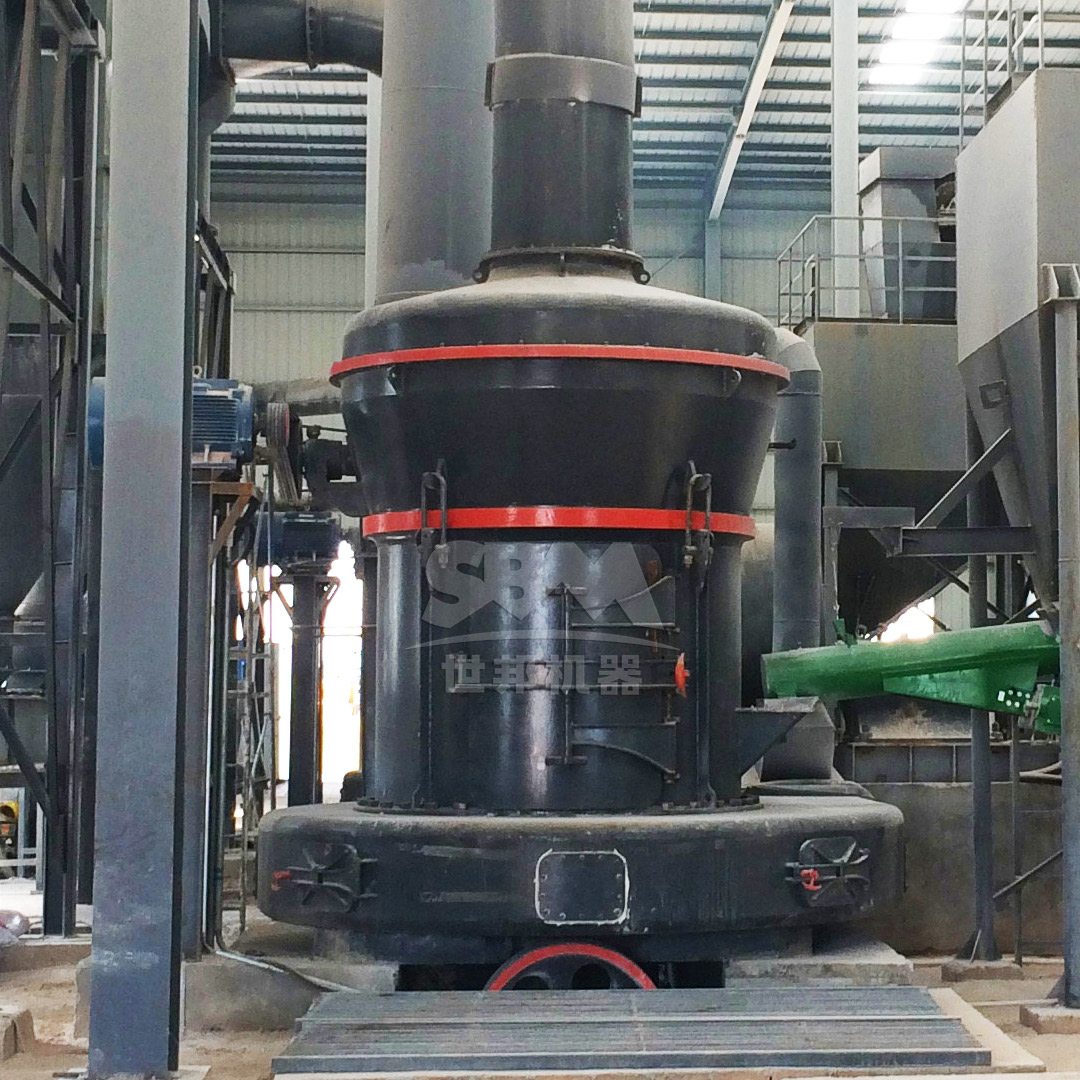
A comprehensive blood meal production system integrates multiple unit operations: collection → anticoagulation → coagulation → dewatering → drying → grinding → packaging. Each stage requires precise control to optimize product quality and operational efficiency.
Integrated Production Line Configuration
Modern blood processing facilities typically arrange equipment in a continuous flow configuration. After drying, the brittle blood chunks are conveyed to grinding systems, preferably using enclosed vibratory or pneumatic conveyors to minimize dust generation and contamination risk. The ground powder is transported to storage silos via mechanical or pneumatic systems, with magnetic separators installed at transfer points to remove any ferrous contamination.
Quality Control and Product Specifications
Critical Quality Parameters
Monitor these essential quality indicators: protein content (minimum 85% dry matter basis), moisture (maximum 10%), ash (maximum 6%), particle size distribution (90% between 100-500μm for most applications), microbiological counts (total plate count < 50,000 CFU/g, Salmonella absent in 25g), and color (uniform dark red to brown).
Analytical Methods
Implement regular testing using standardized methods: Kjeldahl for protein, oven drying for moisture, muffle furnace for ash, laser diffraction for particle size, and standard microbiological protocols for sanitation verification. Near-infrared spectroscopy (NIRS) provides rapid at-line monitoring of key parameters.
Economic Considerations and Return on Investment
Capital and Operating Costs
The grinding system represents approximately 15-25% of total blood processing facility investment. Our SCM and MTW series mills offer favorable ROI through energy savings (20-30% reduction compared to conventional systems), reduced maintenance costs (extended component life), and higher product value (improved quality specifications).
Production Economics
A typical medium-scale operation processing 10 tons of fresh blood daily can generate approximately 1.7-2.0 tons of blood meal, with grinding costs representing 8-12% of total processing expenses. Proper equipment selection can reduce these costs by 15-20% while improving product marketability.
Regulatory Compliance and Safety Considerations
Feed Safety Regulations
Comply with local feed regulations including FDA requirements (USA), EU Feed Hygiene Regulation (EC No. 183/2005), and relevant national standards. Implement HACCP programs with critical control points at coagulation temperature/time, drying parameters, and final product storage conditions.
Workplace Safety
Address specific blood processing hazards including biological risks (pathogen exposure), dust explosion potential (minimum explosive concentration for blood meal is approximately 60g/m³), and mechanical hazards from grinding equipment. Install appropriate guards, dust collection systems, and sanitation protocols.
Conclusion
Modern pig blood processing into high-quality feed ingredients requires sophisticated grinding technology to maximize nutritional value, ensure safety, and meet precise physical specifications. The selection between ultra-fine grinding systems like our SCM series and general-purpose mills like the MTW series depends on specific product requirements, capacity needs, and economic considerations. Proper implementation of the complete processing chain—from hygienic collection through controlled drying and precision grinding—transforms a slaughterhouse byproduct into a valuable protein resource that supports sustainable animal agriculture.
As global demand for animal protein continues to grow, efficient utilization of processing co-products like blood becomes increasingly important. Investing in appropriate grinding technology represents a strategic decision that enhances operational profitability while contributing to circular economy principles in meat production.