How to Process Gold Mine Tailings: Efficient Treatment Methods and Equipment
Introduction: The Untapped Potential of Gold Mine Tailings
Gold mine tailings, the residual materials left after the primary extraction of gold from ore, have long been considered a significant environmental liability. Historically stored in vast impoundments, these tailings represent not only a potential source of pollution but also a substantial economic opportunity. Modern mineral processing technology has evolved to view tailings not as waste, but as a secondary resource containing residual gold, often in fine or locked particles that earlier extraction methods could not recover. Efficient treatment of these tailings is a multi-faceted challenge, requiring a combination of advanced physical, chemical, and mechanical processes to liberate and recover valuable minerals, while ensuring environmental safety and operational sustainability. This article explores the comprehensive methodologies and state-of-the-art equipment essential for transforming gold tailings from a liability into a profitable and responsible operation.
Understanding Gold Tailings: Composition and Challenges
Gold tailings are typically composed of finely ground rock particles, process water, and residual chemicals from the initial beneficiation process, such as cyanide or flotation reagents. The primary challenges in reprocessing tailings include:
- Ultra-Fine Particle Size: The gold is often locked within or associated with extremely fine silicate or sulfide minerals, requiring ultra-fine grinding for liberation.
- Low Grade: The concentration of residual gold is usually much lower than in primary ore, demanding highly efficient and cost-effective processing methods.
- Environmental Compliance: Processing must be designed to prevent the release of contaminants, manage water usage, and ensure the stability of final residue.
- De-watering and Material Handling: Tailings are often stored as a slurry, requiring efficient solid-liquid separation before any dry processing can begin.
Overcoming these challenges necessitates a tailored flowsheet and robust, efficient equipment.
Key Stages in Gold Tailings Processing
1. Pre-Treatment: Desliming and Classification
The first step often involves separating the fine clay and silt fractions (slimes) from the coarser sand fraction. This is crucial because slimes can interfere with subsequent processes like gravity separation or flotation by increasing reagent consumption and reducing efficiency. Hydrocyclones or classifiers are typically employed for this stage. The coarser fraction, which often carries the majority of the recoverable gold, is then routed to the main processing circuit.
2. Liberation: The Critical Role of Grinding and Milling
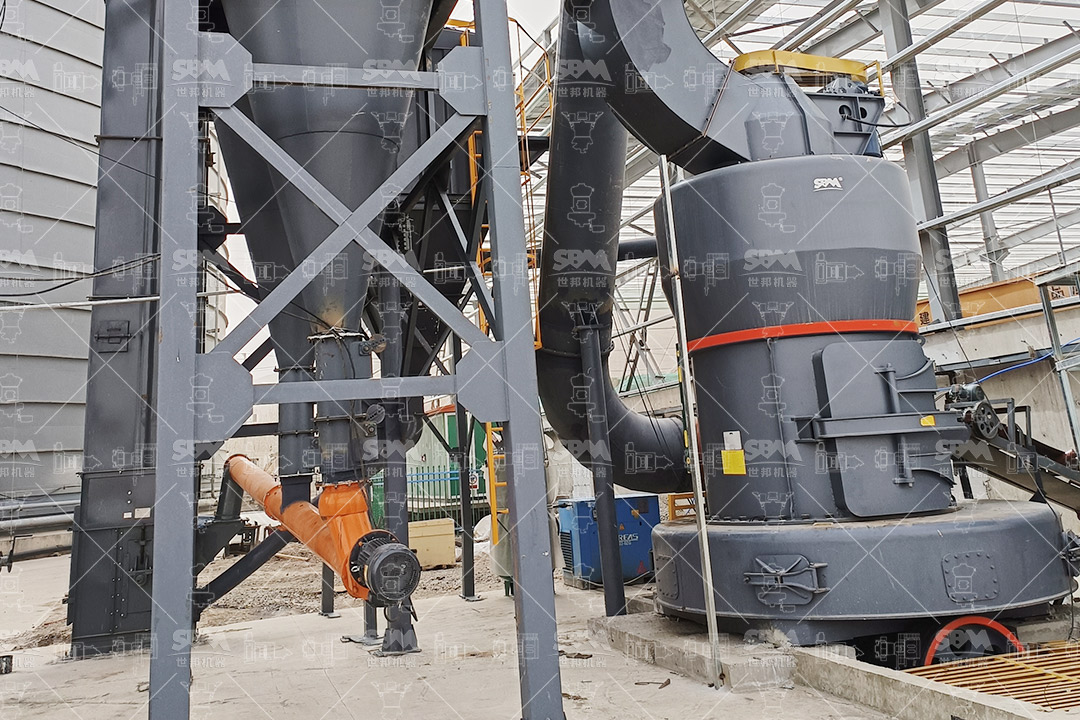
This is the most critical stage for successful gold recovery from refractory or locked particles in tailings. The goal is to reduce the particle size sufficiently to expose the gold for chemical attack or physical separation. The choice of milling equipment depends on the target fineness, throughput, and energy efficiency requirements.
- For Coarse Grinding (to ~100 mesh): Ball Mills or Rod Mills are traditional workhorses, capable of handling large volumes. They are robust but can be less energy-efficient for producing very fine products.
- For Fine to Ultra-Fine Grinding (below 325 mesh): This is where advanced milling technology becomes paramount. To liberate micron-sized gold particles, mills capable of producing powders in the range of 325 to over 2000 mesh are essential.
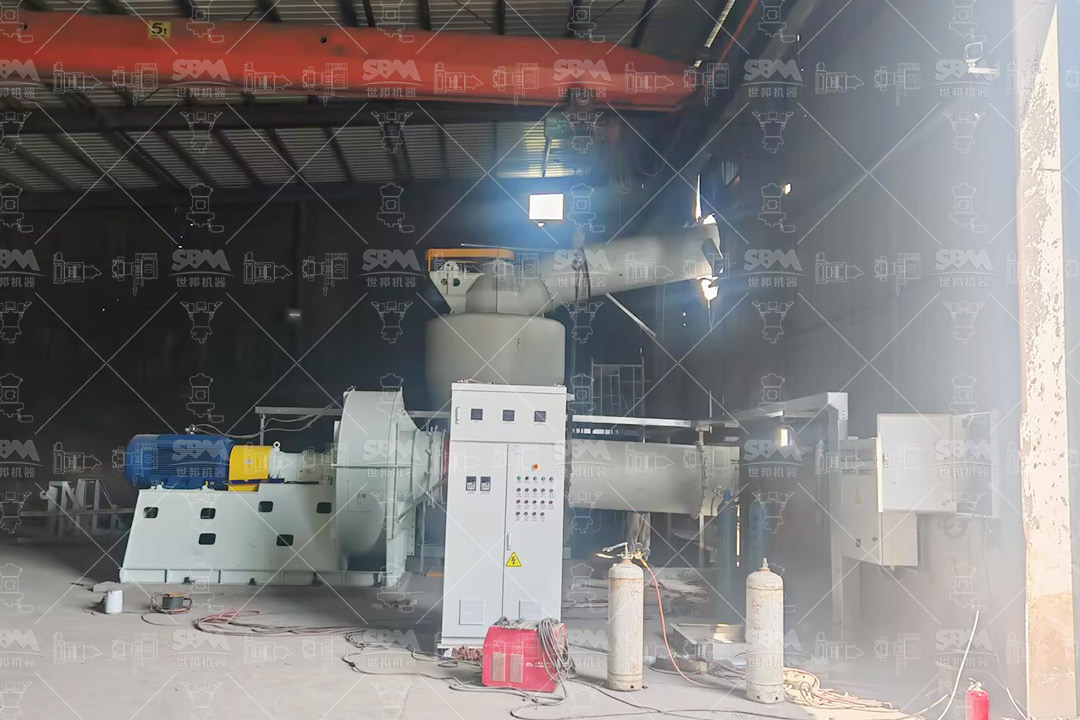
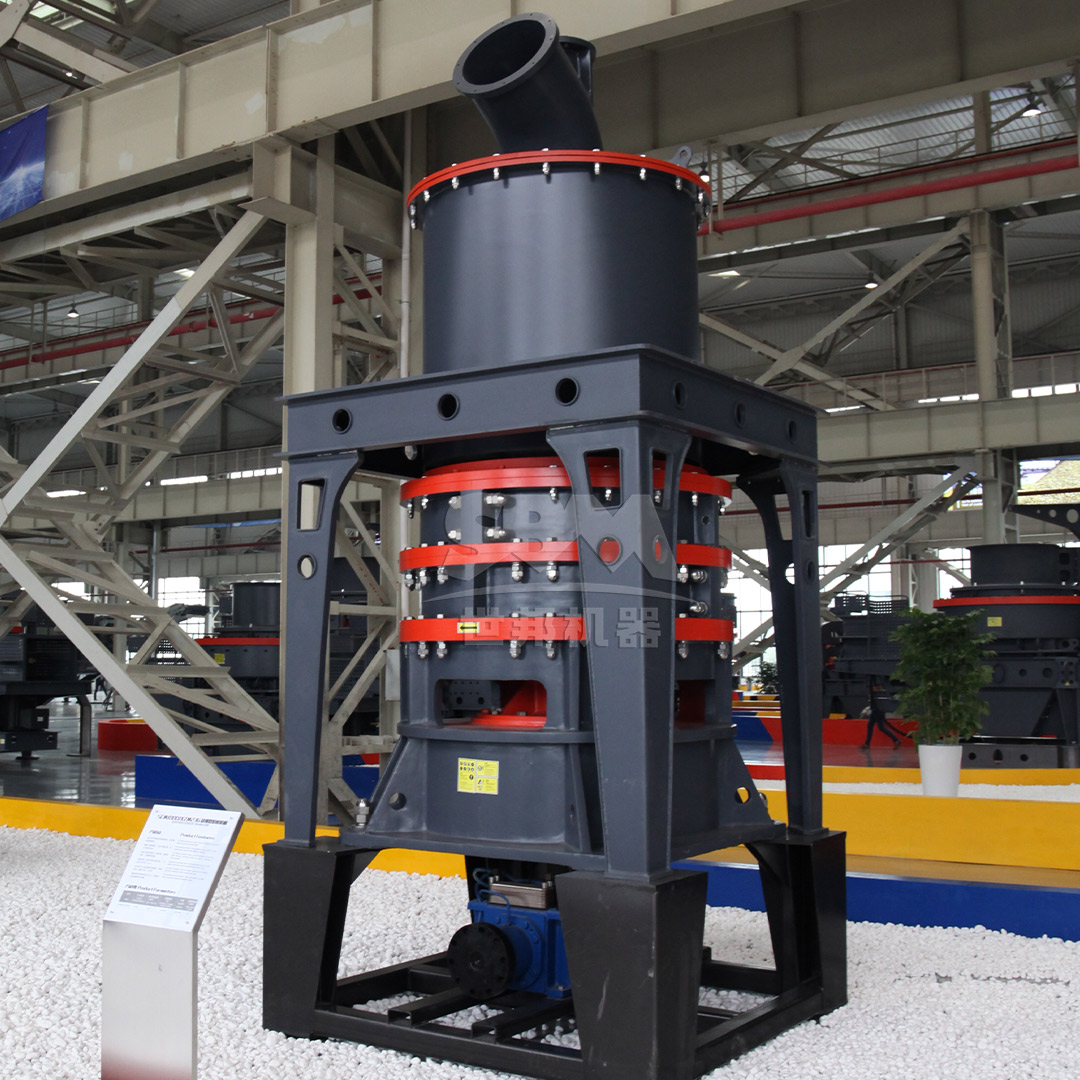
For this ultra-fine grinding application, we highly recommend our SCM Series Ultrafine Mill. Engineered specifically for high-efficiency, fine-powder production, the SCM mill is ideal for processing gold tailings to unlock refractory gold. Its vertical turbine classifier ensures precise particle size cutting with no coarse powder mixing, resulting in a uniform product that maximizes gold exposure for cyanidation or other recovery methods. With an output fineness range of 325-2500 mesh (45-5μm) and capacities from 0.5 to 25 tons per hour, it offers a scalable solution. Its high-efficiency design consumes 30% less energy than traditional jet mills while delivering double the capacity, and its fully enclosed, pulse-dust-collected system ensures an environmentally clean operation—a critical factor in modern tailings reprocessing plants.
3. Concentration and Recovery
Once liberated, the gold must be concentrated and recovered. Common methods include:
- Gravity Separation: Using centrifugal concentrators (e.g., Knelson, Falcon) to recover free-milling gold based on density differences. Effective for coarser liberated gold.
- Flotation: Recovering gold associated with sulfide minerals by making them hydrophobic. This is effective for certain types of tailings where gold is locked in sulfides.
- Cyanidation (CIL/CIP): The most common method for recovering fine, liberated gold. The ground slurry is leached with a cyanide solution, and gold is adsorbed onto activated carbon (CIP) or added simultaneously in tanks (CIL).
- Alternative Lixiviants: For environmentally sensitive projects, thiourea or thiosulfate leaching may be considered.
4. Tailings Disposal and Water Management
The final, processed tailings must be disposed of safely. Modern best practice involves:
- Filtered Tailings (Dry Stacking): Using high-pressure filter presses to produce a cake with low moisture content, which can be stacked geotechnically stable. This eliminates the need for wet impoundments and greatly reduces environmental risk.
- Water Recycling: Maximizing the recycling of process water from thickeners and filters back into the plant, minimizing freshwater consumption and effluent discharge.
Designing an Integrated Processing Plant
A successful tailings retreatment operation requires an integrated approach. The plant design must consider the specific mineralogy of the tailings, target recovery rate, capital and operating costs, and stringent environmental regulations. Modular plant designs are becoming increasingly popular for their flexibility and shorter commissioning times.
For the initial size reduction of reclaimed tailings or for projects requiring high-capacity grinding in the 30-325 mesh range, our MTW Series European Trapezium Mill presents an excellent solution. With a large feed size (up to 50mm) and high capacity (3-45 TPH depending on model), it is perfect for the primary or secondary grinding stage in a tailings circuit. Its integral bevel gear drive boasts 98% transmission efficiency, saving energy, while its anti-wear shovel and optimized arc air duct design ensure durability and stable operation with reduced maintenance costs. This mill provides the robust performance needed for the continuous processing of abrasive tailings material.
Conclusion: A Sustainable and Profitable Future
The reprocessing of gold mine tailings is no longer just a niche activity but a vital component of the circular economy in mining. It offers a path to recover valuable resources, reduce environmental footprints, and rehabilitate legacy sites. The key to economic viability lies in selecting highly efficient, reliable, and environmentally sound processing equipment. From ultra-fine grinding with mills like the SCM Series to high-capacity processing with the MTW Series, advanced technology enables operators to meet both their recovery goals and their sustainability commitments. By adopting a holistic and technology-driven approach, the mining industry can effectively turn historical waste into future wealth, setting a new standard for responsible resource management.