How to Process Calcium Carbonate into Fine Powder: A Complete Guide
Introduction
Calcium carbonate (CaCO3) is one of the most abundant and versatile minerals on Earth, finding critical applications in industries ranging from plastics, paints, and coatings to paper, pharmaceuticals, and food. The value of calcium carbonate is intrinsically linked to its particle size, morphology, and purity. Transforming raw limestone or marble into a functional fine powder requires a sophisticated, multi-stage process and the right industrial equipment. This comprehensive guide will walk you through the essential steps of calcium carbonate processing, from quarrying to final classification, and highlight how selecting optimal grinding technology is paramount to achieving desired product quality and operational efficiency.
1. From Quarry to Plant: Raw Material Preparation
The journey of fine calcium carbonate powder begins at the quarry. High-purity limestone or marble deposits are identified and extracted through drilling and blasting operations.
1.1 Primary Crushing
Extracted large rocks (often exceeding 1 meter in size) are first reduced in primary crushers, such as jaw crushers or gyratory crushers. The goal here is to achieve a manageable size, typically below 200-300mm, for further handling and transportation to the processing plant.
1.2 Secondary Crushing and Washing
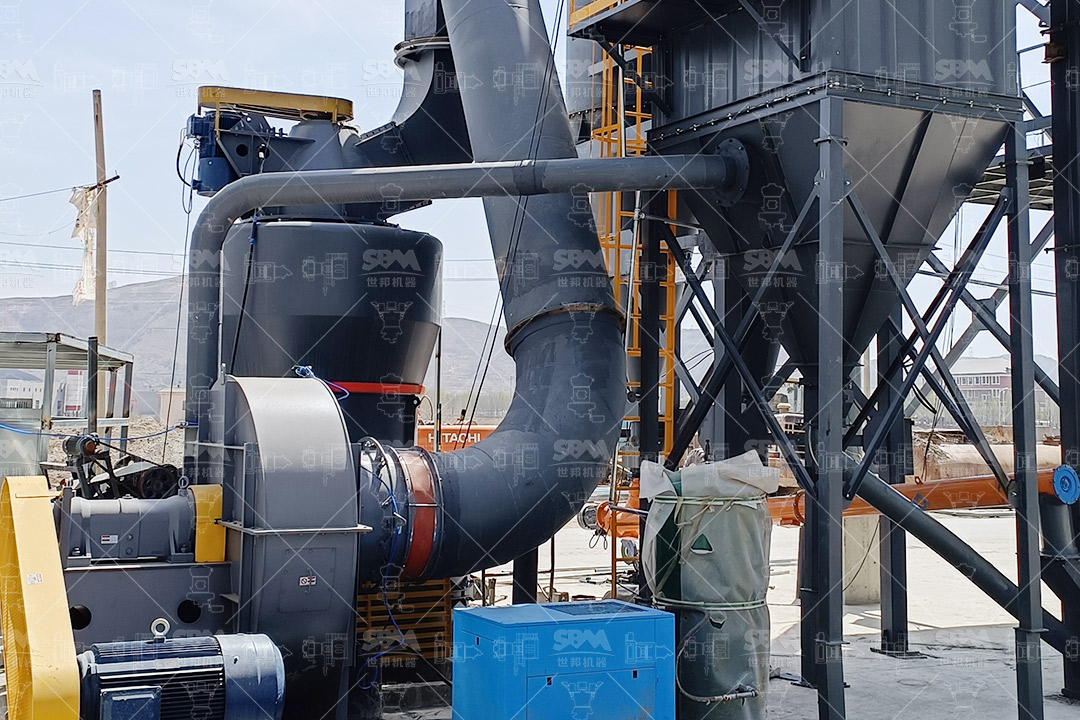
The coarsely crushed material then undergoes secondary crushing in impact crushers or cone crushers to reduce it further to a size usually below 50mm. At this stage, washing is often employed to remove clay, soil, and other impurities that can affect the whiteness and chemical purity of the final product. A log washer or scrubber tumbles the material with water to dislodge and wash away contaminants.
2. The Heart of the Process: Grinding and Classification
This is the most critical phase where the prepared feed material is transformed into powder. The choice of grinding mill depends entirely on the target particle size distribution (PSD) and the required production capacity.
2.1 Coarse to Medium Grinding (600 – 45μm / 30 – 325 mesh)
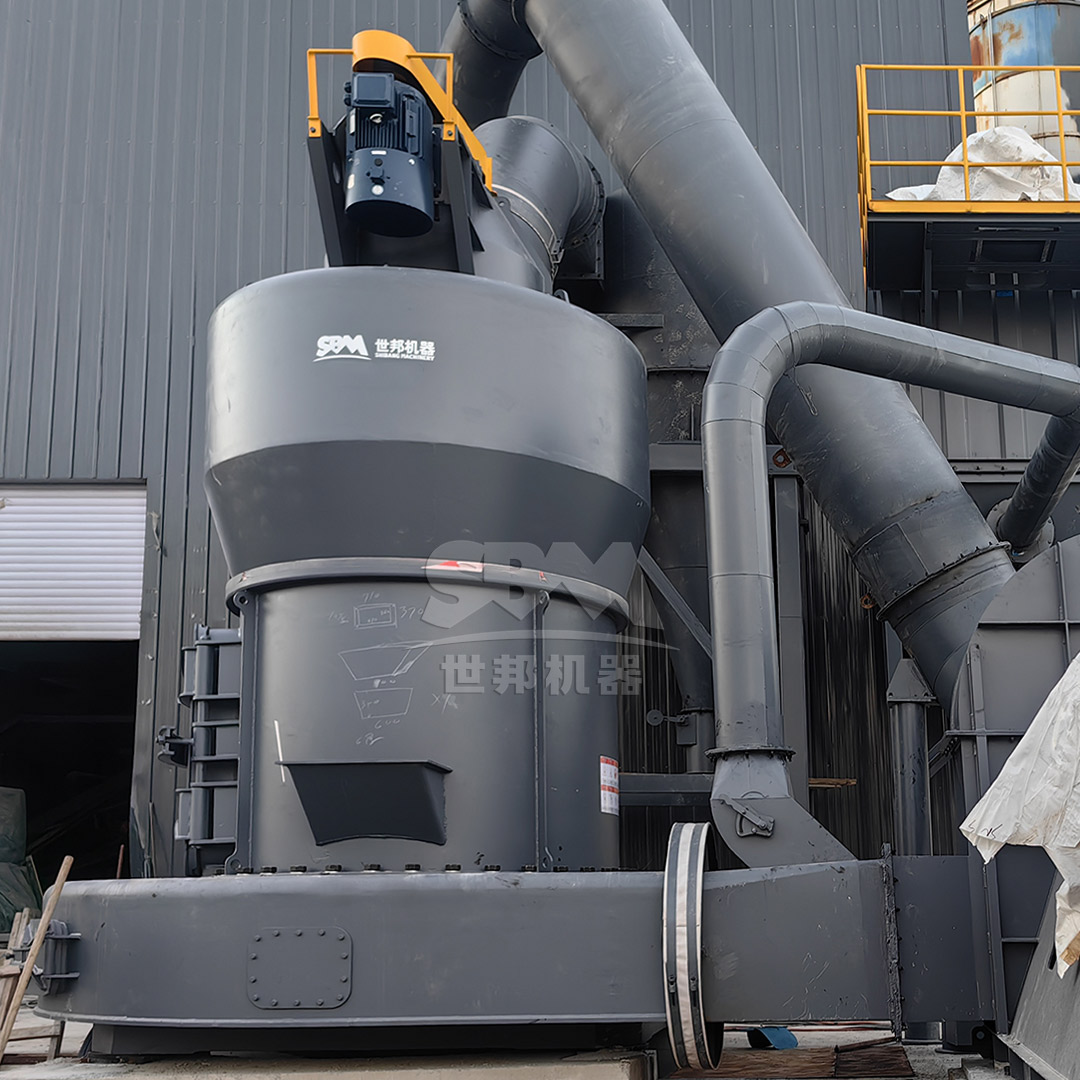
For applications like animal feed, asphalt, or as a filler in construction materials, a relatively coarse powder is sufficient. Raymond mills (pendulum roller mills) and European-type trapezium mills are industry workhorses for this range.
Recommended Technology: MTW Series European Trapezium Mill
For robust, high-capacity production of ground calcium carbonate (GCC) in the 30-325 mesh range, our MTW Series European Trapezium Mill stands out. Its innovative design features an integral bevel gear drive with 98% transmission efficiency, saving energy and space. The anti-wear shovel design and optimized arc air duct significantly reduce maintenance costs and improve grinding efficiency. With capacities from 3 to 45 tons per hour and the ability to handle feed sizes up to 50mm, the MTW series is a reliable and cost-effective solution for medium-fineness GCC production.
2.2 Fine and Ultrafine Grinding (45 – 5μm / 325 – 2500 mesh)
High-value applications in plastics, masterbatch, sealants, and high-quality paper coatings demand ultrafine powders with tight particle size distributions. This requires more advanced grinding technology.
Recommended Technology: SCM Series Ultrafine Mill
To achieve the finest grades of calcium carbonate, our SCM Series Ultrafine Mill is the technology of choice. Engineered for high efficiency and precision, it can produce powder from 325 mesh down to an impressive 2500 mesh (5μm). Its core advantages include a high-precision vertical turbine classifier that ensures sharp particle size cuts without coarse powder mixing. Furthermore, it offers high efficiency with energy consumption 30% lower than traditional jet mills while providing double the capacity. The durable design, featuring special material rollers and rings, along with its eco-friendly pulse dust collection system, makes the SCM series ideal for producing premium ultrafine GCC.
2.3 Alternative Technologies: Vertical Roller Mills & Ball Mills
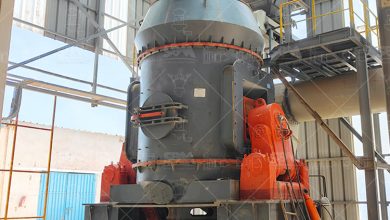
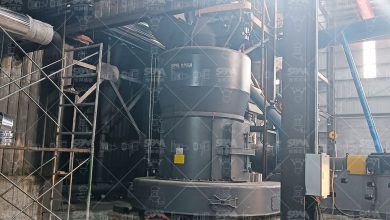
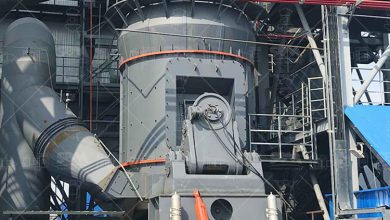
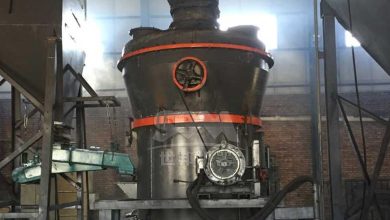
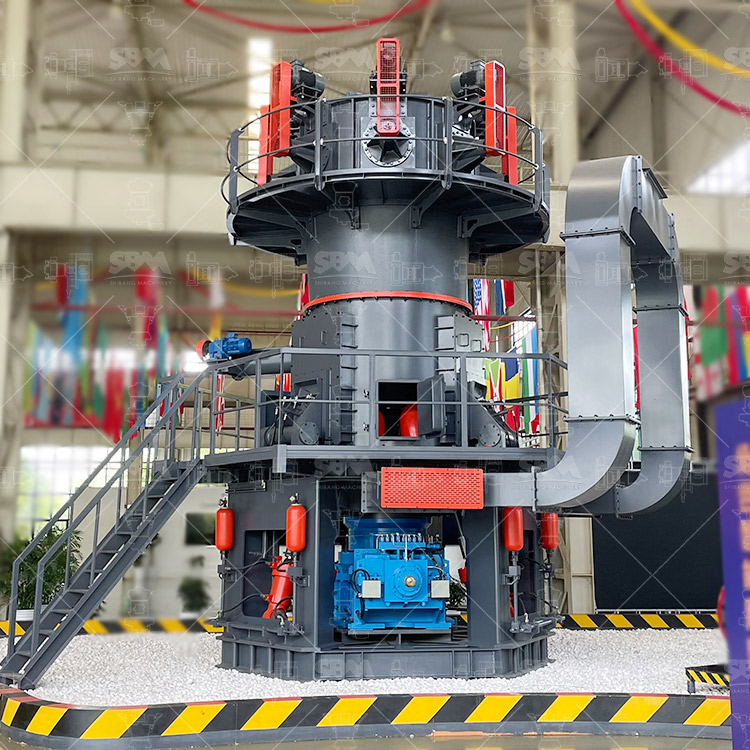
Vertical Roller Mills (VRMs), like our LM Series, offer excellent energy efficiency (30-40% lower than ball mills) for large-scale production of fine GCC. They integrate crushing, grinding, drying, and classification in a single unit.
Ball Mills are a traditional and versatile option for both wet and dry grinding, capable of producing a wide range of fineness but generally with higher energy consumption compared to VRMs for fine grinding.
3. Post-Processing: The Final Touch
After grinding, the powder often undergoes additional treatment to enhance its properties.
3.1 Surface Modification
To improve compatibility with organic polymers (e.g., in plastics), calcium carbonate particles are coated with stearic acid or other coupling agents. This hydrophobic coating improves dispersion, reduces viscosity, and enhances mechanical properties in the composite material.
3.2 Classification and Separation
Even after grinding, a classification step using air classifiers is crucial to ensure the final product meets the exact PSD specifications. Oversize particles are separated and may be returned to the mill for further grinding.
3.3 Drying, Packaging, and Storage
If wet processing or surface modification with slurry is used, the product must be dried in rotary dryers or flash dryers. The final dry powder is then conveyed to silos for bulk storage or packaged into bags or big bags for shipment.
4. Key Considerations for Plant Design and Operation
- Feed Material Hardness & Purity: The Bond Work Index and impurity content dictate mill selection and power requirements.
- Target Fineness & Output: This is the primary driver for choosing between mill types (e.g., MTW vs. SCM).
- Energy Efficiency: Grinding is energy-intensive. Modern mills like the SCM and MTW series are designed to maximize throughput per kilowatt-hour.
- Environmental Controls: Dust collection via baghouse filters or cartridge collectors is essential to meet emission standards and protect worker health.
- Automation: Modern mills feature PLC-based control systems for stable operation, consistent product quality, and reduced labor costs.
Conclusion
Processing calcium carbonate into a high-quality fine powder is a precise engineering endeavor that moves from macroscopic rocks to microscopic particles. Each stage—crushing, grinding, classification, and surface treatment—plays a vital role in defining the final product’s characteristics. Success in this field hinges not only on process knowledge but also on investing in the right grinding technology. For producers aiming to cover a broad market spectrum, leveraging a portfolio of mills like the high-capacity MTW Series European Trapezium Mill for coarse-to-medium grades and the precision-engineered SCM Series Ultrafine Mill for high-value superfine products provides a complete, efficient, and competitive solution for the global calcium carbonate market.