How to Process Bauxite into Calcium Aluminate Powder: Grinding Techniques and Production Process
Introduction
The production of high-purity calcium aluminate powder, a critical material for advanced refractories, cements, and metallurgical fluxes, begins with the careful processing of its primary raw material: bauxite. Bauxite, an aluminum-rich ore, must undergo a series of precise mechanical and thermal treatments to transform into the fine, reactive powder required by modern industry. The grinding stage is particularly crucial, as it directly impacts the powder’s reactivity, sintering behavior, and final product performance. This article provides a comprehensive overview of the production process from raw bauxite to finished calcium aluminate powder, with a special focus on advanced grinding technologies and equipment selection.
From Raw Bauxite to Calcium Aluminate: The Production Workflow
The transformation of bauxite into calcium aluminate powder is a multi-stage process, each step designed to purify, react, and refine the material.
1. Raw Material Preparation and Beneficiation
High-quality bauxite is first crushed and screened to a uniform size. Beneficiation processes, such as washing or magnetic separation, may be employed to reduce impurities like silica (SiO2) and iron oxide (Fe2O3), which can adversely affect the final product’s melting point and chemical stability.
2. Calcination
The beneficiated bauxite is calcined in a rotary kiln at temperatures typically between 1400°C and 1600°C. This process drives off chemically bound water (from gibbsite or boehmite) and initiates the conversion of aluminum hydroxides into reactive alumina (Al2O3). The degree of calcination is critical for the subsequent synthesis reaction.
3. Synthesis of Calcium Aluminate
The calcined bauxite (primarily Al2O3) is then mixed with a calcium source, usually high-calcium lime (CaO), in precise stoichiometric ratios corresponding to the desired calcium aluminate phase (e.g., CA, CA2, or C12A7). The mixture is fed into a high-temperature furnace or kiln, where a solid-state reaction occurs at temperatures exceeding 1500°C, forming calcium aluminate clinker.
4. Clinker Cooling and Primary Crushing
The molten or sintered clinker is rapidly cooled (often by air or water quenching) to preserve the desired crystalline phases and enhance grindability. The cooled clinker is then broken down by a primary crusher, such as a jaw crusher or hammer mill, to a manageable size (typically below 50mm) for the grinding circuit.
The Heart of the Process: Grinding Technologies for Calcium Aluminate Powder
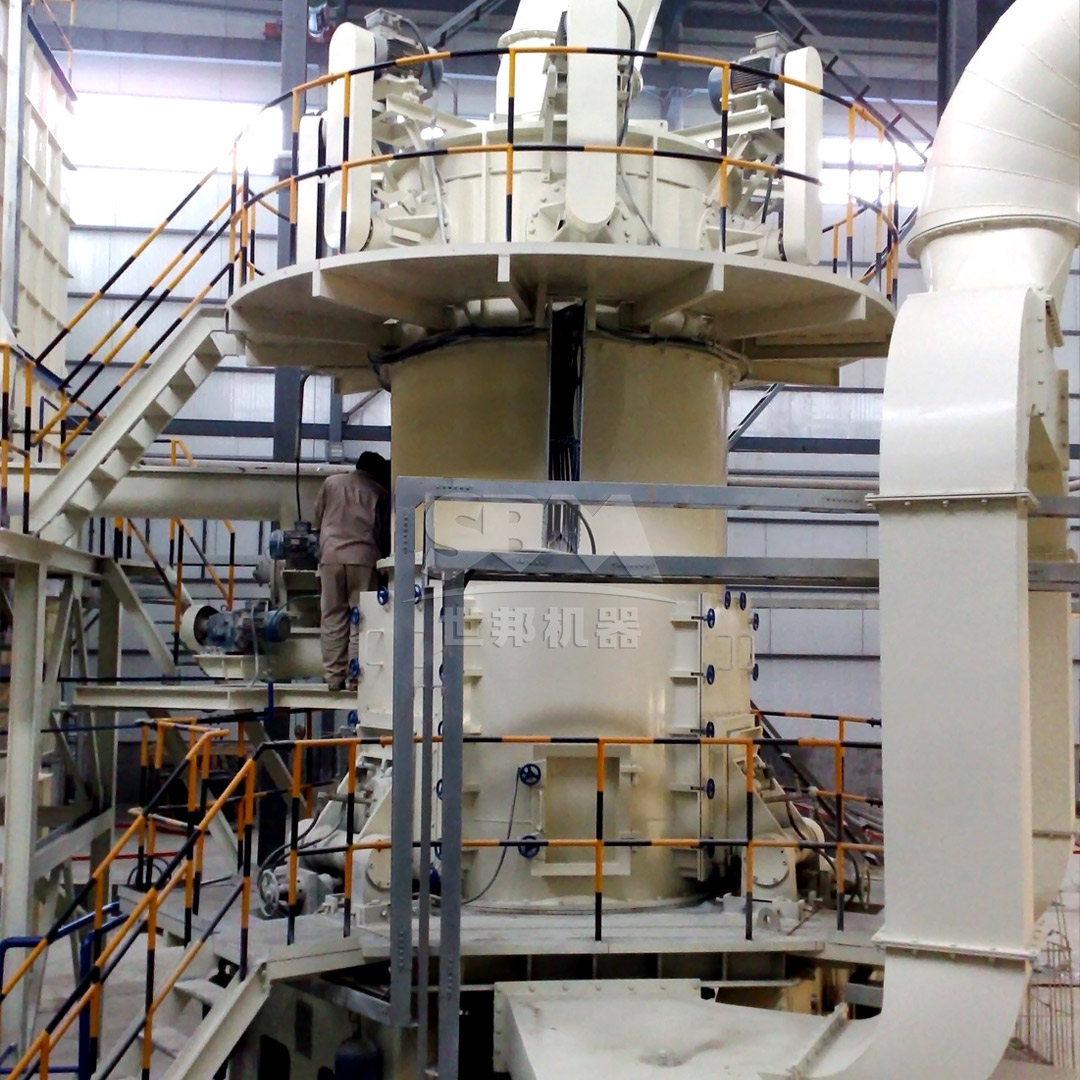
The final particle size distribution and surface area of the powder are paramount. The choice of grinding system depends on the required fineness, production capacity, and energy efficiency goals. The process often involves a multi-stage grinding approach.
Stage 1: Intermediate Grinding (Coarse to Medium Fine)
Primary crushed clinker (≤50mm) needs to be reduced to a finer feed size suitable for final ultra-fine grinding. This stage targets a particle size range of approximately 30 mesh to 100 mesh (600 to 150 microns).
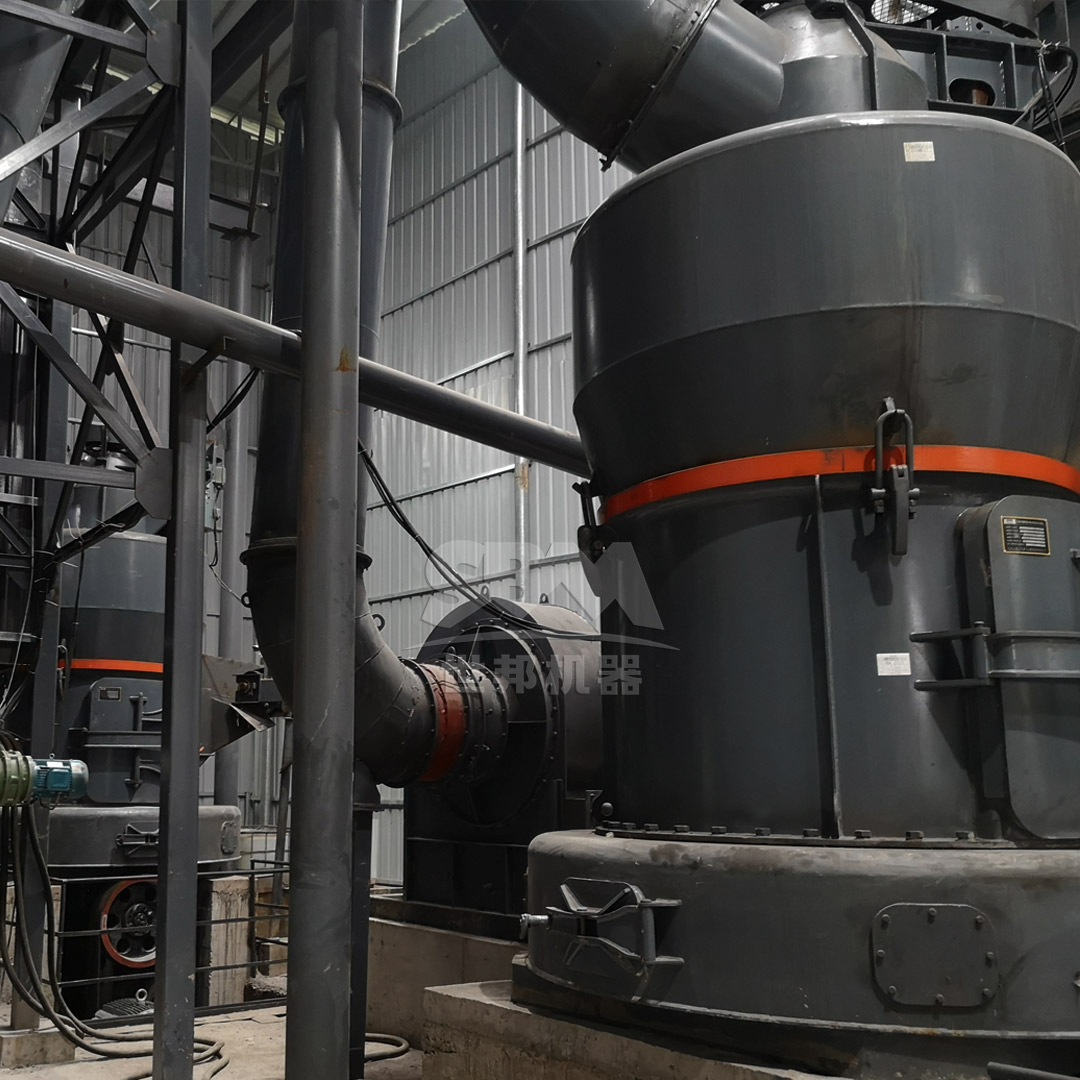
Recommended Equipment: MTW Series European Trapezium Mill
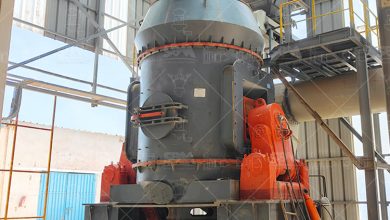
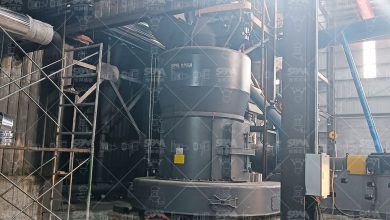
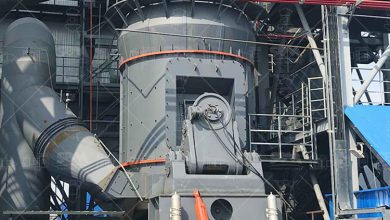
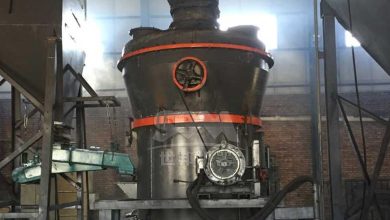
For this intermediate stage, our MTW Series European Trapezium Mill is an exceptional choice. Engineered for robust and efficient processing of medium-hard materials like calcium aluminate clinker, it offers significant advantages. Its anti-wear shovel design and optimized arc air duct minimize maintenance costs and energy loss. With an input size of up to 50mm and a capacity ranging from 3 to 45 tons per hour, it can efficiently process the output from primary crushing. The integral bevel gear drive ensures a high transmission efficiency of up to 98%, contributing to lower operational costs. Models like the MTW175G or MTW215G are perfectly suited for high-capacity production lines, reliably delivering a consistent feed powder in the 30-100 mesh range to the next grinding stage.
Stage 2: Final Ultra-Fine Grinding
This is the most critical stage, where the powder is refined to its final specification, often ranging from 325 mesh (45μm) to 2500 mesh (5μm) or finer. The equipment must provide precise particle size control, high classification efficiency, and low contamination.
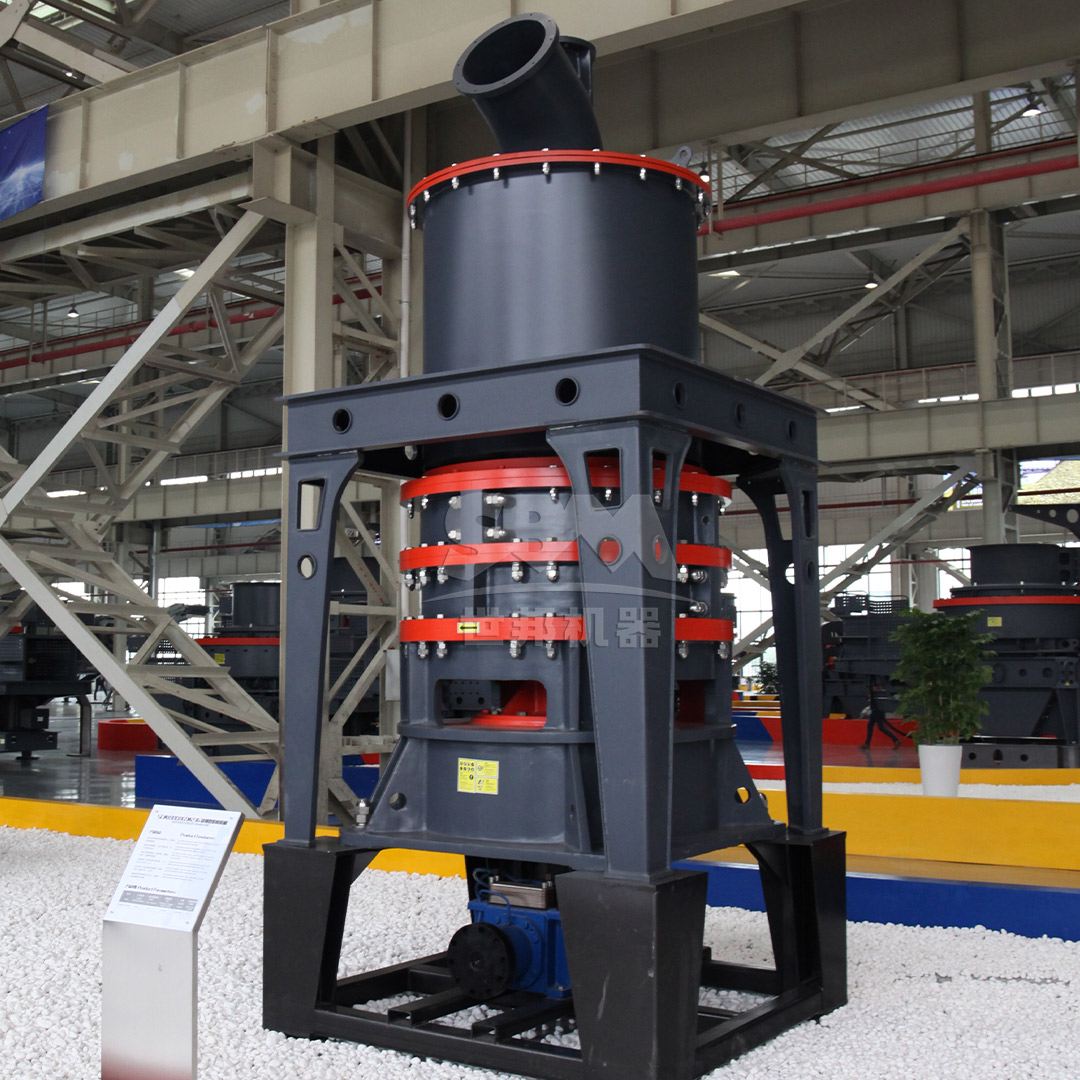
Recommended Equipment: SCM Series Ultrafine Mill
To achieve the demanding fineness and uniformity required for high-performance calcium aluminate powder, our flagship SCM Series Ultrafine Mill is the industry-leading solution. This mill excels in producing powders between 325 and 2500 mesh (45-5μm). Its core strength lies in the high-precision vertical turbine classifier, which ensures sharp particle size cuts and eliminates coarse powder mixing, resulting in a remarkably uniform product. The grinding chamber’s special material rollers and rings offer exceptional durability, extending service life significantly. Furthermore, its high efficiency translates to energy savings of approximately 30% compared to traditional jet mills, while its fully enclosed system with pulse dust collection guarantees an eco-friendly operation with dust emissions and noise levels well below international standards. For a final product requiring ultra-high fineness and consistency, the SCM Series is the definitive technology.
Ancillary Processes: Drying, Classification, and Packaging
Grinding is often accompanied by drying if the clinker or intermediate product has moisture. Hot air can be introduced into the grinding mill (like the MTW or SCM) for simultaneous grinding and drying. After grinding, the powder may pass through additional air classifiers for precise separation. Finally, the finished calcium aluminate powder is conveyed to silos and packaged in bulk bags or smaller sacks, ready for shipment.
Conclusion
The production of premium calcium aluminate powder is a sophisticated process where grinding technology plays a decisive role. Selecting the right grinding equipment for each stage—from intermediate size reduction to final ultra-fine milling—is critical for achieving optimal product quality, production efficiency, and cost-effectiveness. A well-designed process that integrates robust, energy-efficient, and precise grinding solutions, such as the MTW Series for intermediate grinding and the SCM Series for final ultra-fine milling, forms the backbone of a successful and competitive calcium aluminate production plant. By leveraging advanced grinding techniques, producers can meet the stringent specifications of modern high-temperature industries and unlock the full value of their bauxite resources.