How to Process Barite into Barium Sulfate Powder: A Complete Production Guide
Introduction
Barium sulfate (BaSO4), derived from the mineral barite, is a critical industrial material prized for its high density, chemical inertness, and whiteness. Its applications span from weighting agents in oil and gas drilling fluids to functional fillers in paints, plastics, rubber, and pharmaceuticals. Transforming raw barite ore into high-purity, precisely sized barium sulfate powder is a sophisticated process that requires careful planning and the right equipment. This guide provides a comprehensive overview of the production stages, from ore selection to final packaging, with a focus on achieving optimal product quality and operational efficiency.
1. Raw Material Preparation and Beneficiation
The journey begins with the raw barite ore, which typically contains various impurities like quartz, silicate minerals, iron oxides, and fluorite. The first step is crushing the large ore chunks into smaller, manageable pieces using primary crushers like jaw crushers. This is followed by secondary crushing with cone crushers or impact crushers to achieve a feed size suitable for the subsequent grinding mill, usually below 50mm.
For low-grade ores, beneficiation is essential to increase the BaSO4 content. Common methods include:
- Gravity Separation: Utilizing jigs, shaking tables, or spiral classifiers to separate barite from lighter gangue minerals based on density differences.
- Magnetic Separation: Removing magnetic impurities like iron oxides using low or high-intensity magnetic separators.
- Flotation: For complex ores, froth flotation is employed to selectively separate barite from other sulfides or silicates, often achieving concentrate grades exceeding 92% BaSO4.
2. The Core Process: Grinding and Classification
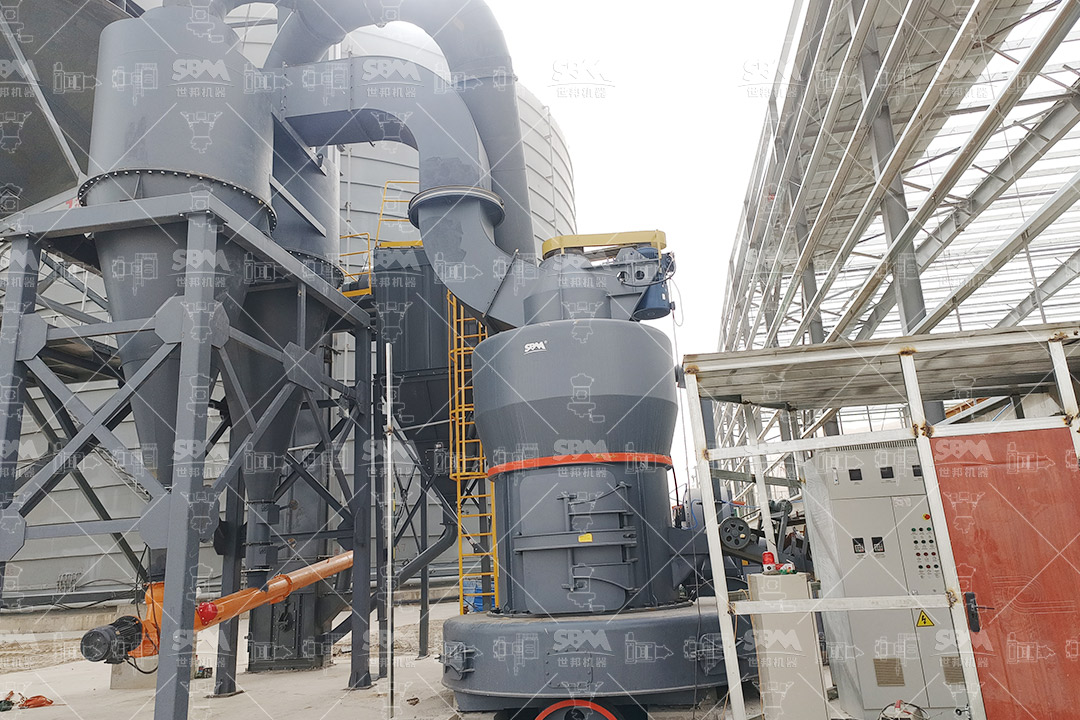
This is the most critical phase, determining the final particle size distribution, whiteness, and production capacity. The choice of grinding equipment depends heavily on the target fineness (mesh size) and required throughput.
2.1 Coarse to Medium Fine Grinding (30-325 mesh / 600-45μm)
For applications such as drilling mud or lower-grade filler where fineness between 30 and 325 mesh is sufficient, robust and high-capacity mills are ideal.
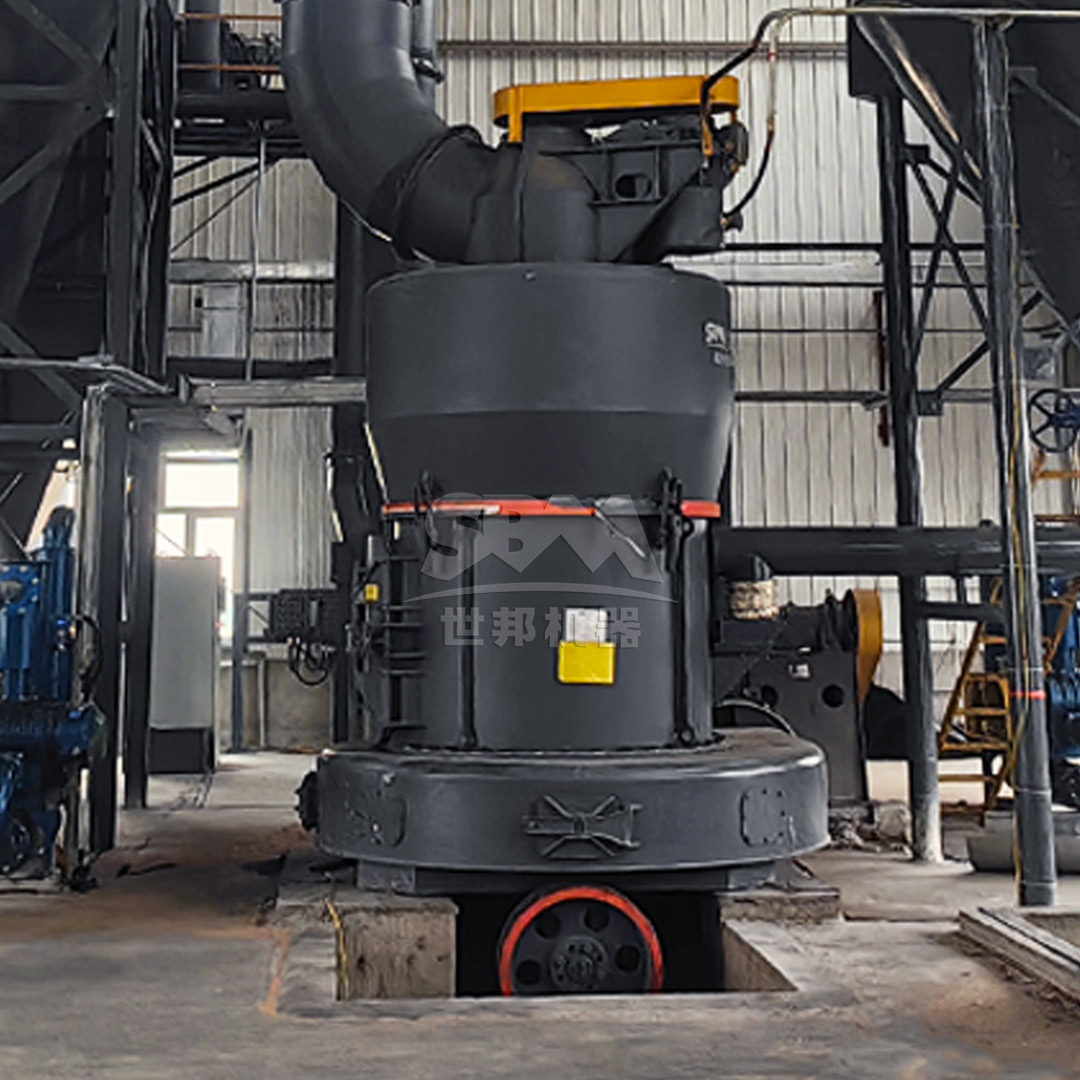
Recommended Equipment: MTW Series European Trapezium Mill
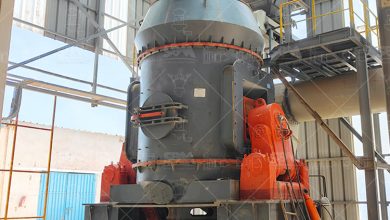
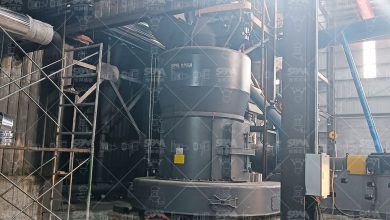
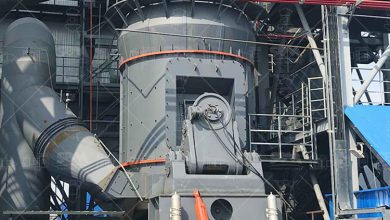
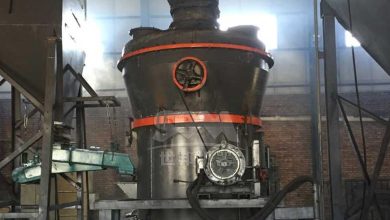
Our MTW Series European Trapezium Mill is exceptionally well-suited for this stage. Engineered for efficiency and durability, it handles feed sizes up to 50mm and delivers capacities from 3 to 45 tons per hour. Its integral bevel gear drive achieves a remarkable 98% transmission efficiency, significantly saving energy. The wear-resistant volute structure and optimized arc air duct minimize energy loss and maintenance costs. The built-in classifier ensures precise particle size control within the 30-325 mesh range, making it a reliable workhorse for producing consistent medium-fine barite powder.
2.2 Fine to Ultrafine Grinding (325-2500 mesh / 45-5μm)
High-value applications in plastics, paints, coatings, and pharmaceuticals demand ultrafine barium sulfate with high brightness and uniform particle size. This requires advanced grinding technology capable of achieving micron and sub-micron levels.
Recommended Equipment: SCM Series Ultrafine Mill
For producing premium-grade ultrafine barium sulfate powder, our SCM Series Ultrafine Mill is the industry-leading solution. It specializes in producing powder from 325 to 2500 mesh (45-5μm) with high uniformity and whiteness retention. Its high-efficiency design offers capacity twice that of traditional jet mills while consuming 30% less energy. The key to its performance is the high-precision vertical turbine classifier, which ensures precise particle size cutting without coarse powder mixing. Furthermore, its durable construction with special material rollers and rings, coupled with an eco-friendly pulse dust collection system exceeding international standards, makes it the perfect choice for modern, high-standard barium sulfate production lines.
3. Purification and Surface Treatment (Optional)
To achieve highest purity or to modify the powder for specific applications, post-grinding treatments may be applied:
- Acid Washing: Dilute hydrochloric or sulfuric acid is used to dissolve and remove residual iron, calcium, or other acid-soluble impurities, enhancing whiteness.
- Bleaching: Chemical reducing agents may be used to whiten the product further.
- Surface Modification: For use in polymers, the barite powder is often coated with coupling agents (e.g., silanes, titanates) or stearic acid. This treatment improves dispersion within the polymer matrix, enhances mechanical properties, and reduces viscosity.
4. Drying, Packaging, and Quality Control
After wet processing (beneficiation, washing) or surface treatment, the product must be dried efficiently. Rotary dryers or flash dryers are commonly used to reduce moisture content to below 0.2%.
Rigorous Quality Control (QC) is implemented throughout. Key parameters tested include:
- Chemical Composition: BaSO4 content (via XRF or titration).
- Physical Properties: Particle size distribution (via laser diffraction), specific gravity, oil absorption, and pH.
- Optical Properties: Brightness/whiteness (using a spectrophotometer).
- Residual Moisture.
The final, qualified barium sulfate powder is then packaged in moisture-proof bags (25kg, 50kg, 1-ton bags) or bulk containers for shipment.
5. Designing an Efficient Production Line
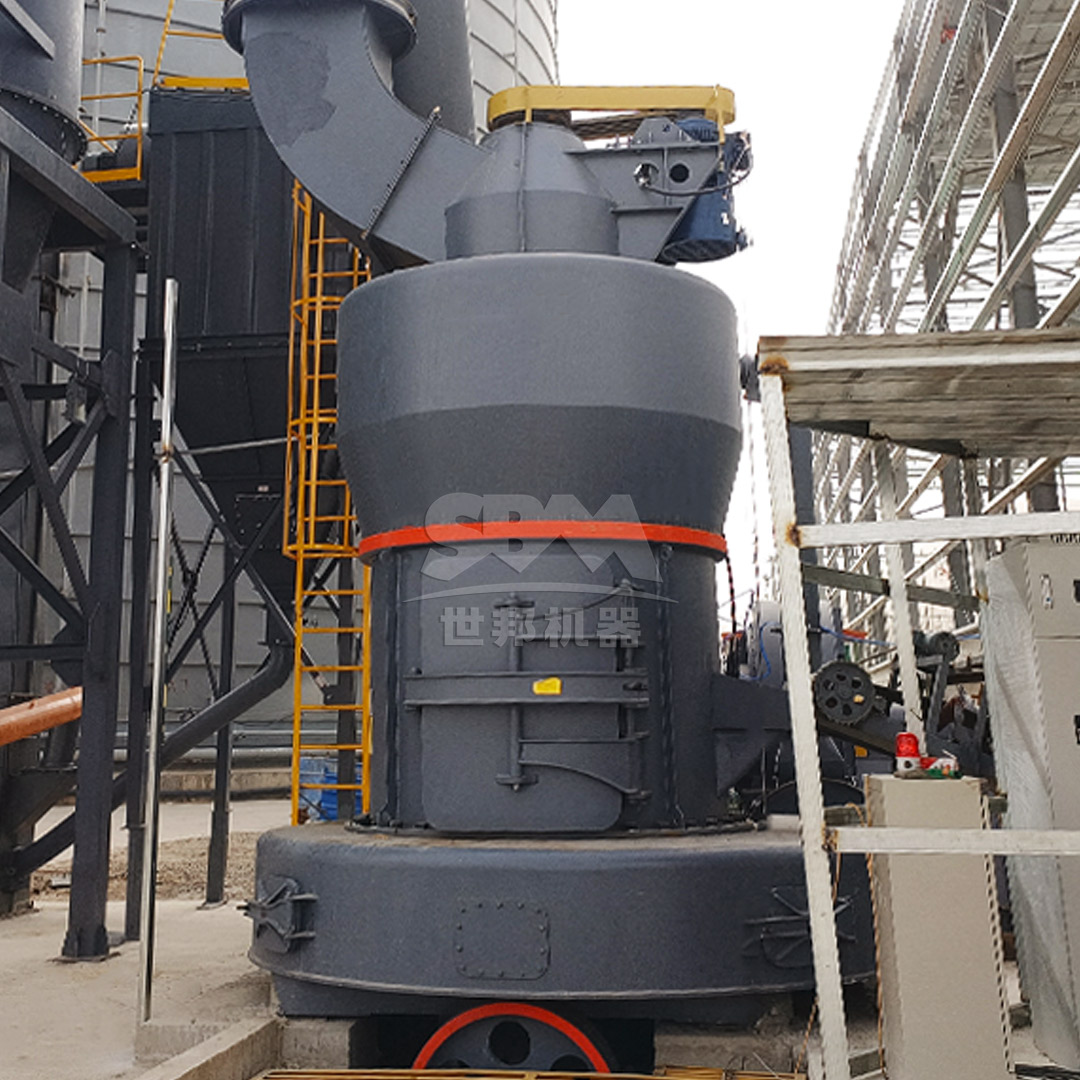
A successful plant integrates all units seamlessly. A typical layout flows from: Raw Ore Stockpile → Primary & Secondary Crushing → Beneficiation Plant → Intermediate Storage → Grinding Mill (MTW or SCM Series) → Surface Treatment Module → Drying System → Product Silo → Packaging.
Dust control is paramount at every transfer point and mill outlet. Our grinding systems, like the SCM and MTW series, come with integrated high-efficiency pulse jet baghouse filters, ensuring a clean working environment and compliance with environmental regulations.
Conclusion
Producing high-quality barium sulfate powder is a multi-stage process where each step impacts the final product. While beneficiation and purification define the base purity, the grinding stage is unequivocally the heart of the operation, defining the particle technology of the product. Investing in the right grinding technology—such as the high-capacity MTW Series Mill for coarse grades or the precision SCM Series Ultrafine Mill for high-value markets—is the most critical decision for ensuring product consistency, operational economy, and long-term competitiveness in the global barium sulfate industry.