How to Process Angular Silica Fume with Suitable Grinding Equipment
Introduction to Angular Silica Fume
Angular silica fume, also known as microsilica, is a byproduct of silicon and ferrosilicon alloy production. Characterized by its extremely fine particle size (typically less than 1 μm) and high silicon dioxide content (often exceeding 85%), it possesses a highly angular and irregular particle morphology. This unique structure, combined with its pozzolanic activity, makes it a highly valuable supplementary cementitious material (SCM) in high-performance concrete, refractories, and advanced ceramics. The angular nature of the particles significantly enhances the packing density and mechanical properties of composite materials. However, processing this ultra-fine, hard, and abrasive material to achieve a consistent, desired fineness presents significant challenges for conventional grinding equipment, demanding specialized milling solutions.
Key Challenges in Grinding Angular Silica Fume
The processing of angular silica fume is not a simple task. Its inherent properties impose strict requirements on grinding technology:
- Extreme Fineness Requirement: The target product often needs to be in the sub-micron or single-digit micron range (e.g., D97 ≤ 5μm or 2500 mesh), far beyond the capability of ordinary mills.
- High Hardness and Abrasiveness: The primary component, SiO2, is very hard (Mohs hardness ~7). This leads to severe wear on grinding components, increasing maintenance costs and risking product contamination.
- Low Bulk Density and Poor Flowability: In its raw state, silica fume is a lightweight, fluffy powder that can fluidize, causing feeding and handling difficulties within the grinding system.
- Thermal Sensitivity: Excessive heat generation during grinding can lead to particle agglomeration (caking) and potentially alter the material’s amorphous structure, reducing its reactivity.
- Demand for Precise Particle Size Distribution (PSD): A narrow and controlled PSD is critical for its performance in end-use applications. Inefficient classification results in unwanted coarse particles.
Therefore, selecting the appropriate grinding equipment is paramount to achieving economic viability, product quality, and operational stability.
Critical Criteria for Selecting Grinding Equipment
An ideal grinding system for angular silica fume must excel in the following areas:
- Ultra-Fine Grinding Capability: The core mechanism must be capable of applying sufficient shear and compressive forces to break down particles to the micron and sub-micron level.
- Integrated High-Efficiency Classification: A precise, often multi-stage, internal or external classifier is essential to separate and return oversized particles continuously, ensuring a tight top-cut on the final product.
- Superior Wear Resistance: Critical contact parts like rollers, grinding rings, and liners must be manufactured from special wear-resistant alloys or ceramics to withstand prolonged abrasion.
- Effective Heat Dissipation & Temperature Control: The design should incorporate efficient air circulation or cooling systems to prevent thermal degradation of the product.
- Energy Efficiency: Given the high energy cost of fine grinding, the system should maximize the energy transferred to particle breakage rather than wear, noise, or heat.
- Complete Sealing and Dust Collection: A fully enclosed, negative-pressure system with high-efficiency bag filters (pulse jet type) is mandatory to contain the ultra-fine powder, protect the environment, and ensure operator safety.
Recommended Grinding Solutions for Angular Silica Fume
Based on the stringent requirements outlined above, two primary types of grinding systems emerge as the most suitable for processing angular silica fume: Ultrafine Vertical Roller Mills and advanced Ultrafine Ring-Roller Mills.
1. Ultrafine Vertical Roller Mills for High-Capacity Processing
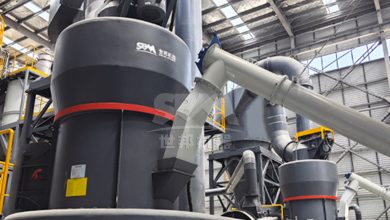
Modern vertical roller mills (VRMs) have evolved beyond traditional mineral grinding into the ultrafine domain. For processing silica fume at medium to large scales (several tons per hour and above), specialized ultrafine vertical mills are an excellent choice.
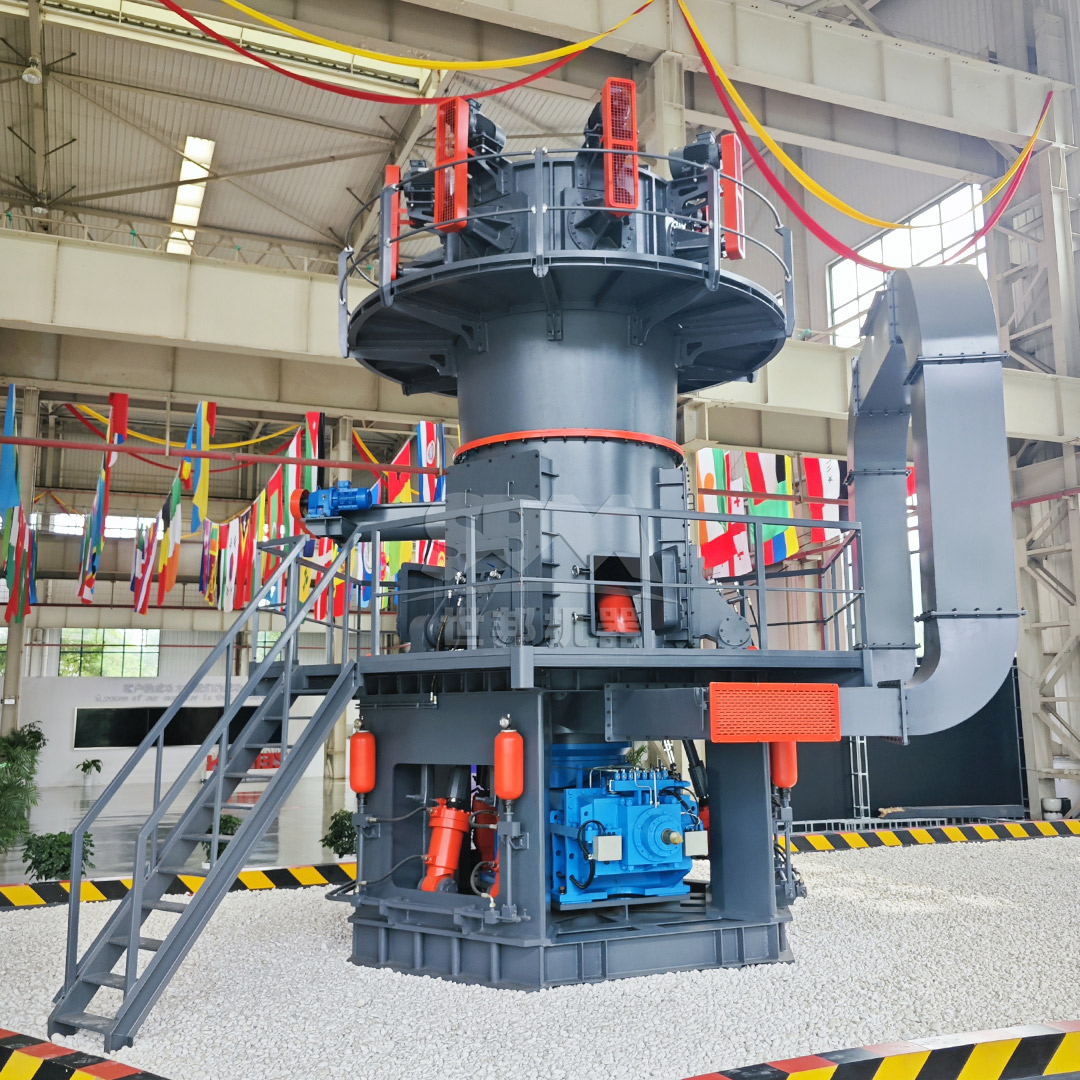
These mills operate on a bed-grinding principle. Material is fed onto a rotating grinding table and is ground under pressure applied by hydraulically loaded rollers. The key for silica fume processing lies in the integrated dynamic classifier mounted directly on top of the mill. This classifier, often with multiple rotors, provides immediate separation of fines. The coarse particles are rejected back to the grinding bed, while the sufficiently fine product is carried by the process air stream to the downstream dust collector.
Advantages for Silica Fume:
- High Single-Pass Efficiency: The material passes through a intense grinding zone only once before being classified, reducing over-grinding.
- Excellent Temperature Control: The large volume of process air used for material transport also acts as an effective coolant.
- Low Specific Energy Consumption: The bed-grinding mechanism is more energy-efficient than impact-based systems for fine grinding hard materials.
- Integrated Process: Grinding, drying (if needed), and classification occur in one compact unit.
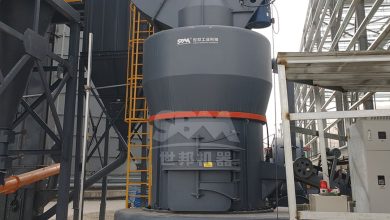
For this application, we highly recommend our LM Series Vertical Fine-powder Mill (e.g., LM170X-GX). This mill series is specifically engineered for producing powders in the 325-600 mesh (D97) range and beyond. Its features directly address silica fume challenges:
- Precision Grinding & Classification: The combination of an optimized grinding curve and a high-efficiency turbine classifier ensures a consistent product with D97 as fine as 5μm.
- Wear-Resistant Design: The磨辊 (grinding roller) and磨盘 (grinding table) are lined with ultra-wear-resistant materials, significantly extending service life when processing abrasive silica.
- Intelligent Control System: An expert automation system monitors key parameters like grinding pressure, classifier speed, and temperature, allowing for stable operation and optimal product quality.
- Compact & Environmental: The mill’s vertical layout saves floor space, and its fully sealed system with pulse-jet bag filter ensures dust emission levels below 20mg/m³.
2. Ultrafine Ring-Roller Mills for Premium Product Fineness
For applications demanding the absolute highest fineness (e.g., 2500 mesh or 5μm) and most precise particle size distribution, advanced ring-roller mills (often called ultrafine mills) are the industry benchmark.
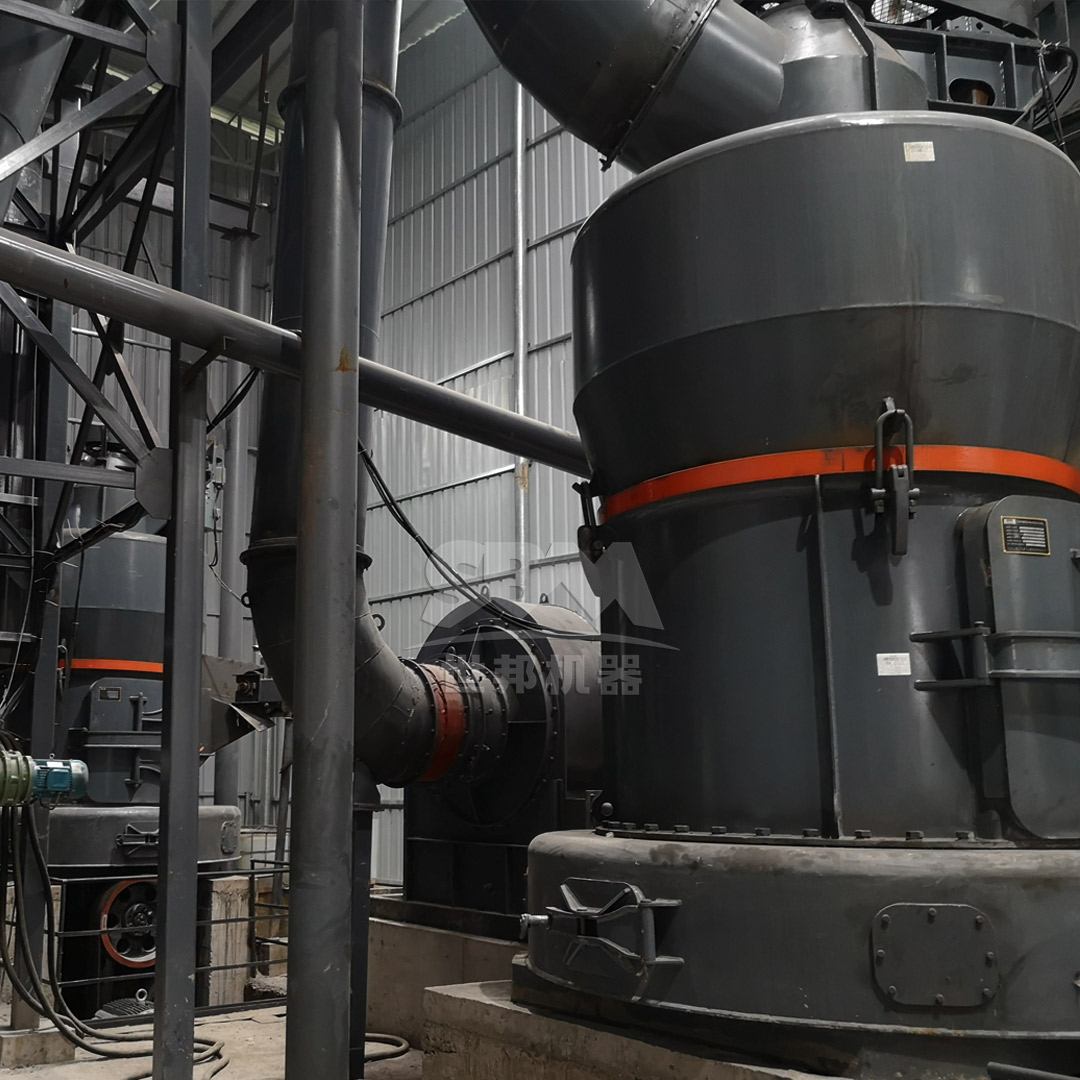
This technology employs multiple grinding rollers that rotate around their own axis while pressing outward against a stationary grinding ring due to centrifugal force. Material is fed into the grinding chamber and is crushed and ground between the rollers and the ring. The ground material is then carried by an upward air stream to an integral precision classifier. The classifier’s rotating blades create a centrifugal field that allows only particles below the cut point to escape to the cyclone and bag filter for collection.
Advantages for Silica Fume:
- Unmatched Fineness: Capable of achieving a uniform product down to D97 = 5μm (2500 mesh) consistently.
- Superior Particle Shape Retention: The multi-layer grinding process with rolling and shearing action helps maintain the angular morphology of the silica fume, which is beneficial for its reinforcing properties.
- High Classification Accuracy: The vertical turbine classifier provides very sharp cuts, eliminating coarse particle contamination.
- Quiet and Stable Operation: The mechanical design often leads to lower vibration and noise levels compared to some impact mills.
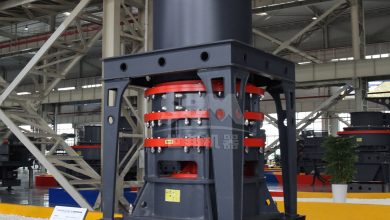
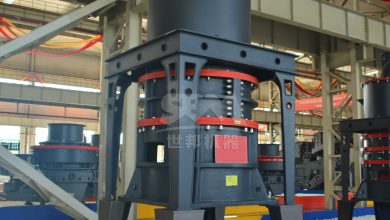
Our flagship solution in this category is the SCM Series Ultrafine Mill. It is specifically designed for materials like silica fume, offering unparalleled performance:
- Ultra-Fine Output: It reliably produces powder in the range of 325-2500 mesh (45-5μm), perfectly matching the fineness requirements for high-grade silica fume.
- High-Efficiency & Energy Saving: Compared to traditional jet mills, the SCM mill can double the production capacity while reducing energy consumption by approximately 30%, thanks to its efficient grinding mechanism and intelligent control system that auto-adjusts for target fineness.
- Exceptional Durability: The磨辊 (roller) and磨环 (grinding ring) are made from special forged or composite materials, offering a service life several times longer than standard components when processing highly abrasive silica.
- Advanced Dust Collection & Low Noise: Equipped with a high-efficiency pulse dust collector exceeding international standards and housed in a soundproof enclosure, the mill operates at noise levels ≤75dB, ensuring a clean and safe working environment.
Process Flow and System Configuration
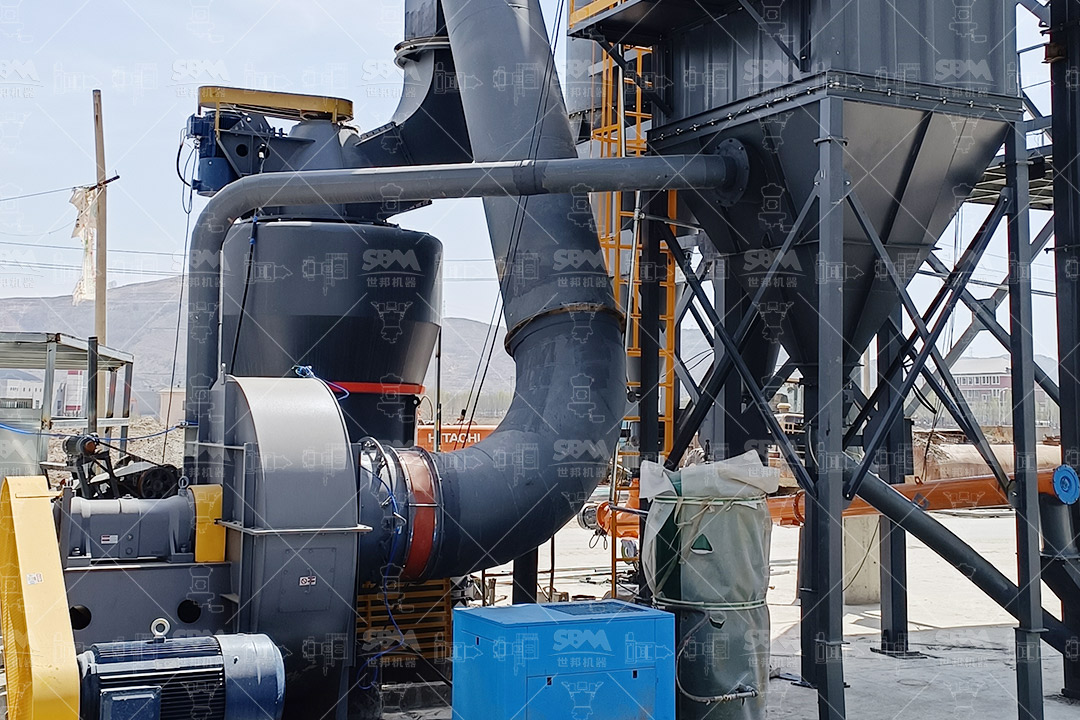
A complete grinding plant for angular silica fume involves more than just the mill. A typical system configuration is as follows:
- Raw Material Silo & Feeding: Silica fume is stored in a sealed silo. A precision feeder (e.g., screw feeder with variable frequency drive) ensures a stable and controlled feed rate into the mill, crucial for maintaining grinding bed stability in VRMs or optimal loading in ring-roller mills.
- Grinding & Classification Unit: The heart of the system, either the LM Vertical Fine-powder Mill or the SCM Ultrafine Mill, performs the size reduction and primary classification.
- Product Collection: The fine powder carried by the air stream is first separated in a high-efficiency cyclone collector. The remaining ultra-fine particles are then captured by a pulse-jet bag filter. The choice of filter media (e.g., PTFE membrane filter bags) is critical for handling such fine powder.
- Induced Draft Fan: Creates the necessary air flow through the entire system, maintaining negative pressure to prevent dust leakage.
- Control System: A centralized PLC or DCS controls all motors, feeders, temperature points, and pressure differentials, allowing for fully automated operation and real-time monitoring of key performance indicators.
Conclusion
Processing angular silica fume to unlock its full potential in advanced applications requires a deliberate and informed selection of grinding technology. The challenges of extreme fineness, abrasiveness, and thermal sensitivity rule out conventional milling approaches. The optimal solution lies in modern, purpose-built ultrafine grinding systems that combine efficient size reduction mechanisms with precise classification, robust wear protection, and comprehensive environmental controls.
For high-capacity production where integrated processing is key, the LM Series Vertical Fine-powder Mill offers an efficient and reliable solution. For producers targeting the very finest product specifications with superior energy efficiency and product consistency, the SCM Series Ultrafine Mill stands as the premier choice. By investing in the right grinding equipment, processors can transform raw angular silica fume into a high-value, consistently high-performance product that meets the stringent demands of modern industry.