How to Process 200 Mesh Coal-Based Activated Carbon: Technology and Grinding Mill Equipment
Introduction
The production of high-quality coal-based activated carbon is a critical process in numerous industries, including water purification, air filtration, gas separation, and chemical catalysis. The performance of activated carbon is intrinsically linked to its physical properties, most notably its particle size distribution and specific surface area. Achieving a consistent and fine particle size, such as 200 mesh (approximately 74 microns), is paramount for maximizing adsorption efficiency and reaction kinetics. This article delves into the technological process for producing 200-mesh coal-based activated carbon and provides a comprehensive analysis of the grinding mill equipment essential for this task.
The Importance of Particle Size in Activated Carbon Performance
Activated carbon’s efficacy is primarily determined by its pore structure and surface area. However, particle size plays a crucial secondary role. Finer particles, like those at 200 mesh, offer several advantages:
- Increased Surface Area Exposure: Smaller particles provide a greater external surface area per unit mass, allowing for faster adsorption rates.
- Improved Mass Transfer: The diffusion path for adsorbates into the internal pores is shorter, enhancing the overall kinetics of the adsorption process.
- Better Dispersion: In liquid-phase applications or as a catalyst support, fine powder ensures more uniform dispersion and contact.
- Controllable Fluid Dynamics: In fixed or fluidized bed systems, a consistent and fine particle size distribution is critical for predictable pressure drops and flow characteristics.
Therefore, the grinding stage is not merely a size reduction step but a vital process that directly influences the final product’s market value and application performance.
Processing Technology for 200 Mesh Coal-Based Activated Carbon
The journey from raw coal to fine activated carbon powder involves several key stages. The grinding process is typically situated after activation and any necessary washing or drying.
1. Raw Material Preparation & Activation
Selected coal (bituminous, anthracite, or lignite) is first crushed and pulverized to a coarse size before undergoing carbonization (pyrolysis in an inert atmosphere) and activation. Activation, usually via steam or chemical methods, creates the vast network of micro and mesopores. The resulting activated carbon is in the form of granules or larger particles.
2. Pre-Grinding & Drying
Activated carbon feedstock may need to be pre-crushed to a size suitable for the main fine grinding mill (typically below 20-50mm, depending on the mill). Moisture content must also be controlled, as excessive moisture can lead to clogging, reduced grinding efficiency, and poor powder flow. A drying step often precedes fine grinding.
3. Fine Grinding to 200 Mesh
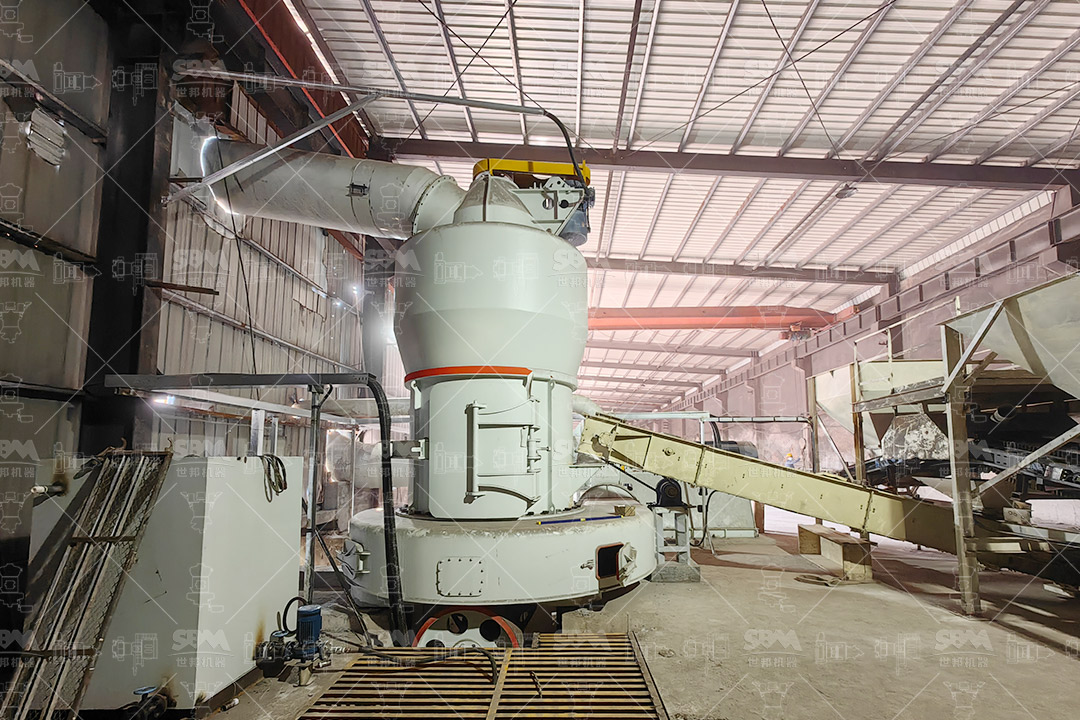
This is the core stage. The objective is to reduce the hardened, porous activated carbon granules to a fine powder with a top cut of 200 mesh (74μm) and a desired particle size distribution (PSD). The grinding equipment must handle the abrasive nature of carbon while minimizing excessive heat generation that could damage the pore structure.
4. Classification & Collection
Post-grinding, an integrated or external classifier (e.g., a dynamic turbo classifier or cyclone) separates the fine product from oversize particles. The oversize material is recirculated back to the grinder, ensuring complete processing and a uniform PSD. The final fine powder is collected using efficient bag filters or cyclone collectors.
5. Packaging & Storage
The collected 200-mesh powder is packaged in moisture-proof bags or containers. Due to its high surface area and adsorption potential, it must be stored away from contaminants and moisture.
Critical Considerations in Mill Selection
Choosing the right grinding mill is essential for profitability and product quality. Key factors include:
- Abrasion Resistance: Activated carbon is highly abrasive. Mill components in contact with the material (rollers, rings, liners) must be made of special wear-resistant alloys.
- Heat Generation: Excessive mill temperature can degrade the activated carbon’s pore structure. Mills with efficient cooling or low-friction designs are preferred.
- Energy Efficiency: Grinding is energy-intensive. Selecting a mill with a high size-reduction efficiency and low specific energy consumption is crucial for operational cost control.
- Product Contamination: The mill must be designed to minimize metallic contamination from wear parts, often through optimized designs and material selection.
- Flexibility & Control: The ability to easily adjust the fineness (e.g., from 100 to 325 mesh) and maintain a stable output is vital for meeting different customer specifications.
Recommended Grinding Mill Equipment
Based on the requirement for producing 200-mesh (74μm) coal-based activated carbon, two types of mills stand out as particularly suitable: Ultrafine Mills for very fine and consistent powder, and Vertical Roller Mills for large-scale, efficient production.
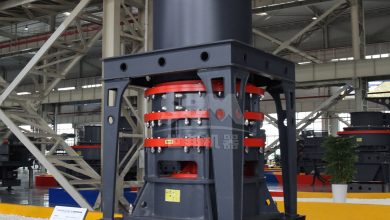
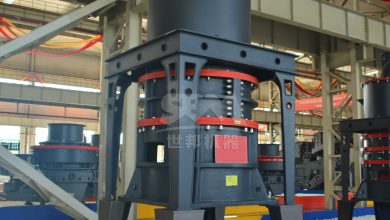
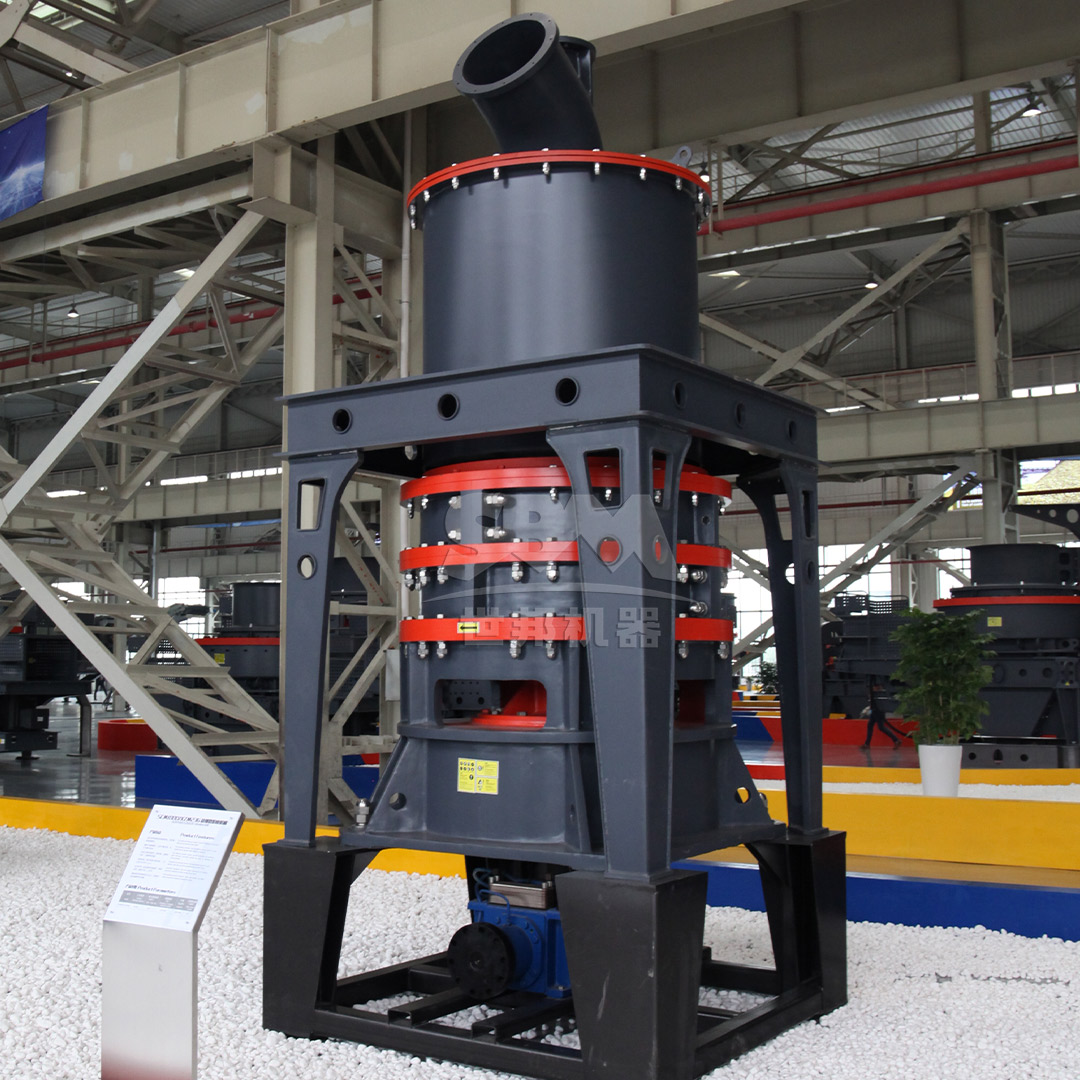
1. For High-Precision, Ultra-Fine Grinding: SCM Series Ultrafine Mill
When the application demands not just 200 mesh but the potential for even finer grades (up to 2500 mesh) with exceptional uniformity, the SCM Series Ultrafine Mill is the ideal solution. This mill is engineered for producing fine and ultra-fine powders with high efficiency and precision.
Why it’s suitable for Activated Carbon:
- Targeted Fineness: Its output range of 325-2500 mesh (D97 ≤5μm) comfortably encompasses the 200-mesh target, allowing for easy adjustment and future product diversification.
- High-Precision Classification: The integrated vertical turbo classifier provides sharp particle size cuts, ensuring the final product has no coarse particles and a very narrow size distribution, which is critical for performance consistency.
- Energy Efficiency: Compared to traditional jet mills, the SCM Ultrafine Mill offers double the capacity with 30% lower energy consumption, significantly reducing operating costs for fine powder production.
- Durability: The grinding rollers and rings are made from special wear-resistant materials, offering a service life several times longer than standard components when processing abrasive materials like activated carbon.
- Environmental Compliance: The system features a high-efficiency pulse dust collector that exceeds international emission standards and a soundproof cabin, keeping noise levels below 75dB.
For a production line focusing on high-value, super-fine activated carbon powders, the SCM1000 or SCM1250 models, with capacities ranging from 1.0-14 tons per hour, would be excellent choices to ensure high-quality output and operational economy.
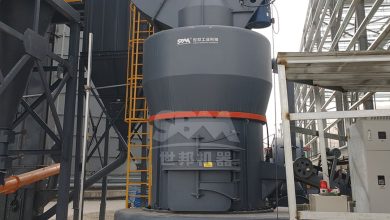
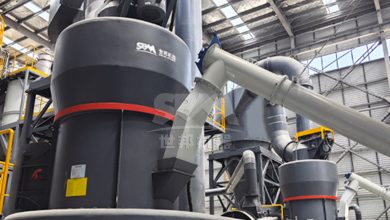
2. For Large-Capacity, Cost-Effective Grinding: LM Series Vertical Roller Mill
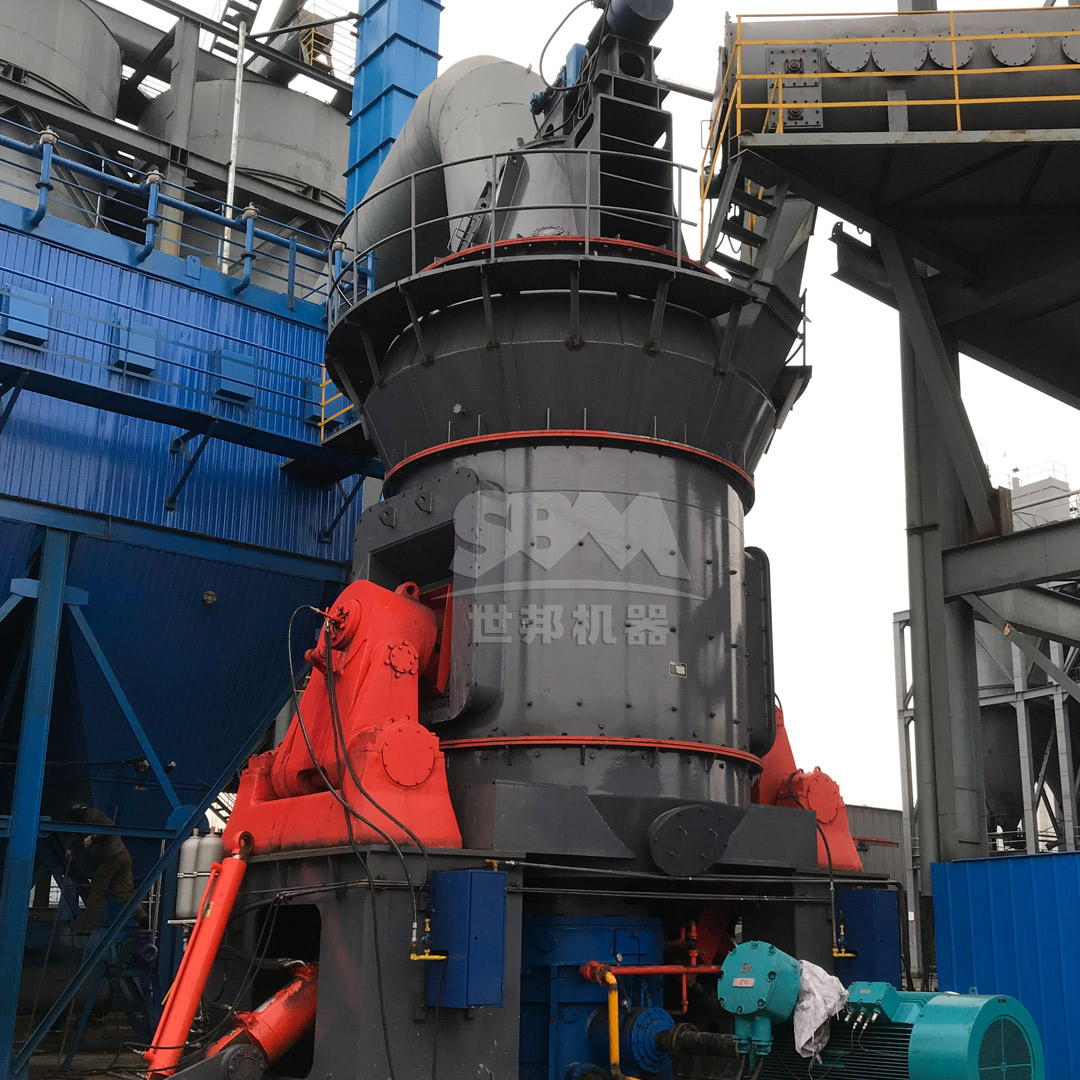
For large-scale production facilities where the primary goal is efficient throughput of 200-mesh powder, the LM Series Vertical Roller Mill offers an unbeatable combination of capacity, low operating cost, and reliability.
Why it’s suitable for Activated Carbon:
- High Capacity & Integrated Process: With capacities ranging from 3 to over 250 tons per hour, the LM mill is designed for large-scale continuous production. It integrates crushing, grinding, drying, classification, and conveying in a single unit, saving significant plant space and foundation costs.
- Low Operating Cost: Utilizing the efficient bed grinding principle, its energy consumption is 30-40% lower than traditional ball mill systems. The non-contact design between rollers and the grinding table and the use of wear-resistant materials extend maintenance intervals and reduce cost per ton.
- Excellent Drying Capability: The mill can utilize hot air introduced into the grinding chamber to simultaneously dry and grind the material, which is perfect for handling activated carbon with residual moisture.
- Stable Product Quality: The built-in dynamic classifier allows for easy and precise control of the product fineness, ensuring a stable 200-mesh output.
- Environmental Performance: The fully sealed negative-pressure operation ensures dust emissions are kept below 20mg/m³.
For a major activated carbon producer, an LM Vertical Mineral Mill model such as the LM190K or LM220K would provide the robust, high-capacity, and energy-efficient grinding solution required for competitive production of 200-mesh powder.
Conclusion
The production of 200-mesh coal-based activated carbon is a sophisticated process where the choice of grinding technology dictates both product quality and economic viability. The abrasive nature and need to preserve pore structure demand mills that are durable, efficient, and precise. For operations prioritizing ultra-fine, high-uniformity powder, the SCM Ultrafine Mill stands as a technologically advanced solution. For large-scale plants focused on high-tonnage output with minimal operating costs, the LM Series Vertical Roller Mill is the industry-proven workhorse. By carefully selecting the appropriate grinding equipment, manufacturers can ensure they produce a superior activated carbon product that meets the stringent demands of modern applications, from environmental remediation to advanced industrial processes.