How to Make Activated Carbon from Waste Metallurgical Coke Powder: Production Process and Applications
Introduction
The metallurgical industry generates significant quantities of waste coke powder, a by-product with high carbon content and inherent porosity. Transforming this waste into high-value activated carbon presents a compelling opportunity for resource recovery, environmental sustainability, and economic gain. This article provides a comprehensive guide to the production process, key equipment considerations, and diverse applications of activated carbon derived from metallurgical coke powder.
Understanding the Raw Material: Waste Metallurgical Coke
Metallurgical coke powder, often a residue from blast furnace operations or coke handling, possesses a favorable starting structure for activation. Its primary advantages include:
- High Fixed Carbon Content: Typically exceeds 85%, providing a robust carbon skeleton.
- Initial Microporosity: The coking process creates a rudimentary pore network that can be significantly expanded.
- Mechanical Strength: Inherits good hardness and abrasion resistance from its parent coke.
- Low Cost & Abundant Supply: Utilizing waste material reduces raw material costs and addresses solid waste disposal challenges.
However, it may contain impurities like ash and sulfur, which require consideration during the processing stages.
Production Process: From Coke Powder to Activated Carbon
The conversion involves several critical steps, each demanding precise control to achieve the desired pore structure and adsorption properties.
1. Pre-Treatment and Size Reduction
The initial step involves preparing the coke powder for further processing. Large chunks are crushed, and the material is ground to a uniform particle size. A consistent and fine particle size is crucial for efficient and uniform activation, as it increases the surface area exposed to the activating agent.

For this initial size reduction, robust and efficient crushing equipment is essential. Our PC Series Hammer Mill is ideally suited for this task. It can handle feed sizes up to 40mm and reliably produce a fine output in the 0-3mm range with high capacity. Its durable, high-manganese steel hammer heads and compact design ensure low operational costs and stable performance, making it the perfect first step in your activation line.
2. Primary Grinding for Increased Surface Area
Following coarse crushing, further grinding is often necessary to achieve the optimal particle size for activation. This step significantly increases the specific surface area of the raw material, facilitating deeper and more uniform penetration of the activating agent during the subsequent stage.
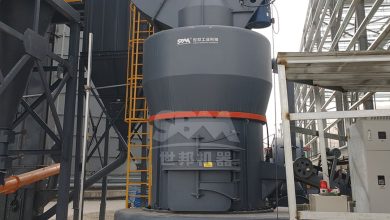
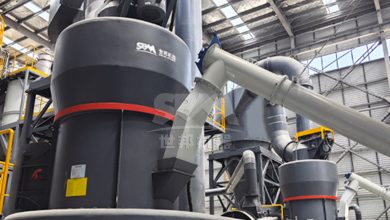
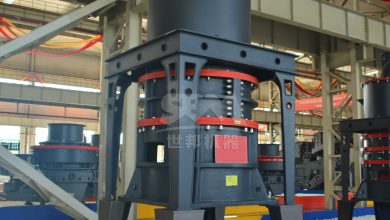
For high-volume processing where the target fineness is between 30-325 mesh (600-45μm), our MTW Series Trapezium Mill offers an outstanding solution. With a large feed size capability (≤50mm) and high throughput (up to 45 tons/hour depending on the model), it efficiently prepares the coke powder. Its curved air duct design minimizes energy loss, and the integral transmission with bevel gear ensures high efficiency (up to 98%) and reliable operation, directly contributing to lower overall production costs.
3. The Activation Process
This is the core step where the pore structure is developed. Two primary methods are employed:
- Physical (Thermal) Activation: The ground coke is carbonized in an inert atmosphere (e.g., N₂) at 600-900°C to remove volatiles, followed by gasification with an oxidizing agent like steam or CO₂ at 800-1100°C. This process etches and widens the existing pores.
- Chemical Activation: The powder is impregnated with a chemical agent (e.g., KOH, H₃PO₄, ZnCl₂) and then heated in an inert atmosphere. The chemical acts as a dehydrating agent and catalyst, creating a well-developed microporous structure at lower temperatures (400-700°C). Chemical activation often yields a higher surface area but requires a washing step to remove the chemical residue.
4. Post-Activation Processing
After activation, the material undergoes several finishing steps:
- Washing: Especially critical for chemically activated carbon, to remove residual activators and soluble ash.
- Drying: To reduce moisture content to a suitable level (typically below 5%).
- Final Size Classification & Milling: The activated carbon may be milled to a very fine powder for specific applications. This requires equipment capable of producing ultra-fine powders without damaging the delicate pore structure.
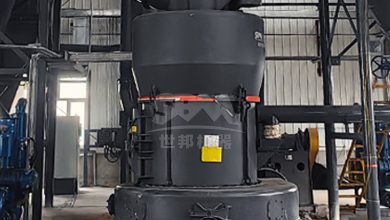
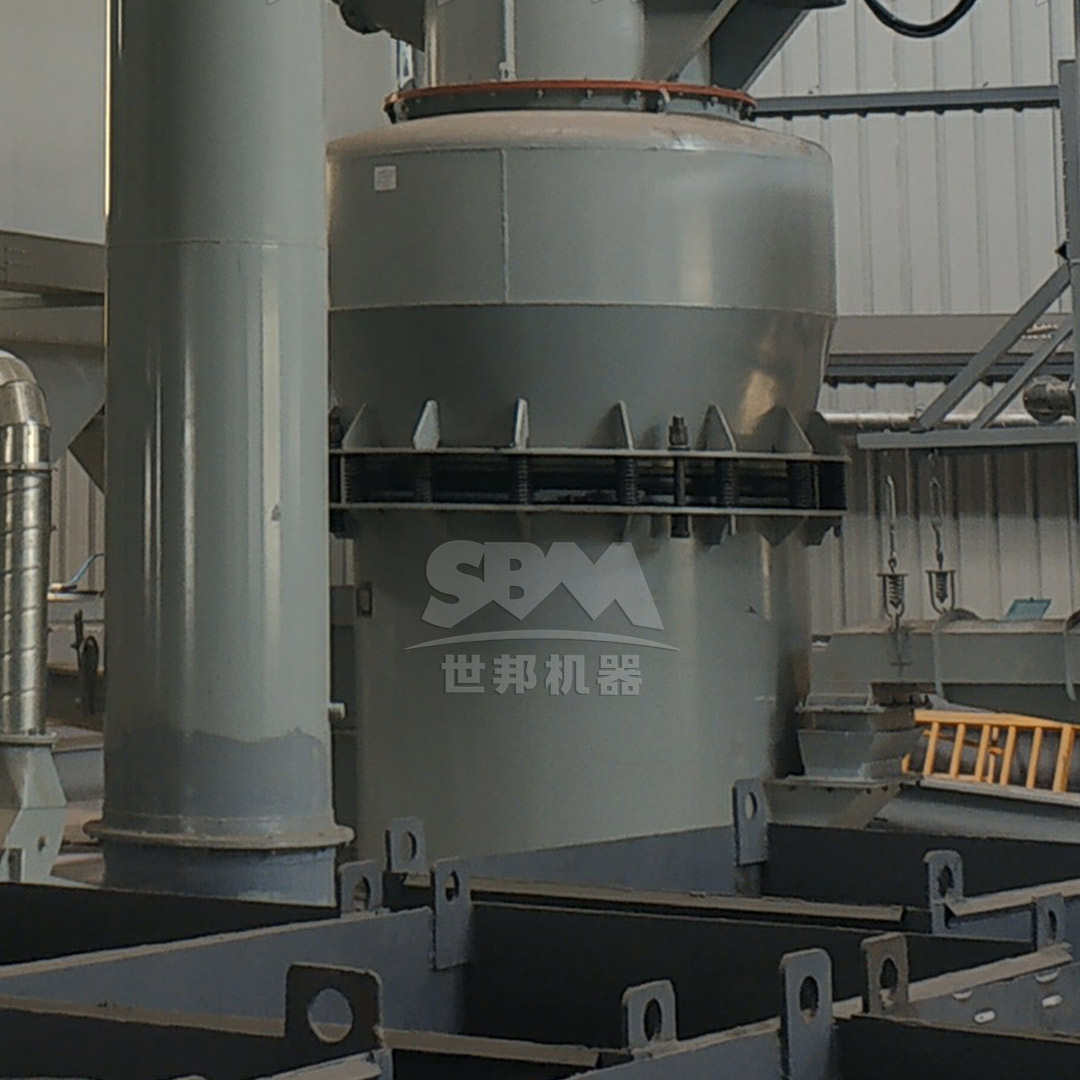
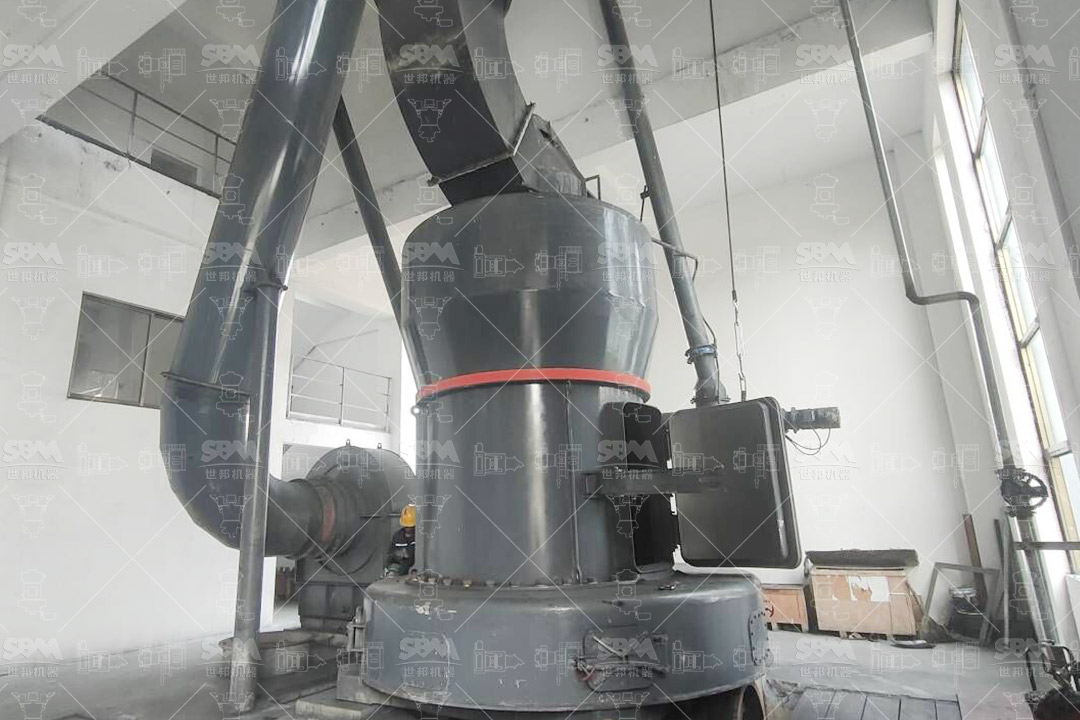
For producing high-value, ultra-fine activated carbon powder (325-2500 mesh / 45-5μm), our flagship SCM Ultrafine Mill is the industry benchmark. Its vertical turbine classifier ensures precise particle size cuts with no coarse powder contamination, resulting in a uniform and high-quality product. The grinding rollers and ring are made from special wear-resistant materials, offering a lifespan several times longer than conventional mills. Furthermore, its high efficiency (twice the output of jet mills with 30% less energy consumption) and integrated high-efficiency pulse dust collection system make it an environmentally sound and cost-effective choice for the final product refinement.
5. Packaging and Quality Control
The final product is packaged in moisture-proof bags. Rigorous quality control tests are performed, including measurements of iodine number, methylene blue adsorption, surface area (BET), pore volume, and particle size distribution.
Key Applications of Activated Carbon from Coke Powder
The produced activated carbon finds use in numerous sectors due to its excellent adsorption properties:
- Water Treatment: Removal of organic contaminants, chlorine, odors, and heavy metals from industrial and municipal wastewater.
- Air Purification: Capture of volatile organic compounds (VOCs), H₂S, SO₂, and other pollutants in industrial gas streams and air filters.
- Metallurgy: Recovery of precious metals like gold from cyanide solutions.
- Chemical Industry: Use as a catalyst or catalyst support, and in purification processes.
- Food & Beverage: Decolorization, deodorization, and purification of sugars, oils, and alcoholic beverages.
Conclusion
Producing activated carbon from waste metallurgical coke powder is a technically viable and economically attractive process that aligns with circular economy principles. Success hinges on a well-designed process flow and the selection of high-performance, reliable equipment for crushing, grinding, and classification. From the initial size reduction with our Hammer Mill, through efficient preparation with the MTW Trapezium Mill, to the final ultra-fine milling with the SCM Ultrafine Mill, our equipment portfolio provides a complete, optimized solution to transform industrial waste into a high-performance, marketable product. By investing in this technology, metallurgical enterprises can unlock new revenue streams, reduce environmental liabilities, and contribute to sustainable material management.