How to Increase the Grinding Production Capacity of Vanadium-Titanium Magnetite Ore
Introduction
Vanadium-titanium magnetite ore is a complex and valuable mineral resource, containing economically significant amounts of iron, vanadium, and titanium. Its processing, particularly the grinding stage, presents unique challenges due to its high hardness, abrasiveness, and the presence of intergrown minerals. Efficient grinding is paramount for liberating these valuable elements and maximizing downstream recovery rates. This article explores comprehensive strategies and advanced technological solutions to significantly increase the grinding production capacity of vanadium-titanium magnetite ore, focusing on equipment selection, process optimization, and operational best practices.
Understanding the Grinding Challenges
The primary challenges in grinding vanadium-titanium magnetite stem from its material properties:
- High Hardness and Abrasiveness: The ore’s high Mohs hardness leads to excessive wear on grinding media and liners, increasing maintenance costs and downtime.
- Complex Mineralogy: Fine intergrowth between magnetite, ilmenite, and gangue minerals requires fine grinding for effective liberation, demanding high precision in particle size control.
- Energy Intensity: Traditional ball milling for such hard materials is notoriously energy-intensive, often constituting over 50% of the plant’s total energy consumption.
- Capacity Bottlenecks: Inefficient grinding circuits can become the limiting factor for overall plant throughput, constraining production capacity.
Key Strategies for Capacity Enhancement
1. Adoption of Advanced Grinding Technology
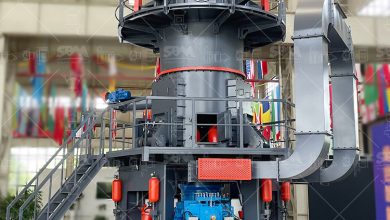
Moving from traditional ball mills to more efficient grinding systems is the most impactful step. Modern vertical roller mills (VRMs) and advanced pendulum mills offer superior grinding efficiency through a bed-compression mechanism rather than impact/attrition, leading to lower specific energy consumption (kWh/t) and higher throughput.
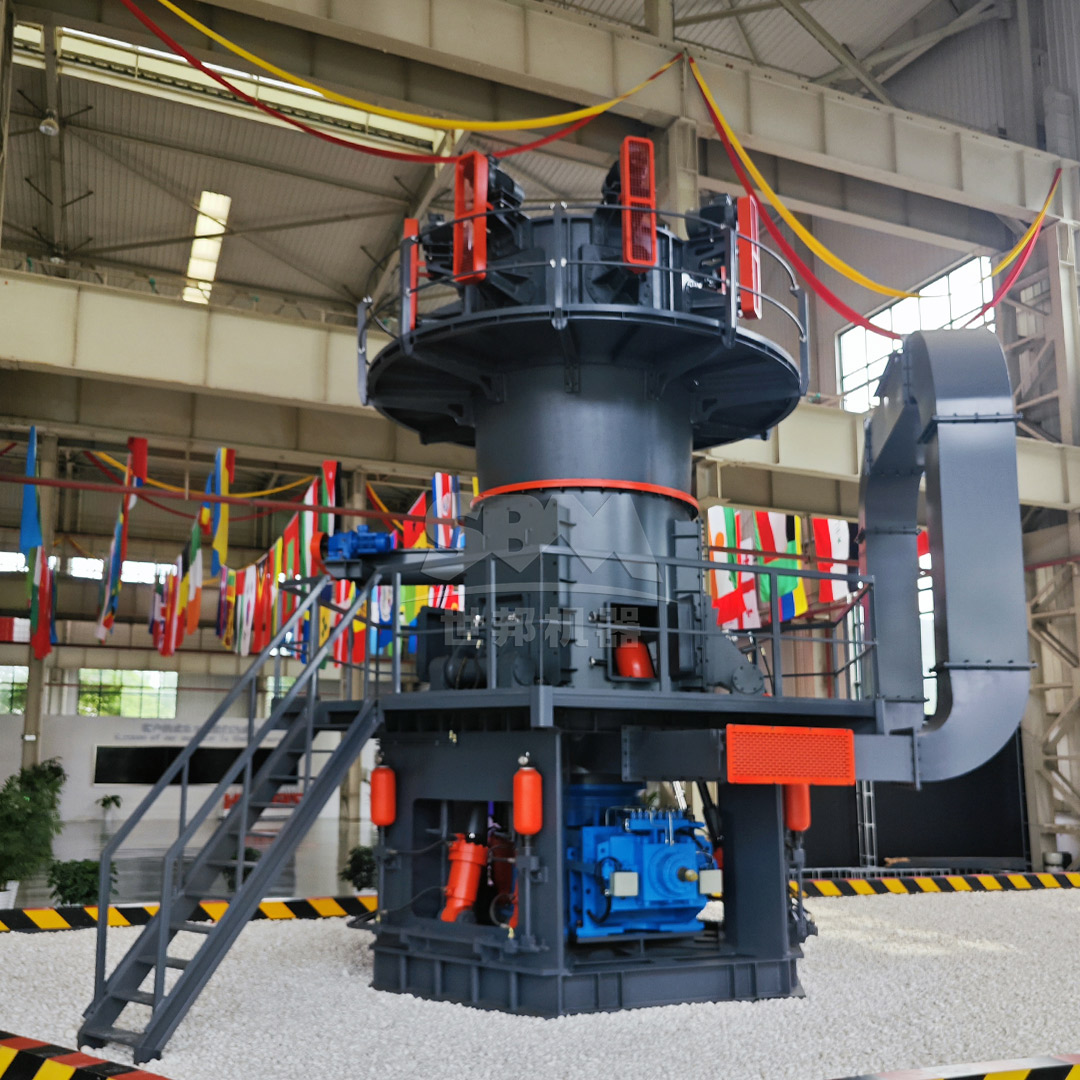
For vanadium-titanium magnetite, a two-stage grinding circuit often proves optimal. A primary coarse grinding stage prepares the feed for a secondary ultra-fine grinding stage to achieve the required liberation fineness.
2. Optimized Circuit Design and Pre-Crushing
Ensuring a consistently fine feed to the grinding mill is crucial. Implementing efficient pre-crushing stages (e.g., using high-performance cone crushers) to reduce the top size of mill feed directly increases grinding capacity. Closed-circuit grinding with high-efficiency classifiers (such as dynamic air classifiers) ensures that only oversize material is returned for further grinding, preventing over-grinding and improving overall system efficiency.
3. Precise Particle Size Control and Classification
Integrating state-of-the-art classification technology is non-negotiable. Accurate separation of product-sized particles from the grinding circuit reduces recirculating load and energy waste. For ultra-fine grinding requirements, high-precision turbo classifiers are essential to achieve sharp cuts and uniform product quality, which is critical for downstream magnetic separation of vanadium and titanium minerals.
Recommended Equipment Solutions
Selecting the right equipment is critical to implementing the above strategies. Based on the specific challenges of vanadium-titanium magnetite, the following solutions are highly recommended.
Primary/Coarse Grinding: The MTW Series Trapezium Mill
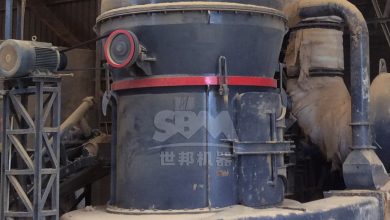
For the primary or secondary grinding stage where the target is to reduce feed from ≤50mm to a medium-fine product (30-325 mesh), the MTW Series Trapezium Mill is an exceptional choice. Its design directly addresses the needs of hard, abrasive ores.
- High Capacity & Efficiency: With models like the MTW215G offering capacities up to 45 tons/hour, it can handle large volumes. Its curved air duct and efficient transmission system minimize energy loss.
- Durability: The wear-resistant shovel design and high-strength guard plates are built to withstand the abrasiveness of magnetite ore, significantly reducing maintenance frequency and cost.
- Stable Operation: The integral transmission with bevel gears ensures smooth, high-efficiency (up to 98%) power transfer, providing stable operation crucial for continuous processing lines.
Implementing the MTW mill in the grinding circuit ensures robust and efficient size reduction, creating an ideal feed for subsequent ultra-fine grinding stages.
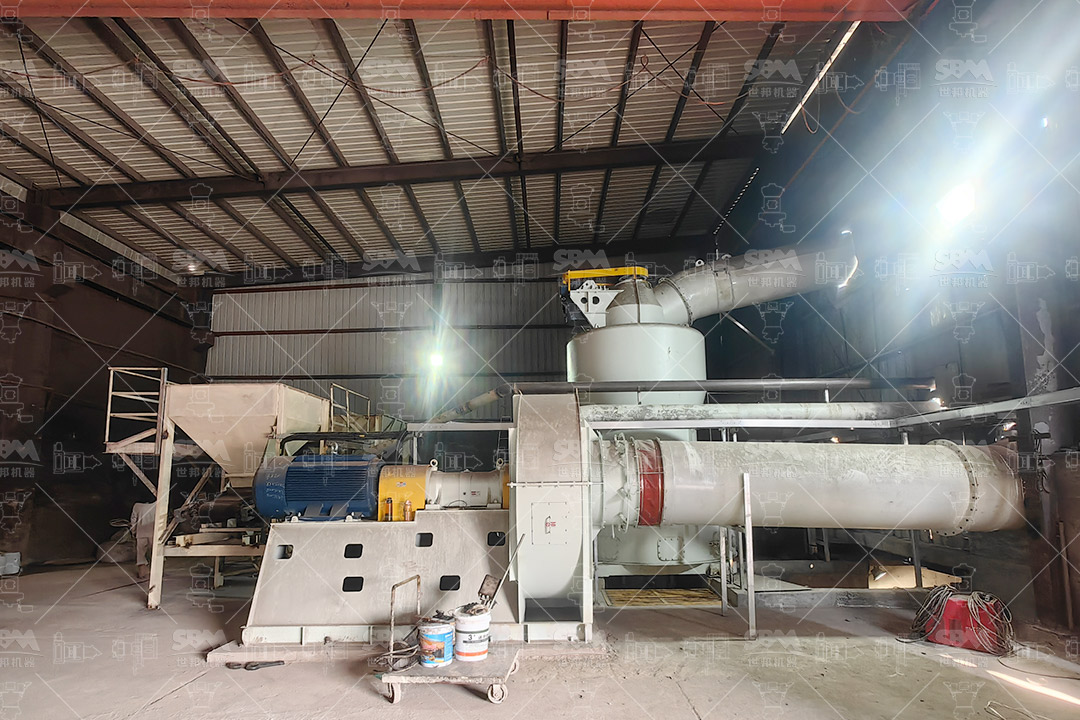
Ultra-Fine Grinding for Liberation: The SCM Ultrafine Mill
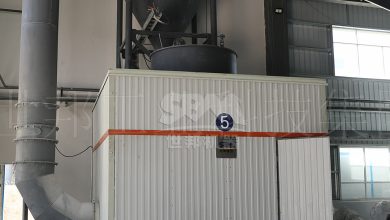
To achieve the final liberation fineness required for effective mineral separation (often down to D97 ≤ 5μm or 2500 mesh), a dedicated ultra-fine grinding solution is necessary. The SCM Ultrafine Mill is specifically engineered for this demanding application.
- Unmatched Fineness & Precision: Capable of producing powder in the range of 325-2500 mesh, it meets the stringent requirements for liberating finely disseminated vanadium and titanium minerals. Its vertical turbine classifier ensures precise particle size cuts with no coarse powder contamination.
- Energy Efficiency: Compared to traditional jet mills, the SCM mill can double the production capacity while reducing energy consumption by approximately 30%, a critical factor for cost-intensive ultra-fine grinding.
- Robust Construction: The use of special material rollers and grinding rings extends service life multiple times when processing abrasive materials. The innovative bearing-less screw grinding chamber design enhances operational stability.
- Environmental Compliance: Its pulse dust collector exceeds international standards, and the soundproof room design keeps noise levels below 75dB, ensuring a cleaner and safer working environment.
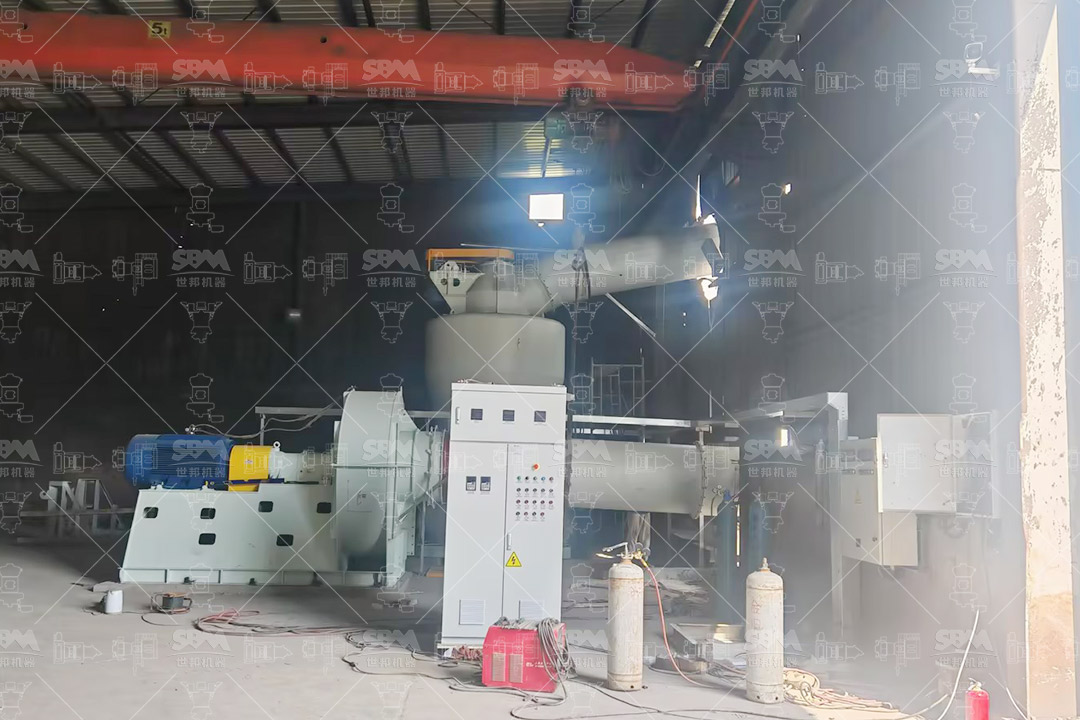
For example, the SCM1680 model, with a capacity of 5.0-25 tons/hour and a 315kW motor, can be the cornerstone of a high-capacity ultra-fine grinding circuit for vanadium-titanium magnetite concentrate.
Integrated Process Flow Recommendation
A proposed high-capacity grinding circuit could be structured as follows:
- Primary Crushing: Jaw/Cone Crusher to reduce ROM ore to <50mm.
- Primary Grinding: MTW Series Trapezium Mill (e.g., MTW215G) in closed circuit with a classifier. Reduces material to 80-90% passing 100 mesh.
- Magnetic Separation (Rougher): Removes a portion of liberated magnetite.
- Ultra-Fine Grinding: SCM Ultrafine Mill (e.g., SCM1680) in closed circuit with its high-precision classifier. Grinds the middlings/tailings to D97 ≤ 10μm for further liberation.
- Final Separation: Multi-stage magnetic and gravity separation to recover fine magnetite, ilmenite, and other valuable minerals.
Conclusion
Increasing the grinding production capacity of vanadium-titanium magnetite ore is a multi-faceted endeavor that requires moving beyond conventional methods. By embracing a strategy that combines optimized circuit design, precise classification, and the adoption of high-efficiency, durable grinding technology, operators can achieve breakthrough gains in throughput, energy efficiency, and product quality. The integration of robust equipment like the MTW Series Trapezium Mill for primary grinding and the SCM Ultrafine Mill for final liberation provides a powerful, synergistic solution tailored to the unique challenges of this valuable ore, ultimately unlocking greater economic potential from the resource.