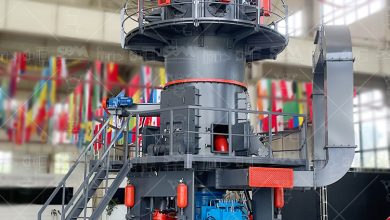
How to Improve Raymond Mill Production Capacity for Titanium Dioxide Processing
Introduction
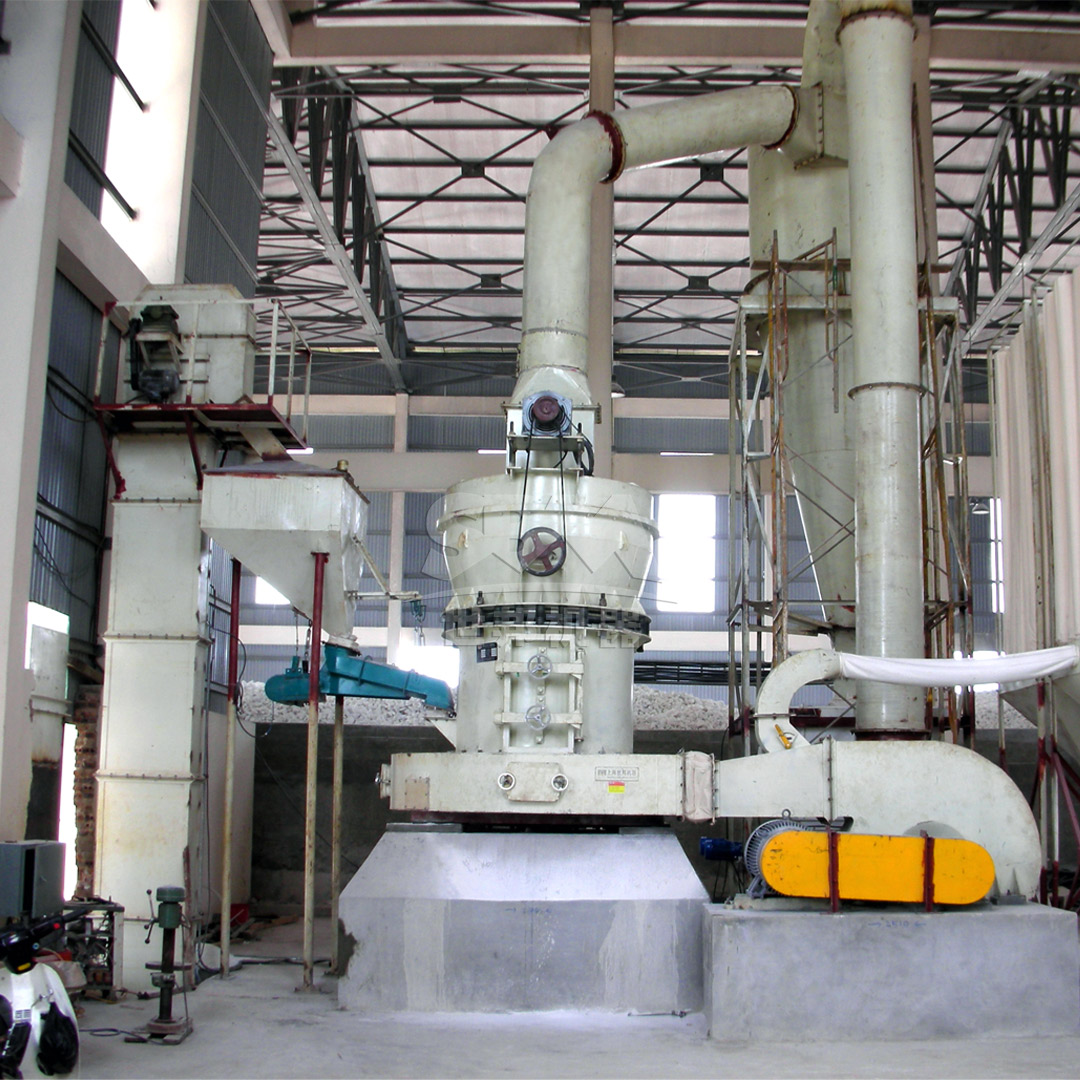
The production of titanium dioxide (TiO2), a crucial pigment and functional material, demands precise particle size control, high brightness, and consistent quality. Raymond mills, or pendulum roller mills, have long been a staple in the mineral processing industry for their reliability in grinding non-metallic minerals to medium fineness. However, achieving optimal production capacity and product quality for TiO2 processing requires a strategic approach that goes beyond standard operation. This article explores comprehensive strategies to enhance the performance of your Raymond mill system specifically for titanium dioxide, focusing on operational parameters, system optimization, and the integration of advanced grinding technology.
Understanding the Challenges in TiO2 Grinding
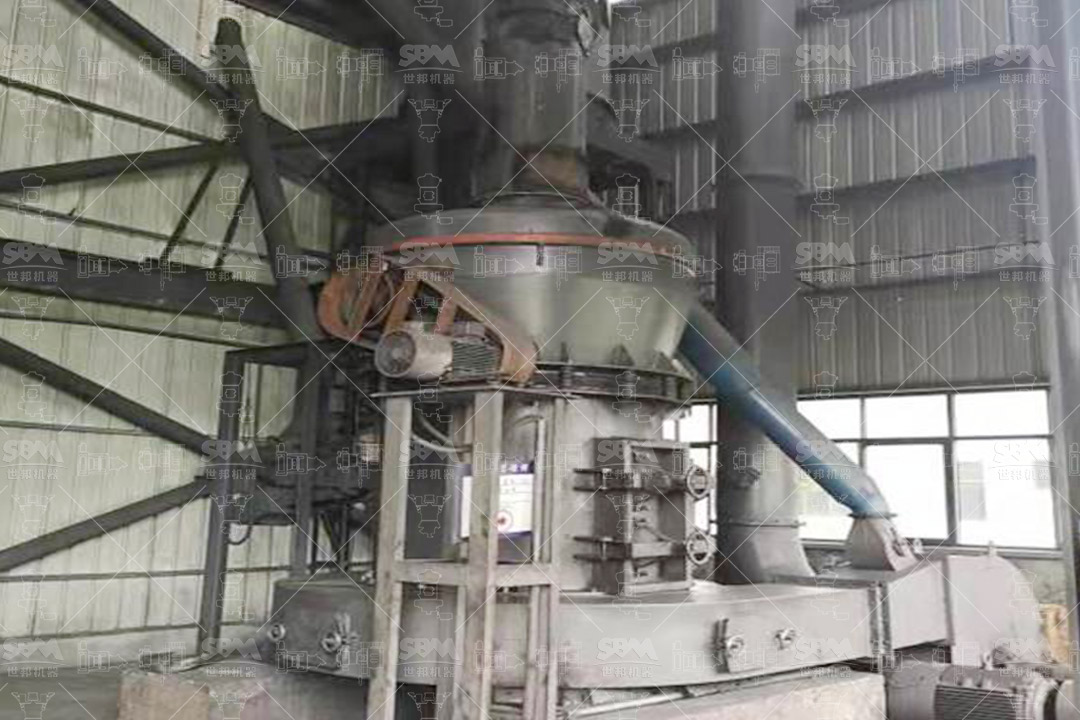
Titanium dioxide, whether in rutile or anatase form, presents unique grinding challenges. Its high hardness (Mohs 6-6.5 for rutile) leads to accelerated wear on grinding components. Furthermore, achieving the target fineness (typically between 325 mesh and 2500 mesh for various applications) while maintaining a narrow particle size distribution is critical for opacity and dispersion properties. Inefficient grinding can lead to energy waste, reduced throughput, and inconsistent product quality. Key bottlenecks in traditional Raymond mill setups include limited classification precision, high recirculation loads, excessive wear part consumption, and suboptimal system airflow.
1. Optimizing Operational Parameters
The first step to improving capacity is fine-tuning the mill’s operational parameters based on the specific characteristics of the TiO2 feed material.
- Feed Size Control: Consistently feeding the Raymond mill with material of a uniform and appropriate size (ideally ≤20mm) is paramount. Implementing a pre-crushing stage with a jaw crusher or hammer mill ensures the feed is within the mill’s optimal processing range, preventing overload and stabilizing grinding pressure.
- Grinding Pressure & Roller Gap: Adjusting the spring pressure on the grinding rollers directly impacts grinding force and fineness. For harder TiO2 concentrates, increased pressure may be necessary, but it must be balanced against accelerated roller and ring wear. Modern mills feature automatic pressure regulation to maintain consistent performance as components wear.
- Airflow & Classification: The classifier speed and system airflow are the primary controls for product fineness. Increasing classifier speed yields finer product but may reduce capacity. Optimizing the fan speed to ensure adequate air velocity carries qualified fines to the collector while allowing coarse particles to fall back for regrinding is a delicate balance. Ensuring airtight ductwork prevents pressure loss and maintains efficient material transport.
2. System Integration and Auxiliary Equipment
A Raymond mill does not operate in isolation. Its capacity is part of a system’s performance.
- High-Efficiency Cyclone & Dust Collector: Upgrading to a high-efficiency cyclone separator and a pulse-jet baghouse dust collector ensures maximum product recovery with minimal pressure drop. This improves the system’s negative pressure, enhances airflow, and directly contributes to higher throughput.
- Automated Feeding System: An even and controlled feed rate is crucial. Using a variable-speed screw feeder or vibrating feeder with a feedback loop from the mill’s main motor current prevents both starving and overfeeding the grinding chamber, leading to stable and maximized output.
- Wear Part Management: Implementing a strict monitoring and replacement schedule for grinding rollers, rings, and shovel blades is essential. Using wear-resistant alloys or ceramic composites can significantly extend service life, reducing downtime and maintaining grinding efficiency over longer periods.
Advancing Beyond Traditional Raymond Mills: The Role of Modern Grinding Technology
While optimizing a traditional Raymond mill can yield improvements, a paradigm shift towards more advanced grinding systems often delivers the most significant leaps in capacity, energy efficiency, and product quality for demanding applications like titanium dioxide.
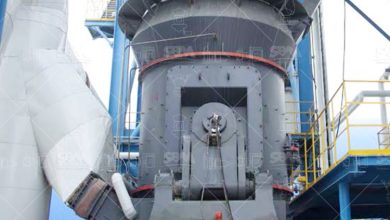
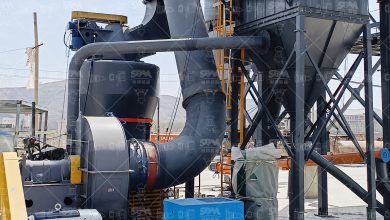
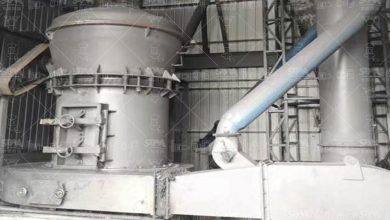
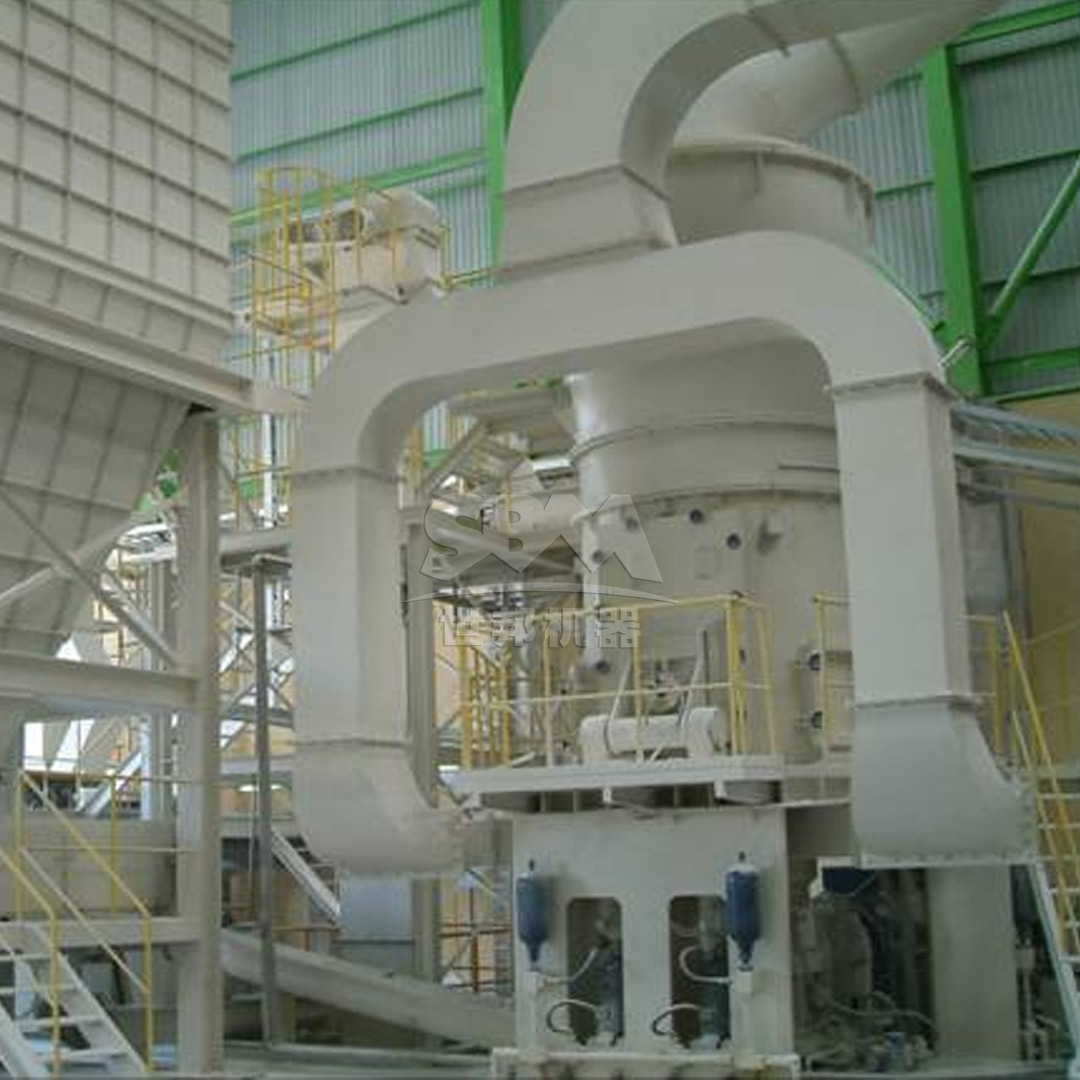
For producers aiming to achieve higher tonnage rates with superior product uniformity, upgrading to a next-generation European Trapezium Mill represents a strategic investment. Our MTW Series European Trapezium Mill is engineered to address the limitations of older Raymond mill designs specifically for mineral processing.
For TiO2 processing, the MTW series offers distinct advantages. Its curved shovel design and wear-resistant volute structure ensure more efficient material conveyance and reduced maintenance costs when handling abrasive TiO2 feed. The integral bevel gear drive provides a transmission efficiency of up to 98%, translating directly to lower energy consumption per ton of product. Most importantly, its optimized arc air duct and advanced classifier system provide more precise particle size control and higher air selection efficiency, which is critical for achieving the consistent fineness required for premium TiO2 pigments. With capacities ranging from 3 to 45 tons per hour and the ability to produce fineness from 30 to 325 mesh, the MTW series is a robust solution for medium-to-large scale TiO2 processing lines seeking to maximize Raymond-style grinding performance.
Conclusion
Improving the production capacity of a Raymond mill for titanium dioxide processing is a multi-faceted endeavor. It begins with meticulous optimization of feed size, grinding pressure, and airflow dynamics. It extends into the careful selection and maintenance of auxiliary system components like feeders and collectors. Ultimately, for operations targeting substantial, sustainable gains in throughput, product quality, and operational cost, investing in modern grinding technology is the most effective path forward. Upgrading to advanced mill designs like the MTW European Trapezium Mill or exploring ultrafine solutions for specialized applications allows producers to meet the exacting standards of the titanium dioxide market while enhancing overall plant profitability and competitiveness.