How to Grind Soil or Rocks into Fine Powder? A Guide to Soil and Rock Crusher Machines
Introduction: The Need for Fine Powder Processing
The process of grinding soil and rocks into fine powder is a fundamental operation across numerous industries, including construction, agriculture, mining, ceramics, and scientific research. The desired fineness of the final product dictates the choice of equipment and the overall processing workflow. This guide provides a comprehensive overview of the methods and machinery involved in transforming raw, coarse materials into uniform, fine powders, from initial crushing to ultra-fine grinding.
Understanding the Process: From Crushing to Grinding
The journey from rock to powder is typically a multi-stage process. It begins with primary crushing to reduce large rocks to a manageable size (e.g., 50-100mm). Secondary crushing or coarse grinding then brings the material down to a feed size suitable for fine grinding mills (often below 20-30mm). The final stage involves fine or ultra-fine grinding to achieve the target particle size distribution, measured in mesh (e.g., 200 mesh, 325 mesh) or micrometers (µm).
Key Considerations Before Selection
- Material Hardness & Abrasiveness: Mohs scale hardness, silica content.
- Feed Size: Maximum initial particle diameter.
- Required Product Fineness: Target particle size (D97) and distribution.
- Moisture Content: Affects grindability and may require drying.
- Production Capacity: Tons per hour (TPH) requirements.
- Energy Consumption & Operating Costs: A critical long-term factor.
Types of Crusher and Grinder Machines
Different machines are designed for specific stages of size reduction. Here’s a breakdown of the most common types.
1. Primary & Secondary Crushers
These are for the initial size reduction of large rocks.
- Jaw Crushers: Use compressive force between a fixed and a moving jaw. Ideal for hard, abrasive materials.
- Cone Crushers: Utilize a gyrating spindle within a concave bowl. Excellent for producing a uniform, medium-coarse product.
- Impact Crushers (Horizontal Shaft Impactors): Use high-speed impact to shatter material. Good for softer, less abrasive rocks.
- Hammer Mills: Employ swinging hammers on a rotating shaft to pulverize material against a screen. Suitable for friable materials and can produce finer outputs.
2. Fine Grinding Mills
These take pre-crushed material and produce powders in the range of approximately 45 mesh (350µm) to 325 mesh (45µm).
- Ball Mills: A rotating cylinder filled with grinding media (steel balls). Material is ground by impact and attrition. Versatile but can be less energy-efficient for dry fine grinding.
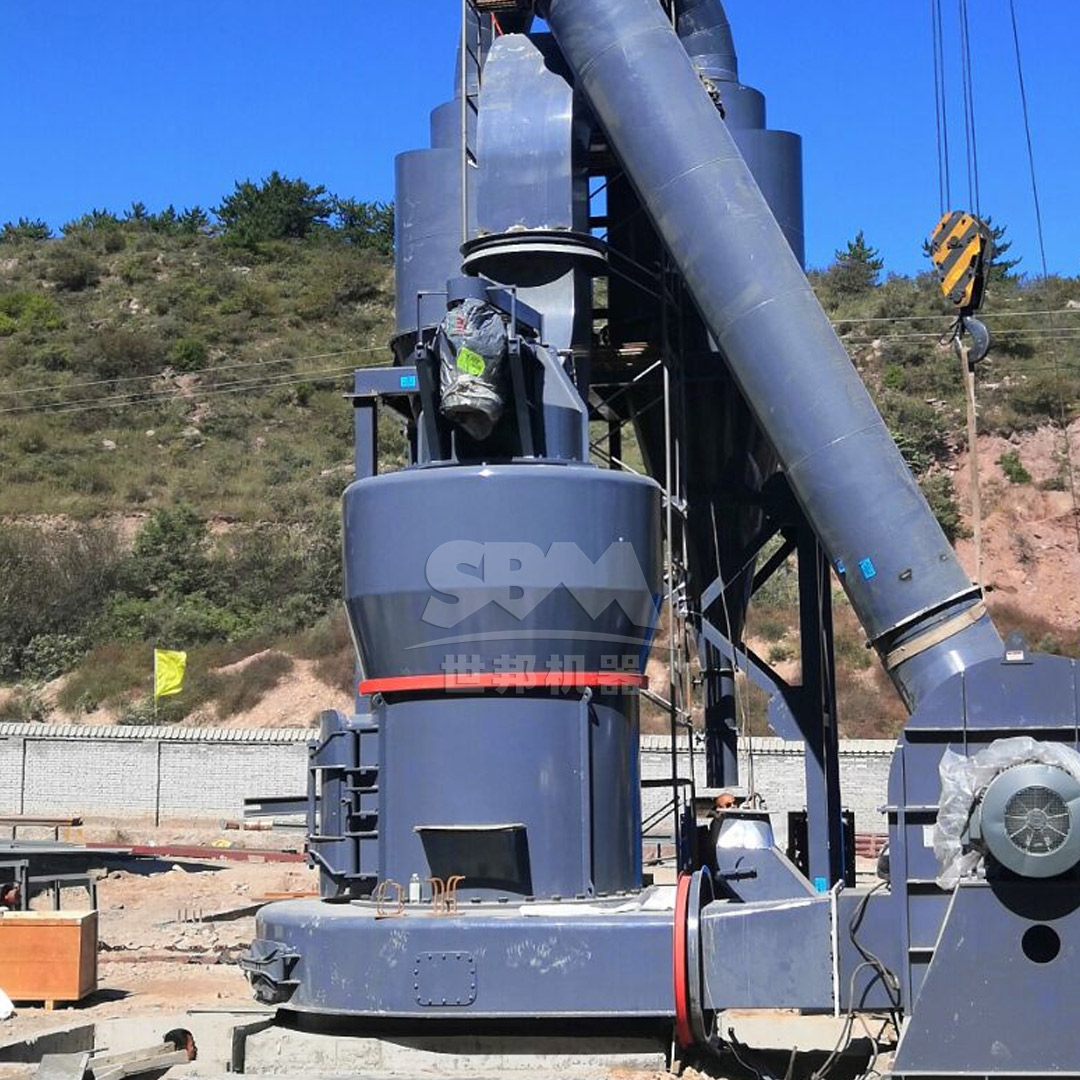
- Raymond Mills (Roller Mills): Use spring-loaded rollers that rotate against a stationary ring. A classic design for medium-fine grinding of non-metallic minerals.
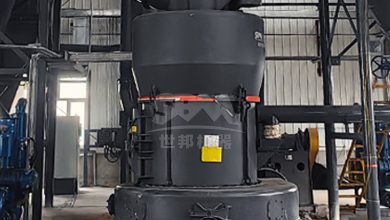
- Vertical Roller Mills (VRM): Modern, efficient mills where material is ground between a rotating table and rollers. Highly efficient due to integrated drying, grinding, and classification.
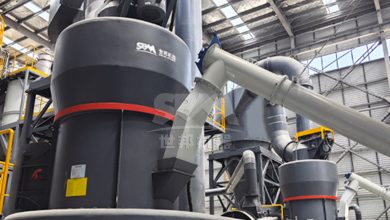
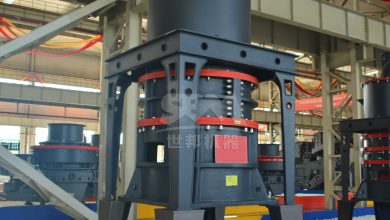
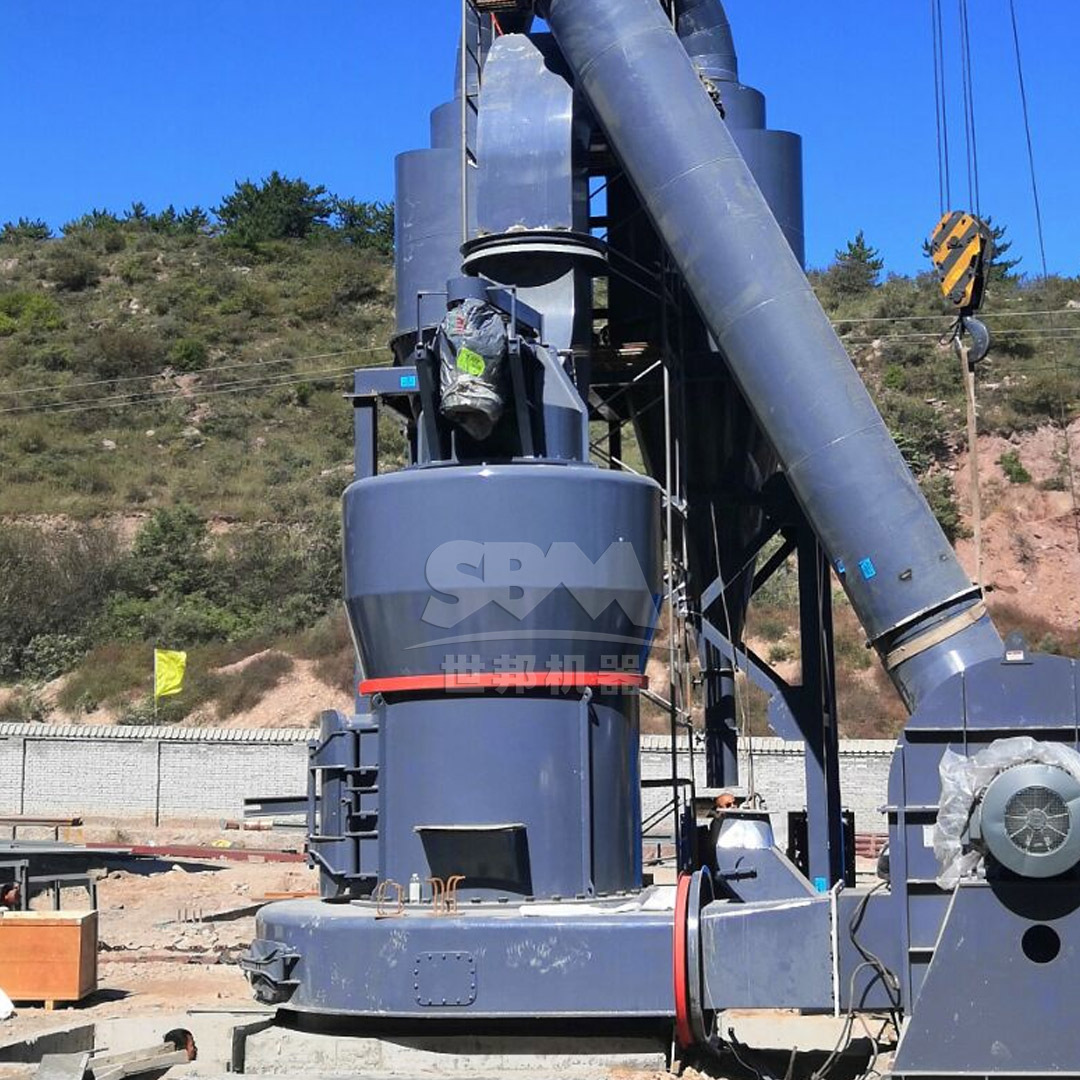
For high-capacity fine grinding applications requiring excellent energy efficiency and integrated processing, our MTW Series Trapezium Mill stands out. It is an advanced iteration of the Raymond mill, featuring a patented conical gear transmission with 98% efficiency, curved air duct for reduced flow resistance, and wear-resistant components. Capable of handling feed sizes up to 50mm and producing powders from 30 to 325 mesh (0.038mm), the MTW series offers capacities from 3 to 45 tons per hour. Its intelligent design significantly lowers maintenance costs and energy consumption, making it an ideal choice for processing limestone, calcite, barite, and other medium-hardness soils and rocks.

3. Ultra-Fine Grinding Mills
For producing superfine powders below 325 mesh (45µm) and down to micron or even sub-micron levels.
- Jet Mills (Fluid Energy Mills): Use high-speed jets of compressed air or steam to cause particle-on-particle impact. No moving parts contact the material, ideal for heat-sensitive or high-purity products.
- Stirred Media Mills: Use a central shaft with agitators to stir grinding media (small beads) at high speed, creating intense shear and attrition forces for ultra-fine grinding.
- Advanced Ring-Roller Mills: Enhanced versions of traditional designs with precise internal classifiers to achieve ultra-fine outputs.
When the application demands the highest levels of fineness—reaching 2500 mesh (5µm)—our SCM Ultrafine Mill is the premier solution. This mill is engineered for high-efficiency, low-energy consumption ultra-fine grinding. Its core advantages include a vertical turbine classifier for precise particle size cuts, ensuring no coarse powder mixes into the final product. With a unique grinding chamber design using special material rollers and rings, its lifespan is multiples longer than conventional mills. Operating at noise levels below 75dB and equipped with high-efficiency pulse dust collection, the SCM series is both environmentally friendly and capable of outputs from 0.5 to 25 tons per hour, making it perfect for advanced materials, high-value minerals, and precise soil analysis preparations.
Choosing the Right Machine for Your Application
| Target Output | Recommended Machine Type | Typical Applications |
|---|---|---|
| 0-3mm (Coarse Powder) | Hammer Mill, Cone Crusher | Aggregate base, soil amendment |
| 30-325 Mesh (Fine Powder) | MTW Trapezium Mill, Ball Mill, Vertical Roller Mill | Agricultural lime, ceramic glazes, filler materials |
| 325-2500 Mesh (Ultra-Fine Powder) | SCM Ultrafine Mill, Jet Mill | High-performance ceramics, advanced composites, precise laboratory analysis |
Essential Auxiliary Systems
No grinding system is complete without supporting equipment.
- Feeders: Ensure a consistent and controlled rate of material into the crusher/mill (e.g., vibrating feeders, belt feeders).
- Conveyors: Transport material between process stages (belt conveyors, bucket elevators).
- Classifiers/Separators: Critical for fine grinding. They separate fine product from coarse material that needs regrinding (e.g., dynamic air classifiers, cyclones).
- Dust Collection Systems: Mandatory for plant safety, environmental compliance, and product recovery (baghouse filters, pulse-jet dust collectors).
- Electrical & Control Systems: PLC-based automation for stable operation, optimal efficiency, and safety.
Best Practices for Operation and Maintenance
- Proper Feed Preparation: Ensure feed size is within the machine’s specification to prevent blockages and excessive wear.
- Regular Wear Parts Inspection: Routinely check hammers, liners, rollers, and grinding media. Replace them based on wear, not failure.
- Monitor Product Fineness: Regularly test the output powder to ensure the classifier or mill settings are correct.
- Lubrication Schedule: Adhere strictly to the manufacturer’s lubrication guidelines for bearings and gears.
- Keep a Clean System: Prevent cross-contamination and ensure dust collection systems are functioning to maintain a safe work environment.
Conclusion
Transforming soil and rocks into fine powder is a precise engineering task that requires selecting the right sequence of equipment. The choice depends fundamentally on the raw material properties and the desired final product specifications. From high-capacity fine grinding with solutions like the MTW Series Trapezium Mill to cutting-edge ultra-fine processing with the SCM Ultrafine Mill, modern technology offers efficient, reliable, and environmentally sound pathways to achieve your powder production goals. A well-designed system, coupled with disciplined operation and maintenance, is key to maximizing productivity and product quality.