How to Grind Graphite Electrodes? Vertical Mill Production Process for Graphite Electrodes
Introduction
Graphite electrodes are a critical component in electric arc furnace (EAF) steelmaking, serving as conductive elements that generate the intense heat required to melt scrap metal. Their performance is directly linked to their physical properties, including density, strength, and electrical conductivity, all of which are significantly influenced by the particle size and morphology of the raw graphite powder. Therefore, the grinding process is a pivotal stage in electrode manufacturing. This article delves into the specialized requirements for grinding graphite electrodes and explores why vertical roller mills represent the optimal production technology for this demanding application.
Challenges in Grinding Graphite Electrodes
Grinding graphite is not a trivial task. The material presents unique challenges that not all milling equipment can handle effectively:
- Abrasive Nature: Graphite is a natural lubricant but can be highly abrasive to grinding components, leading to rapid wear and contamination of the product with metallic impurities.
- Thermal Sensitivity: Excessive heat generated during grinding can oxidize graphite, reducing yield and altering its crucial electrical properties.
- Particle Size Distribution (PSD) Control: A consistent and specific PSD is vital for the subsequent mixing, molding, and baking stages. Wide or inconsistent PSD leads to poor electrode density and performance.
- Dust Control & Safety: Graphite dust is combustible and poses explosion risks. A completely sealed and efficient dust collection system is non-negotiable.
The Vertical Roller Mill Advantage
Vertical Roller Mills (VRMs) have emerged as the superior solution for graphite electrode production, addressing the aforementioned challenges through their fundamental design and operational principles.
Working Principle
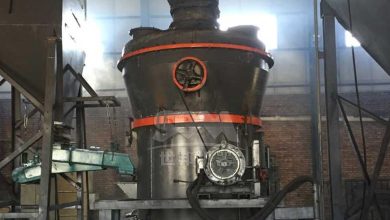
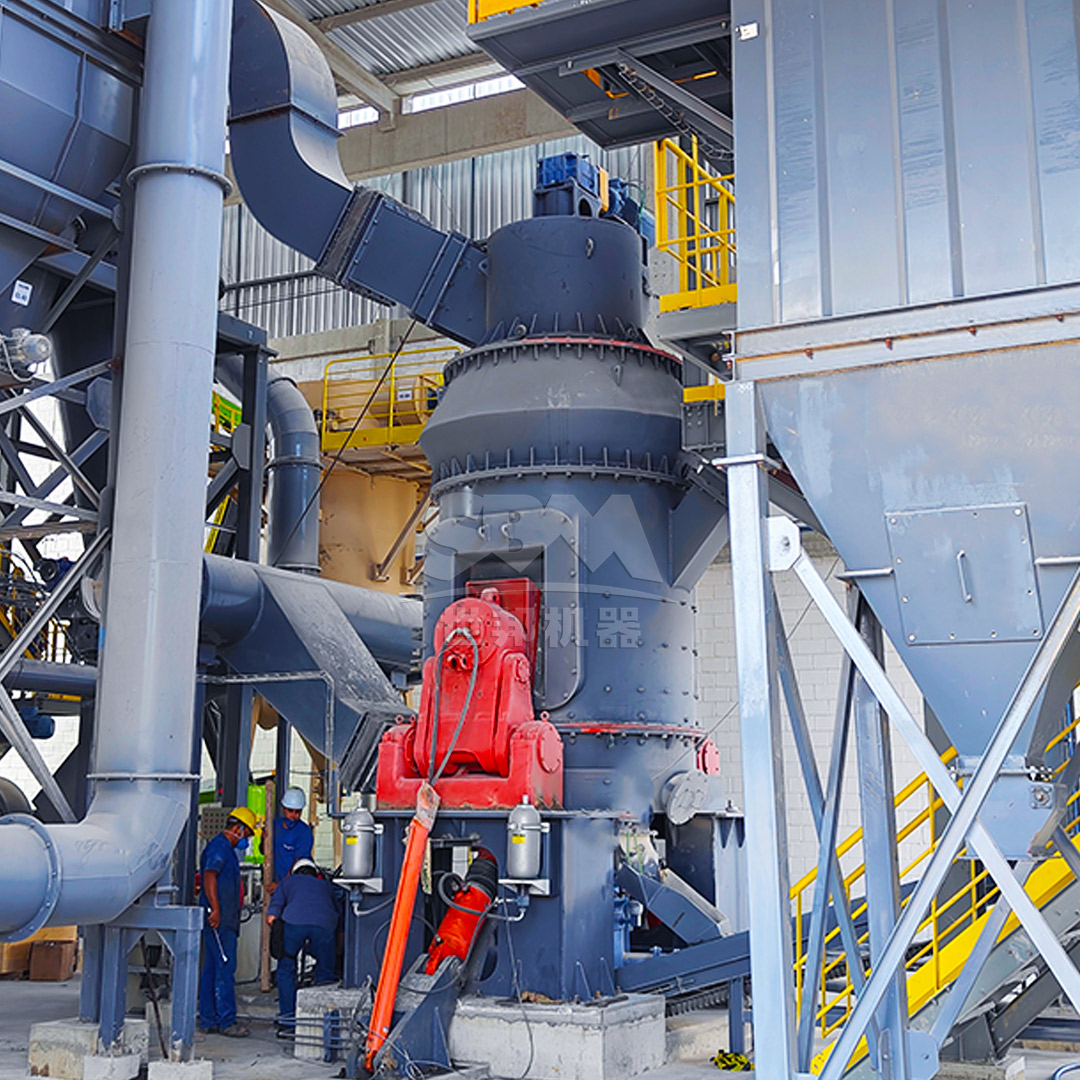
In a VRM, feed material (crushed graphite) is introduced onto a rotating grinding table. Centrifugal force moves the material under grinding rollers, which apply hydraulic pressure. The material is ground by a combination of compression and shear forces between the rollers and the table. The ground material is then transported by an air stream to an integrated, high-efficiency classifier. Fines meeting the target fineness are carried to the collection system, while coarse particles are rejected and fall back to the grinding table for further size reduction.
Key Benefits for Graphite Processing
- Energy Efficiency: The bed-compression grinding mechanism of a VRM is significantly more efficient than the impact/attrition of ball mills, typically reducing specific energy consumption by 30-50%.
- Precise Particle Size Control: The internal dynamic classifier allows for real-time, precise adjustment of product fineness, ensuring a consistent and narrow PSD critical for electrode quality.
- Low Heat Generation: The grinding process in a VRM generates less heat compared to other mills. Combined with the large volume of process air, the material temperature remains controlled, minimizing oxidation risks.
- Integrated Drying: If the raw graphite has moisture, hot air can be introduced into the mill to dry the material simultaneously with grinding, simplifying the process flow.
- Superior Dust Containment: VRMs operate under negative pressure, ensuring no dust leakage. Combined with high-efficiency pulse jet bag filters, they provide a safe and clean working environment.
Recommended Mill Solutions for Graphite Electrode Production
Selecting the right VRM model depends on the required capacity and target fineness. Based on the stringent needs of graphite grinding, we highly recommend the following solutions from our product line:
1. For Ultrafine Grinding (High-Performance Electrodes)
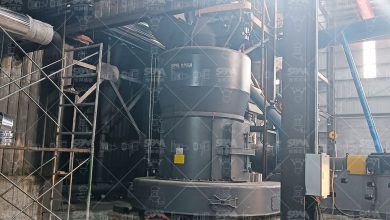
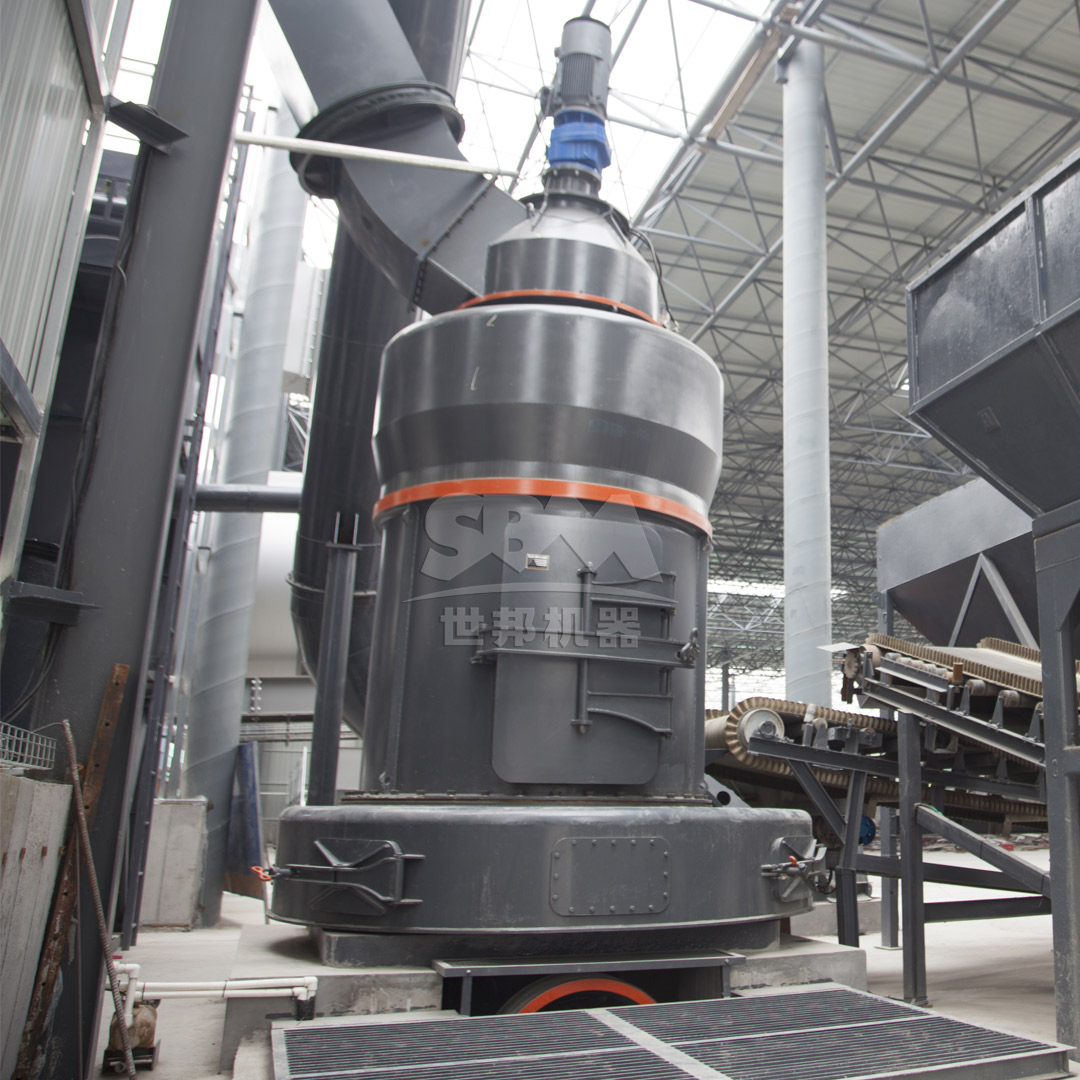
For producers aiming for the highest density and strength electrodes, which require ultrafine graphite powders (often down to 5μm or 2500 mesh), our SCM Series Ultrafine Mill is the ideal choice.
This mill excels in producing superfine powders with exceptional uniformity. Its vertical turbine classifier ensures precise particle size cutting with no coarse powder mixing. The special material rollers and rings are designed for longevity when processing abrasive materials like graphite. Furthermore, its intelligent control system with automatic granularity feedback guarantees a stable, high-quality product. With capacities ranging from 0.5 to 25 tons per hour, it can be scaled for various production needs while maintaining energy consumption 30% lower than traditional jet mills.
2. For High-Capacity Fine Grinding (Standard Electrodes)
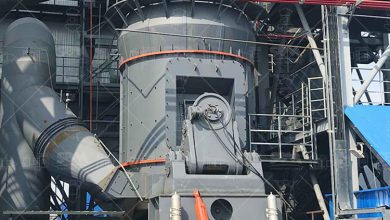
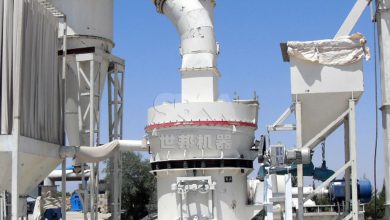
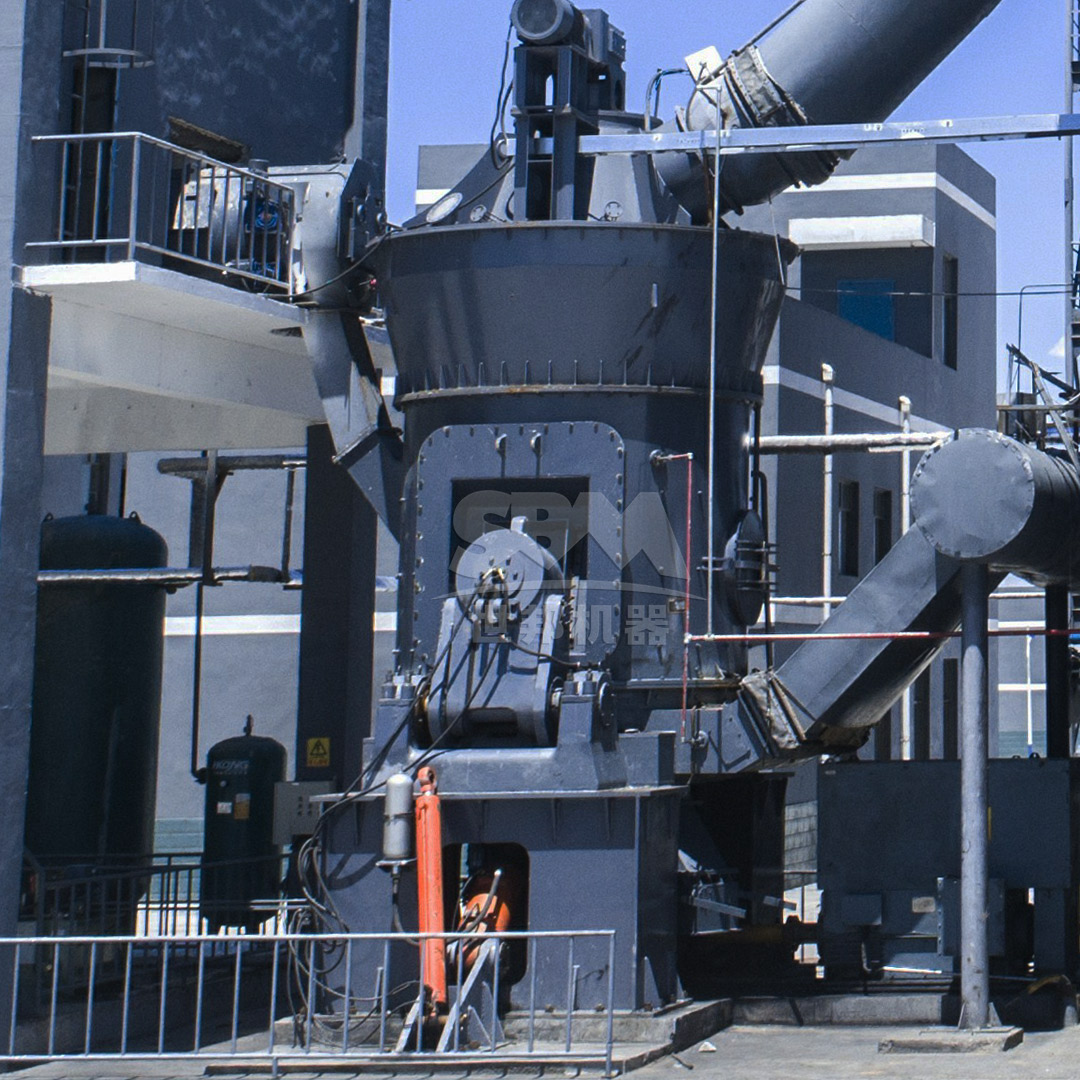
For large-scale production of standard graphite electrodes requiring fine powders in the range of 30-325 mesh, our LM Series Vertical Roller Mill offers an unbeatable combination of efficiency, reliability, and low operating cost.
The LM series features an integrated design that reduces plant footprint by 50%. Its non-contact design between rollers and table, coupled with wear-resistant technology, extends the life of grinding parts significantly, reducing contamination risk and maintenance costs. The mill’s energy consumption is 30-40% lower than ball mill systems, making it a highly economical solution. With models offering capacities from 3 to over 250 tons per hour, it is perfectly suited for major electrode manufacturing facilities. The expert-level automatic control system ensures consistent operation with minimal manual intervention.
The Optimal Production Process Flow
A typical, optimized graphite electrode grinding circuit using a VRM would include:
- Primary Crushing: Large graphite blocks are reduced to ≤50mm pieces using a jaw crusher.
- Dosing & Feeding: Crushed material is conveyed and consistently fed into the VRM (e.g., the LM Series Mill).
- Grinding & Classification: Inside the VRM, grinding and precise air classification occur in a single step.
- Product Collection: The fine graphite powder is collected by a high-efficiency cyclone and a final pulse-jet baghouse filter, ensuring >99.9% collection efficiency.
- Packing & Storage: The finished powder is transported to silos or packing machines for the next stage of electrode production.
Conclusion
The transition to Vertical Roller Mill technology for grinding graphite electrodes is a strategic decision that enhances product quality, boosts production efficiency, and lowers operational costs. By providing precise particle size control, superior energy efficiency, and a sealed, safe environment, VRMs like our SCM and LM series directly address the core challenges of graphite processing. Investing in the right grinding technology is not merely an equipment purchase; it is an investment in the consistency, performance, and competitiveness of the final graphite electrode product. For manufacturers looking to optimize their electrode production line, adopting a modern vertical milling system is the clear path forward.