How to Grind Copper Ore into Powder: Working Principles and Process Flow Explained
Introduction
The processing of copper ore into fine powder is a critical stage in the copper production chain, enabling efficient downstream processes such as leaching, flotation, or direct smelting. The choice of grinding technology significantly impacts particle size distribution, energy consumption, operational costs, and final product quality. This article provides a comprehensive overview of the working principles and process flow for grinding copper ore, with a focus on selecting the appropriate equipment for different production scales and fineness requirements.
Copper Ore Characteristics and Grinding Requirements
Copper ores vary widely in composition, hardness, and moisture content. Primary sulfides like chalcopyrite (CuFeS₂) are often hard and abrasive, while oxide ores like malachite are softer. The target grind size is dictated by the subsequent extraction process. Hydrometallurgical routes (e.g., heap leaching) may require a coarse grind (P80 of 10-20mm), whereas froth flotation, the most common method for sulfide ores, typically demands a much finer powder, often with a P80 between 75 and 150 microns (200 to 100 mesh). Ultra-fine grinding (below 40 microns) can enhance liberation and recovery but at a higher energy cost.
Core Working Principles of Grinding Mills
Grinding equipment operates on several fundamental principles to reduce particle size:
1. Compression (Crushing)
Force is applied between two rigid surfaces. This is dominant in primary and secondary crushing (jaw crushers, gyratory crushers) and is also a component in roller mills.
2. Impact (Percussion)
Rapid collision between the ore particles and moving parts (e.g., hammers, rods, balls) or other particles. Hammer mills and ball mills rely heavily on impact.
3. Attrition (Abrasion)
Particles are worn down by rubbing against each other or against a surface under pressure. This is a key mechanism in fine and ultra-fine grinding within ball mills and stirred media mills.
4. Shear/Cutting
Force is applied parallel to the particle surface, causing it to fracture along planes of weakness. This is less common in standard ore grinding but relevant in some specialized mills.
Most industrial grinding mills combine these mechanisms. For instance, a ball mill utilizes impact from the tumbling balls and attrition between particles.
Typical Process Flow for Copper Ore Grinding
A standard grinding circuit for copper ore concentrators follows these stages:
- Primary Crushing: Run-of-mine ore is reduced to 150-250mm using jaw or gyratory crushers.
- Secondary & Tertiary Crushing: Cone crushers further reduce the ore to 10-30mm, preparing it for grinding.
- Primary Grinding (Coarse Grinding): This stage, often performed in Semi-Autogenous Grinding (SAG) mills or large ball mills, reduces the feed to a few millimeters.
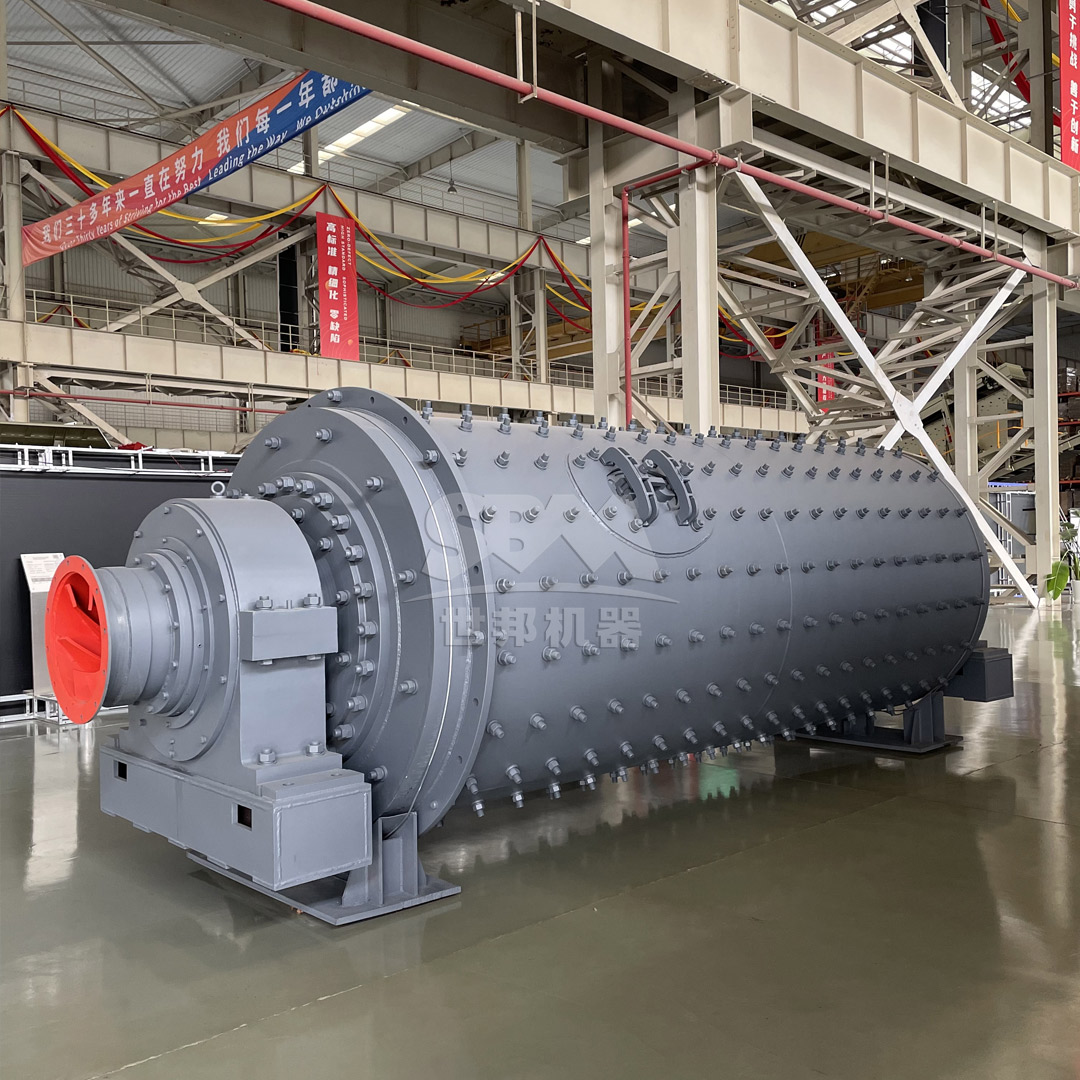
- Secondary Grinding (Fine Grinding): The product from primary grinding is fed to ball mills or regrind mills to achieve the target flotation size. This is often a closed-circuit operation with hydrocyclones classifying the discharge, returning coarse material (oversize) for further grinding.
- Classification & Dewatering: The final slurry is classified, and the fine powder is thickened and filtered before being sent to flotation cells.
Equipment Selection for Different Grinding Stages
Selecting the right mill depends on feed size, required product fineness, capacity, and ore characteristics.
For Coarse to Medium-Fine Grinding (P80 > 45μm / <325 mesh)
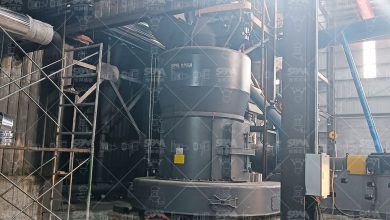
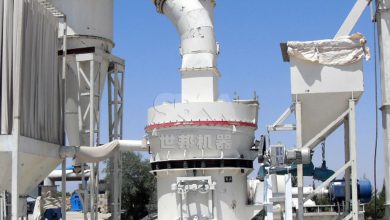
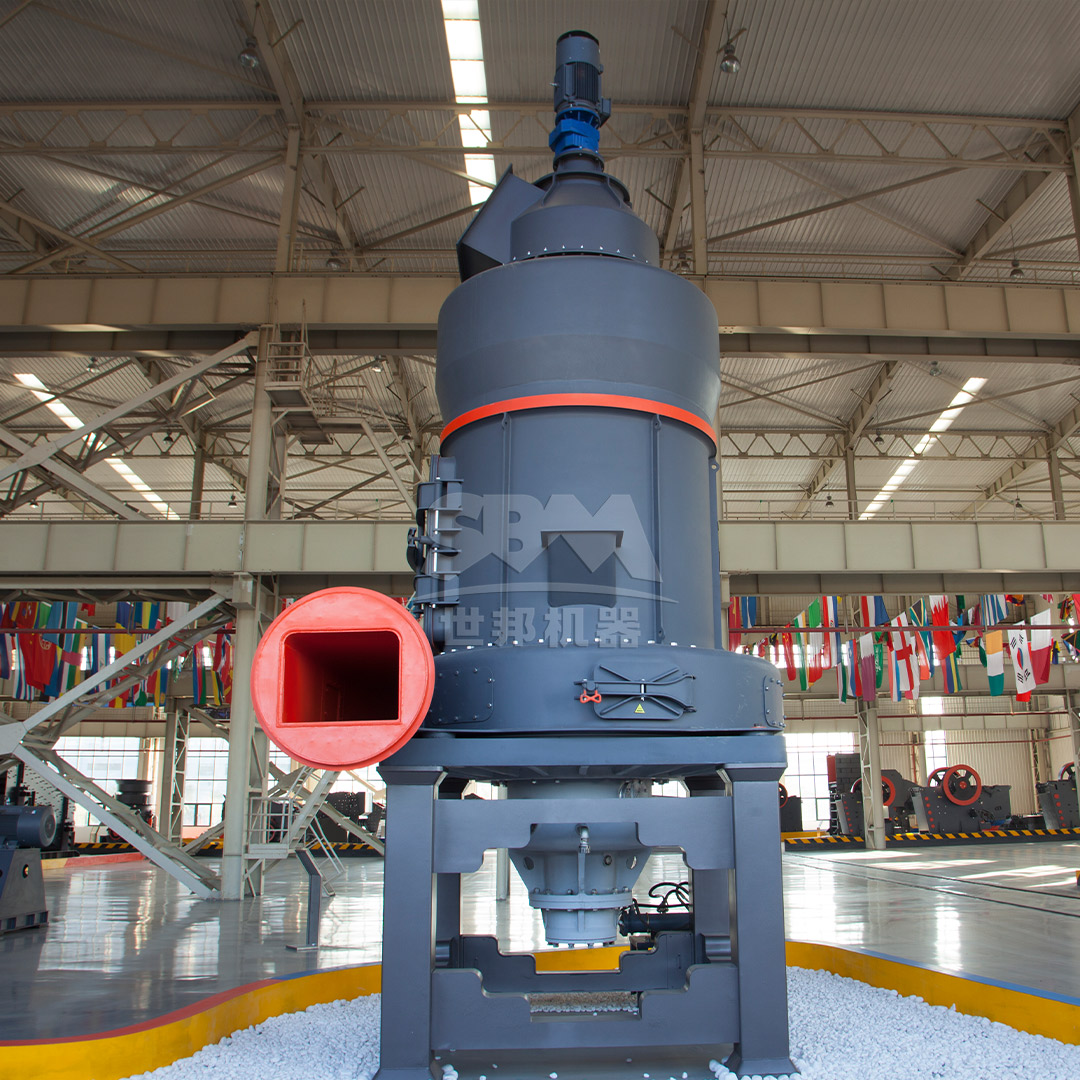
For the secondary fine grinding stage or smaller-scale operations targeting standard flotation fineness, advanced roller mills offer significant advantages in energy efficiency and drying capability. Our MTW Series Trapezium Mill is an excellent choice for this application. Its unique advantages include:
- High Efficiency & Energy Saving: The curved air duct and integral transmission gearbox reduce airflow resistance and transmission loss, leading to lower energy consumption compared to traditional ball mills for the same output.
- Wear-Resistant Design: The modular shovel blade and wear-resistant grinding roller/ring assembly are specifically designed for abrasive materials like copper ore, significantly reducing maintenance downtime and cost.
- Precise Classification: An internal high-density classifier ensures a sharp particle size cut, preventing coarse particles from contaminating the final product, which is crucial for consistent flotation performance.
- Drying Capability: The MTW mill can handle feed with moderate moisture by utilizing hot air, integrating drying and grinding in one step.
With models like the MTW215G offering capacities up to 45 tons per hour and producing powder in the range of 30-325 mesh, it provides a robust and efficient solution for medium to large-scale copper ore fine grinding circuits.
For Ultra-Fine Grinding (P80 < 45μm / >325 mesh)
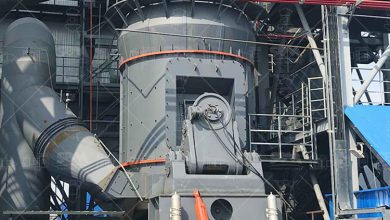
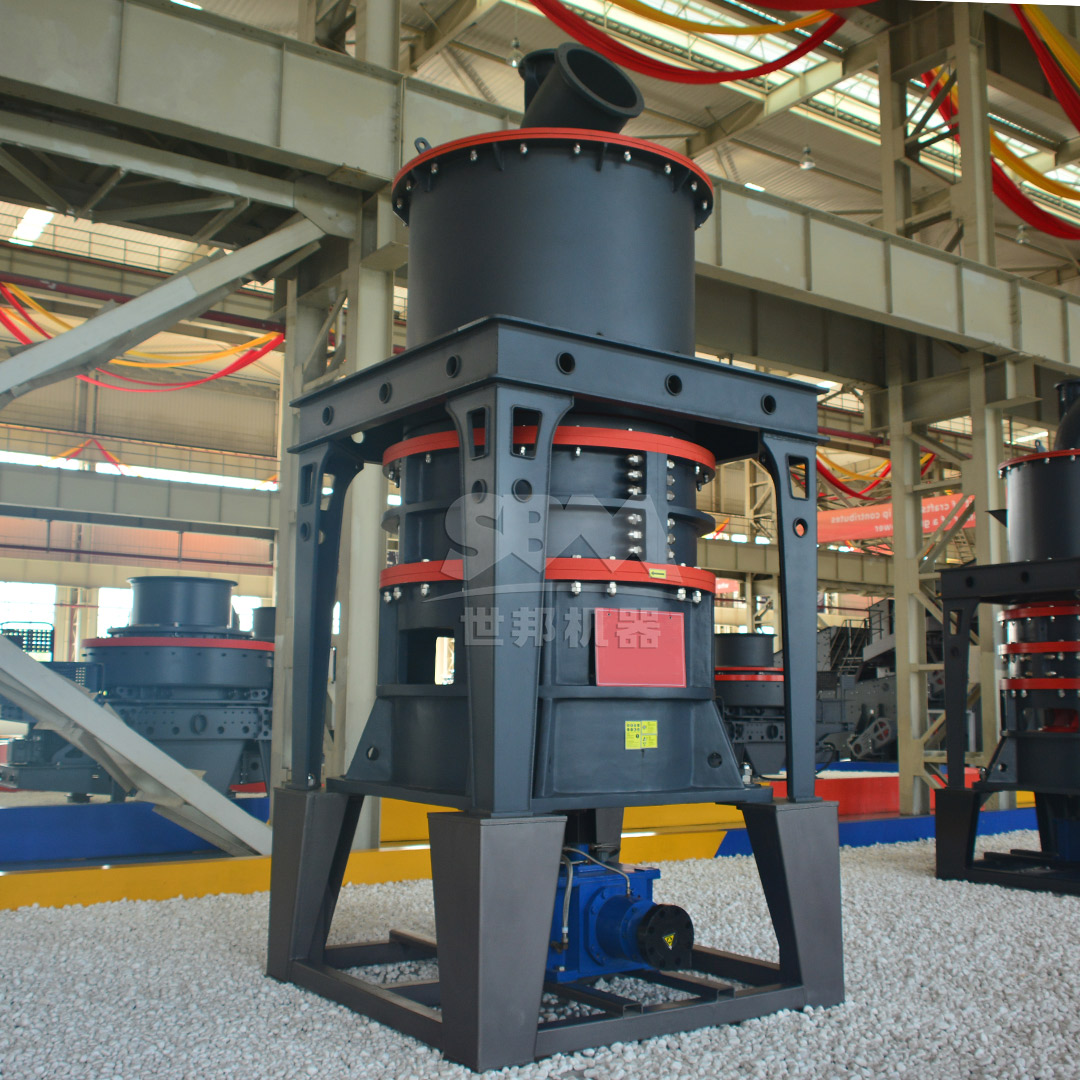
When the process requires ultra-fine liberation or is targeting advanced hydrometallurgical processes, specialized equipment is necessary. For producing ultra-fine copper powder (325-2500 mesh), our flagship SCM Ultrafine Mill represents the pinnacle of technology. Its working principle and benefits are perfectly suited for this demanding task:
- Layered Grinding Principle: The mill features a unique three-ring medium-speed micro-grinding design. Material is fed into the grinding chamber and flung by centrifugal force to the periphery, where it is sequentially crushed between the roller and ring. This multi-stage grinding action is highly efficient for achieving micron and sub-micron sizes.
- Exceptional Energy Efficiency: Compared to traditional jet mills, the SCM mill can double the output while reducing energy consumption by up to 30%, thanks to its direct mechanical grinding action and intelligent control system that auto-adjusts for target fineness.
- Unmatched Product Quality: A vertical turbine classifier provides extremely precise particle size separation (D97 ≤ 5μm). The final powder has a narrow size distribution and excellent uniformity, with no coarse grit contamination.
- Robust and Clean Operation: Key wear parts like rollers and rings are made from special alloys for extended life. The fully sealed system, coupled with a high-efficiency pulse dust collector, ensures a clean working environment with dust emissions meeting the strictest international standards. Noise levels are kept below 75dB.
For copper concentrate ultra-fine grinding, the SCM1680 model, with a capacity of 5-25 tons per hour, provides a high-capacity, reliable, and economical solution to achieve the finest product specifications.
Conclusion
Grinding copper ore into powder is a sophisticated engineering process that balances liberation, energy use, and cost. Understanding the ore properties and the requirements of the downstream process is paramount. While traditional ball mills remain workhorses in high-tonnage operations, advanced grinding technologies like the MTW Series Trapezium Mill for fine grinding and the SCM Ultrafine Mill for ultra-fine applications offer compelling advantages in efficiency, product quality control, and operational cost savings. Selecting the optimal grinding solution is a strategic decision that directly impacts the profitability and sustainability of a copper mining and processing operation.