How to Grind Anode Materials and What is the Price of Graphite Anode Material Grinding Mill?
Introduction to Graphite Anode Material Grinding
The production of high-performance lithium-ion batteries hinges on the quality of its core components, with the anode material being paramount. Graphite, in its various forms (natural, synthetic, or modified), serves as the dominant anode material due to its excellent electrical conductivity, layered structure for lithium intercalation, and stability. However, the electrochemical performance of a graphite anode is intrinsically linked to its particle size, shape, morphology, and purity. This makes the grinding and milling process not merely a size reduction step, but a critical value-adding stage that defines the final battery’s capacity, rate capability, cycle life, and safety.
Grinding anode materials presents unique challenges. The process must achieve a very fine and uniform particle size distribution (PSD), typically targeting a D50 in the range of 10-20 μm and a D97 below 40 μm for standard applications, and even down to 5-10 μm (or 1250-2500 mesh) for high-energy-density cells. It must do so while minimizing particle shape irregularities, preventing contamination from wear debris, managing the material’s natural lubricity, and controlling heat generation to avoid structural damage to the graphite crystals. Furthermore, the process must be energy-efficient, scalable, and environmentally compliant.
Key Considerations for Grinding Anode Materials
Selecting and operating a grinding mill for graphite anode production requires careful analysis of several factors:
1. Desired Particle Size Distribution (PSD)
The target PSD is the primary driver for equipment selection. Coarser grinding (e.g., 200-325 mesh) might be suitable for some applications, but advanced batteries demand ultrafine powders. A narrow PSD is crucial; excessive fines can increase irreversible capacity loss, while oversized particles reduce tap density and rate performance.
2. Particle Morphology and Sphericity
While crushing creates sharp, flaky particles, ideal anode graphite benefits from a more spherical or rounded shape. This improves packing density, enhances slurry rheology for electrode coating, and promotes uniform SEI (Solid Electrolyte Interphase) formation. The grinding mechanism should promote rounding rather than cleaving.
3. Contamination Control
Metallic contamination (Fe, Ni, Cr, etc.) from mill wear parts is detrimental, as it can catalyze electrolyte decomposition and cause internal short circuits. The use of ceramic, high-chromium, or specially coated wear components is often mandatory. The system design should also minimize dead zones where material can accumulate and be over-ground.
4. Thermal Management
Graphite is sensitive to high temperatures. Excessive heat during grinding can disrupt its crystalline structure, reducing its ability to intercalate lithium. Effective cooling systems, either through the grinding chamber design, cryogenic grinding aids, or efficient air flow, are essential.
5. Process Efficiency and Yield
The system should offer high classification efficiency to ensure only on-spec material proceeds to the next stage, maximizing yield and reducing energy waste on re-grinding oversize material. Integrated classification is a significant advantage.
Common Grinding Technologies for Anode Materials
Several milling technologies are employed in the industry, each with pros and cons:
Jet Mills (Fluidized Bed Jet Mills)
These mills use high-speed jets of compressed air or steam to accelerate particles, causing inter-particle collisions for size reduction. They are excellent for achieving very fine sizes (sub-10μm) with minimal contamination, as there is no mechanical contact. They also provide good sphericity. However, they are energy-intensive, have relatively low throughput, and require efficient, often complex, dust collection systems.
Mechanical Impact Mills (Pin Mills, Hammer Mills)
Suitable for preliminary size reduction or for softer graphites. They offer high throughput but generally produce a broader PSD and more irregular particle shapes. The risk of metallic contamination is higher due to direct impact with rotating elements.
Ball Mills and Attrition Mills
Traditional ball mills can grind to a fine size but are batch processes, have long residence times, and carry a high risk of contamination from grinding media (balls and liners). They are less favored for high-purity anode production but may be used in early processing stages.
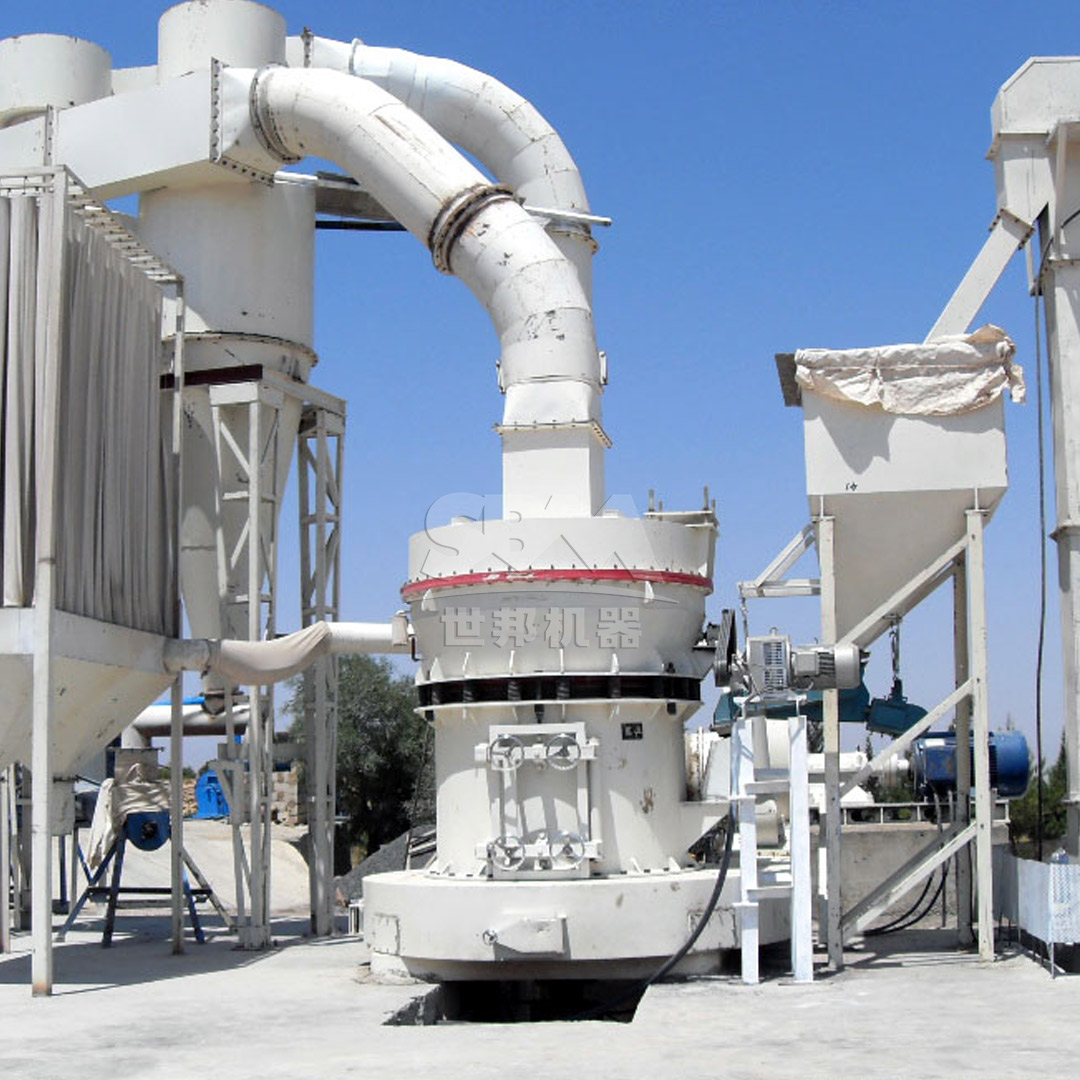
Vertical Roller Mills (VRM) and Ring-Roller Mills
This is where advanced, modern solutions shine for anode material processing. These mills utilize a bed grinding principle, where material is fed onto a rotating table and ground under pressure from rollers. This method is more energy-efficient than impact milling and offers better control over particle size. When coupled with an integrated, high-efficiency dynamic classifier, they can produce consistent, fine powders with adjustable cut points.
Recommended Solution: SCM Ultrafine Mill for High-End Anode Production
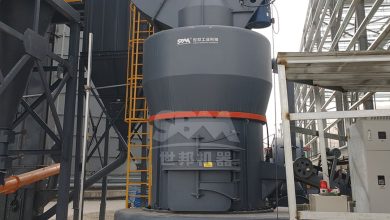
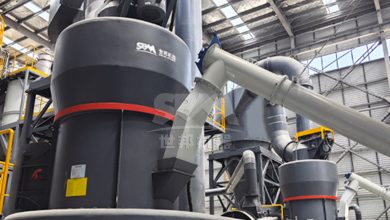
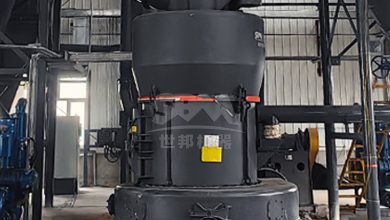
For producers targeting the high-end battery market requiring ultrafine, high-purity graphite powder (325-2500 mesh / 5-45μm), the SCM Ultrafine Mill series represents an optimal technological solution. It is engineered to address the specific challenges of anode material grinding.
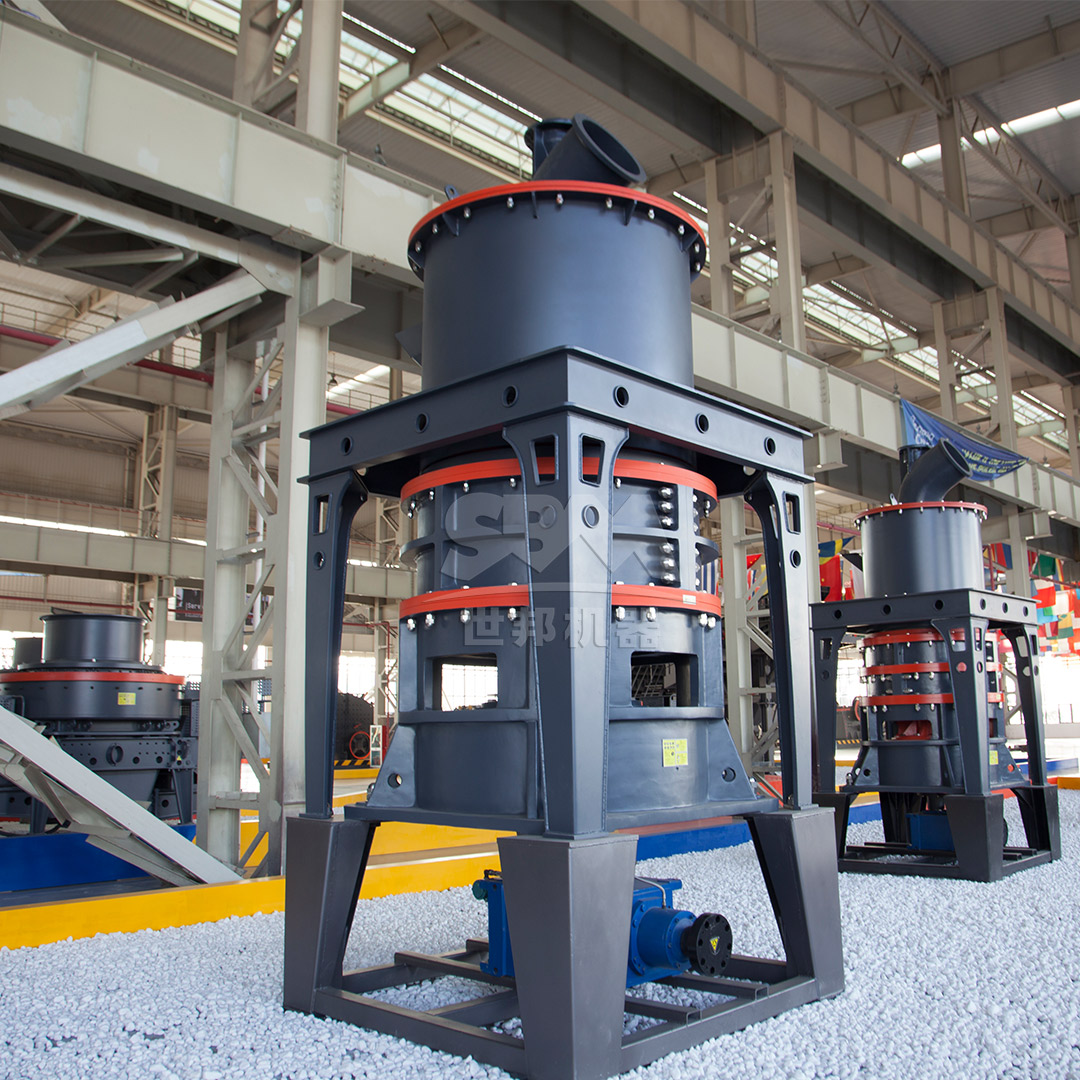
The SCM mill operates on a layered grinding principle. The main motor drives the central shaft, causing multiple grinding rings to rotate. Material is fed into the mill and, under centrifugal force, is dispersed evenly into the grinding track. It is then progressively pulverized between the rollers and rings. The ground powder is carried by the airflow to the integrated vertical turbo classifier.
Why the SCM Mill Excels for Graphite Anode Grinding:
- Ultrafine & Precise Grinding: Its core strength is producing powder in the range of 325 to 2500 mesh (D97 ≤ 5μm), perfectly aligning with the demands of next-generation anode materials. The vertical turbine classifier ensures precise particle size cuts and a narrow distribution, eliminating coarse particle contamination.
- Superior Energy Efficiency: Compared to traditional jet mills, the SCM mill can achieve double the production capacity while reducing energy consumption by approximately 30%. This translates directly to lower operating costs per ton of anode material produced.
- Minimized Contamination: Key wear parts like rollers and grinding rings are made from special, high-wear-resistant materials, extending service life and reducing the frequency of metallic wear debris generation. The grinding chamber utilizes a bearing-less screw design for stable, low-friction operation.
- Intelligent Control & Consistency: The mill features an intelligent control system that can automatically adjust operational parameters based on real-time feedback of product fineness, ensuring batch-to-batch consistency—a critical factor in battery manufacturing.
- Environmental Compliance: A high-efficiency pulse dust collector (>99.9% efficiency) ensures emissions are well below international standards. The mill’s design includes sound insulation, keeping operational noise below 75 dB.
For example, the SCM1000 model, with a 132kW main motor, offers a throughput of 1.0-8.5 tons per hour, making it an excellent choice for medium to large-scale anode production lines requiring high-quality ultrafine powder.
Cost-Effective Option: MTW Series Trapezium Mill for Coarser or Pre-Grinding
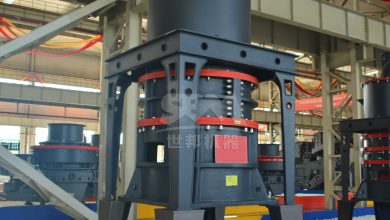
For applications requiring a slightly coarser grind (30-325 mesh), for pre-processing before final micronization, or for producers with stricter budget considerations, the MTW Series Trapezium Mill offers a robust and cost-effective alternative.
The MTW mill features a curved air duct that reduces airflow resistance and energy loss, and an integral transmission system with bevel gears that achieves 98% transmission efficiency. Its wear-resistant components, like the combined shovel blades, are designed for easy maintenance and lower long-term costs.
With models like the MTW138Z offering a capacity of 6-17 tons per hour for 10-325 mesh product, it provides significant throughput for preliminary or mid-range fineness grinding of anode precursor materials or certain types of graphite.
What is the Price of a Graphite Anode Material Grinding Mill?
This is a complex question without a single answer, as the price of a suitable grinding system is highly variable. It is more accurate to discuss the investment range, which can span from $50,000 to over $1,000,000. The final cost depends on a multitude of factors:
- Technology Level: A high-precision, ultrafine grinding system like the SCM series with advanced classifiers and automation will command a higher price than a standard mechanical mill.
- Required Capacity (Ton/Hour): Price scales significantly with throughput. A lab-scale unit processing kilograms per hour is vastly different from a full production line mill like the SCM1680, which handles 5-25 tons per hour.
- Configuration & Auxiliary Equipment: The base mill price is just the start. A complete system includes feeders, classifiers, cyclone collectors, pulse jet baghouse dust collectors, screw conveyors, elevators, electrical control cabinets (often with PLC/SCADA), and installation engineering. This “system price” is what matters.
- Material of Construction: Mills equipped with ceramic or special alloy linings and grinding elements to minimize iron contamination will be more expensive than standard carbon steel versions.
- Degree of Automation: Systems with fully automated control, remote monitoring, and predictive maintenance capabilities add to the cost but improve operational reliability and product consistency.
- Supplier and After-Sales Service: Established manufacturers with proven technology, global service networks, and spare parts support may have higher initial costs but offer lower total cost of ownership.
As a rough guideline:
- A small-scale MTW or similar mill system might start in the $50,000 – $200,000 range.
- A medium-capacity SCM ultrafine grinding system for serious anode production could fall between $200,000 – $600,000.
- A large, fully automated, high-capacity production line with all auxiliary equipment and advanced controls can easily exceed $1,000,000.
The most effective approach is to consult directly with equipment manufacturers like us. By providing your specific requirements—target PSD, desired hourly capacity, contamination limits, and automation level—we can conduct a feasibility analysis and provide a detailed quotation for a complete system tailored to your anode material production goals.

Conclusion
Grinding graphite for anode materials is a precision engineering task that goes beyond simple crushing. The choice of grinding technology directly impacts the performance and cost of the final lithium-ion battery. While several options exist, advanced vertical roller mills with integrated classification, such as the SCM Ultrafine Mill, offer a compelling combination of ultrafine grinding capability, energy efficiency, low contamination risk, and process control ideal for high-quality anode production. For coarser requirements or cost-sensitive projects, the MTW Series Trapezium Mill provides a reliable and efficient alternative. The investment in the right grinding system is an investment in the quality and competitiveness of your battery products, and careful selection based on technical merits and total cost of ownership is paramount.