How to Fix High Pressure Grinding Mill Blockage? Common Causes and Solutions
Introduction
High Pressure Grinding Mills (HPGMs), also known as high pressure suspension mills or roller mills, are critical equipment in modern mineral processing, cement production, and fine powder manufacturing. They are prized for their high efficiency, energy savings, and ability to produce fine and ultra-fine powders. However, operational challenges like mill blockage or choking can lead to significant downtime, reduced throughput, and increased maintenance costs. Understanding the root causes of these blockages and implementing effective solutions is paramount for maintaining optimal plant performance. This article provides a comprehensive guide to diagnosing, preventing, and resolving blockage issues in high-pressure grinding systems.
Understanding the Grinding Process and Blockage Points
Before delving into causes, it’s essential to understand where blockages typically occur in a high-pressure grinding circuit. The primary zones susceptible to material buildup and clogging are:
- The Feed Hopper and Chute: The entry point where raw material is introduced.
- The Grinding Zone (Nip Area): The critical gap between the grinding rollers (or wheels) and the grinding ring (or table).
- The Air/Classifying Circuit: Ducts, cyclones, and the classifier itself, where fine powder is separated and transported.
- The Discharge System: Valves, locks, and conveying equipment post-grinding.
A blockage in any of these areas disrupts the entire material flow, causing pressure imbalances, power spikes, and ultimately, a forced shutdown.
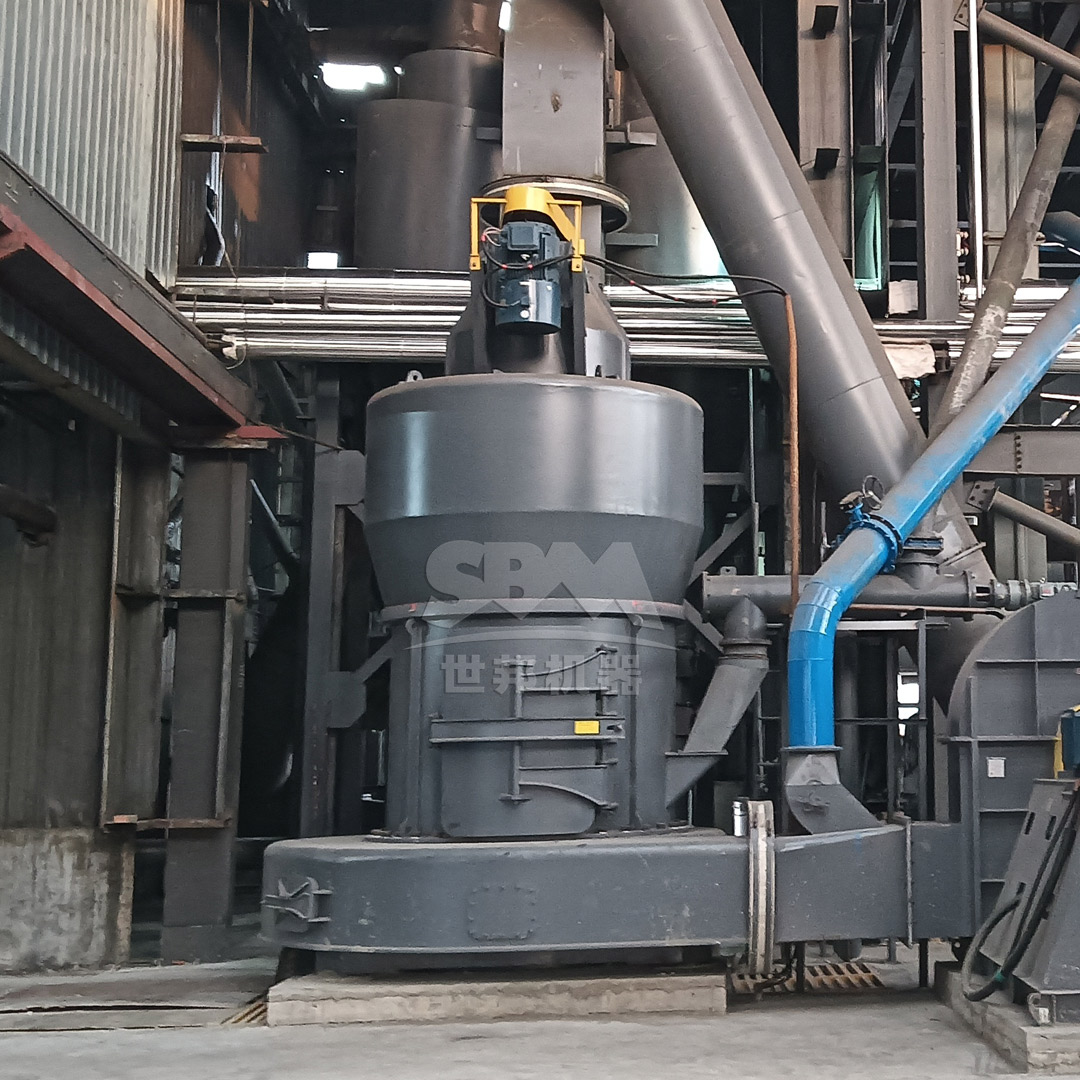
Common Causes of High Pressure Grinding Mill Blockage
1. Improper Feed Material Characteristics
- Excessive Moisture Content: Wet or sticky feed material is the most common culprit. Moisture causes fine particles to agglomerate, adhering to mill internals, feed chutes, and air ducts. It can also reduce the grinding efficiency, leading to a buildup of semi-processed material in the grinding zone.
- Uncontrolled Feed Size: Feeding oversize material beyond the mill’s design specification (e.g., >50mm into a mill designed for ≤35mm) can cause immediate jamming at the grinding nip. Inconsistent feed size distribution also leads to unstable grinding conditions.
- High Plasticity or Stickiness: Certain clay-rich minerals or organic materials have inherent adhesive properties, promoting buildup on roller surfaces and liners.
2. Operational and Process Control Issues
- Incorrect Grinding Pressure: Operating with pressure that is too low fails to adequately crush the material, causing a gradual accumulation in the grinding bed. Conversely, excessively high pressure can overload the system and compact material too densely.
- Faulty or Inadequate Airflow: The air system serves to remove heat and transport ground product. Insufficient airflow velocity fails to carry away fines, allowing them to settle and clog the circuit. Imbalanced airflow between the mill and classifier is another frequent issue.
- Overfeeding (Surge Feeding): Exceeding the mill’s rated capacity, even momentarily, overwhelms the grinding and material transport mechanisms, leading to a rapid choke.
- Improper Classifier Speed/Settings: If the classifier (or separator) speed is set too low, it allows coarse particles to circulate back into the grinding zone excessively, increasing the circulating load and risk of overload.
3. Mechanical and Design Factors
- Worn or Damaged Grinding Components: Severely worn rollers, grinding rings, or liners lose their designed profile and grinding efficiency. This can change the nip angle and pressure distribution, leading to poor material draw-in and uneven grinding that promotes blockages.
- Obstructed or Damaged Air Ducts and Valves: Material buildup in ducts, malfunctioning diverter valves, or damaged cyclone apex cones can restrict airflow and cause back-pressure.
- Inadequate System Sealing: Air leaks, especially in negative-pressure systems, can disrupt the designed airflow patterns, causing local settling of material.
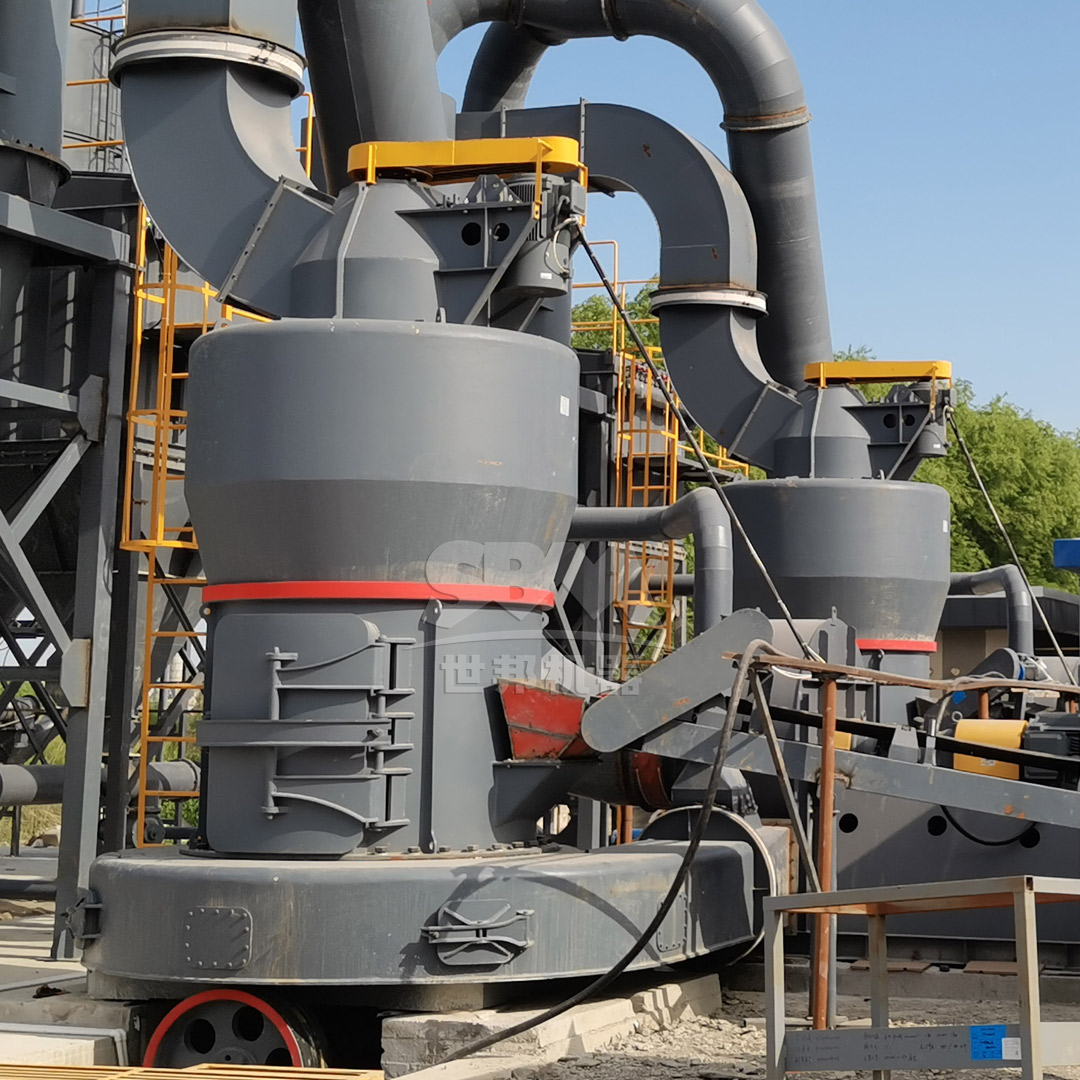
Proactive Solutions and Best Practices to Prevent Blockage
1. Pre-Processing and Feed Preparation
Solution: Implement rigorous feed conditioning. This includes:
- Drying: Install pre-dryers (rotary, flash, or belt dryers) for high-moisture materials to ensure feed moisture is consistently below the mill’s tolerance (often <5-10%).
- Pre-Crushing and Screening: Use a reliable primary and secondary crusher followed by a vibrating screen to guarantee the feed size is within the mill’s specified limit. A well-sized jaw crusher or impact crusher is essential here.
- Feed Rate Control: Employ weighfeeders or belt scales with feedback loops to the mill’s control system to ensure a steady, controlled feed rate matching the mill’s capacity.
2. Optimizing Operational Parameters
Solution: Fine-tune the grinding process through expert control systems.
- Pressure Control: Utilize automated systems that adjust grinding pressure based on main motor current and mill vibration. Modern mills feature hydraulic or spring systems for this purpose.
- Airflow Management: Regularly calibrate fan dampers and airflow meters. Monitor differential pressure across the mill and classifier to detect early signs of restriction. Ensure the system’s insulation and heating (if used) are functional to prevent condensation, which leads to clogging.
- Classifier Optimization: Adjust classifier rotor speed based on desired product fineness. A higher speed generally yields a finer product and reduces the circulating load, lowering blockage risk.
3. Selecting the Right Equipment for the Job
Often, persistent blockage issues stem from using a mill that is not optimally designed for the specific material or production goal. Investing in a mill with advanced anti-blockage features and a suitable working principle can be a transformative solution.
For instance, traditional pendulum mills or older high-pressure suspension mills might struggle with sticky or moist materials. In such cases, upgrading to a modern vertical roller mill (VRM) with a robust design and efficient material handling can solve chronic problems.
Our LM Series Vertical Roller Mill is engineered to handle challenging grinding applications with minimal risk of blockage. Its集约化设计 integrates multiple functions, reducing transfer points where blockages can occur. The low运行成本 is partly due to its stable料床粉磨原理, where material is ground as a bed between rollers and a table, which is less prone to sudden choking compared to direct impact methods. Furthermore, its 智能控制 system provides real-time monitoring and automatic adjustment of key parameters like roller pressure, feed rate, and hot gas temperature, preventing conditions that lead to blockages. The mill’s ability to handle feed sizes up to ≤50mm and its integrated high-efficiency classifier make it a robust choice for continuous, trouble-free operation.
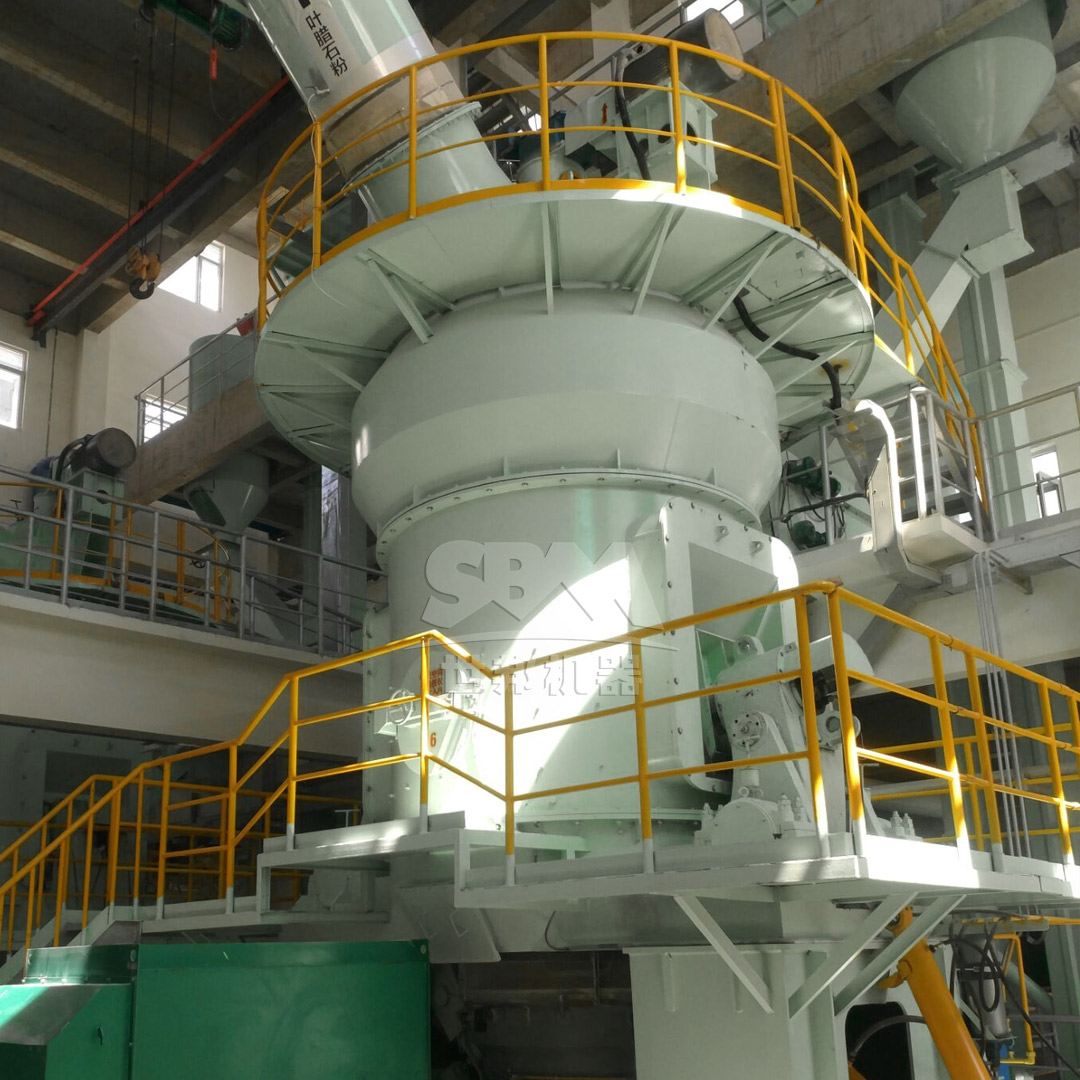
For operations requiring ultra-fine powders (325-2500 mesh), where material fluidity and adhesion are heightened concerns, the SCM Ultrafine Mill offers distinct advantages. Its 高精度分级 system uses a vertical turbine classifier that provides sharp cuts and prevents coarse particles from circulating excessively. The 耐用设计 includes special material rollers and grinding rings that resist wear and maintain consistent grinding geometry. Crucially, its 高效节能 operation includes an intelligent control system that automatically adjusts for optimal performance, providing early warnings for abnormal conditions like rising differential pressure that could indicate a potential clog. The磨道设计 and centrifugal force distribution help in maintaining a smooth material flow from coarse to fine grinding stages.
Corrective Actions: What to Do When a Blockage Occurs
- Immediate Shutdown: At the first sign of severe overload (e.g., high motor amperage, loss of airflow, abnormal noise), initiate an emergency shutdown to prevent mechanical damage.
- Isolate and Vent: Lock out the electrical and feed systems. Allow the mill to cool and vent any built-up pressure safely.
- Systematic Inspection: Start from the feed end. Clear the hopper and feed chute manually or with appropriate tools. Then, progress to inspection doors on the grinding chamber and ducts.
- Clearing the Grinding Zone: This is the most critical step. Use the mill’s built-in hydraulic system to retract the grinding rollers (if available) to create clearance. Never attempt to rotate the mill with a solidly packed grinding bed. Manually remove compacted material. For stubborn blockages, controlled use of air lances or drilling may be necessary.
- Checking the Air Circuit: Inspect and clean the classifier, cyclones, bag filters, and all connecting ducts. Pay special attention to bends and changes in direction.
- Root Cause Analysis: Before restarting, identify the primary cause of the blockage. Check feed moisture, review control system logs for parameter deviations, and inspect wear parts.
- Controlled Restart: Begin with an empty mill. Start the air system first, then the classifier, and finally the main motor. Gradually introduce feed at a reduced rate while monitoring all parameters closely.
Conclusion
Blockage in a high-pressure grinding mill is a complex issue with roots in material properties, operational practices, and equipment suitability. A holistic approach combining proper feed preparation, precise process control, regular maintenance, and the selection of inherently robust grinding technology is key to achieving uninterrupted production. By understanding the causes outlined in this guide and implementing the corresponding solutions—including considering advanced, integrated systems like our LM Series Vertical Roller Mill for coarse-to-medium grinding or the SCM Ultrafine Mill for superfine applications—operators can significantly enhance mill reliability, maximize uptime, and ensure consistent product quality.