How to Effectively Utilize Bulk Solid Waste: Comprehensive Recycling Methods and Applications
Introduction: The Imperative of Bulk Solid Waste Recycling
The global generation of bulk solid waste—encompassing construction and demolition debris, industrial slag, mine tailings, and certain municipal solid wastes—presents a dual challenge of environmental burden and resource opportunity. Traditional disposal methods like landfilling are increasingly unsustainable, consuming valuable land and posing risks of soil and water contamination. Effective recycling and utilization of these materials is no longer an option but a necessity for sustainable development. This article explores comprehensive methods for transforming bulk solid waste into valuable secondary resources, focusing on the critical role of advanced size reduction and processing technologies.
1. Understanding Bulk Solid Waste Streams
Effective recycling begins with proper characterization. Bulk solid wastes vary significantly in composition, hardness, moisture content, and potential contaminants.
- Construction & Demolition (C&D) Waste: Primarily concrete, bricks, asphalt, wood, and metals. Concrete rubble is a key target for producing recycled aggregates.
- Industrial Slags: By-products from metallurgical processes (e.g., blast furnace slag, steel slag). These often possess latent hydraulic or pozzolanic properties.
- Mine Tailings: Finely ground rock residues from mineral processing. Their utilization often requires ultra-fine grinding to unlock value.
- Certain MSW Fractions: Processed materials like glass cullet or incinerator bottom ash (IBA) can be repurposed in construction.
The common thread in recycling these diverse materials is the need for efficient, reliable, and precise size reduction—a process where grinding mills play a pivotal role.
2. The Core Process: Size Reduction and Classification
Transforming bulky, heterogeneous waste into a consistent, usable product almost invariably involves crushing and grinding. The choice of technology depends on the target particle size, material hardness, required capacity, and desired product characteristics.
2.1 Primary and Secondary Crushing
Large chunks of concrete, asphalt, or slag are first reduced to a manageable size (typically below 50mm) using jaw crushers, impact crushers, or cone crushers. This stage prepares the material for finer grinding.
2.2 The Critical Role of Grinding Mills
For producing fine powders for high-value applications, grinding mills are indispensable. Different mill types cater to different fineness ranges and material properties.
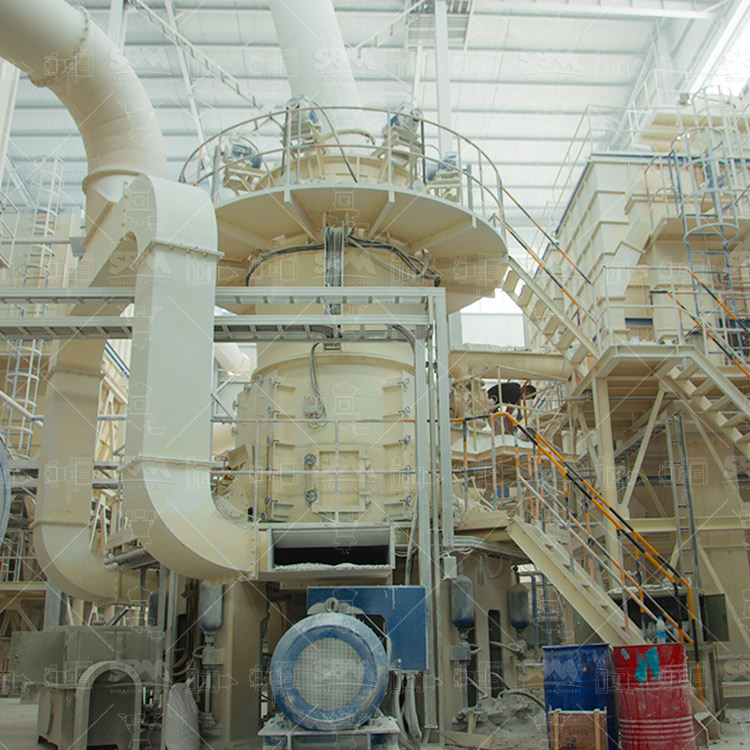
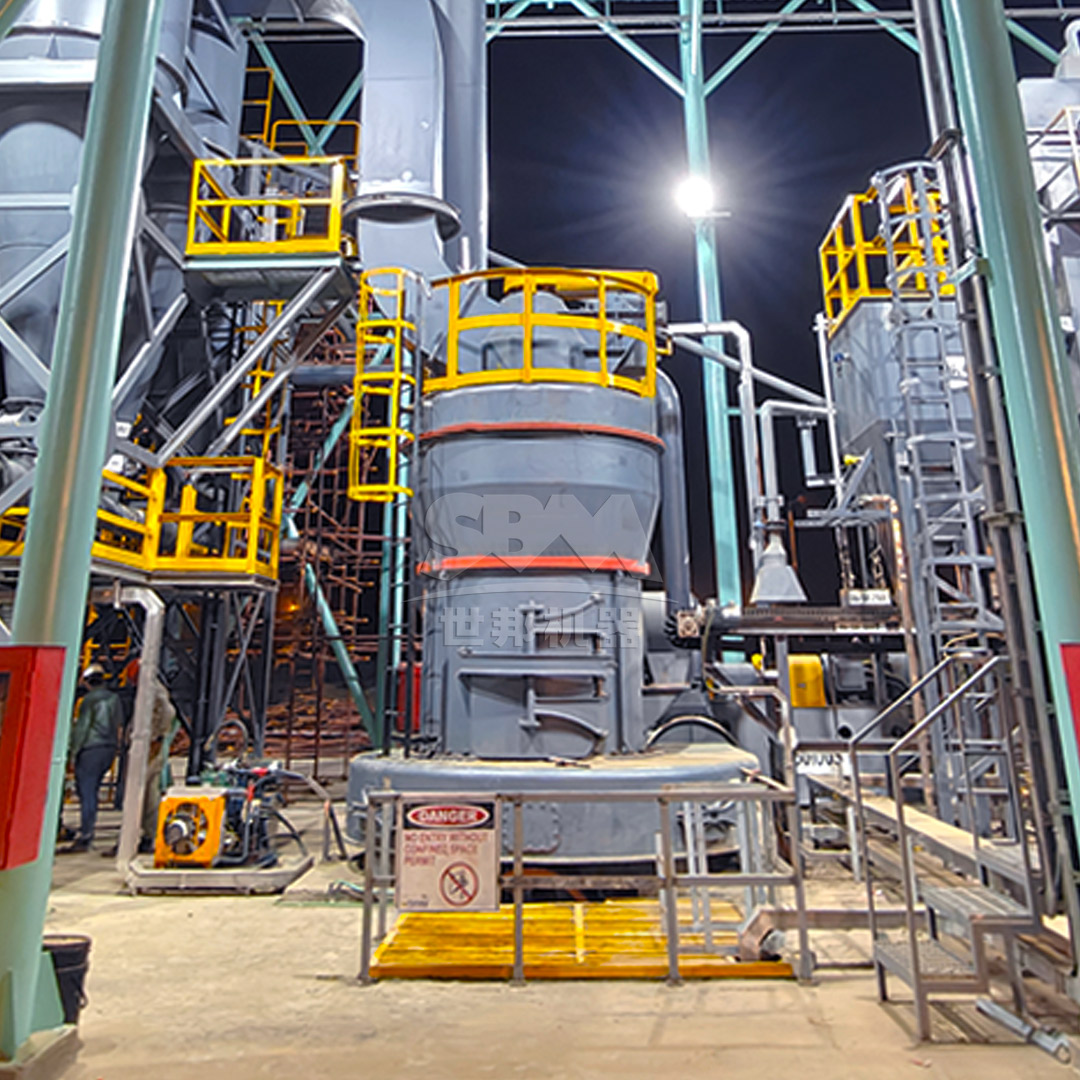
For medium-fine grinding (outputs ranging from 45 to 325 mesh, or 600-45μm), where high capacity and robust performance are required for processing hard materials like slag or concrete, the MTW Series European Trapezium Mill stands out. Its anti-wear shovel design and optimized arc air duct are particularly suited for abrasive waste streams. The integral bevel gear drive ensures high transmission efficiency (up to 98%), translating to lower energy costs—a critical factor in waste recycling economics. With capacities from 3 to 45 tons per hour and the ability to handle feed sizes up to 50mm, the MTW series is an ideal workhorse for producing fine aggregates or mineral powders from bulk waste.
2.3 Ultra-Fine Grinding for Maximum Value Addition
The highest-value applications often require ultra-fine powders (finer than 325 mesh, or 45μm). For instance, ground granulated blast furnace slag (GGBS) used as a cement substitute, or finely ground tailings used as functional fillers, demand precise particle size control.
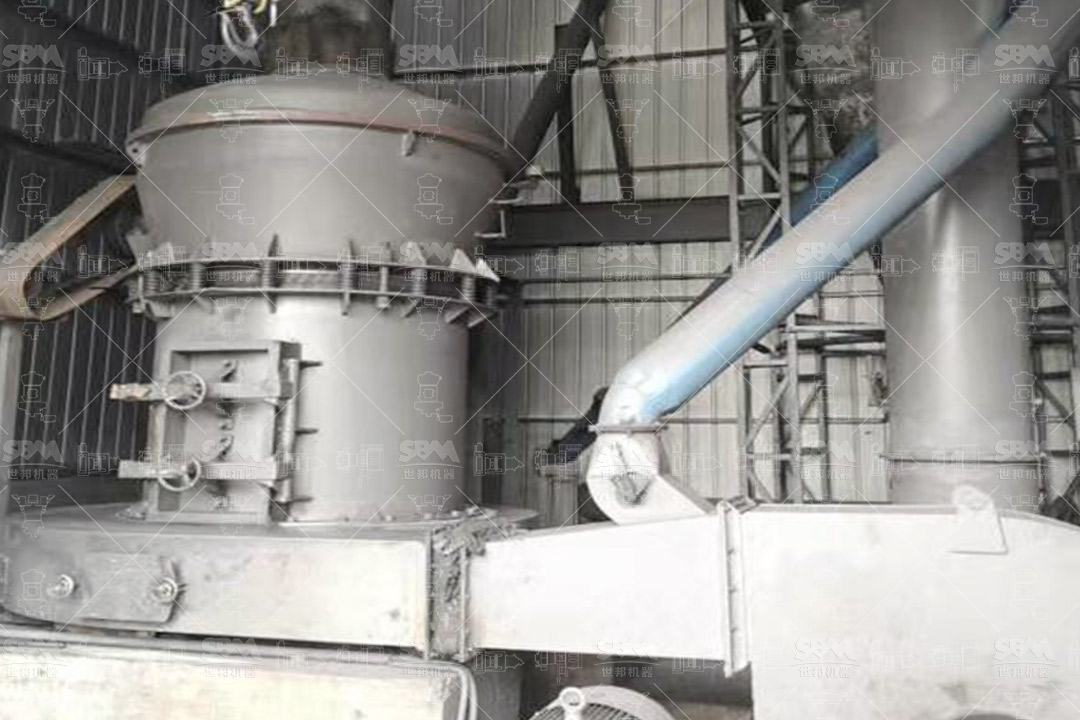
This is where advanced ultra-fine grinding technology is essential. The SCM Series Ultrafine Mill is engineered specifically for this purpose, capable of producing powders from 325 to 2500 mesh (45-5μm). Its high-precision vertical turbine classifier ensures no coarse powder mixing, resulting in a uniform product critical for performance in applications like high-strength concrete or advanced composites. Furthermore, its high-efficiency design offers capacity twice that of jet mills while consuming 30% less energy, and its eco-friendly pulse dust collection system ensures the recycling process itself meets stringent environmental standards. For operations aiming to transform inert waste into premium-grade industrial raw materials, the SCM series provides the necessary technological edge.
3. High-Value Applications of Processed Bulk Waste
Properly processed waste can replace virgin materials in numerous sectors.
3.1 In Construction and Building Materials
- Recycled Concrete Aggregate (RCA): Crushed and screened concrete replaces natural aggregate in road bases, sub-bases, and new concrete (with proper mix design).
- Supplementary Cementitious Materials (SCMs): Finely ground slag (via mills like the SCM or MTW series) and certain ashes replace a portion of Portland cement, reducing CO2 emissions and improving concrete durability.
- Artificial Sand and Fillers: Processed C&D waste and tailings can be shaped and graded to produce manufactured sand or fine fillers for asphalt and mortars.
3.2 In Industrial and Manufacturing Sectors
- Geopolymer Precursors: Alkali-activated slag or fly ash, requiring specific fineness, can form geopolymer binders for construction elements.
- Functional Fillers: Ultra-fine mineral powders from tailings can be used in plastics, paints, and coatings.
- Soil Amendment and Land Reclamation: Processed, benign mineral wastes can be used in land rehabilitation projects.
4. Integrated Recycling Plant Considerations
A successful bulk waste recycling operation involves more than just grinding. An integrated system includes:
- Pre-sorting and Contaminant Removal: Magnetic separators, screens, and manual sorting lines to remove metals, plastics, and undesirable materials.
- Multi-Stage Size Reduction Circuit: A combination of crushers, hammer mills, and fine/ultra-fine grinding mills configured in sequence.
- Efficient Classification: Screens and air classifiers (integral to mills like the SCM and MTW) to ensure precise product sizing.
- Material Handling and Dust Control: Conveyors, silos, and comprehensive dust collection systems are vital for plant efficiency, worker safety, and environmental compliance.
5. Economic and Environmental Benefits
Investing in advanced recycling technology yields significant returns:
- Resource Conservation: Reduces demand for virgin raw materials and quarrying.
- Waste Diversion: Dramatically reduces landfill use and associated fees and liabilities.
- Carbon Footprint Reduction: Using recycled aggregates and SCMs lowers the embodied carbon of construction projects.
- New Revenue Streams: Transforms a cost center (waste disposal) into a profit center (sale of recycled products).
- Regulatory Compliance and Green Certification: Supports compliance with increasing waste diversion mandates and contributes to green building ratings (e.g., LEED).
Conclusion: Technology as the Enabler
The effective utilization of bulk solid waste is a cornerstone of the circular economy. While the principles of reduce, reuse, and recycle are well-known, their practical implementation at scale hinges on robust and efficient processing technology. Advanced grinding and classification equipment, such as the MTW Series European Trapezium Mill for high-capacity fine grinding and the SCM Series Ultrafine Mill for producing premium ultra-fine powders, are critical enablers. They allow recyclers to meet strict product specifications reliably and economically, unlocking the highest possible value from waste streams. By integrating these technologies into well-designed recycling circuits, industries can turn the challenge of bulk solid waste into a sustainable opportunity for resource efficiency and economic growth.