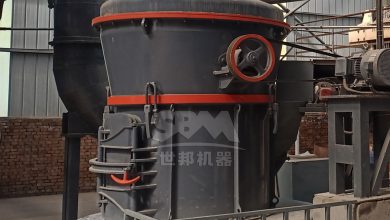
How to Design a Coal Pulverization System for Zinc Smelting Process
Introduction
The zinc smelting process, particularly in pyrometallurgical operations such as the Imperial Smelting Process (ISP) or in sintering and roasting stages, relies heavily on a consistent and high-quality supply of pulverized coal. Coal serves as a vital fuel and reductant, providing the necessary heat and chemical environment for the reduction of zinc oxide. The efficiency, stability, and environmental footprint of the entire smelting operation are intrinsically linked to the performance of the coal pulverization system. A well-designed system must deliver coal powder with precise fineness, uniform moisture content, and reliable throughput to ensure optimal combustion, heat transfer, and reduction kinetics within the furnace. This article outlines the key considerations, design parameters, and technological choices for engineering a robust coal pulverization system tailored for the demanding environment of zinc smelting.
Key Design Requirements for Zinc Smelting
The design of a coal pulverization system for zinc smelting is not a one-size-fits-all endeavor. It must be meticulously planned around specific process requirements:
- Fineness (Particle Size Distribution): This is paramount. Coal that is too coarse will burn incompletely, leading to reduced thermal efficiency, higher carbon carry-over, and potential operational issues in the furnace. For most smelting applications, a fineness of 70-85% passing 200 mesh (75μm) is a common target, though specific processes may require adjustments. A narrow particle size distribution ensures uniform combustion and gas flow.
- Moisture Control: Raw coal often contains surface moisture. Excessive moisture in the pulverized coal lowers its calorific value, increases the heat required for vaporization, and can cause handling issues like clogging in pipes and bins. The grinding system must incorporate efficient drying, typically using pre-heated air from the smelting process itself or a dedicated air heater.
- System Capacity and Reliability: The pulverization system must match the continuous, high-tonnage demand of the smelter. Downtime is extremely costly. The design must include appropriate redundancy (e.g., multiple mills with overlapping capacity) and feature robust, wear-resistant components to ensure maximum availability.
- Safety: Coal dust is highly explosive. The entire system, from the mill to the burners, must be designed to prevent dust accumulation, incorporate explosion vents or suppression systems, and operate with inert gas (like nitrogen) purging where necessary, especially during start-up and shutdown.
- Energy Efficiency: Grinding is an energy-intensive process. Selecting an energy-efficient mill and optimizing the ancillary systems (fans, classifiers) can significantly reduce operational costs.
System Components and Layout
A complete coal pulverization system consists of several integrated subsystems:
- Raw Coal Feed System: Includes storage bunkers, feeders (e.g., weigh feeders), and conveyors that deliver raw coal at a controlled rate to the mill.
- Grinding and Drying Mill: The heart of the system. Hot drying gas (typically at 250-350°C) is introduced to dry the coal while it is being ground. The mill must handle the abrasive nature of coal and possible tramp material.
- Classification System: Integrated with or separate from the mill, the classifier (e.g., dynamic classifier) separates fine,合格的 product from coarse particles. The coarse particles are returned to the mill for further grinding, ensuring the final product meets the fineness specification.
- Product Collection and Transport: The pulverized coal is separated from the gas stream using cyclones and baghouse filters. The collected coal powder is then transported via dense-phase or lean-phase pneumatic conveying to storage silos near the smelting furnace.
- Hot Gas Generation: A dedicated hot air generator or a heat exchanger utilizing waste heat from the smelter provides the necessary drying medium.
- Control and Instrumentation: An automated control system regulates coal feed rate, hot gas temperature and flow, mill loading, and product fineness. Key parameters like mill outlet temperature (critical for safety) and baghouse pressure drop are continuously monitored.
Selecting the Right Grinding Mill Technology
The choice of mill is critical. Different mill types offer varying trade-offs between capital cost, energy efficiency, maintenance requirements, and product fineness control.
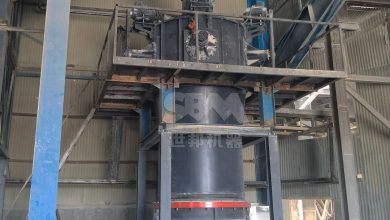
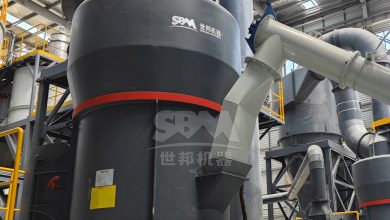
- Vertical Roller Mills (VRM): These have become the industry standard for large-scale coal grinding in many applications, including metallurgy. They combine grinding, drying, and classification in a single, compact unit. Their key advantages are high energy efficiency (30-50% lower than ball mills), excellent drying capability, and relatively low noise levels.
- Ball Mills: A traditional and robust technology. While less energy-efficient than VRMs, they are known for high reliability and can handle a wider variation in coal feed properties. They are often used in smaller capacities or where the coal is particularly wet.
- Medium-Speed Mills (Bowl Mills, Roll-and-Race): These are also common in power generation and can be suitable for smelting operations. They offer good fineness control and reliability.
For modern zinc smelters prioritizing energy efficiency, footprint, and integrated drying, the Vertical Roller Mill (VRM) is often the optimal choice. Its integrated design and low specific power consumption directly translate to lower operating costs.
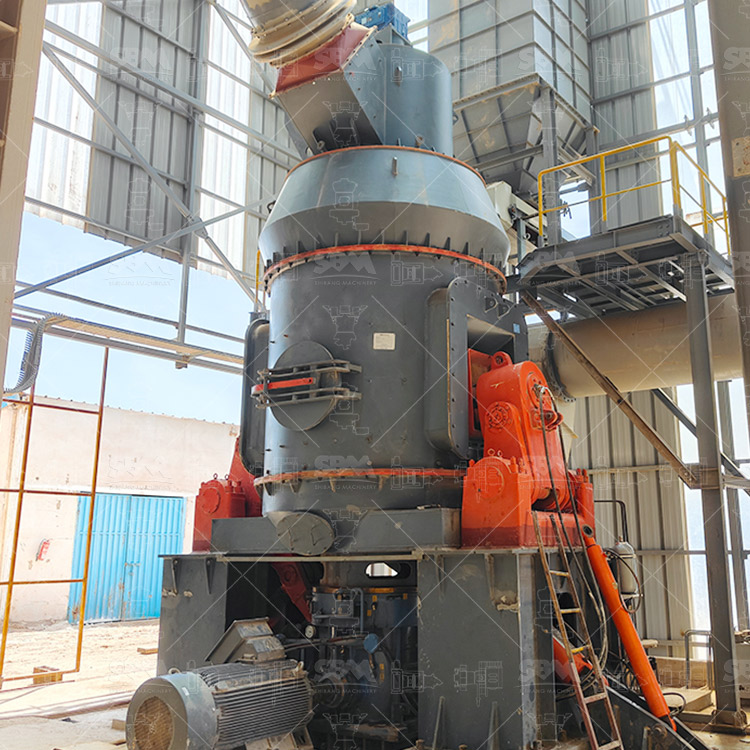
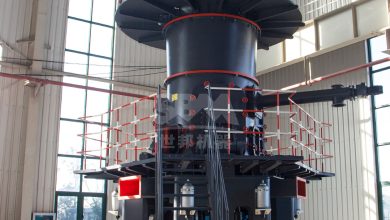
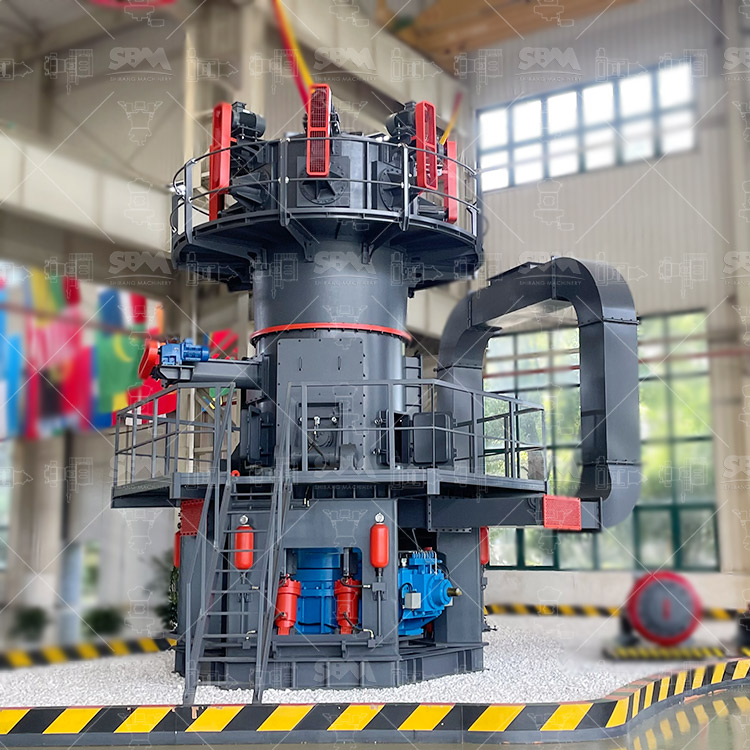
Product Recommendation: LM Series Vertical Roller Mill for Primary Pulverization
For the core grinding and drying operation in a zinc smelter’s coal preparation plant, we highly recommend our LM Series Vertical Roller Mill. This mill is engineered to excel in the precise requirements of industrial coal pulverization.
Its integrated design combines crushing, grinding, drying, and powder selection in one unit, reducing the plant footprint by approximately 50% and cutting infrastructure costs. Most importantly for smelting operations, it delivers exceptional energy efficiency, consuming 30-40% less power than a traditional ball mill system for the same output, a critical factor for cost-intensive processes.
The LM mill features a non-contact design between the grinding rollers and table, leading to dramatically reduced wear and extended service life for key components. It is capable of handling feed sizes up to 50mm and producing a fineness in the range of 30-325 mesh (600-45μm), which is perfectly adjustable to meet the specific combustion needs of zinc reduction furnaces. Furthermore, its fully sealed negative pressure operation ensures dust emissions are kept well below international environmental standards, aligning with modern smelter ESG goals.
Advanced System Integration and Control
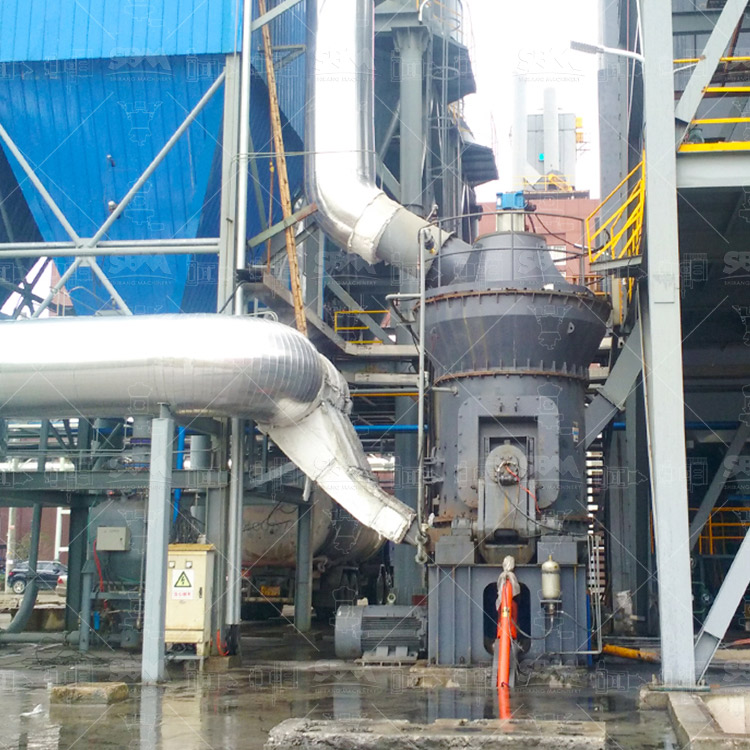
Beyond selecting the right mill, a successful design hinges on intelligent integration and control. The system should feature an expert-level automatic control system that can regulate the mill based on real-time parameters such as coal feed rate, hot gas temperature, mill motor current, and product fineness (often inferred from mill differential pressure or classifier speed). This automation minimizes manual intervention, stabilizes product quality, and prevents unsafe conditions like mill over-temperature.
Remote monitoring capabilities are increasingly valuable, allowing for predictive maintenance and troubleshooting from a central control room. The integration of the pulverization system’s hot gas demand with the smelter’s waste heat recovery system can also create significant energy synergies.
Product Recommendation: SCM Series Ultrafine Mill for Specialized Applications
In certain advanced smelting or downstream processes where exceptionally fine or reactive carbon is required—for example, in the production of specialized reductants or in certain chemical synthesis steps within the zinc circuit—our SCM Series Ultrafine Mill presents an ideal solution.
This mill is designed to produce powders in the range of 325-2500 mesh (45-5μm). Its high-efficiency grinding mechanism and integrated high-precision vertical turbine classifier ensure a uniform product with no coarse particle mixing. If a process development calls for ultra-fine coal char or similar materials to enhance reaction rates, the SCM series provides the technological capability to achieve these stringent specifications reliably and with energy consumption up to 30% lower than comparable jet milling technologies.
Conclusion
Designing a coal pulverization system for zinc smelting is a complex engineering task that directly impacts production efficiency, product quality, and operational costs. The focus must be on delivering a consistent supply of precisely sized, dry coal powder through a reliable, safe, and energy-efficient plant. By carefully analyzing process requirements, selecting appropriate technology like the energy-efficient LM Series Vertical Roller Mill for primary grinding, and incorporating advanced automation and safety systems, smelters can build a pulverization system that serves as a robust foundation for optimal furnace performance. As smelting technology evolves towards greater efficiency and lower emissions, the role of a well-designed, intelligent coal preparation system will only grow in importance.