How to Design a Coal Powder Preparation System for Zinc Smelting and Is It Dangerous in Pyrometallurgy?
Introduction
The pyrometallurgical extraction of zinc, primarily through the Imperial Smelting Process (ISP) or other blast furnace-based methods, relies heavily on a consistent and high-quality supply of pulverized coal. This coal serves as the essential fuel and reductant, generating the high temperatures and reducing atmosphere necessary to convert zinc oxide concentrates into metallic zinc vapor. The design of the coal powder preparation system is therefore a critical upstream component, directly influencing smelter efficiency, operational stability, and safety. This article provides a comprehensive guide to designing such a system and addresses the inherent dangers associated with handling fine coal in a pyrometallurgical context.
Key Design Considerations for a Coal Preparation System
A well-designed system must meet stringent requirements for throughput, particle size distribution, moisture content, and operational reliability.
1. Coal Specification and Feedstock Analysis
The design begins with a thorough analysis of the raw coal. Key parameters include:
- Calorific Value: Directly impacts the thermal balance of the furnace.
- Volatile Matter & Fixed Carbon: Influences combustion characteristics and reducing potential.
- Ash Content & Composition: High ash can lead to slagging and increased waste. Ash fusion temperature is crucial.
- Moisture Content: Raw coal often contains surface moisture (5-15%) which must be reduced to typically below 2% for efficient pneumatic conveying and combustion.
- Hardness & Abrasiveness: Determines equipment wear and mill selection (e.g., Bond Work Index).
2. System Capacity and Process Flow
The system must be sized to match the smelter’s continuous coal consumption rate, with appropriate redundancy. A typical process flow includes:
- Raw Coal Receiving & Pre-Crushing: Unloading, storage, and primary size reduction to below 50mm.
- Drying: A dedicated dryer (e.g., rotary, flash, or fluidized bed) is often necessary to reduce moisture before fine grinding, especially in humid climates. This step significantly improves grinding efficiency and system stability.
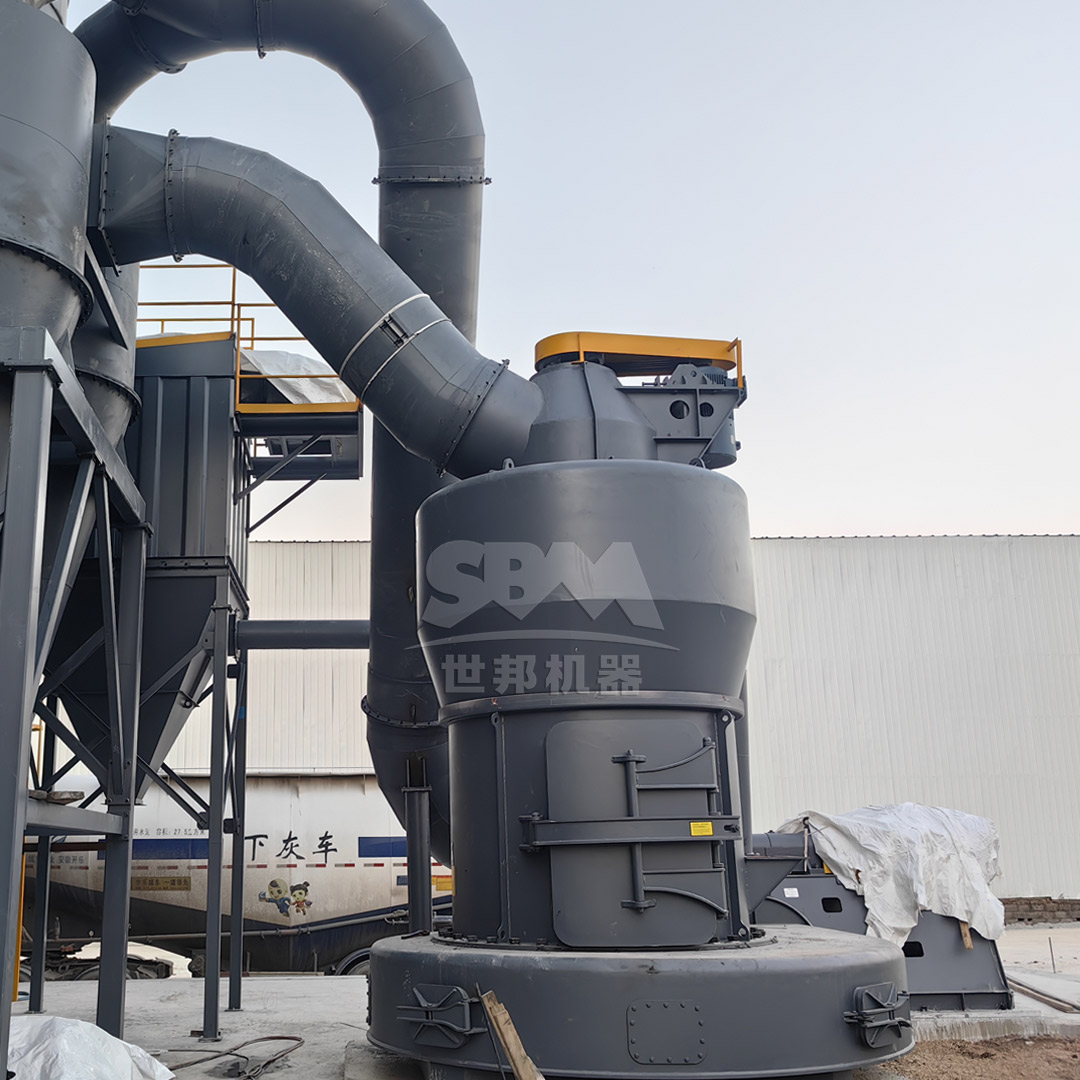
- Fine Grinding & Classification: The core of the system, where coal is pulverized to the target fineness. A closed-circuit system with an integrated dynamic classifier is standard, allowing real-time control over the product’s top size.
- Pneumatic Conveying & Storage: The finished pulverized coal (PC) is transported via dense-phase or lean-phase pneumatic conveying to storage silos adjacent to the smelter. Silos are equipped with fluidization systems to maintain material flow.
- Dosing & Injection: From the silos, PC is precisely metered and injected into the smelting furnace through lances or burners.
3. Critical Product Specifications: Fineness and Moisture
- Fineness: For efficient combustion and rapid reaction, a fine particle size is required. The target is often expressed as a percentage passing a specific sieve (e.g., 80-90% passing 75 microns / 200 mesh) or as a Rosin-Rammler distribution. Finer coal increases surface area, promoting faster burnout and better reduction kinetics, but excessive fineness increases grinding energy and explosion risks.
- Moisture: As mentioned, final product moisture should be very low (<2%). High moisture can cause clogging in conveyors and feed systems, reduce flame temperature, and increase the heat required to vaporize water.
Core Equipment Selection: The Grinding Mill
The choice of grinding technology is paramount. The mill must be energy-efficient, capable of producing the required fineness consistently, and robust enough to handle abrasive materials. While traditional ball mills have been used, modern vertical roller mills (VRMs) offer superior efficiency for this application.
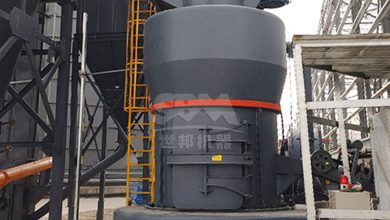
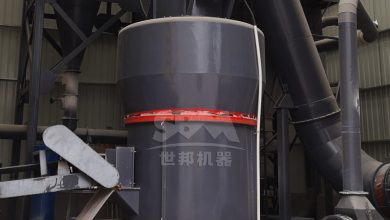
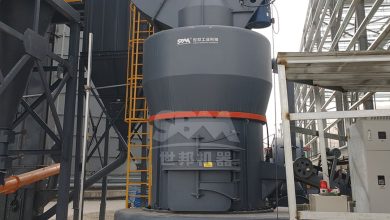
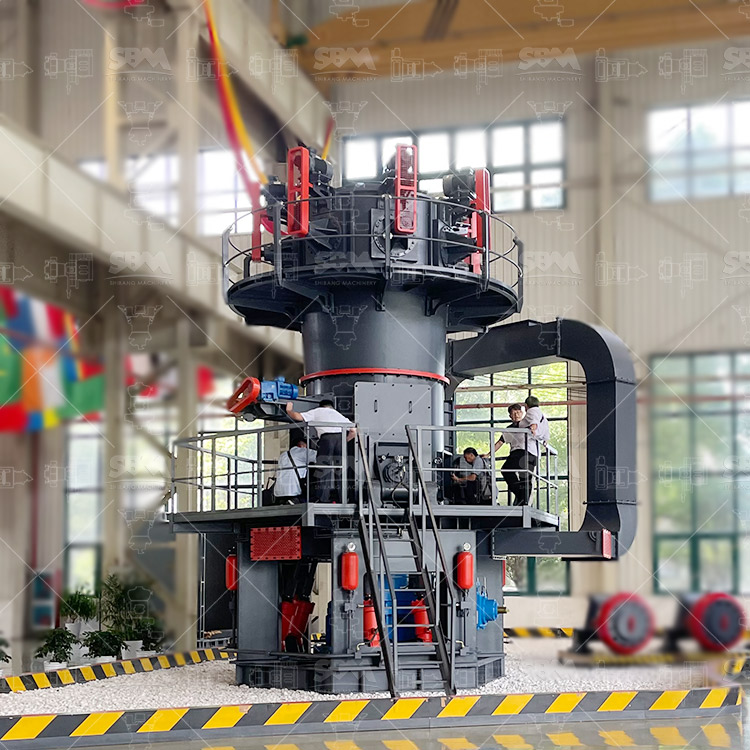
For a zinc smelting operation requiring high capacity and reliable production of coal powder in the medium-fineness range (e.g., 80% passing 200 mesh/75μm), the LM Series Vertical Roller Mill (specifically the Vertical Coal Mill models) is an exemplary solution. Its design principles align perfectly with the needs of a modern smelter.
Why the LM Vertical Coal Mill is Ideal:
- High Efficiency & Low Energy Consumption: Utilizing the efficient material bed grinding principle, it consumes 30-40% less energy than a traditional ball mill system. This translates to significantly lower operating costs for the high-tonnage needs of a smelter.
- Integrated Drying and Grinding: Hot gases (from a dedicated heater or waste heat source) can be introduced into the mill, simultaneously drying the coal and transporting the ground powder. This integrated design simplifies the process flow and is highly effective in achieving the required low final moisture.
- Precise Particle Size Control: The integrated dynamic classifier allows for precise adjustment of the product fineness during operation, ensuring a consistent feed to the smelter. Models like the LM190M or LM220M can easily achieve the necessary fineness for zinc smelting.
- Large Capacity and Stability: With models like the LM240M (50-65 t/h) or LM280M (60-90 t/h), the system can meet the demands of even large-scale smelters. Its robust construction and stable grinding bed ensure continuous, reliable operation with minimal vibration.
- Compact Layout & Low Noise: The vertical design has a small footprint, reducing building costs. Its fully enclosed, negative-pressure operation ensures dust emissions are kept below 20mg/m³, and noise levels are controlled to ≤80dB(A), supporting a cleaner and safer plant environment.
Inherent Dangers and Critical Safety Measures
Handling pulverized coal is inherently dangerous in pyrometallurgy due to two primary hazards: fire and explosion, and toxic gas generation.
1. Fire and Explosion Hazards
Fine coal dust is highly combustible. When suspended in air within a certain concentration range (the explosive limit) and in the presence of an ignition source (spark, hot surface, static electricity), it can lead to a devastating dust explosion.
Risk Points: Mill internals, classifiers, bag filters, storage silos, and conveying pipelines are all potential zones for dust cloud formation.
Mitigation Strategies:
- Inerting: Using inert gases (like nitrogen or CO2) to purge the mill, classifier, and bag filter during start-up, shutdown, and emergency stops to maintain oxygen levels below the threshold required for combustion (typically <12%).
- Explosion Protection: Installing explosion vents, suppression systems, and isolation valves on equipment and pipelines to contain or divert the force of an explosion.
- Ignition Source Control: Strictly controlling hot work, using anti-static equipment and grounding, ensuring all equipment is rated for explosive atmospheres (ATEX or equivalent), and preventing mechanical friction that could generate sparks.
- Temperature Monitoring: Installing temperature sensors in bearings, the mill grinding zone, and the bag filter to detect abnormal heating that could indicate smoldering coal.
2. Toxic Gas Generation: Carbon Monoxide (CO)
Coal, especially when stored for long periods, can undergo low-temperature oxidation, leading to the production of carbon monoxide (CO). This colorless, odorless, and highly toxic gas can accumulate in silos, bunkers, and mills, posing a severe asphyxiation risk to personnel during inspection or maintenance.
Mitigation Strategies:
- CO Monitoring: Mandatory installation of fixed and portable CO detectors in all confined spaces related to coal storage and handling.
- Forced Ventilation: Implementing strict lockout/tagout and forced ventilation procedures before any entry into silos or mills.
- Coal Management: Practicing “first-in, first-out” inventory management to minimize storage time and the potential for oxidation.
System Integration and Control
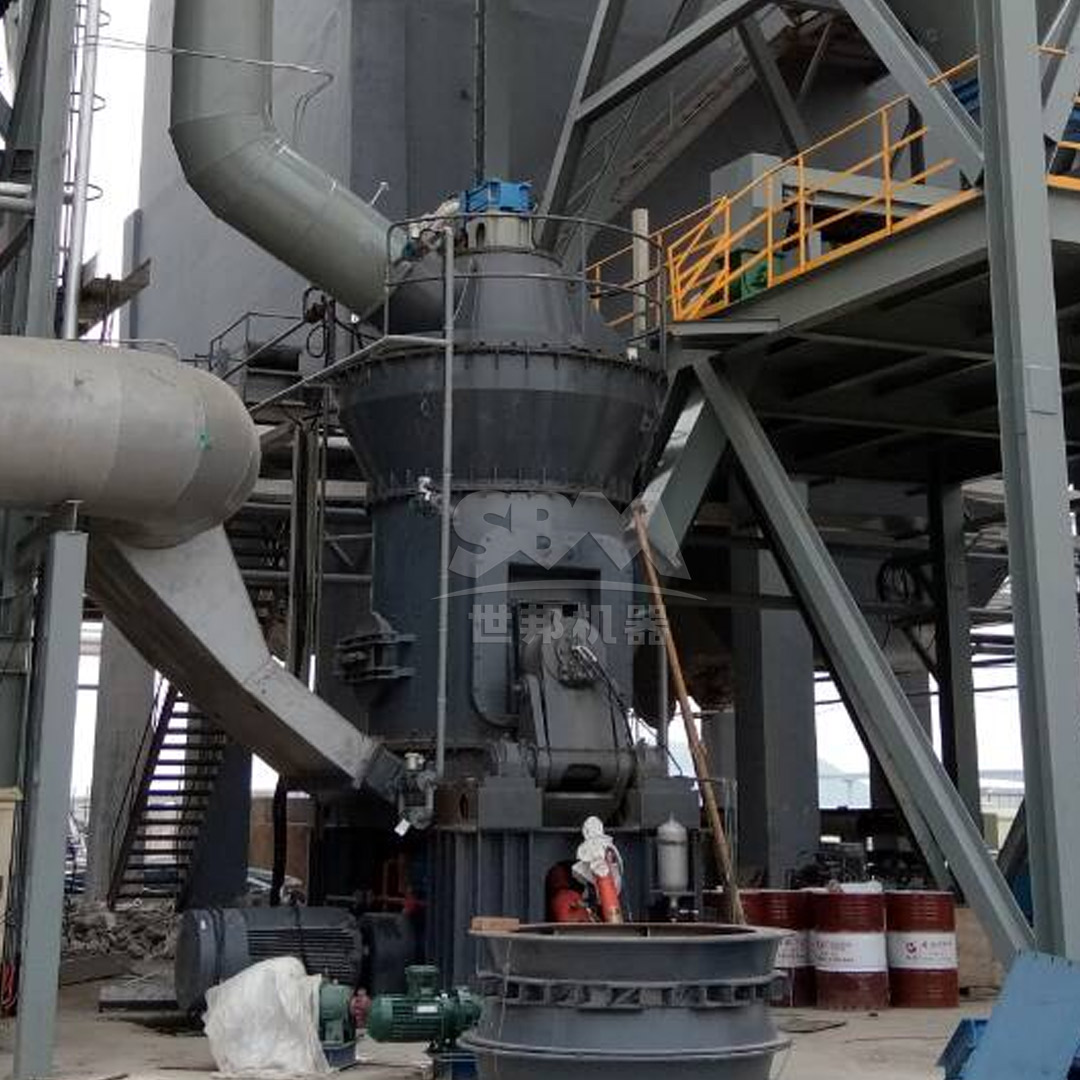
A modern coal preparation plant is governed by a centralized Distributed Control System (DCS) or Programmable Logic Controller (PLC). This system integrates:
- Mill feed rate control based on silo level.
- Hot gas temperature control for optimal drying.
- Mill differential pressure and motor load monitoring for stable operation.
- Classifier speed adjustment to maintain product fineness.
- Critical safety interlocks for temperature, pressure, and gas concentration, triggering inerting procedures or emergency shutdowns.
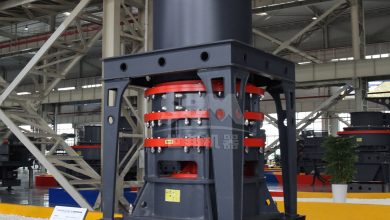
For operations that require an ultra-fine coal product for specialized injection or process optimization, a secondary polishing stage might be considered. Here, a mill like the SCM Series Ultrafine Mill could be evaluated. Capable of producing powders as fine as 5μm (D97), the SCM mill offers high-precision classification and energy efficiency for niche applications where extreme fineness is justified, though its capacity range is generally lower than that of primary VRMs like the LM series.
Conclusion
Designing a coal powder preparation system for zinc smelting requires a holistic approach that balances process efficiency, product quality, and paramount safety. The selection of the core grinding technology, such as the energy-efficient and reliable LM Series Vertical Roller Mill, forms the foundation of a successful system. However, this must be coupled with robust engineering controls to mitigate the ever-present dangers of coal dust explosions and toxic gas generation. A well-designed, automated, and conscientiously operated preparation plant is not merely a support unit; it is a vital contributor to the safe, stable, and profitable operation of the entire zinc smelting facility.