How to Configure Waste FRP Disposal Equipment: A Complete Guide
Introduction: The Challenge of FRP Waste Management
Fiber Reinforced Plastic (FRP), encompassing materials like Glass Fiber Reinforced Plastic (GFRP) and Carbon Fiber Reinforced Plastic (CFRP), is prized for its strength, durability, and corrosion resistance. However, these very properties make its end-of-life management a significant environmental and logistical challenge. Traditional disposal methods like landfilling are unsustainable, and incineration can release harmful emissions. The most viable and sustainable solution lies in mechanical recycling—size reduction to recover fibers and resin powder for use as secondary raw materials. This guide provides a comprehensive, step-by-step approach to configuring an efficient and effective waste FRP disposal and recycling line.
1. Understanding the FRP Waste Stream
Before configuring equipment, a thorough analysis of the incoming waste is crucial. Key characteristics to assess include:
- FRP Type: GFRP, CFRP, or hybrid composites.
- Form Factor: Scrap from manufacturing (e.g., off-cuts, defective parts), end-of-life products (e.g., wind turbine blades, boat hulls, automotive parts), or construction debris.
- Size & Contamination: Initial dimensions and the presence of non-FRP materials like metal inserts, foam cores, or coatings.
- Volume & Throughput: Expected daily or annual tonnage to be processed.
2. Core Process Flow for FRP Recycling
A typical mechanical recycling line follows a sequential process of size reduction and separation:
- Pre-processing & Decontamination: Manual or mechanical removal of large metal parts, foam, or other contaminants.
- Primary Crushing: Reducing large, bulky FRP items into smaller, manageable chips (50-100mm).
- Secondary Crushing/Grinding: Further reducing the chips into coarse granules or flakes (1-10mm).
- Fine Grinding & Fiber Liberation: The most critical stage, where the composite structure is broken down to separate fibers from the resin matrix, producing a fine powder.
- Classification & Separation: Separating the milled product by particle size and, if possible, separating longer fibers from resin powder.
- Dust Collection & Filtration: An integrated system to capture airborne particles, ensuring a clean working environment and product recovery.
3. Key Equipment Selection and Configuration
Selecting the right machinery for each stage determines the efficiency, output quality, and economic viability of the operation.
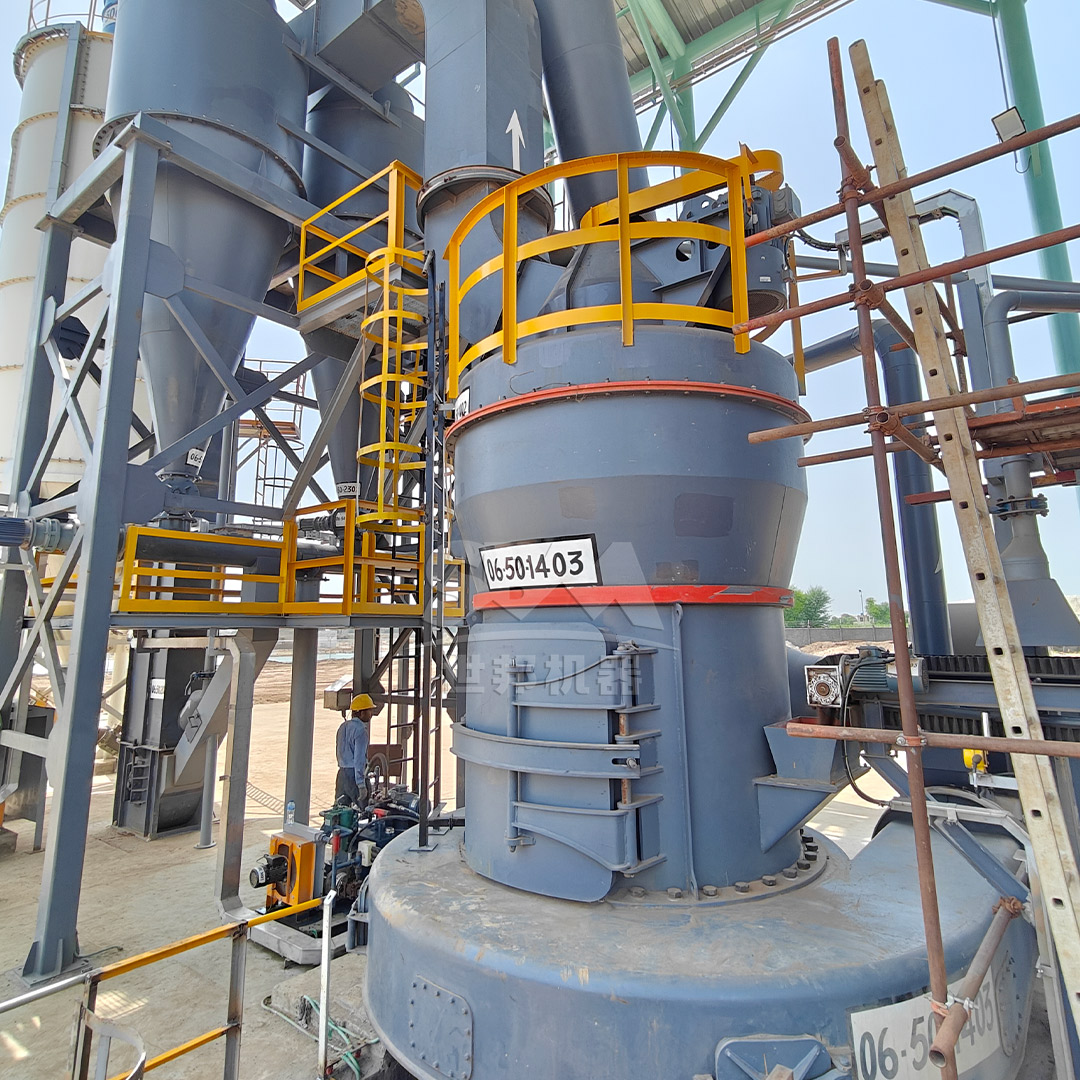
3.1 Primary and Secondary Size Reduction
For the initial breakdown of large FRP components, robust crushers are required.
- Shear Shredders or Slow-Speed Crushers: Ideal for bulky, irregular items. They apply high torque to tear and shear the material, minimizing dust generation at this stage.
- Hammer Mills: Suitable for secondary crushing of pre-shredded material. Models like the PC4015-132 Hammer Mill are effective for this duty, with a high capacity (40-70 t/h) and wear-resistant design to handle abrasive FRP. Its high-speed rotating hammers efficiently reduce chips to smaller flakes.
3.2 The Heart of the System: Fine Grinding Mills
This is the most technologically demanding stage. The goal is to achieve effective delamination—separating the fibers from the resin—without excessively damaging the fibers (if fiber recovery is the goal) or while producing a uniform powder.
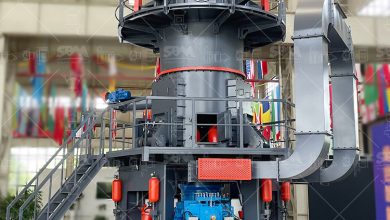
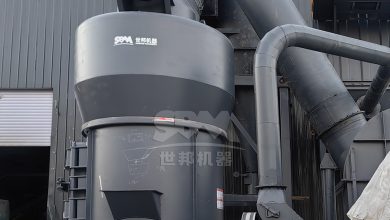
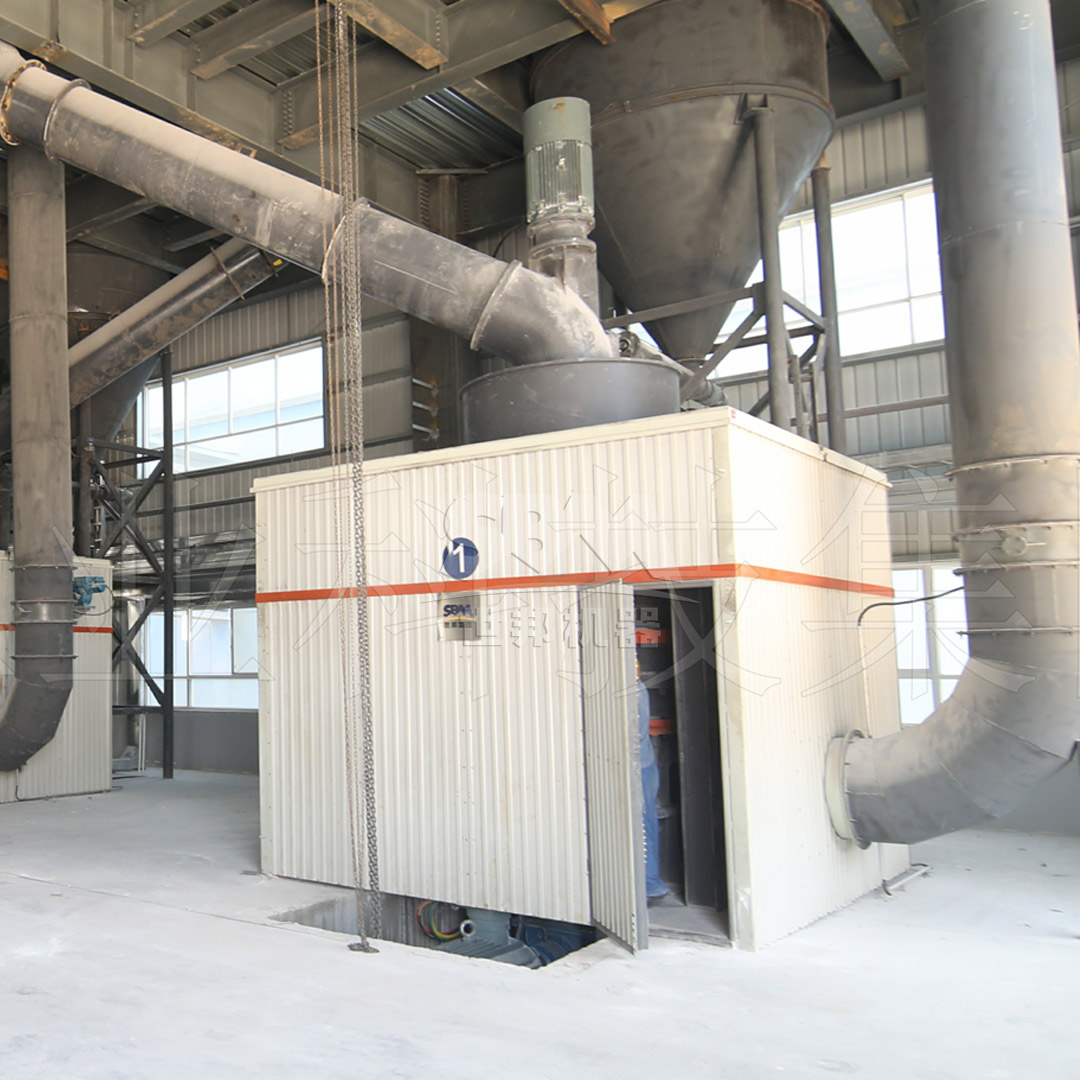
For processing FRP waste into a fine, reusable powder, our SCM Series Ultrafine Mill is an outstanding solution. Engineered for high efficiency and precision, it excels in this application for several reasons:
- High-Precision Classification: Its vertical turbine classifier provides precise particle size cutting (adjustable from 325 to 2500 mesh/45-5μm). This is crucial for separating liberated fibers of different lengths from the resin powder or for producing a consistent final product.
- Durable & Low-Wear Design: FRP is highly abrasive. The SCM mill’s special material rollers and rings are built to withstand this, extending service life several times over compared to standard components. The shaftless screw grinding chamber further ensures stable, low-maintenance operation.
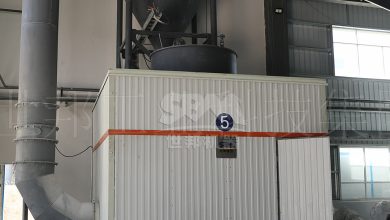
- Eco-friendly Operation: The integrated pulse dust collection system exceeds international emission standards, capturing fine particles effectively. Combined with a soundproof room design, it ensures the plant meets environmental and workplace safety regulations.
- High Efficiency: With a capacity up to 2x that of jet mills and 30% lower energy consumption, it offers a cost-effective grinding solution for high-volume FRP recycling.
3.3 Classification and Separation
Post-grinding, air classifiers or vibrating screens are used to separate the output based on size and density. This step can isolate longer, potentially higher-value recovered fibers from the finer resin/glass powder mix, allowing for differentiated product streams.
3.4 Auxiliary Systems: Dust Collection and Automation
No FRP recycling line is complete without robust auxiliary systems.
- Pulse Jet Baghouse Dust Collectors: Essential for protecting worker health, preventing cross-contamination, and recovering product. They should be sized appropriately for the total airflow of the crushing and milling equipment.
- Conveying Systems: Belt conveyors, bucket elevators, or pneumatic conveyors to move material between process stages.
- Control System: A centralized PLC-based control panel allows for monitoring and adjusting the entire line, optimizing throughput and energy use.
4. System Integration and Layout Considerations
Proper plant layout is key to operational efficiency. Considerations include:
- Linear Material Flow: Design the layout to minimize material handling and backtracking.
- Dust Containment: Enclose conveyors and transfer points. Maintain negative pressure in grinding and classification areas.
- Maintenance Access: Ensure adequate space around equipment for routine maintenance and component replacement.
- Power and Air Supply: Ensure the facility has sufficient electrical capacity and compressed air for the dust collection system.
5. For High-Volume or Coarse Feed Applications: The MTW Series
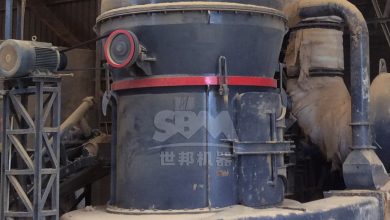
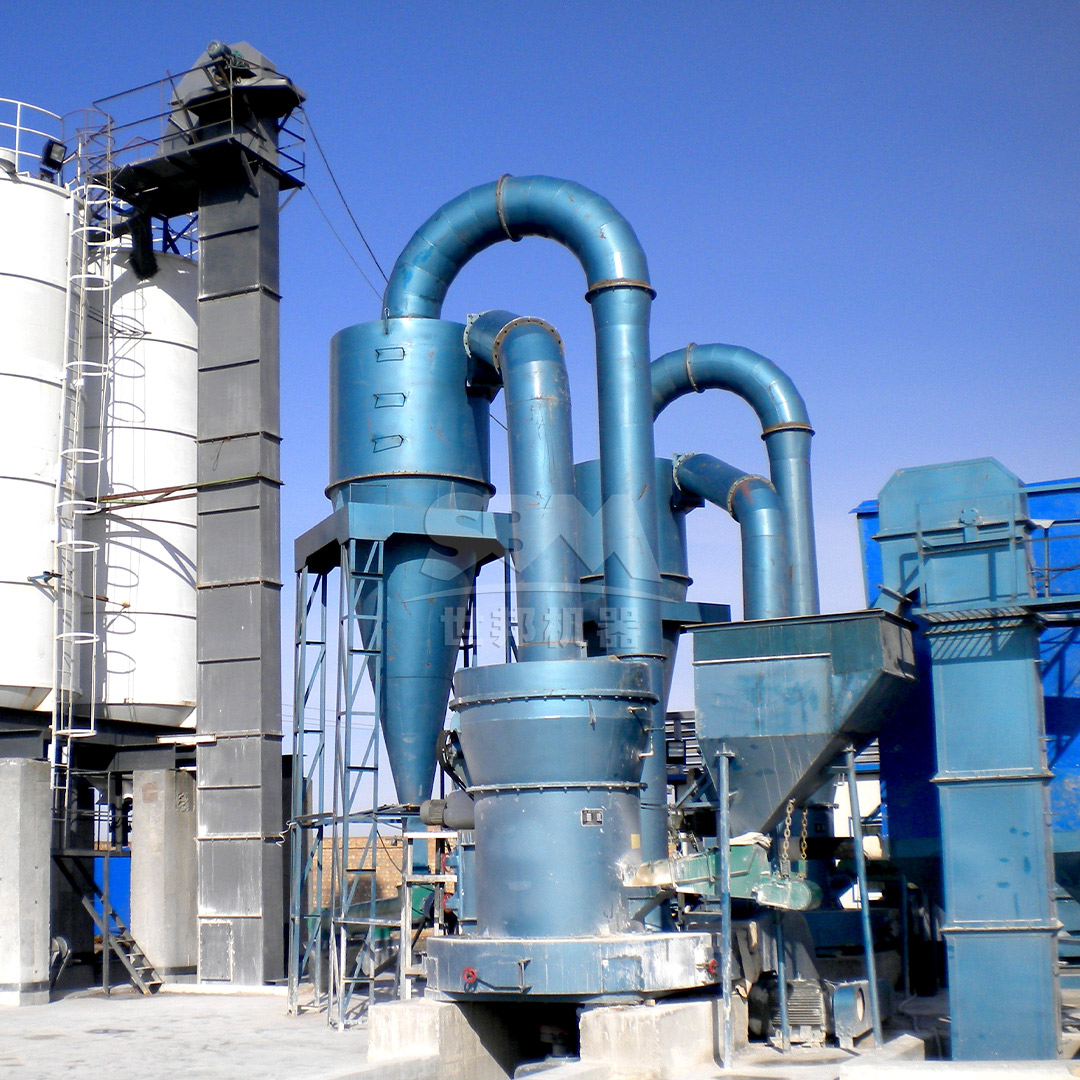
In scenarios where the feed material is consistently large (up to 50mm) or the required final product is slightly coarser (30-325 mesh), the MTW Series European Trapezium Mill presents a powerful alternative or complementary solution. Its advantages include:
- High Capacity & Robustness: With a capacity range of 3-45 ton/h, it is suited for large-scale recycling operations. The anti-wear shovel and curved roller design are built for longevity with abrasive materials.
- Efficient Drive System: The integral bevel gear drive boasts 98% transmission efficiency, saving energy and reducing operational costs.
- Optimized Airflow: The arc air duct design reduces energy loss, improving the efficiency of the internal classification system.
It can serve as an excellent primary grinding unit before a finer milling stage or as the main mill for applications where a 30-100 mesh product is the target.
6. Economic and Environmental Outcomes
A well-configured FRP recycling line transforms a waste liability into an economic asset and an environmental benefit.
- Product Valorization: The output—whether recovered fibers or fine powder—can be sold as filler in new composites, concrete, asphalt, or other construction materials.
- Cost Savings: Eliminates or drastically reduces landfill fees and associated environmental taxes.
- Regulatory Compliance: Helps producers and waste handlers meet increasingly stringent waste management and circular economy regulations.
- Sustainability Leadership: Demonstrates a commitment to resource conservation and a closed-loop economy.
Conclusion
Configuring an effective waste FRP disposal and recycling system requires a methodical approach, from waste characterization to careful equipment selection and integrated plant design. The core of this system lies in advanced grinding technology capable of handling the material’s abrasiveness and achieving the desired liberation and fineness. By investing in robust, efficient, and precise equipment like the SCM Series Ultrafine Mill or the MTW Series European Trapezium Mill, operators can build a future-proof recycling operation that is not only environmentally responsible but also economically sustainable, turning the challenge of FRP waste into a valuable opportunity.