How to Choose the Right Ultrafine Grinding Mill for Superfine Kaolin Processing
Introduction
Kaolin, a naturally occurring white clay mineral, is prized for its brightness, fine particle size, and chemical inertness. Its value is intrinsically linked to its fineness and purity. In modern industrial applications—from high-grade paper coatings and premium ceramics to advanced polymers and cosmetics—achieving a superfine, consistent particle size distribution (PSD) is paramount. This demand has propelled ultrafine grinding technology to the forefront of kaolin processing. However, selecting the optimal mill is a complex decision that hinges on multiple technical and economic factors. This guide provides a comprehensive framework for choosing the right ultrafine grinding mill to maximize your kaolin processing efficiency, product quality, and return on investment.
Key Considerations for Mill Selection
The choice of mill is not one-size-fits-all. A systematic evaluation of the following parameters is essential.
1. Target Product Fineness and Particle Size Distribution (PSD)
This is the primary driver. Define your required top cut (D97 or D98) and the overall PSD curve.
- Coarse to Fine Grinding (45-600 mesh / 30-250μm): For filler-grade kaolin used in plastics or rubber.
- Superfine Grinding (600-2500 mesh / 5-20μm): Critical for coating-grade kaolin in paper, where opacity and smoothness are key. This range demands high-precision classification.
- Ultrafine/Sub-micron Grinding (<5μm): Required for specialty applications in pharmaceuticals, advanced ceramics, and high-performance composites.
The mill must not only reach the target fineness but also produce a narrow, consistent PSD to ensure uniform product performance.
2. Required Production Capacity
Capacity needs—from pilot-scale (kg/h) to large-scale continuous production (tons/h)—directly influence mill size and type. It’s crucial to match the mill’s designed capacity with your operational throughput to avoid bottlenecks or inefficient under-utilization.
3. Feed Material Characteristics
- Moisture Content: High moisture can cause agglomeration and clogging in some mills, necessitating pre-drying or selecting a mill that can handle or incorporate drying (e.g., with a hot air system).
- Hardness & Abrasiveness: While kaolin is relatively soft (Mohs hardness ~2.0), impurities like quartz can be abrasive. Mill design and wear part materials must account for this to maintain fineness and reduce maintenance costs.
- Feed Size: The maximum input size the mill can accept determines the necessary pre-crushing stage.
4. Energy Efficiency and Operating Costs
Grinding is energy-intensive. The specific energy consumption (kWh/ton) is a major operational cost. Advanced mills with efficient grinding mechanisms and integrated classifiers often offer significant savings over traditional technologies like ball mills.
5. Contamination and Product Purity
Kaolin’s whiteness is a key selling point. The grinding process must minimize iron or other metallic contamination. Mills with ceramic or specialized alloy linings, or those employing autogenous grinding (material-on-material), are preferred.
6. System Integration and Footprint
Consider the complete system: feeding, grinding, classification, dust collection, and product conveying. Integrated, compact systems can reduce plant footprint, installation complexity, and capital cost.
7. Environmental and Safety Compliance
Modern mills must feature effective, sealed dust collection systems to protect workers and meet environmental emission standards. Low-noise operation is also a critical factor for plant safety and community relations.
Overview of Mill Technologies for Kaolin
Different mill types operate on distinct principles, each with pros and cons for kaolin processing.
Ball Mills and Raymond Mills (Traditional Approach)
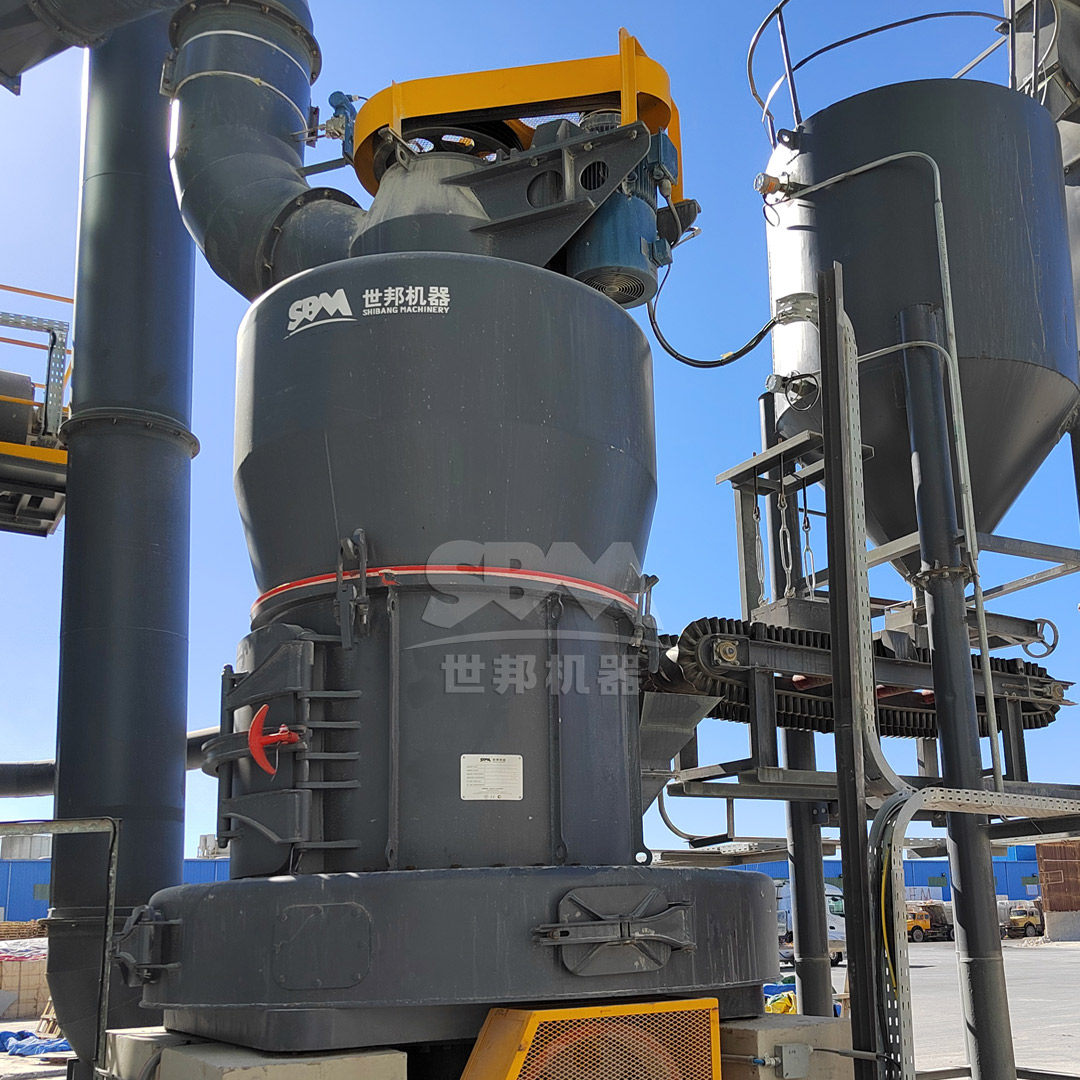
While historically used, traditional ball mills are often less energy-efficient for achieving ultrafine sizes (<10μm) and can cause contamination from media wear. Raymond-style roller mills are effective for coarser grades but may struggle with high-efficiency, precise classification in the superfine range.
Jet Mills (Fluid Energy Mills)
These use high-speed jets of compressed air or steam to cause particle-on-particle impact, ideal for achieving very fine, contamination-free powder. However, they have high energy consumption (especially for compressed air) and lower capacity compared to some mechanical mills.
Vertical Roller Mills (VRM)
VRMs use hydraulically loaded rollers to compress and shear a bed of material on a rotating table. They are highly energy-efficient for medium to fine grinding and often integrate drying. For the finest kaolin grades, they may require a secondary classification step.
Ultrafine Vertical Roller Mills & Specialized Pendulum Mills
This advanced category represents the current state-of-the-art for high-capacity, energy-efficient production of superfine powders. They combine high-pressure grinding with integral, high-efficiency classifiers capable of making precise cuts in the 5-45μm range.
Recommended Solution for Superfine Kaolin Processing
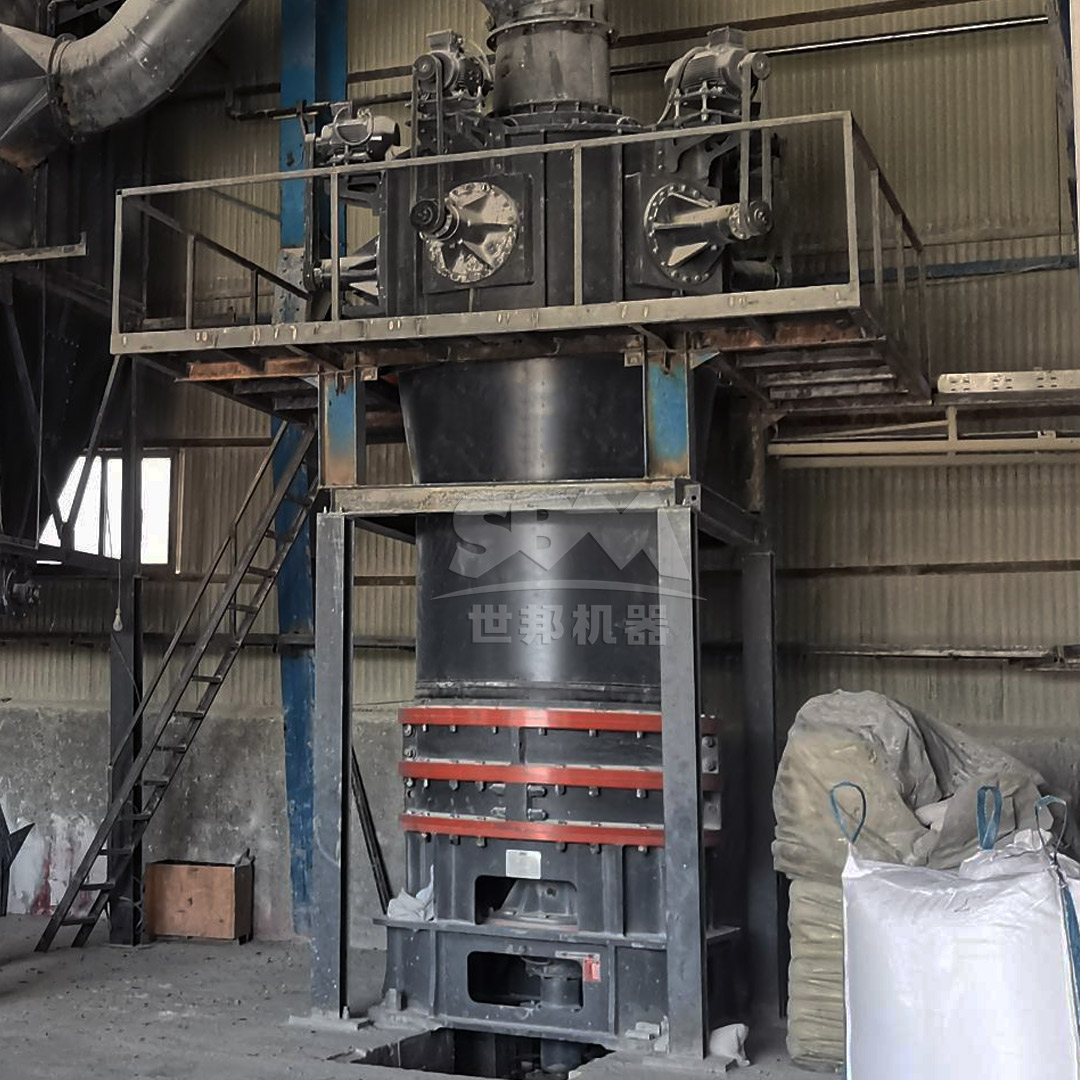
Based on the critical requirements of high efficiency, precise classification, large capacity, and product purity, we highly recommend our SCM Series Ultrafine Mill as the ideal core equipment for modern superfine kaolin processing plants.
Why the SCM Series Ultrafine Mill Excels with Kaolin
Our SCM Mill is engineered specifically for the challenges of producing ultrafine, high-value powders like kaolin. Its design directly addresses the key selection criteria:
- Superior Fineness & Precision Classification: It reliably produces powder in the range of 325-2500 mesh (45-5μm). The integrated vertical turbine classifier is the heart of the system, ensuring precise particle size cutting with no coarse powder mixing, resulting in a uniform and consistent product essential for coating applications.
- High Efficiency & Energy Savings: The grinding mechanism achieves a capacity approximately twice that of a jet mill of comparable power while reducing energy consumption by up to 30%. This translates directly to lower operating costs per ton of processed kaolin.
- Exceptional Wear Resistance & Durability: Kaolin processing, even with its softness, is a continuous operation. The SCM mill features special material rollers and grinding rings, extending service life several times over conventional parts. The shaftless screw design in the grinding chamber further enhances operational stability and reduces maintenance downtime.
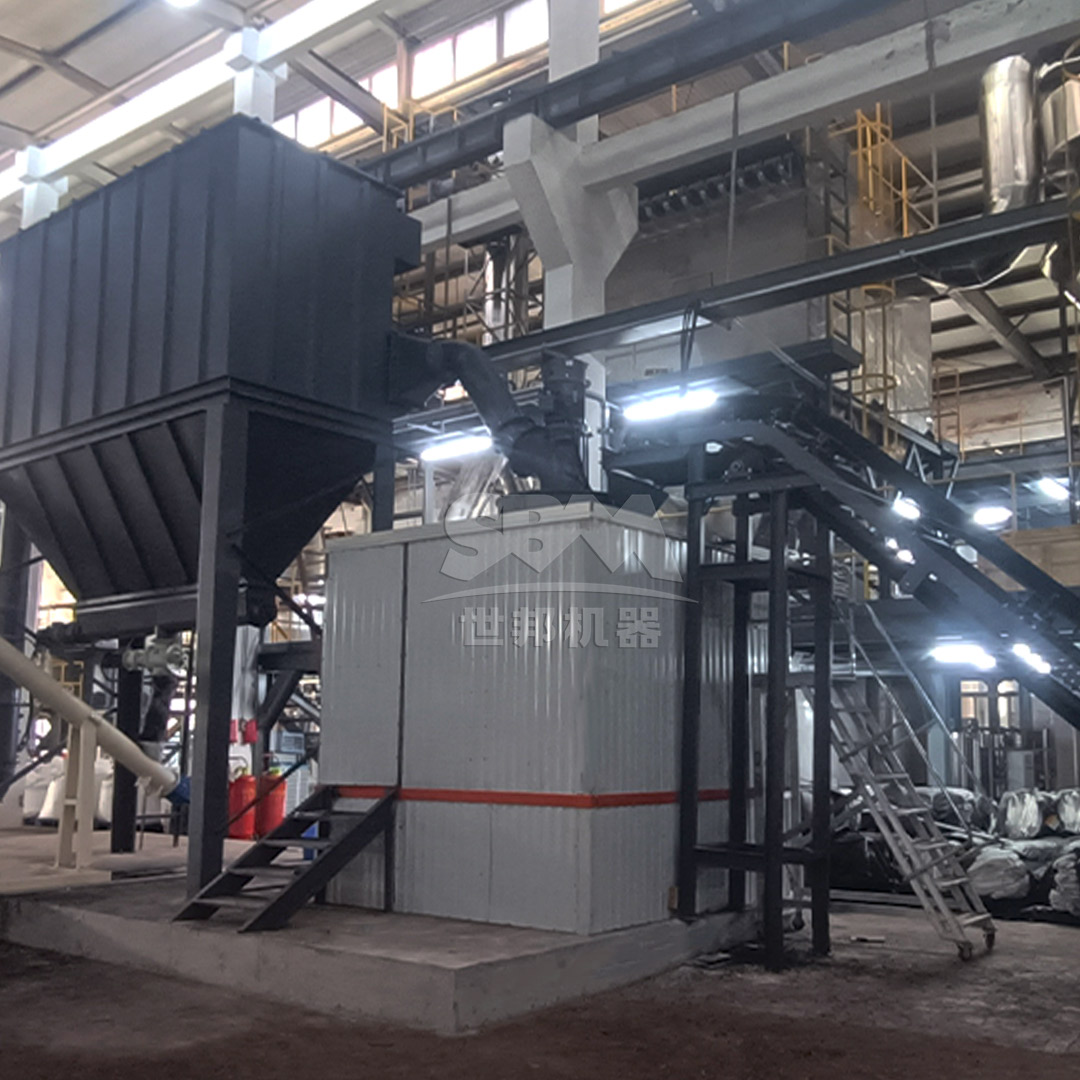
- Environmental and Operational Friendliness: The system operates under negative pressure with a pulse dust collector exceeding 99.9% efficiency, ensuring a clean workshop and compliance with strict environmental standards. The soundproof room design keeps operational noise at minimal levels.
Model Selection and Integration
The SCM series offers a scalable range of models to match your production goals:
- For pilot plants or moderate output: The SCM800 (0.5-4.5 t/h) or SCM900 (0.8-6.5 t/h) models are perfect starting points.
- For large-scale industrial production: The SCM1250 (2.5-14 t/h) and SCM1680 (5.0-25 t/h) models provide the high throughput needed for major kaolin operations.
The mill’s intelligent control system, with automatic finished product granularity feedback, allows for stable, automated operation, minimizing manual intervention and ensuring consistent quality batch after batch.
Alternative for Coarser or Integrated Processing
For operations that require processing from a larger feed size or producing a broader range of products including coarser filler-grade kaolin, our MTW Series European Trapezium Mill presents an excellent solution. It efficiently handles feed up to 50mm and produces fineness from 30-325 mesh (600-45μm). Its advantages include an anti-wear shovel design, optimized arc air duct for efficiency, and a robust integral bevel gear drive with 98% transmission efficiency. It serves as a highly reliable workhorse for primary and secondary grinding stages where the ultimate superfine finish is not the sole requirement.
Conclusion
Selecting the right ultrafine grinding mill for kaolin is a strategic decision that impacts product quality, operational cost, and plant profitability. By meticulously defining your product specifications and carefully weighing factors such as energy efficiency, classification precision, and system reliability, you can make an informed choice.
For processors aiming at the high-value, superfine kaolin market, technology like our SCM Series Ultrafine Mill offers a compelling combination of performance, economy, and reliability. We recommend consulting with our technical engineering team to analyze your specific kaolin feedstock and production goals. We can provide tailored test grinding services and system layout proposals to ensure you invest in the optimal grinding solution for a competitive edge in the marketplace.