How to Choose the Right Raymond Mill Model and Specifications
Introduction
Selecting the appropriate Raymond mill model and specifications is a critical decision that directly impacts production efficiency, product quality, and operational costs. With various grinding technologies available, understanding your specific requirements and matching them with the right equipment is essential for optimal performance. This comprehensive guide will walk you through the key factors to consider when choosing a Raymond mill, helping you make an informed decision that aligns with your production goals.
Understanding Your Material Characteristics
The first step in selecting the right Raymond mill is thoroughly understanding the material you need to process. Different materials have unique properties that significantly influence mill selection.
Material Hardness and Abrasiveness
Material hardness, typically measured on the Mohs scale, determines the wear and tear on grinding components. For highly abrasive materials like quartz (Mohs 7) or feldspar (Mohs 6-6.5), you’ll need mills with superior wear-resistant components. Softer materials like limestone (Mohs 3) or gypsum (Mohs 2) allow for more flexibility in mill selection but may require different approaches to prevent over-grinding.
Moisture Content
The moisture content of your raw material affects grinding efficiency and may require pre-drying systems. Materials with high moisture content can cause clogging and reduce throughput. Most Raymond mills perform optimally with moisture content below 6%, though some specialized models can handle higher moisture levels with integrated drying systems.
Chemical Composition
Certain chemical properties, such as corrosiveness or reactivity, may require special material construction for mill components. Materials that generate heat during grinding or have specific safety considerations need mills designed with these factors in mind.
Key Selection Criteria
When evaluating Raymond mill models, several critical factors must be considered to ensure the equipment meets your production requirements.
Required Output Fineness
The target particle size distribution is one of the most important selection criteria. Different applications require specific fineness levels:
- Coarse grinding: 30-100 mesh (600-150μm)
- Medium fine grinding: 100-325 mesh (150-45μm)
- Fine grinding: 325-800 mesh (45-18μm)
- Ultrafine grinding: 800-2500 mesh (18-5μm)
Each mill type has limitations on the achievable fineness, so matching your requirements with the appropriate technology is crucial.
Production Capacity Requirements
Your required throughput directly influences the mill size and power requirements. Consider both current needs and future expansion plans. Production capacity should be evaluated based on:
- Hourly throughput requirements
- Operating hours per day
- Seasonal variations in demand
- Potential for future expansion
Energy Consumption and Efficiency
Energy costs represent a significant portion of operating expenses in grinding operations. Modern mills incorporate energy-saving features that can reduce power consumption by 30-50% compared to older models. Look for mills with optimized grinding mechanisms, efficient classifiers, and intelligent control systems that minimize energy waste.
Space and Installation Considerations
The physical footprint of the mill system, including ancillary equipment, must fit within your available space. Some mills offer compact designs that integrate multiple functions, reducing the overall footprint. Consider:
- Mill dimensions and layout requirements
- Headroom for maintenance access
- Foundation requirements
- Integration with existing production lines
Raymond Mill Technology Overview
Understanding the different grinding technologies available will help you select the most appropriate solution for your application.
Traditional Raymond Mill Systems
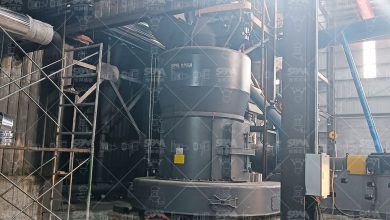
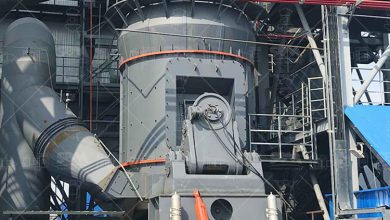
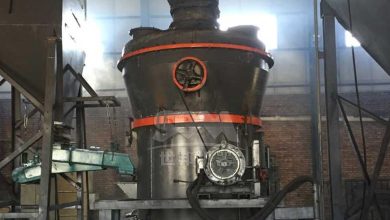
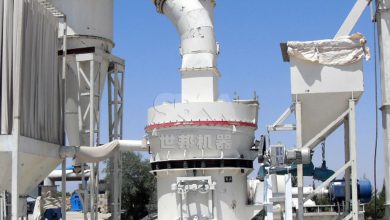
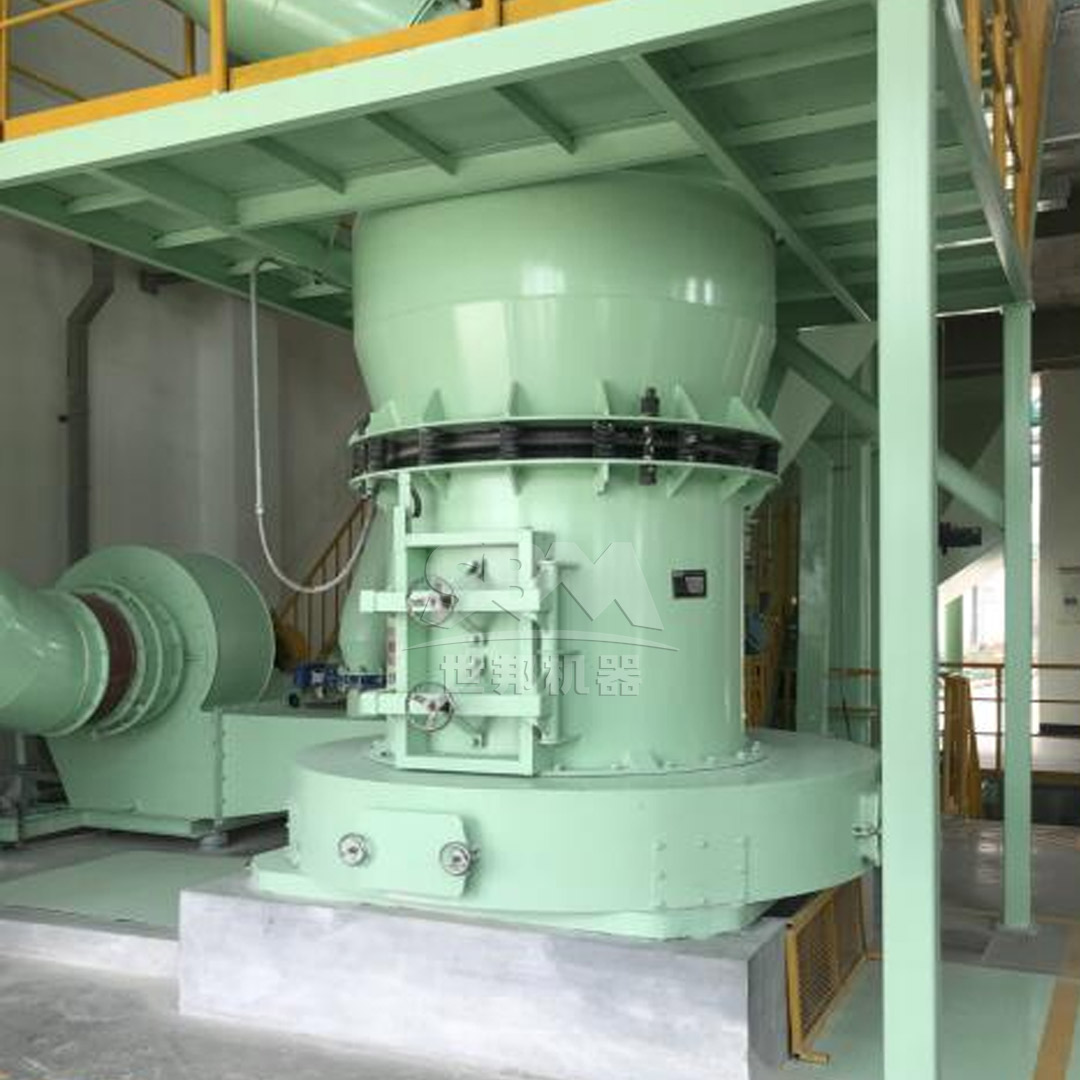
Traditional Raymond mills use a vertical structure with a grinding ring and multiple grinding rollers. Material is fed into the grinding chamber where it’s ground between the rollers and ring, then classified by an integrated separator. These systems are reliable and well-understood, making them suitable for many standard applications.
Advanced Grinding Technologies
Modern grinding systems have evolved significantly, offering improved efficiency, finer grinding capabilities, and better control systems. Key advancements include:
- High-efficiency classifiers for precise particle size control
- Advanced wear materials extending component life
- Intelligent control systems optimizing performance
- Integrated drying capabilities for moist materials
Recommended Product: MTW Series Trapezium Mill
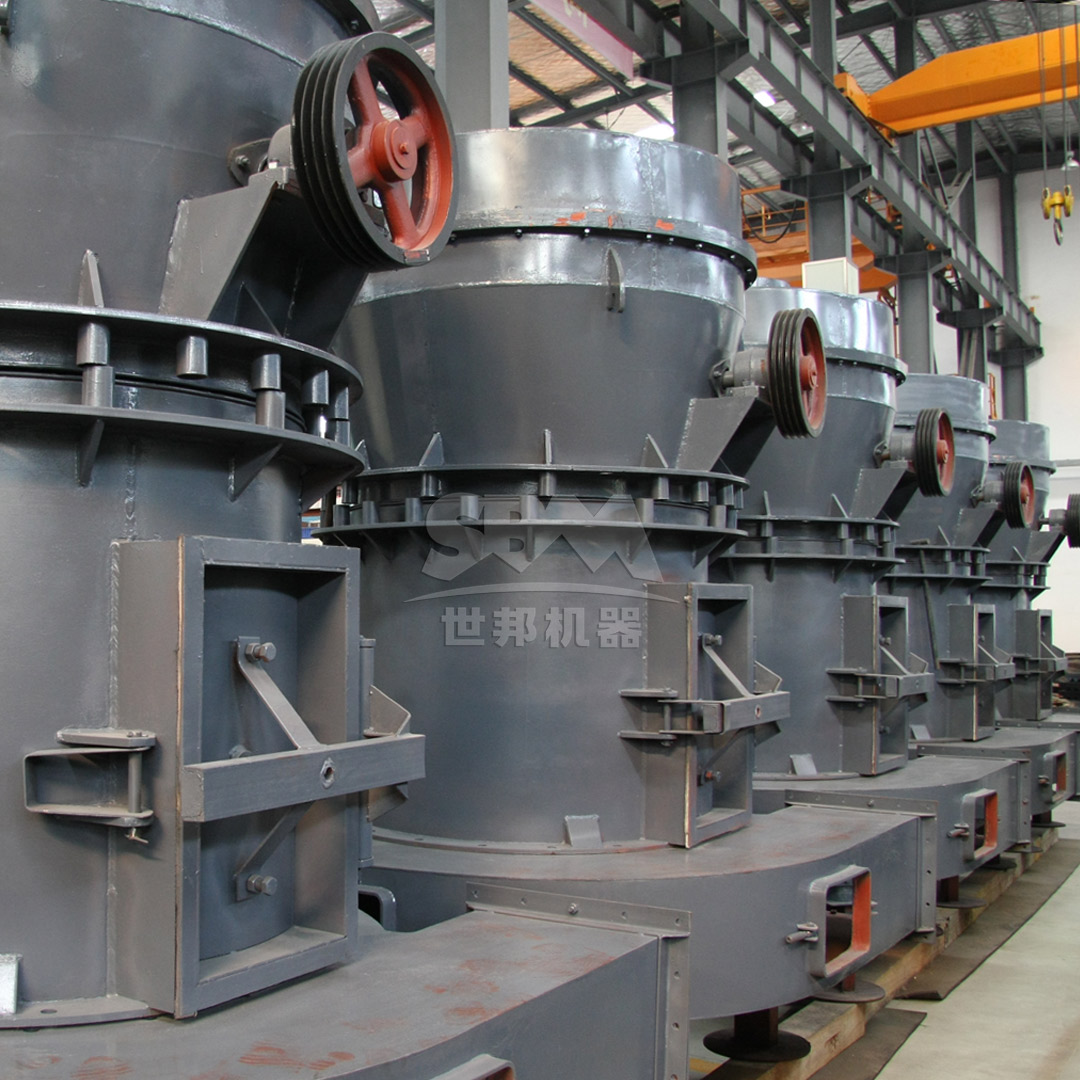
For most standard grinding applications requiring fineness between 30-325 mesh (600-45μm), we highly recommend our MTW Series Trapezium Mill. This advanced grinding system incorporates multiple technological innovations that deliver superior performance and reliability.
Key Advantages of MTW Series
The MTW Series stands out with several distinctive features that make it an excellent choice for various grinding applications:
- Anti-wear shovel blade design: Combined shovel pieces reduce maintenance costs while curved design extends roller life
- Optimized curved air channel: Reduces air flow energy loss with transmission efficiency improvements and high-strength guard plate protection
- Bevel gear integral transmission: Achieves 98% transmission efficiency while saving space and reducing installation costs
- Wear-resistant volute structure: No resistance design improves air classification efficiency and reduces maintenance costs by 30%
MTW Series Specifications
The MTW Series offers multiple models to match different production requirements:
- MTW110: Processing capacity 3-9 ton/h with 55kW main motor power
- MTW138Z: Processing capacity 6-17 ton/h with 90kW main motor power
- MTW175G: Processing capacity 9.5-25 ton/h with 160kW main motor power
- MTW215G: Processing capacity 15-45 ton/h with 280kW main motor power
With input size up to 50mm and output fineness adjustable from 30-325 mesh, the MTW Series provides exceptional flexibility for various materials and production requirements.
Recommended Product: SCM Ultrafine Mill
For applications requiring ultrafine grinding capabilities down to 5μm (2500 mesh), our SCM Ultrafine Mill represents the pinnacle of grinding technology. This advanced system delivers exceptional performance for the most demanding ultrafine grinding applications.
SCM Series Technical Advantages
The SCM Ultrafine Mill incorporates cutting-edge technology that sets new standards for ultrafine grinding:
- High efficiency and energy saving: Twice the capacity of jet mills with 30% lower energy consumption, featuring intelligent control with automatic feedback on product size
- High-precision classification: Vertical turbine classifier ensures precise particle size cut with no coarse powder mixing, delivering uniform final product
- Durable design: Special material rollers and grinding rings extend service life multiple times with stable operation from bearingless screw grinding chamber
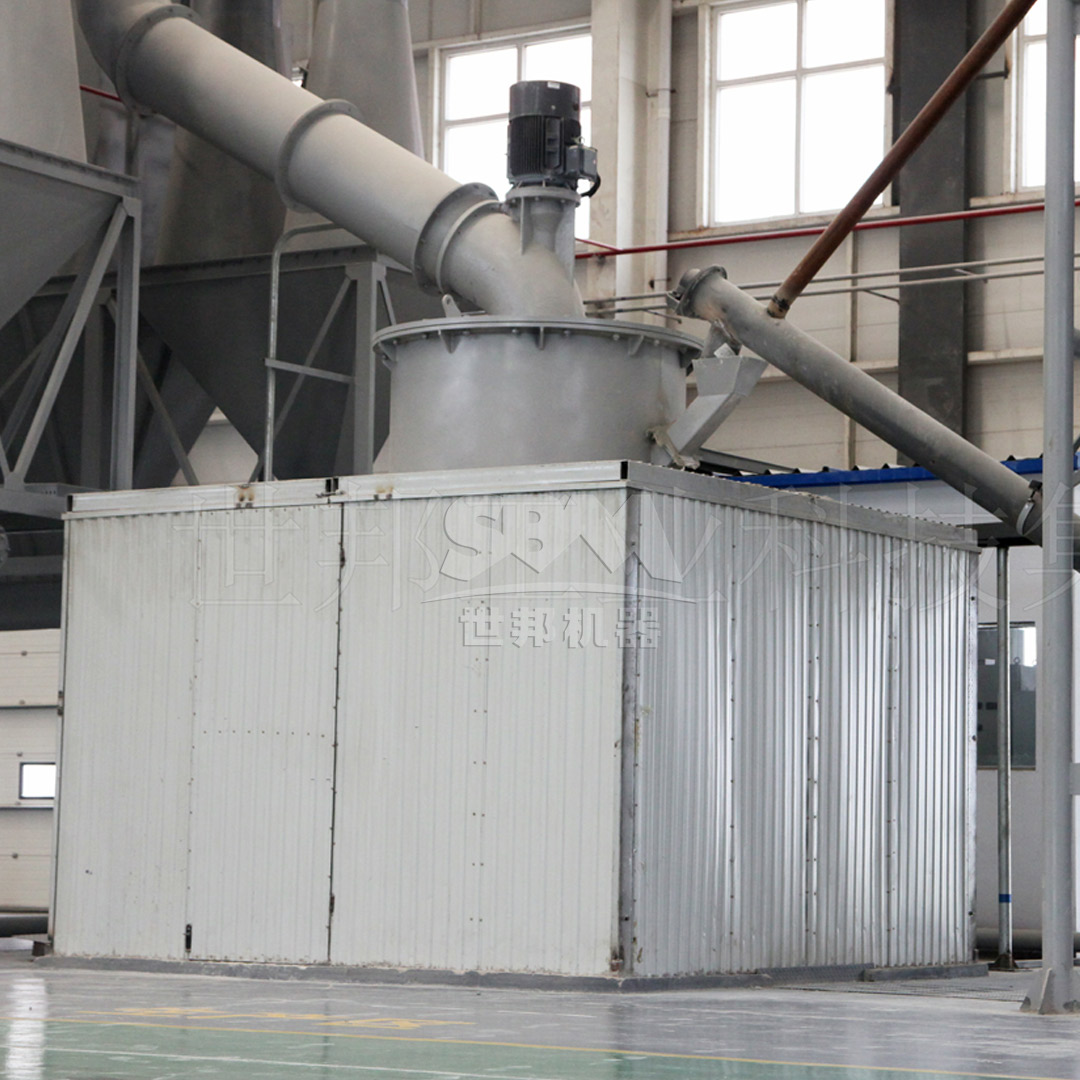
- Environmental protection and low noise: Pulse dust collection efficiency exceeds international standards with noise ≤75dB from soundproof chamber design
SCM Series Model Range
The SCM Series offers a comprehensive range of models to match different production scales:
- SCM800: Processing capacity 0.5-4.5 ton/h with 75kW main motor power
- SCM1000: Processing capacity 1.0-8.5 ton/h with 132kW main motor power
- SCM1250: Processing capacity 2.5-14 ton/h with 185kW main motor power
- SCM1680: Processing capacity 5.0-25 ton/h with 315kW main motor power
With input size ≤20mm and output fineness adjustable from 325-2500 mesh (D97≤5μm), the SCM Series delivers unparalleled performance for ultrafine grinding applications.
Ancillary Equipment Considerations
Selecting the right Raymond mill involves more than just the main grinding unit. Proper integration with ancillary equipment is essential for optimal system performance.
Feeding Systems
Consistent and controlled feeding is critical for stable mill operation. Various feeding systems are available, including:
- Vibrating feeders for precise control
- Screw feeders for powdery materials
- Belt feeders for high-capacity applications
Collection and Dust Control
Efficient powder collection and dust control are essential for both product recovery and environmental compliance. Modern systems typically include:
- Pulse jet baghouse filters with >99.9% efficiency
- Cyclone collectors for primary separation
- Integrated safety systems for explosive materials
Classification Systems
Advanced classification systems ensure precise control of product fineness. Options include:
- Dynamic air classifiers for fine separation
- Mechanical screens for coarse separation
- Multi-stage classification systems for narrow distributions
Economic Considerations
Beyond technical specifications, economic factors play a crucial role in mill selection.
Initial Investment vs Operating Costs
While initial purchase price is important, consider the total cost of ownership, including:
- Energy consumption over equipment lifetime
- Wear part replacement costs and frequency
- Maintenance labor requirements
- Potential production losses during maintenance
Return on Investment Calculation
Calculate ROI based on:
- Increased production capacity
- Improved product quality and value
- Reduced energy consumption
- Lower maintenance costs
- Reduced downtime
Installation and Operational Guidance
Proper installation and operation are essential for achieving the promised performance from your Raymond mill.
Foundation Requirements
Different mill types have specific foundation requirements. Proper foundation design must consider:
- Static and dynamic loads
- Vibration isolation requirements
- Access for maintenance
- Ancillary equipment integration
Operational Best Practices
Following established operational practices ensures optimal performance and extended equipment life:
- Gradual startup and shutdown procedures
- Regular monitoring of critical parameters
- Preventive maintenance scheduling
- Proper training for operational staff
Conclusion
Selecting the right Raymond mill model and specifications requires careful consideration of multiple factors, including material characteristics, production requirements, fineness needs, and economic factors. By thoroughly evaluating your specific application and understanding the capabilities of different grinding technologies, you can make an informed decision that delivers optimal performance and return on investment.
Our MTW Series Trapezium Mill and SCM Ultrafine Mill represent two excellent solutions at different ends of the grinding spectrum. The MTW Series delivers outstanding performance for standard grinding applications with exceptional efficiency and reliability, while the SCM Series pushes the boundaries of ultrafine grinding technology for the most demanding applications.
We recommend consulting with our technical experts to analyze your specific requirements and recommend the optimal solution for your operation. With the right Raymond mill properly selected and installed, you can achieve significant improvements in production efficiency, product quality, and operational economy.