How to Choose the Right Pyrophyllite Grinding Mill for Your Production Needs
Introduction to Pyrophyllite Grinding
Pyrophyllite, a hydrous aluminum silicate mineral, has gained significant importance across various industries due to its unique properties including low thermal expansion, high refractoriness, and excellent electrical insulation. The mineral’s applications span from ceramics and refractories to paints, plastics, and construction materials. However, the effectiveness of pyrophyllite in these applications heavily depends on achieving the appropriate particle size distribution through proper grinding techniques. Selecting the right grinding mill is crucial for optimizing production efficiency, product quality, and operational costs.
The grinding process for pyrophyllite requires careful consideration of the mineral’s specific characteristics, including its moderate hardness (1-2 on Mohs scale), plate-like crystal structure, and varying moisture content. Different applications demand different fineness levels, ranging from coarse grinding for filler applications to ultra-fine grinding for high-value specialty products. This comprehensive guide will help you navigate the complex decision-making process when selecting the most suitable pyrophyllite grinding mill for your specific production requirements.
Key Factors in Pyrophyllite Mill Selection
Production Capacity Requirements
The first and most fundamental consideration when selecting a pyrophyllite grinding mill is your production capacity needs. This involves not only your current requirements but also anticipated future expansion. Mills vary significantly in their throughput capabilities, from small-scale laboratory units processing a few kilograms per hour to industrial-scale systems handling tens of tons per hour.
For small to medium operations requiring 3-45 tons per hour, the MTW Series Trapezium Mill offers an excellent balance of capacity and efficiency. With its advanced curved air duct and wear-resistant design, this mill provides consistent performance for pyrophyllite processing. The MTW series features multiple models with varying capacities, allowing you to select the perfect match for your production volume without overinvesting in excessive capacity.
For larger operations requiring up to 250 tons per hour, vertical roller mills present the most viable solution. These high-capacity systems integrate multiple functions into a single unit, reducing the footprint and operational complexity while maintaining high efficiency.
Final Product Fineness Specifications
Pyrophyllite applications demand specific particle size distributions, making fineness control a critical selection criterion. The target fineness range directly influences the choice of grinding technology and mill type.
For coarse to medium grinding applications requiring products in the 30-325 mesh range (600-45μm), trapezium mills and vertical roller mills provide excellent solutions. The MTW Series Trapezium Mill, with its precise classification system, ensures consistent product quality across this fineness spectrum.
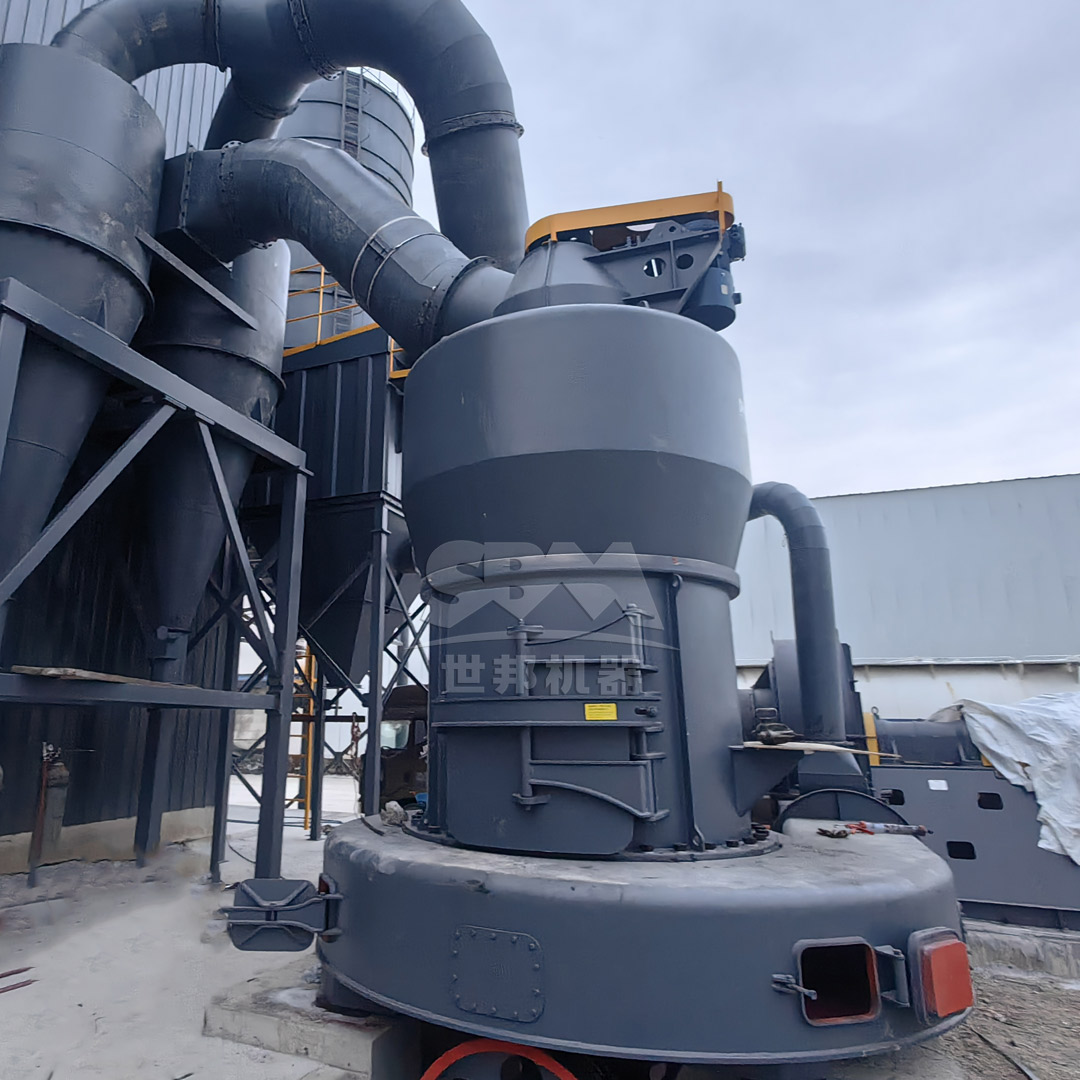
When ultra-fine products are required, particularly in the 325-2500 mesh range (45-5μm), specialized equipment becomes necessary. The SCM Ultrafine Mill stands out in this category, featuring advanced vertical turbine classifiers that enable precise particle size control down to 5μm. This mill’s unique grinding chamber design and efficient classification system make it ideal for producing high-value pyrophyllite powders for premium applications.
Material Characteristics and Feed Size
Understanding your raw pyrophyllite material properties is essential for proper mill selection. Key material characteristics include:
- Initial Feed Size: The maximum particle size of your raw material determines the preliminary crushing requirements and influences mill selection. Mills like the MTW Series accept feed sizes up to 50mm, reducing the need for extensive pre-crushing.
- Hardness and Abrasiveness: Although pyrophyllite is relatively soft, its abrasive nature can affect wear part longevity. Mills with specialized wear-resistant materials, such as the SCM Ultrafine Mill’s specially treated rollers and grinding rings, offer extended service life.
- Moisture Content: Depending on your pyrophyllite source, moisture content can vary significantly. Some mills incorporate drying capabilities, while others require pre-drying of the material.
- Chemical Composition: Variations in pyrophyllite composition may affect grindability and require specific mill materials to prevent contamination.
Energy Efficiency and Operating Costs
Grinding operations typically account for a significant portion of overall production costs, with energy consumption being the primary contributor. Modern grinding mills incorporate various technologies to optimize energy efficiency.
The SCM Ultrafine Mill demonstrates remarkable energy efficiency, consuming 30% less power compared to traditional jet mills while delivering twice the production capacity. This efficiency stems from its optimized grinding mechanism and intelligent control system that automatically adjusts operational parameters based on real-time feedback.
Vertical roller mills also offer substantial energy savings, typically 30-40% lower than traditional ball mill systems. Their efficient grinding principle, which utilizes pressure rather than impact, contributes significantly to these savings.
Space Requirements and Installation Considerations
The physical footprint of grinding equipment varies considerably between mill types. Vertical mills generally offer space-saving advantages due to their compact, integrated design. The LM Series Vertical Roller Mill, for instance, reduces the required floor space by approximately 50% compared to traditional grinding systems.
Installation requirements also differ significantly. While some mills require substantial foundation work and dedicated buildings, others feature modular designs that simplify installation. The MTW Series Trapezium Mill’s integrated gearbox and compact base frame minimize installation complexity and costs.
Comparative Analysis of Mill Types for Pyrophyllite
Ultrafine Grinding Mills (SCM Series)
For applications requiring the finest pyrophyllite powders, ultrafine grinding mills represent the optimal solution. The SCM Ultrafine Mill series specifically addresses the challenges of producing consistent, high-quality ultrafine pyrophyllite powders.
Technical Advantages for Pyrophyllite Processing:
- High-Precision Classification: The vertical turbine classification system ensures precise particle size distribution without coarse particle contamination, critical for premium pyrophyllite applications.
- Enhanced Grinding Efficiency: The multi-layer grinding mechanism progressively reduces particle size, optimizing energy utilization and minimizing overgrinding.
- Durability: Specially engineered grinding components withstand the abrasive nature of pyrophyllite, extending service intervals and reducing maintenance costs.
- Environmental Compliance: Integrated pulse dust collection systems maintain workplace safety and environmental standards, with noise levels below 75dB.
The SCM series includes multiple models with capacities ranging from 0.5 to 25 tons per hour, making it suitable for various production scales. The SCM800 model, with its 75kW main motor and 0.5-4.5 ton/hour capacity, serves smaller operations perfectly, while the SCM1680 model meets the needs of large-scale producers with its 315kW power and 5-25 ton/hour capacity.
Trapezium Mills (MTW Series)
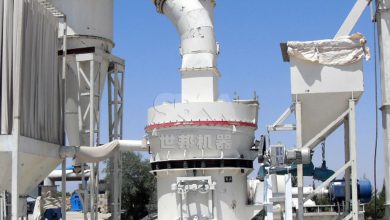
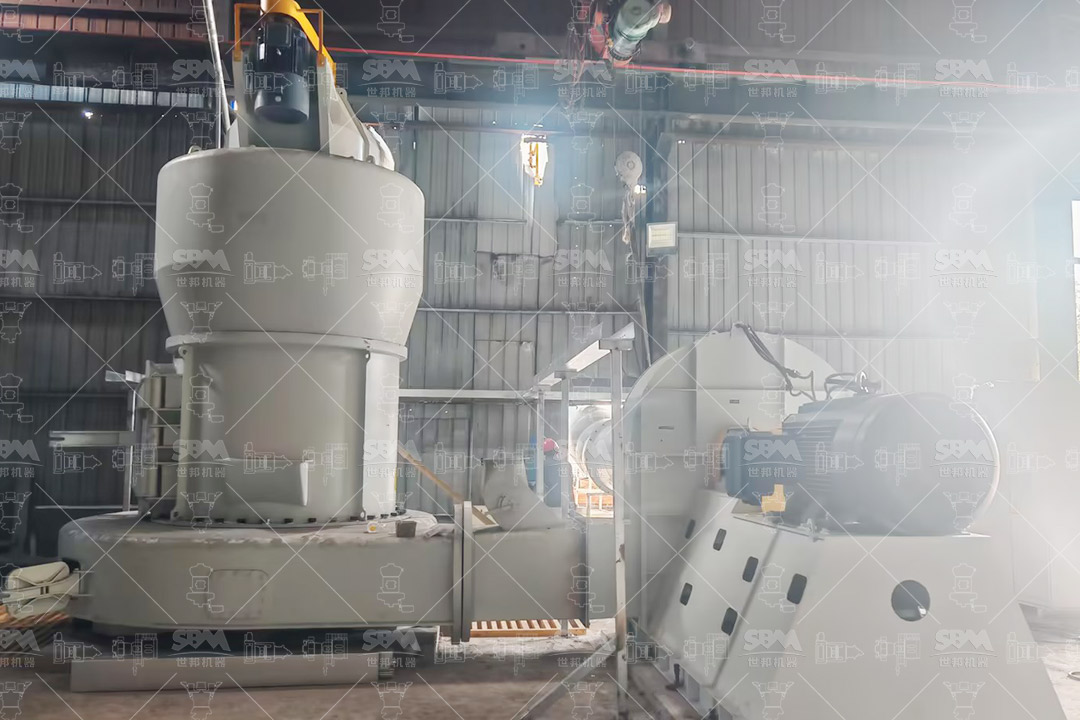
For general-purpose pyrophyllite grinding covering a wide fineness range, trapezium mills offer versatile and cost-effective solutions. The MTW Series Trapezium Mill combines robust construction with advanced technological features specifically beneficial for pyrophyllite processing.
Key Benefits for Pyrophyllite Applications:
- Wear-Resistant Design: The innovative curved shovel blade design and specially hardened grinding components provide extended service life when processing abrasive pyrophyllite materials.
- Optimized Airflow: The curved air channel design minimizes resistance and energy loss, enhancing overall system efficiency.
- High Transmission Efficiency: The integrated cone gear transmission system achieves up to 98% efficiency, reducing power consumption.
- Comprehensive System Integration: The mill includes integrated feeding, grinding, classification, and collection systems, simplifying operation and maintenance.
The MTW series offers models with capacities from 3 to 45 tons per hour, accommodating various production requirements. The MTW110 model serves smaller operations with its 3-9 ton/hour capacity, while the high-capacity MTW215G model handles 15-45 tons per hour for large-scale production facilities.
Vertical Roller Mills (LM Series)
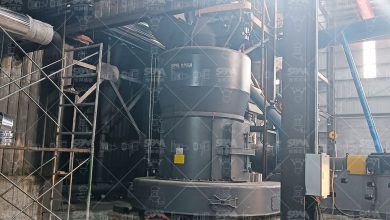
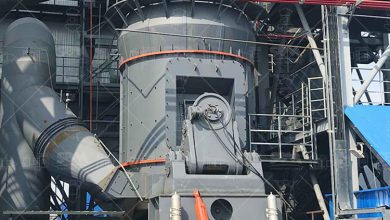
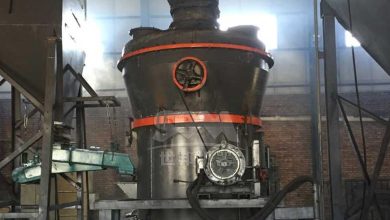
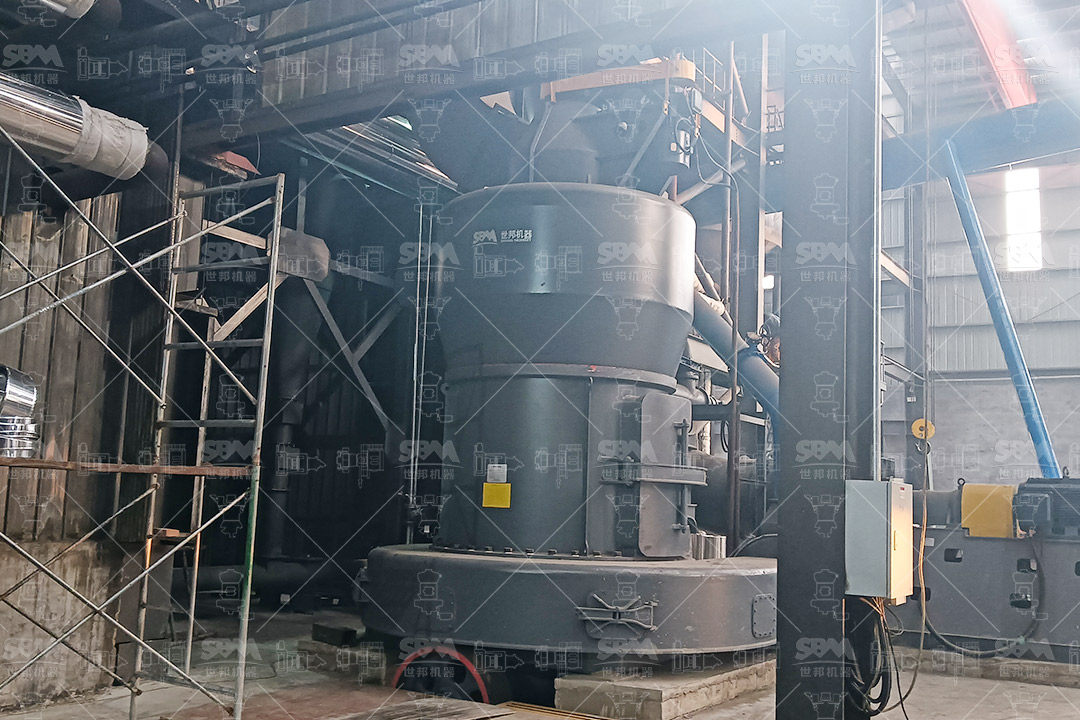
Vertical roller mills represent the pinnacle of efficiency and integration for medium to large-scale pyrophyllite grinding operations. The LM Series Vertical Roller Mill incorporates decades of technological advancement in vertical grinding technology.
Advantages for Pyrophyllite Processing:
- Space Optimization: The compact, integrated design reduces footprint requirements by up to 50% compared to traditional grinding systems.
- Low Operating Costs: The non-contact grinding principle and optimized wear part design extend component life and reduce specific energy consumption by 30-40%.
- Intelligent Control: Advanced automation systems enable precise control of grinding parameters, ensuring consistent product quality with minimal operator intervention.
- Environmental Performance: Fully sealed negative pressure operation maintains dust emissions below 20mg/m³, exceeding environmental standards.
The LM series includes specialized variants optimized for different applications, including mineral grinding, slag processing, and ultra-fine powder production. This versatility makes vertical roller mills suitable for diverse pyrophyllite processing requirements.
Integrated Grinding Solutions and System Design
Beyond selecting the appropriate grinding mill, a comprehensive approach to system design ensures optimal pyrophyllite processing performance. Complete grinding systems typically include several integrated components:
Feeding and Pre-Crushing Systems
Consistent and controlled feeding is essential for stable mill operation. Various feeding devices, including electromagnetic vibrating feeders and belt feeders, maintain optimal material flow to the grinding chamber. For larger raw material sizes, preliminary crushing using jaw crushers or hammer mills may be necessary to achieve the required feed size for the main grinding mill.
Classification and Collection Systems
Efficient classification ensures precise control over product fineness. Modern grinding mills incorporate advanced classifier designs that enable real-time adjustment of cut points. Collection systems, including cyclone separators and baghouse filters, efficiently separate the final product from the transport air while maintaining environmental compliance.
Automation and Control Systems
Modern grinding mills feature sophisticated control systems that optimize operation parameters based on real-time feedback. These systems monitor critical parameters including motor load, temperature, pressure differentials, and product fineness, automatically adjusting operational settings to maintain optimal performance.
Case Study: Optimizing Pyrophyllite Production
A practical example illustrates the importance of proper mill selection. A ceramic manufacturer requiring 8 tons per hour of pyrophyllite powder at 800 mesh initially considered multiple grinding technologies. After comprehensive evaluation of capital investment, operating costs, product quality requirements, and space constraints, they selected the SCM1000 Ultrafine Mill.
The results demonstrated significant improvements:
- Energy consumption reduced by 35% compared to their previous grinding system
- Product consistency improved, with 98% of particles within the target size range
- Maintenance intervals extended from 500 to 1500 operating hours
- Overall production costs decreased by 28% despite increased capacity
This case highlights how strategic mill selection directly impacts operational efficiency and profitability.
Maintenance and Operational Considerations
Proper maintenance practices significantly impact the long-term performance and reliability of pyrophyllite grinding mills. Key maintenance considerations include:
Wear Part Management
Grinding components experience continuous wear when processing abrasive materials like pyrophyllite. Implementing a systematic wear monitoring and replacement program ensures consistent product quality and prevents unexpected downtime. The SCM Ultrafine Mill’s specially hardened grinding rollers and rings typically provide 2-3 times longer service life compared to standard components.
Preventive Maintenance Scheduling
Regular inspection and maintenance of critical components including classifiers, bearings, and transmission systems prevent catastrophic failures. Modern mills feature condition monitoring systems that facilitate predictive maintenance, further enhancing reliability.
Operational Training
Well-trained operators significantly impact mill performance and longevity. Comprehensive training covering normal operation, troubleshooting, and basic maintenance procedures ensures optimal system utilization.
Future Trends in Pyrophyllite Grinding Technology
The evolution of grinding technology continues to address the changing demands of pyrophyllite processing. Emerging trends include:
- Intelligent Optimization: Advanced control systems incorporating artificial intelligence and machine learning algorithms continuously optimize grinding parameters for maximum efficiency.
- Hybrid Grinding Systems: Combining multiple grinding principles in single units to achieve superior performance across broader fineness ranges.
- Enhanced Material Science: Development of advanced materials for grinding components that further extend service life in abrasive applications.
- Sustainability Focus: Increased emphasis on energy recovery, reduced water consumption, and minimized environmental impact.
Conclusion
Selecting the appropriate grinding mill for pyrophyllite processing requires careful consideration of multiple factors including production capacity, product fineness requirements, material characteristics, and economic constraints. The SCM Ultrafine Mill series excels in applications demanding the finest powders, while the MTW Trapezium Mill provides versatile solutions for broader fineness ranges. Vertical roller mills offer superior efficiency for large-scale operations.
By thoroughly evaluating your specific requirements against the capabilities of available grinding technologies, you can identify the optimal solution that balances performance, operating costs, and capital investment. Consulting with experienced grinding specialists during the selection process ensures that all relevant factors receive proper consideration, leading to a grinding system that delivers long-term reliability and profitability for your pyrophyllite processing operations.