How to Choose the Right Putty Powder Grinding Mill Production Line?
Introduction: The Critical Role of Grinding in Putty Powder Production
Putty powder, a fundamental material in construction and decoration, demands precise particle size distribution, high whiteness, and excellent chemical stability. The quality of the final product is intrinsically linked to the performance of the grinding mill at the heart of the production line. Selecting the appropriate grinding mill is not merely an equipment purchase; it is a strategic decision impacting product quality, production efficiency, operational costs, and long-term profitability. This comprehensive guide will navigate you through the key factors to consider when choosing the right putty powder grinding mill production line, ensuring your investment delivers optimal returns.
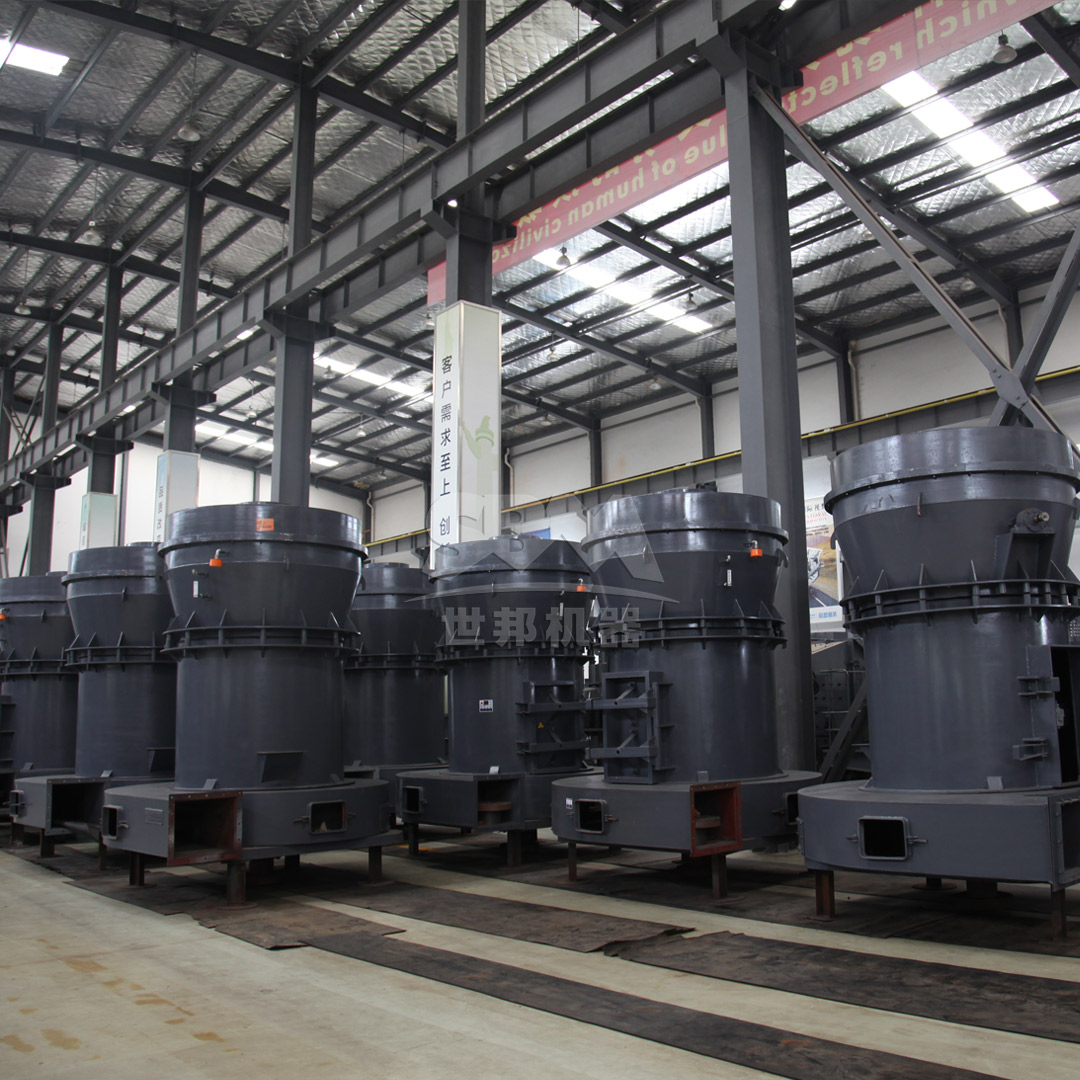
Key Factors to Consider When Selecting a Grinding Mill
1. Required Fineness and Particle Size Distribution
The fineness of putty powder directly affects its workability, adhesion, smoothness, and final coating quality. Common requirements range from 200 mesh to 800 mesh (approximately 74 to 18 microns).
- Standard Putty: Typically requires 200-325 mesh fineness.
- Fine Putty/Finish Coat: Often demands 400-800 mesh or finer for a superior smooth finish.
- Uniformity: A narrow particle size distribution is crucial. A mill with a high-precision classifier ensures no coarse particles are present, which can cause scratches and poor surface leveling.
2. Production Capacity and Scalability
Your mill’s capacity must align with both current demand and future growth projections.
- Calculate Hourly/Daily Needs: Base this on your market demand and plant operation schedule.
- Consider Upstream & Downstream Equipment: Ensure the mill’s throughput matches your feeding system and packaging line capacity.
- Scalability: Can the system be easily upgraded? Choosing a modular design or a model within a series that offers larger capacities can facilitate future expansion.
3. Energy Consumption and Operational Costs
Grinding is an energy-intensive process. The mill’s efficiency is a primary determinant of your long-term operational expenditure (OPEX).
- Specific Energy Consumption (kWh/ton): Compare this metric across different mill technologies. Modern roller mills typically offer 30-50% lower energy consumption compared to traditional ball mills for achieving similar fineness.
- Wear Part Life: The durability of grinding rollers, rings, and liners significantly impacts maintenance frequency and cost. Look for mills using special alloy materials or innovative designs that extend service life.
4. System Integration and Footprint
A production line is more than just a mill. Consider the complete system.
- Integrated Design: Some mills integrate crushing, grinding, drying, classifying, and conveying into a single, compact unit, drastically reducing floor space and civil engineering costs.
- Dust Collection & Environmental Compliance: The mill must be paired with an efficient pulse-jet dust collector (>99.9% efficiency) to meet workplace safety and environmental emission standards. A fully sealed, negative-pressure design is ideal.
- Automation & Control: An intelligent control system allows for stable operation, consistent product quality, and reduced manual labor. Features like automatic finished product granularity feedback are highly valuable.
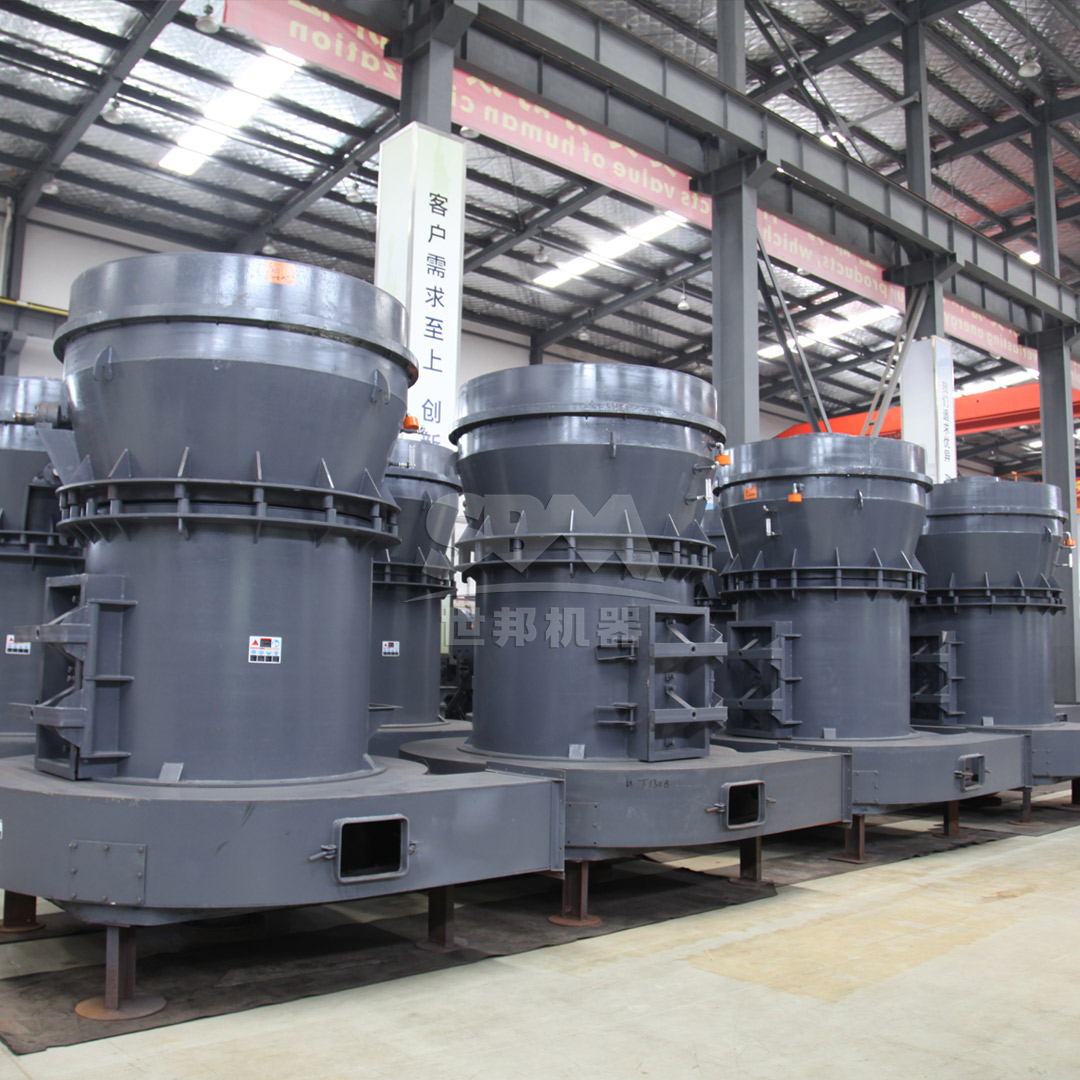
Analysis of Common Grinding Mill Types for Putty Powder
Raymond Mill (Traditional Pendulum Mill)
Suitable for coarse to medium grinding (30-325 mesh). It’s a proven technology with relatively low initial investment but generally higher energy consumption and lower efficiency for fine powder production compared to newer designs.
Ball Mill
Capable of producing a wide range of fineness (0.074-0.8mm) and can be used for wet or dry grinding. However, for dry putty powder production, it suffers from high energy consumption, significant heat generation (which can affect material properties), large footprint, and high noise levels.
Vertical Roller Mill (VRM)
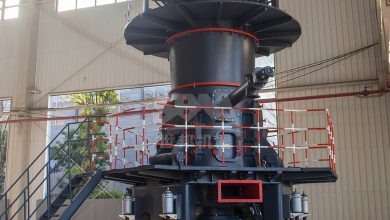
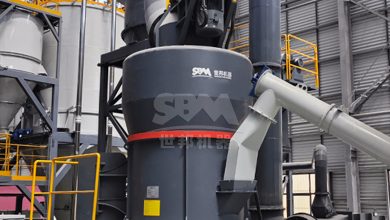
This has become the industry standard for medium to large-scale putty powder production. It grinds material between a rotating table and rollers. Advantages include high grinding efficiency, lower energy consumption, integrated drying of moist materials, and excellent particle size control with an integrated dynamic classifier.
Ultrafine Grinding Mill
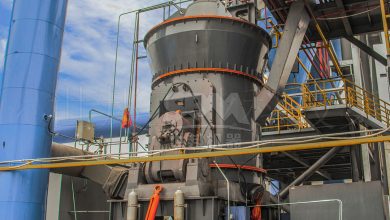
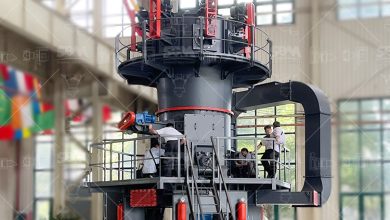
Specifically designed for producing powders in the 325-2500 mesh range. It utilizes a combination of roller pressure and multiple layers of grinding rings to achieve extremely fine and uniform products. It is the preferred choice for high-end, fine-grade putty powders.
Recommended Solutions: Matching Our Technology to Your Needs
Based on the critical factors outlined above, we recommend two of our flagship products, each excelling in different segments of the putty powder market.
For High-Capacity, Cost-Effective Production (325-400 Mesh): The MTW Series European Trapezium Mill
When your primary focus is on producing large volumes of standard to fine putty powder with exceptional operational economy, the MTW Series European Trapezium Mill is the ideal workhorse.
- Optimal Fineness Range: Perfectly suited for 30-325 mesh output, covering all standard putty requirements.
- High Capacity & Efficiency: With capacities from 3 to 45 tons per hour, it meets the demands of large-scale production. Its integral bevel gear drive achieves 98% transmission efficiency, directly translating to lower energy costs.
- Durability & Low Maintenance: The anti-wear shovel design and wear-resistant volute structure are engineered to reduce wear part consumption and maintenance costs by up to 30%.
- Intelligent System: Models like the MTW215G offer a complete system with high-capacity feeding, efficient grinding, precise classification (up to 325 mesh), and integrated dust collection, providing a one-stop solution for your production line.
For Premium, Ultrafine Putty Powder (400-2500 Mesh): The SCM Series Ultrafine Mill
To produce superior quality, ultra-smooth finish putty powders that command a premium in the market, the SCM Series Ultrafine Mill is the definitive technological choice.
- Unmatched Fineness: Specifically engineered to produce powders from 325 to 2500 mesh (5-45μm), enabling the production of the finest grade putty.
- High Precision Classification: Its advanced vertical turbine classifier ensures precise particle size cutting, guaranteeing a uniform product with no coarse powder mixing. This is critical for achieving a flawless surface finish.
- Superior Efficiency: Despite its ultrafine capabilities, it is designed to be highly energy-efficient, consuming 30% less energy than traditional jet mills while offering double the capacity.
- Robust and Eco-friendly: Built with special material rollers and rings for extended service life and featuring a pulse dust collection system exceeding international standards, it ensures reliable and clean operation. The SCM1250 model, for example, is an excellent choice for mid-to-large scale ultrafine putty production with a capacity of 2.5-14 t/h.
Conclusion: Making an Informed Investment
Choosing the right putty powder grinding mill production line is a multifaceted decision. By thoroughly evaluating your target product fineness, required capacity, total cost of ownership, and plant constraints, you can narrow down the technology options. For robust, high-volume production of standard putty, the MTW European Trapezium Mill offers unbeatable efficiency and durability. For venturing into the high-value segment of ultrafine, premium putty, the SCM Ultrafine Mill provides the necessary precision and performance. We recommend consulting with our technical experts to analyze your specific raw materials and production goals, ensuring the selected system is perfectly tailored for your long-term success in the competitive putty powder market.