How to Choose the Right Lithium Spodumene Grinding Mill for Producing Lithium Concentrate Powder
Introduction
The global transition to clean energy has placed lithium at the forefront of critical minerals. Lithium concentrate powder, primarily derived from spodumene ore, is the essential feedstock for lithium carbonate and hydroxide production. The efficiency, cost, and quality of this powder are fundamentally determined by the grinding process. Selecting the optimal grinding mill is not merely an equipment choice; it is a strategic decision impacting operational profitability, product marketability, and environmental compliance. This guide provides a comprehensive framework for evaluating and selecting the right grinding solution for your lithium spodumene operation.
Understanding Lithium Spodumene and Grinding Challenges
Spodumene (LiAlSi2O6) is a hard, abrasive pegmatite mineral. Its grinding presents unique challenges:
- Abrasiveness: High quartz content leads to severe wear on grinding media and liners.
- Liberation Characteristics: Efficient grinding is required to liberate lithium-bearing minerals from gangue without over-grinding, which wastes energy and creates problematic ultra-fines.
- Target Fineness: Downstream hydrometallurgical processes (e.g., sulfuric acid roasting) often require a specific, consistently fine particle size distribution (PSD) for optimal chemical reactivity.
- Energy Intensity: Commitution is one of the most energy-intensive stages in lithium processing, making energy efficiency paramount.
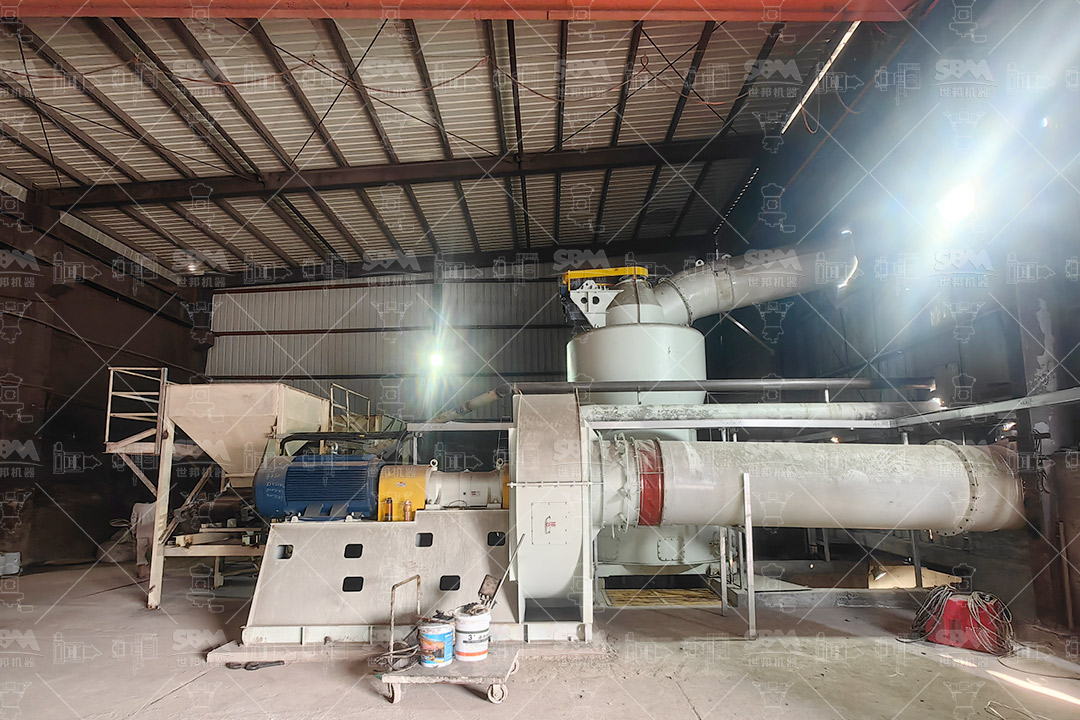
Key Selection Criteria for a Spodumene Grinding Mill
1. Required Product Fineness and Particle Size Distribution (PSD)
The target PSD for lithium concentrate powder is typically in the range of 30 mesh (600μm) to 325 mesh (45μm) for coarse concentrate, and can extend into the ultra-fine range (below 45μm/325 mesh) for direct leaching or specialty applications. The mill must reliably and consistently achieve this target with a narrow PSD to maximize recovery and process efficiency.
2. Capacity and Scalability
Match the mill’s throughput (tons per hour) to your plant’s design capacity, considering both current needs and future expansion. The system should operate stably at the designed capacity without being consistently over-loaded or under-utilized.
3. Energy Efficiency and Operating Costs
With grinding accounting for a significant portion of OPEX, the specific energy consumption (kWh/ton) is a critical metric. Modern mills with advanced grinding principles and classification systems offer substantial savings over traditional technologies.
4. Wear Resistance and Maintenance
Given spodumene’s abrasiveness, the mill’s design must prioritize wear protection. Key components like rollers, grinding rings/tables, and classifiers should be made from specialized, hardened materials or feature designs that extend service life and simplify maintenance.
5. Classification System Integration
A precise, internal or external classifier is non-negotiable. It ensures only product-sized particles leave the grinding chamber, returning coarse material for further size reduction. This closed-circuit operation improves efficiency and controls the top-size of the final product.
6. Environmental and Operational Footprint
Consider dust control (sealed systems with efficient baghouses), noise levels, and the physical footprint of the mill system. Modern designs favor compact, integrated systems with full negative pressure operation to meet stringent environmental standards.
Overview of Mill Technologies for Lithium Spodumene
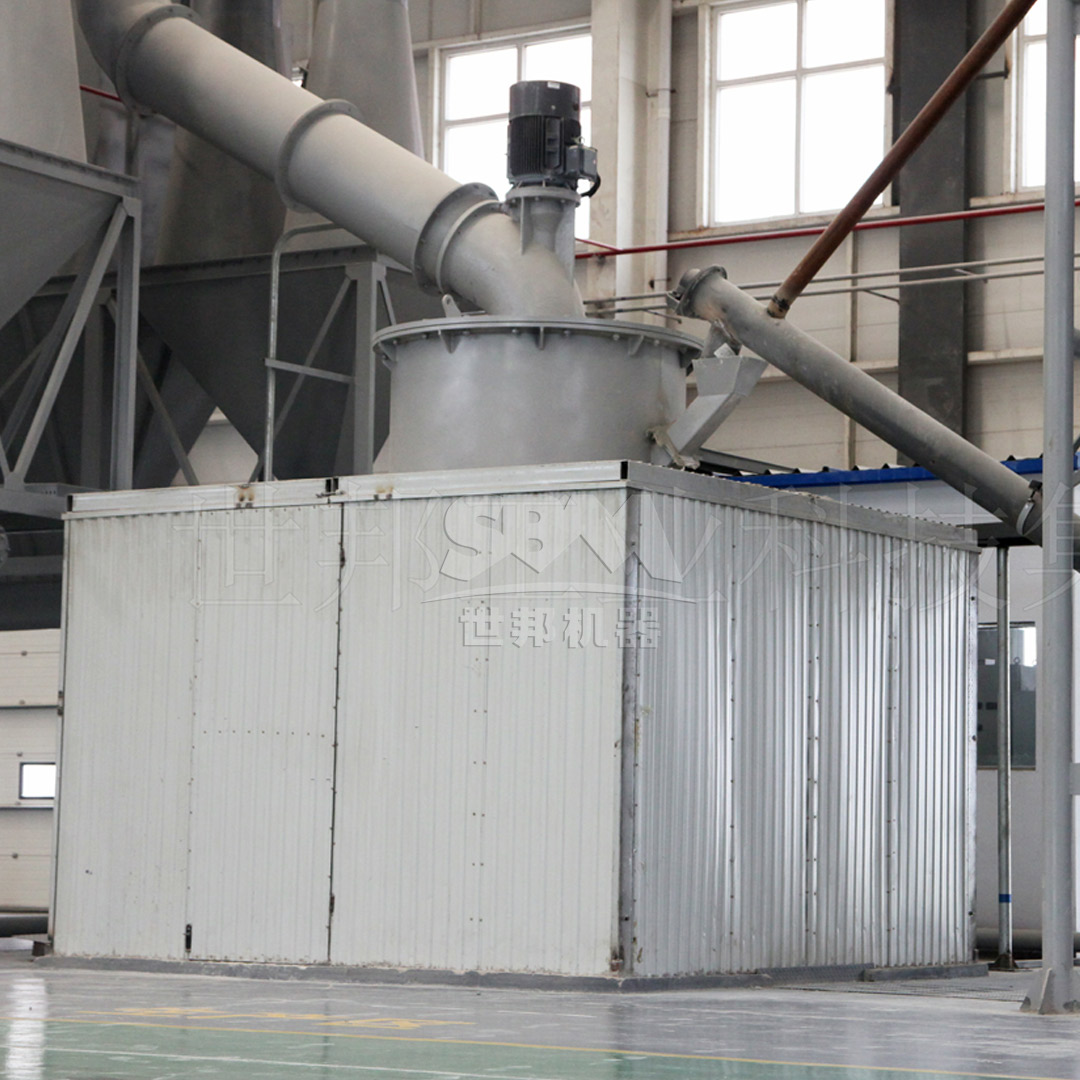
Ball Mill (Traditional Workhorse)
Ball mills are robust and well-understood. They operate via impact and attrition as grinding media (steel balls) cascade inside a rotating shell. While versatile and capable of high capacities, they are generally less energy-efficient for fine grinding compared to newer technologies and suffer from higher media and liner wear with abrasive materials like spodumene.
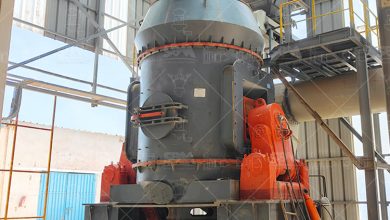
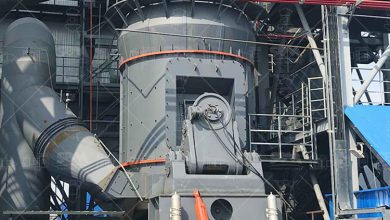
Vertical Roller Mill (VRM) – The Modern Standard
VRMs have become the preferred choice for primary and secondary grinding of minerals. Material is ground between rotating rollers and a stationary grinding table. Their advantages for spodumene include:
- Superior Energy Efficiency: 30-50% lower specific energy consumption than ball mills due to the bed-compression grinding principle.
- Excellent Wear Performance: Non-contact design between rollers and table, combined with high-chrome or ceramic wear parts, drastically reduces wear rates.
- Integrated Drying: Can utilize hot gas for simultaneous grinding and drying of feed material.
- Compact Design: Integrates crushing, grinding, drying, and classification in a single unit.
Ultrafine Grinding Mills (For Specialty Concentrates)
For applications demanding ultra-fine lithium powder (e.g., <10μm), specialized mills like stirred media mills or advanced pendulum mills are used. These are typically deployed after primary grinding to achieve the final, very fine PSD required for certain chemical processes.
Recommended Solutions for Lithium Spodumene Grinding
Based on the core challenges of abrasiveness, energy cost, and the need for precise fineness control, two of our mill series stand out as optimal solutions for lithium concentrate production.
Primary & Secondary Grinding: The MTW Series European Trapezium Mill
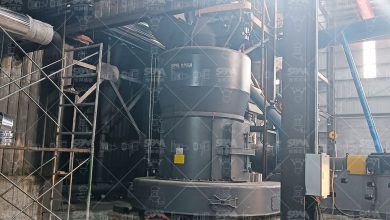
For producing lithium concentrate powder in the 30-325 mesh (600-45μm) range, the MTW Series European Trapezium Mill is an exceptionally robust and efficient choice. Its design directly addresses the needs of hard, abrasive ore processing:
- Anti-Wear Design: The patented combined shovel blade and curved roller design significantly extends the life of wear parts, directly combating spodumene’s abrasiveness and reducing maintenance downtime.
- High Efficiency & Capacity: With an integral bevel gear drive boasting 98% transmission efficiency and an optimized arc air duct, it delivers high throughput (3-45 TPH) with lower energy loss. Models like the MTW215G can handle up to 45 TPH, making it suitable for large-scale operations.
- Precise Classification: Its wear-resistant volute and efficient classifier ensure a consistent, narrow particle size distribution, which is critical for downstream lithium extraction yields.
This mill is ideal for the main grinding circuit, transforming crushed spodumene into a well-liberated, consistently-sized concentrate powder ready for further processing.
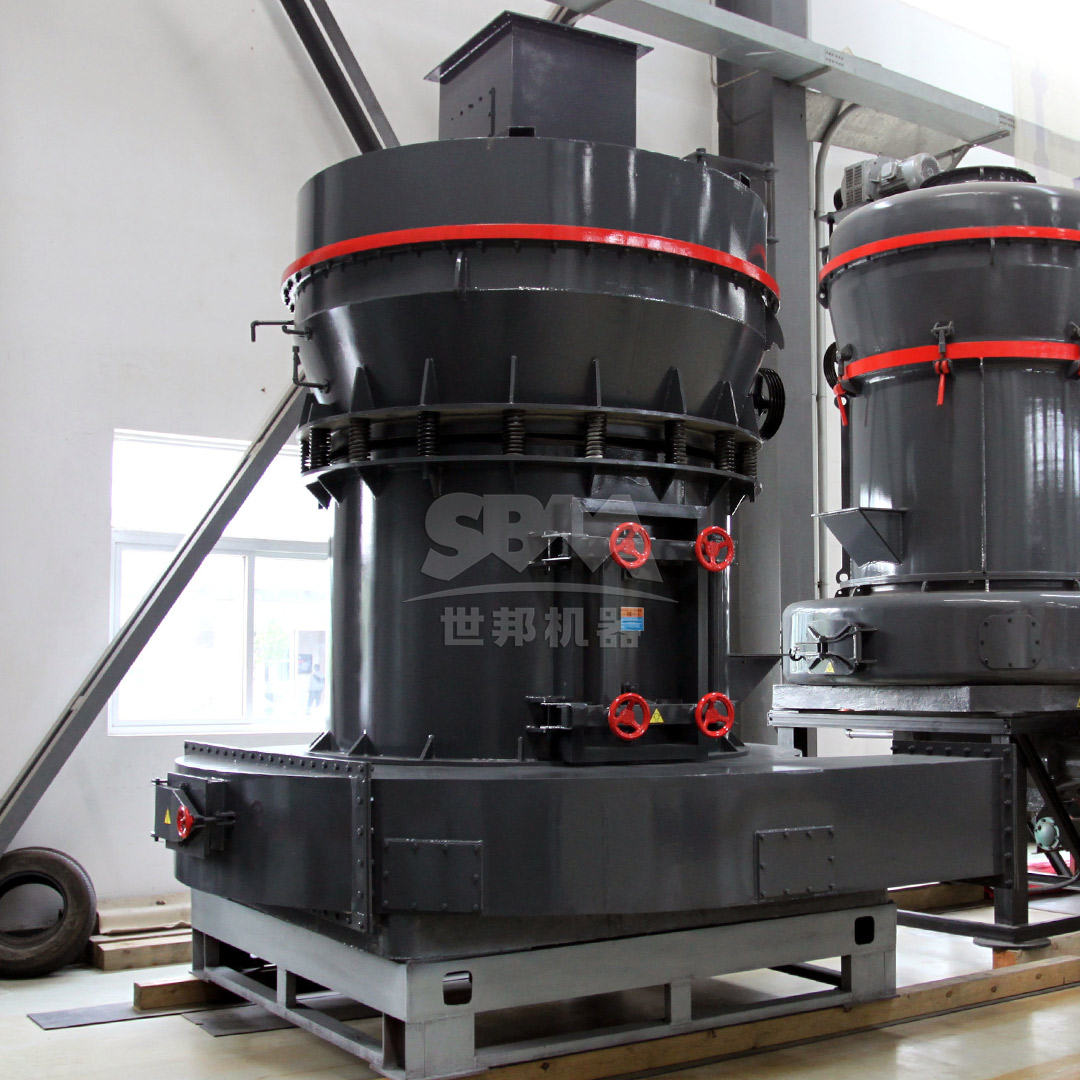
For Ultra-Fine & High-Purity Requirements: The SCM Series Ultrafine Mill
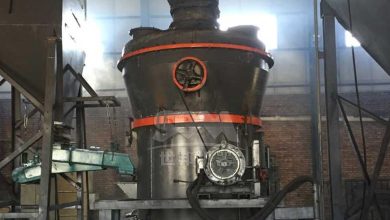
When the process demands lithium concentrate powder in the ultra-fine spectrum (325-2500 mesh / 45-5μm), the SCM Series Ultrafine Mill is the technology of choice. It excels in producing the high-surface-area powder needed for maximized chemical reactivity in advanced extraction methods.
- Ultra-Fine Grinding Capability: It reliably produces powder down to 5μm (2500 mesh), far surpassing the capacity of conventional mills.
- High-Precision Classification: Its vertical turbine classifier provides extremely sharp particle size cuts, eliminating coarse powder contamination and ensuring a uniform, high-purity product. This is vital for consistent batch quality in lithium chemical plants.
- Energy Efficient for its Class: Offering twice the capacity of traditional jet mills with 30% lower energy consumption, it provides a cost-effective route to ultra-fine powders.
- Durable & Clean: Special material rollers and rings withstand prolonged operation, while its pulse dust collection system ensures a clean working environment, protecting both the product and the plant.
A model like the SCM1250, with a capacity of 2.5-14 TPH, is perfectly scaled for dedicated ultra-fine lithium concentrate production lines.
Conclusion
Selecting the right grinding mill for lithium spodumene is a critical investment that dictates long-term operational success. By carefully evaluating your target product specifications, capacity needs, and total cost of ownership, you can move beyond traditional options. Technologies like the energy-efficient and wear-resistant MTW Series European Trapezium Mill for standard concentrate production, and the high-precision SCM Series Ultrafine Mill for specialty ultra-fine powders, represent the modern, optimized approach. Partnering with a supplier that offers these advanced, purpose-engineered solutions ensures your lithium processing plant is built on a foundation of efficiency, reliability, and quality.