How to Choose the Right Limestone Grinding System Solution?
Introduction
Limestone is a fundamental raw material for numerous industries, including construction, agriculture, chemicals, and environmental protection. The selection of an appropriate grinding system is critical for achieving the desired product quality, optimizing production costs, and ensuring operational efficiency. This guide provides a comprehensive framework for evaluating and selecting the optimal limestone grinding solution, focusing on key technical and economic factors.
1. Defining Your Application Requirements
The first and most crucial step is to clearly define the end-use of the ground limestone. Different applications demand vastly different particle characteristics.
- Fineness (Particle Size Distribution): This is the primary determinant. Coarse fillers for asphalt or concrete may require 30-100 mesh (600-150μm). Paint, plastics, and paper coatings often need fine powders ranging from 200 to 400 mesh (74-38μm). High-value applications like pharmaceuticals, advanced polymers, or high-performance sealants demand ultra-fine or even nano-sized particles below 10μm (over 1250 mesh).
- Production Capacity (Ton/Hour): Define your required average and peak throughput. This directly influences the size and type of equipment.
- Product Purity & Contamination: Some processes are sensitive to iron contamination from grinding media wear. The system’s ability to handle moisture in the feed material is also vital.
- System Integration: Consider whether the grinder needs to be part of a complete processing line including drying, classifying, and packaging.
2. Understanding Grinding Technology Options
Several grinding technologies are available, each with its strengths and optimal operating range.
- Ball Mills: A traditional, versatile technology suitable for both coarse and fine grinding. They are robust and can handle wet or dry grinding. However, they are generally less energy-efficient for producing fine powders, have higher wear rates, and produce a broader particle size distribution.
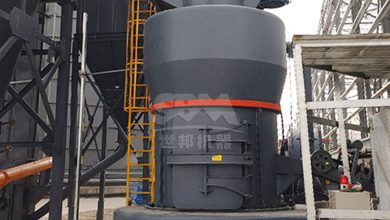
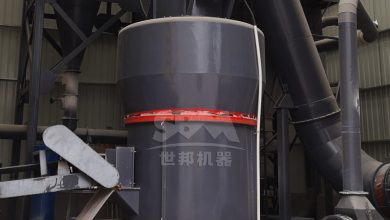
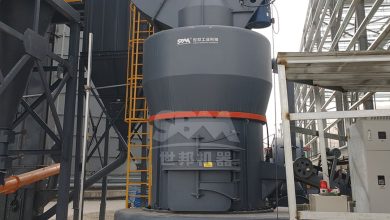
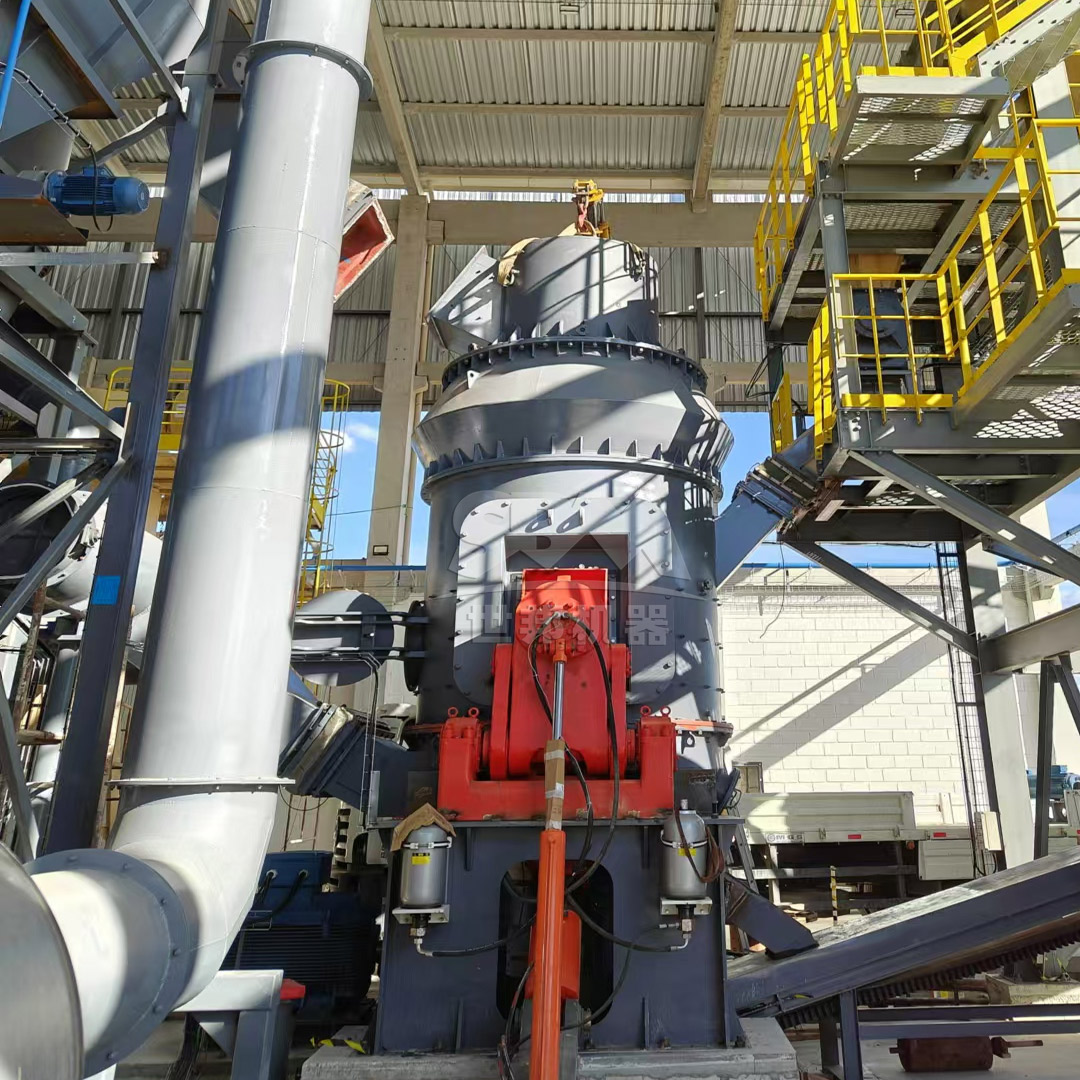
- Vertical Roller Mills (VRM): Such as the LM Series Vertical Roller Mill, are highly efficient for medium to large-scale production of medium-fine powders (30-325 mesh). Their key advantages include integrated drying, grinding, and classifying in a single unit, significantly lower energy consumption (30-40% less than ball mills), and a compact footprint. They are ideal for producing limestone for cement, power plant desulfurization, and soil stabilization.
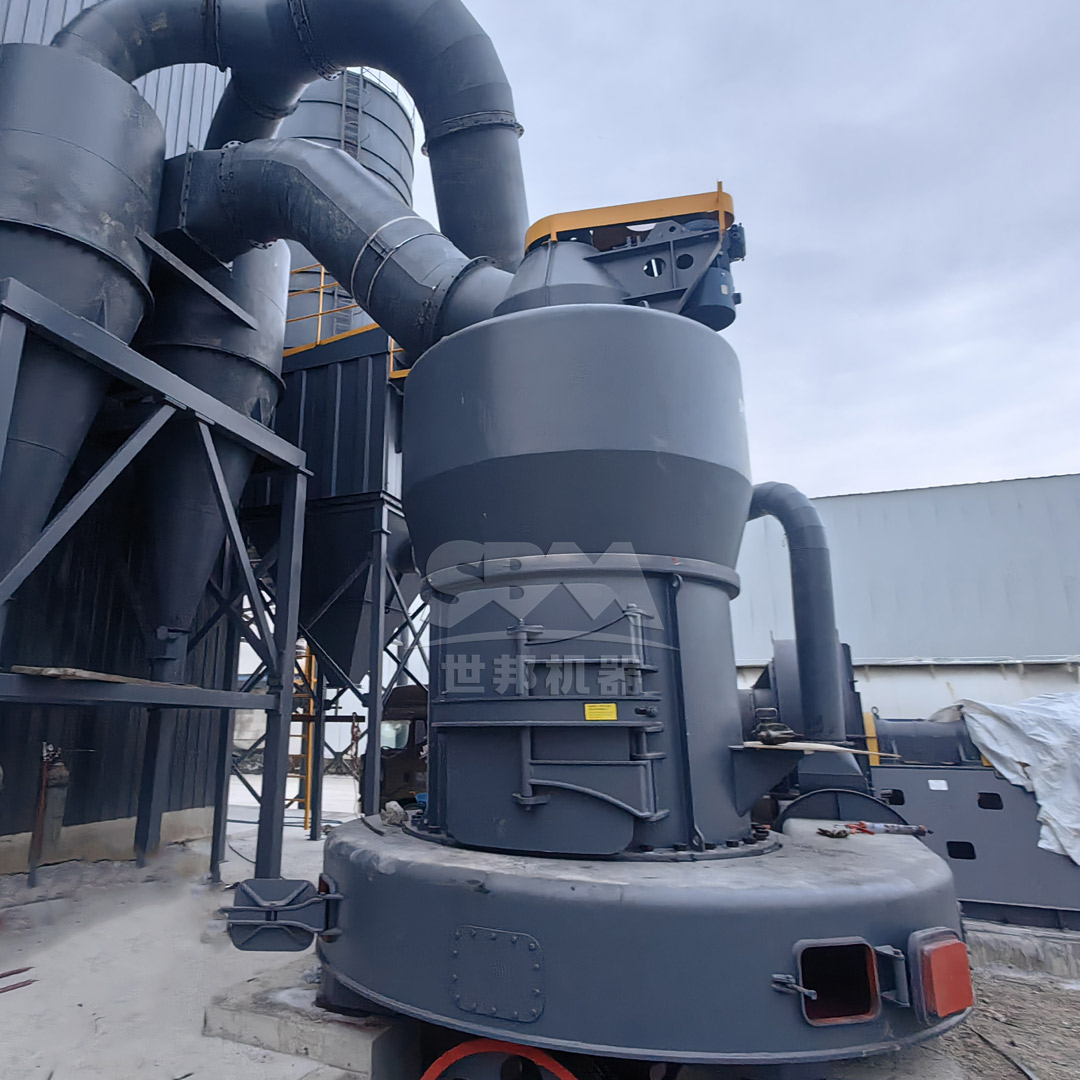
- Raymond Mills / Pendulum Mills: Technologies like the MTW Series European Trapezium Mill are excellent for producing powders in the 30-325 mesh range. They offer reliable performance, relatively low capital cost, and ease of operation. Modern versions feature improved efficiency and wear resistance.
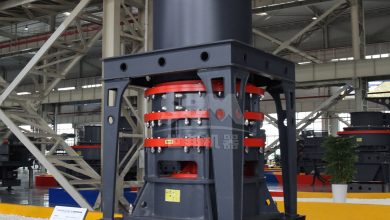
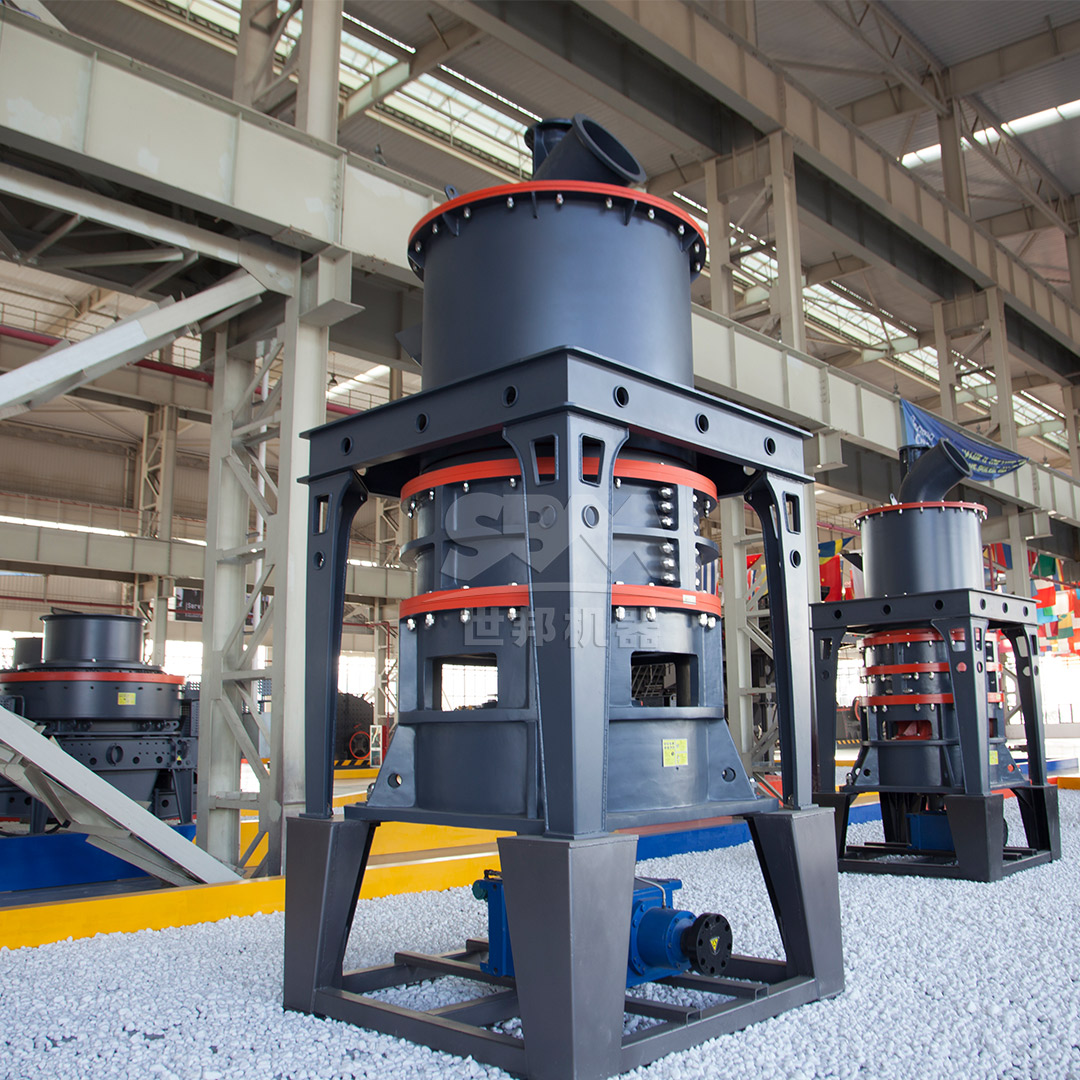
- Ultrafine Grinding Mills: For producing powders finer than 325 mesh (45μm) and into the micron/sub-micron range, specialized mills are required. The SCM Series Ultrafine Mill is a leading solution in this category. Utilizing a layered grinding principle with a high-precision vertical turbine classifier, it can achieve a fineness range of 325-2500 mesh (45-5μm D97). Its energy efficiency is notably high, offering approximately twice the capacity of a jet mill with 30% lower energy consumption, making it perfect for high-value-added limestone products.
3. Key Selection Criteria Beyond Fineness
Once the technology is shortlisted, evaluate these critical operational factors.
- Energy Efficiency: Power consumption is the largest operating cost. Compare the specific energy consumption (kWh/ton) for your target fineness. Vertical mills and modern ultrafine mills typically lead in efficiency.
- Wear Parts Life & Maintenance Cost: Investigate the material and design of grinding elements (rollers, rings, liners). Longer life reduces downtime and consumable costs. Look for features like easily replaceable roller assemblies.
- System Intelligence & Control: Modern mills with PLC-based control systems allow for stable operation, automatic adjustment to maintain product fineness, and remote monitoring, reducing labor and improving consistency.
- Environmental Compliance: The system must effectively contain dust. Look for integrated, high-efficiency pulse jet bag filters that ensure emissions are well below local standards (e.g., <20 mg/m³). Noise levels should also be considered, especially for installations near residential areas.
- Capital Expenditure (CAPEX) vs. Operational Expenditure (OPEX): While some technologies may have a higher initial cost, their superior energy efficiency and lower maintenance can result in a lower total cost of ownership over the equipment’s lifespan.
4. Spotlight on Recommended Solutions
Based on a broad spectrum of limestone grinding needs, two of our flagship products stand out for their performance and reliability.
For High-Capacity, Medium-Fine Grinding: MTW Series European Trapezium Mill
When your requirement is for high-volume production of limestone powder in the 30-325 mesh range for applications like power plant desulfurization, building materials, or industrial fillers, the MTW Series Trapezium Mill is an outstanding choice. Its curved air duct design minimizes flow resistance and energy loss. The innovative bevel gear integral transmission achieves up to 98% transmission efficiency, saving space and power. With models offering capacities from 3 to 45 tons per hour and handling feed sizes up to 50mm, it provides a robust and efficient solution for large-scale projects. Its wear-resistant volute structure and modular wear parts design contribute to low maintenance costs and high availability.
For Premium Ultra-Fine Products: SCM Series Ultrafine Mill
For producers targeting the high-end market requiring ultra-fine, high-purity limestone powder (325-2500 mesh / 45-5μm), the SCM Ultrafine Mill is the definitive technology. Its core strength lies in its high-precision vertical turbine classification system, which ensures a sharp particle cut and a uniform product without coarse grit contamination. The grinding mechanism, featuring multiple grinding rings and rollers, delivers exceptional efficiency. It boasts a capacity twice that of traditional jet mills while reducing energy consumption by 30%. Furthermore, its fully sealed design coupled with a high-efficiency pulse dust collector guarantees an environmentally clean operation with dust emissions surpassing international standards. Models are available from 0.5 to 25 tons per hour, making it scalable for various production needs.
5. The Selection Process: A Practical Checklist
- Gather Data: Define target fineness (D50, D97), required capacity, feed moisture, and product specifications.
- Technology Screening: Match your fineness/capacity needs to the appropriate technology type (e.g., VRM for 100 mesh at 50t/h, Ultrafine Mill for 800 mesh at 2t/h).
- Request Detailed Proposals: Contact suppliers with your data. Request flow sheets, detailed equipment specifications, and guaranteed performance metrics (tonnage, fineness, power draw).
- Evaluate Total Cost: Analyze the quotation for CAPEX, projected OPEX (power, wear parts, maintenance), and expected availability.
- Consider Support: Assess the supplier’s reputation, spare parts availability, and technical service support.
- Visit Reference Sites: If possible, visit existing installations running similar materials to see the equipment in operation.
Conclusion
Choosing the right limestone grinding system is a strategic decision that impacts product quality, profitability, and environmental footprint for years to come. There is no universal “best” solution; the optimal choice is the one that most precisely and economically meets your specific application requirements. By systematically analyzing your needs against the capabilities of modern grinding technologies—from the high-volume efficiency of the MTW Series Mill to the ultra-fine precision of the SCM Ultrafine Mill—you can make an informed investment that drives the success and competitiveness of your operation.