
How to Choose the Right Limestone Grinding Mill?
Introduction
Limestone is a fundamental raw material across numerous industries, from construction and agriculture to chemicals and environmental protection. The key to unlocking its value lies in efficient grinding to achieve the desired particle size and fineness. Selecting the appropriate limestone grinding mill is a critical decision that directly impacts production efficiency, product quality, energy consumption, and overall operational costs. This comprehensive guide will walk you through the essential factors to consider and introduce you to high-performance solutions tailored for your specific needs.
Key Factors in Selecting a Limestone Grinding Mill
1. Required Fineness and Particle Size Distribution
The target fineness is the primary driver in mill selection. Different applications demand vastly different particle sizes:
- Coarse Grinding (1-10mm): Used for agricultural lime, road base, or as a feed for other processes. Hammer mills or coarse ball mills are typically suitable.
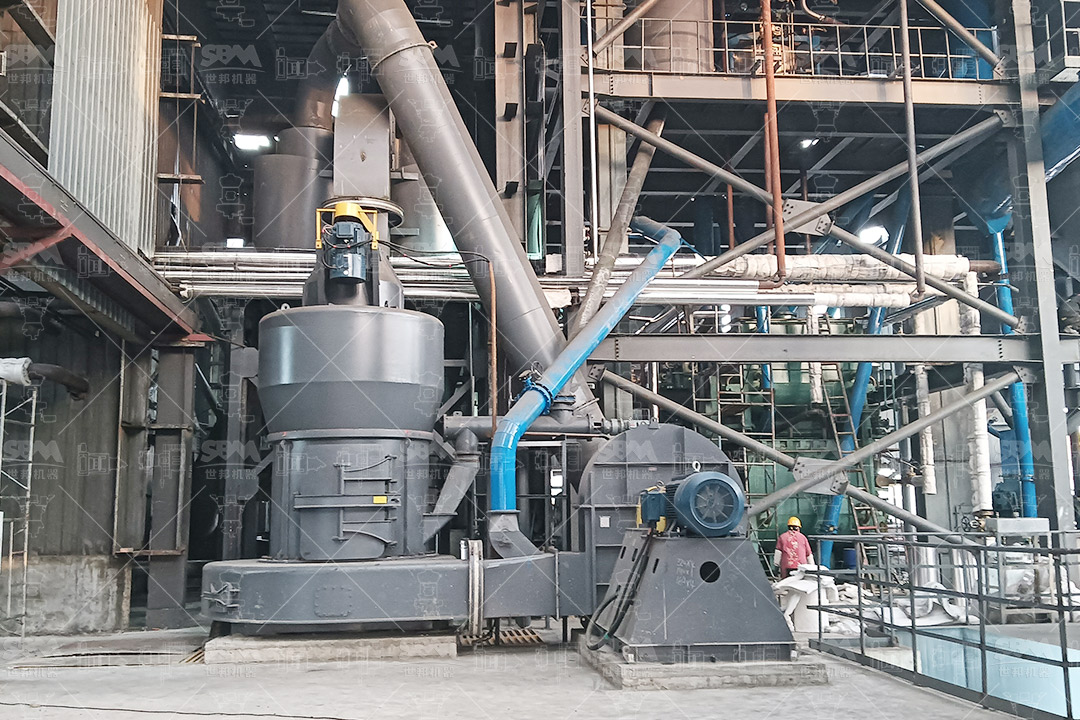
- Medium-Fine Grinding (45-600 mesh / 325-30μm): This range is crucial for fillers in plastics, paints, rubber, and desulfurization in power plants. Raymond mills (pendulum roller mills), vertical roller mills, and European trapezium mills excel here.
- Ultra-Fine Grinding (600-2500+ mesh / 20-5μm): Essential for high-value applications like high-grade paper coatings, premium plastics, adhesives, and pharmaceuticals. This requires specialized equipment like ultrafine vertical mills or SCM series ultrafine mills.
Beyond the top cut size, the particle size distribution (PSD) is vital. A narrow, consistent PSD often indicates superior product performance and requires a mill with a high-precision classification system.
2. Production Capacity Requirements
Your required hourly or annual throughput dictates the size and model of the mill. It’s essential to match the mill’s capacity to your project’s scale, with some room for future expansion. Consider not just the raw throughput but the capacity at your specific target fineness, as capacity decreases significantly when grinding finer.
3. Moisture Content and Material Characteristics
The physical properties of your limestone feed are crucial:
- Moisture: High moisture content (>5-10%) can cause clogging in dry grinding mills. For wet or damp materials, systems with hot air drying (like vertical roller mills) or wet grinding ball mills may be necessary.
- Hardness & Abrasiveness: Limestone is generally soft to medium-hard but can be abrasive. Mills must be constructed with wear-resistant materials in grinding zones (rollers, rings, liners) to ensure long service life and low maintenance costs.
- Feed Size: The maximum size of the raw limestone chunks determines the need for a pre-crushing stage. Ensure the mill’s inlet size matches your crusher’s output.
4. Energy Efficiency and Operating Costs
Grinding is an energy-intensive process. The specific energy consumption (kWh/ton) is a major component of operational expenditure. Modern mills like vertical roller mills and European-type mills are designed for significantly higher energy efficiency compared to traditional ball mills, especially for medium-fine grinding. Lower energy use also translates to a reduced carbon footprint.
5. Environmental and Space Considerations
Modern operations must comply with strict environmental regulations:
- Dust Control: The mill system must be equipped with an efficient pulse jet bag filter or other dust collection technology to achieve near-zero visible emissions.
- Noise Levels: Mills should operate within acceptable noise limits, often requiring soundproof enclosures or inherently low-noise designs.
- Footprint: Space constraints in existing plants favor compact, integrated designs. Vertical roller mills, for example, integrate multiple functions (grinding, drying, classifying) into a single, space-saving unit.
Overview of Common Limestone Grinding Mill Types
Ball Mill
A traditional and versatile workhorse, suitable for both wet and dry grinding. It offers a wide fineness range (0.074-0.8mm) and high reliability. However, it tends to have higher energy consumption, a larger footprint, and generates more heat and noise compared to newer technologies. Best for large-scale production where ultra-fineness is not required.
Raymond Mill (Pendulum Roller Mill)
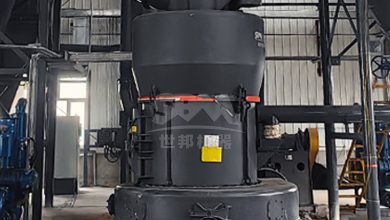
A classic choice for producing powder in the 30-325 mesh range. It’s known for its stable operation and relatively low investment cost. Modern iterations, like the MTM series, feature improved springs and sealing for better performance. It is well-suited for small to medium-scale projects requiring medium fineness.
Vertical Roller Mill (VRM)
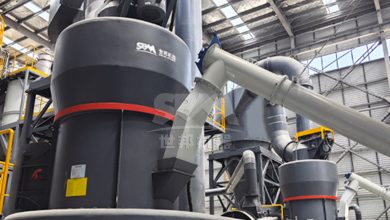
This represents a technological leap in dry grinding. VRMs integrate grinding, drying, classification, and conveying. Their advantages are profound: up to 30-50% lower energy consumption than ball mills, excellent drying capability for moist materials, a compact footprint, and lower noise. They are ideal for medium to large-scale production of medium-fine limestone powder (30-325 mesh).
European Trapezium Mill
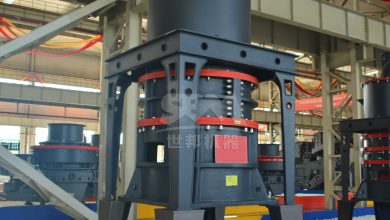
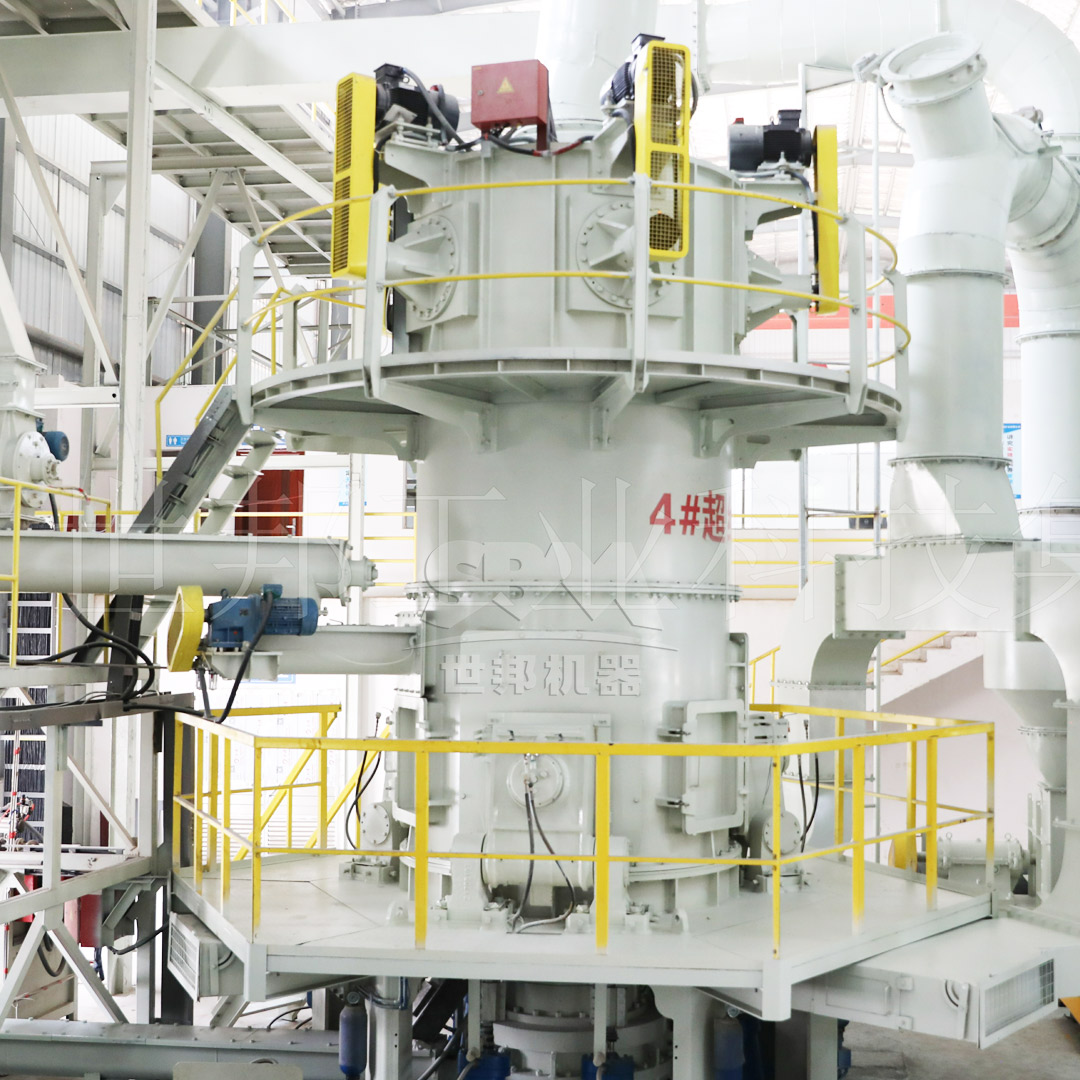
An evolved version of the traditional Raymond mill, incorporating advanced European engineering. It features technologies like conical rollers, curved shovel blades, and integral bevel gear drives for higher efficiency, capacity, and durability. It is a top-tier choice for producing 30-325 mesh powder with superior throughput and stability.
Ultrafine Grinding Mill
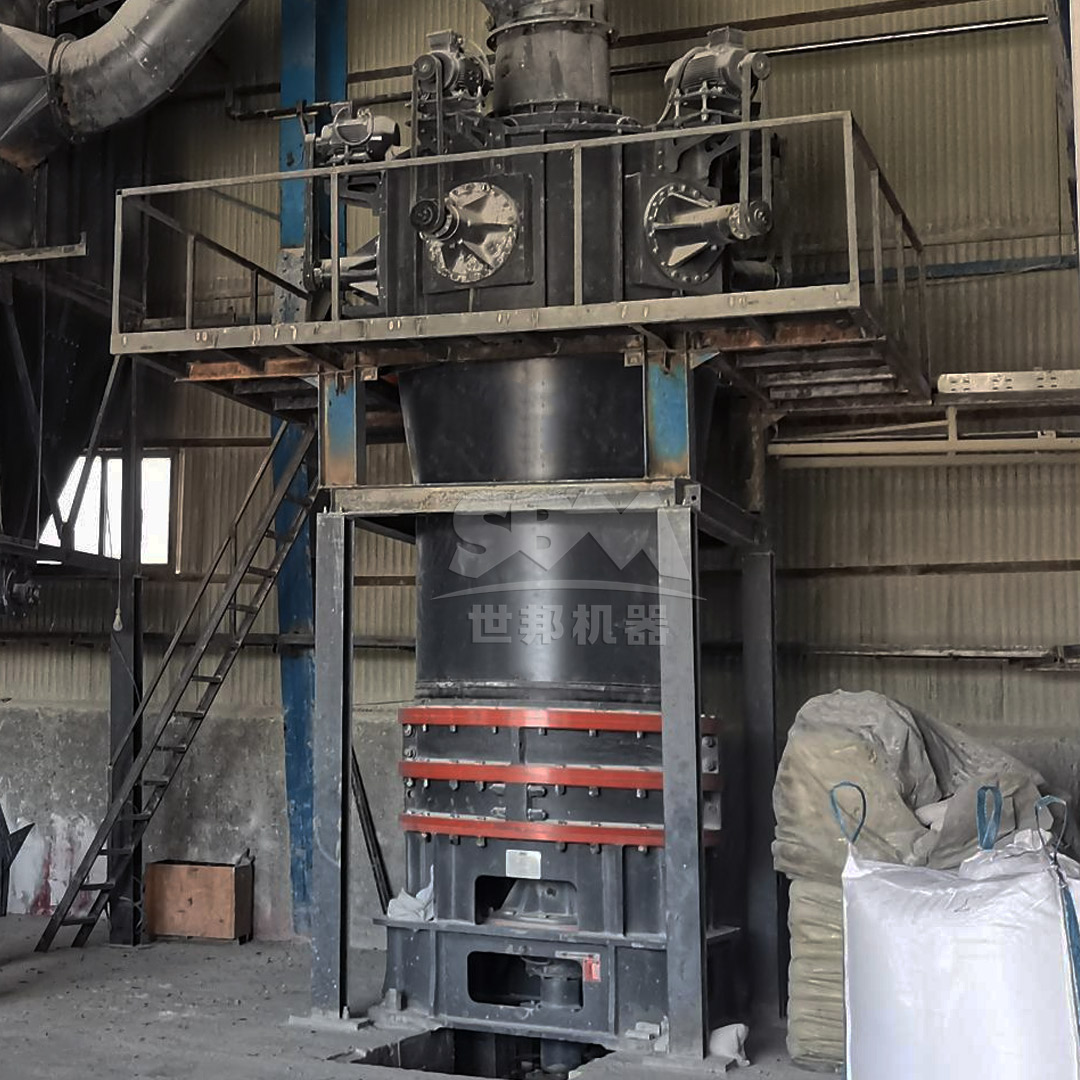
For producing superfine and ultrafine powders (325-2500 mesh), specialized mills are required. These mills, such as the SCM series, employ a layered grinding principle with high-precision turbine classifiers to achieve extremely fine and narrow particle distributions. They are essential for high-value-added limestone products.
Recommended Solutions for Specific Scenarios
Scenario 1: High-Capacity Production of 200-Mesh Filler
Challenge: A mining operation needs to produce 20 tons per hour of 200-mesh limestone filler for plastics, with strict control over particle size consistency and low energy costs.
Recommended Solution: The MTW Series European Trapezium Mill. This mill is engineered for precisely this application. Its optimized arc air duct and integral bevel gear drive ensure high transmission efficiency and energy savings. The wear-resistant volute structure and anti-wear shovel design drastically reduce maintenance downtime and costs, making it perfect for continuous, high-tonnage operations. With models like the MTW215G offering capacities up to 45 t/h, it can comfortably meet and exceed the production target while delivering a uniform, high-quality product.
Scenario 2: Ultra-Fine Powder for High-End Coatings
Challenge: A specialty chemicals company requires 2 tons per hour of 1250-mesh (10μm) limestone powder with a very tight particle size distribution for a premium paint formulation.
Recommended Solution: The SCM Series Ultrafine Mill. This mill is specifically designed to conquer the challenges of ultrafine grinding. Its vertical turbine classifier provides unparalleled precision in particle size cutting, ensuring no coarse powder mixes into the final product—a critical requirement for coating performance. The high-efficiency design offers double the capacity of jet mills while consuming 30% less energy. Furthermore, its durable construction with special material rollers and rings, combined with an eco-friendly pulse dust collection system, guarantees reliable, clean, and cost-effective production of the finest limestone powders.
Conclusion
Choosing the right limestone grinding mill is not a one-size-fits-all decision. It requires a careful analysis of your fineness targets, capacity needs, material properties, and operational priorities. By understanding the strengths of different mill technologies—from the robust efficiency of the MTW European Trapezium Mill for high-volume medium-fine grinding to the precision and capability of the SCM Ultrafine Mill for superfine applications—you can make an informed investment that maximizes productivity, minimizes costs, and ensures your product meets the highest quality standards for your target market. Always consult with experienced equipment suppliers who can provide test grinding services and tailor a complete system solution to your specific project parameters.