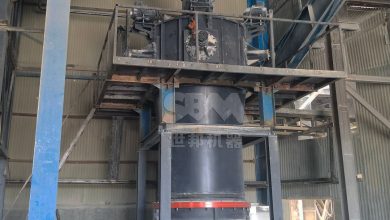
How to Choose the Right Grinding Mill for Your Phosphogypsum Powder Production Line?
Introduction: The Critical Role of Milling in Phosphogypsum Valorization
Phosphogypsum (PG), a by-product of phosphoric acid production, presents both an environmental challenge and a valuable resource opportunity. Its effective utilization in applications such as cement retarders, building materials, soil amendments, and road base aggregates hinges on one critical process: grinding. The selection of the appropriate grinding mill is not merely an equipment choice; it is a strategic decision that determines product quality, production efficiency, operational cost, and ultimately, the economic viability of your entire PG processing line. This guide will navigate the key factors in mill selection and highlight optimal solutions for transforming phosphogypsum into high-value powder.
Key Factors in Selecting a Grinding Mill for Phosphogypsum
1. Desired Final Product Fineness and Particle Size Distribution
Phosphogypsum applications have specific fineness requirements. For instance, use as a cement set retarder typically requires a fineness of 200-325 mesh (74-45μm), while high-performance polymer composites or specialized plasters may demand ultrafine powders reaching 800-1250 mesh (15-10μm). The mill must not only achieve the target top size but also produce a consistent and narrow particle size distribution (PSD). A wide PSD can negatively affect the reactivity, packing density, and final strength of products incorporating the PG powder.
2. Required Production Capacity and Scalability
Your mill must match your plant’s throughput requirements, from pilot-scale (a few tons per hour) to large-scale industrial production (tens to hundreds of tons per hour). Consider both immediate needs and future expansion. Modular designs or mills with a wide capacity range within a single model offer greater flexibility and protect your investment.
3. Moisture Content and Feed Characteristics
Fresh phosphogypsum often contains significant free moisture (15-25% or more) and can be sticky. Some mills are better equipped to handle moist feed, either through integrated drying (e.g., hot air swept systems) or robust material handling designs. The feed size from your primary crusher is also a limiting factor for the mill’s inlet.
4. Energy Efficiency and Operating Costs
Grinding is an energy-intensive operation. The specific energy consumption (kWh/ton) of the mill is a primary driver of long-term operating expenses. Advanced milling technologies that employ bed grinding or high-efficiency classification can offer substantial savings over traditional methods like ball mills.
5. Wear Resistance and Maintenance Requirements
Phosphogypsum, while not the hardest material, can be abrasive due to impurities. Mills with wear-resistant grinding components (rollers, rings, liners) and designs that facilitate easy maintenance or component replacement will minimize downtime and reduce long-term maintenance costs.
6. Environmental and Space Considerations
The mill system must operate with minimal dust emission to meet environmental regulations. Fully sealed, negative-pressure designs are ideal. Furthermore, the physical footprint of the mill and its ancillary equipment (classifier, fan, dust collector) must fit within your plant layout.
Overview of Mill Technologies for Phosphogypsum
Different mill types offer distinct advantages for PG processing:
- Ball Mills: Robust and versatile but generally less energy-efficient for fine grinding. Suitable for coarser requirements (0.074-0.8mm).
- Raymond Mills (Pendulum Mills): Good for medium-fine grinding (30-325 mesh). Traditional technology with relatively lower investment cost.
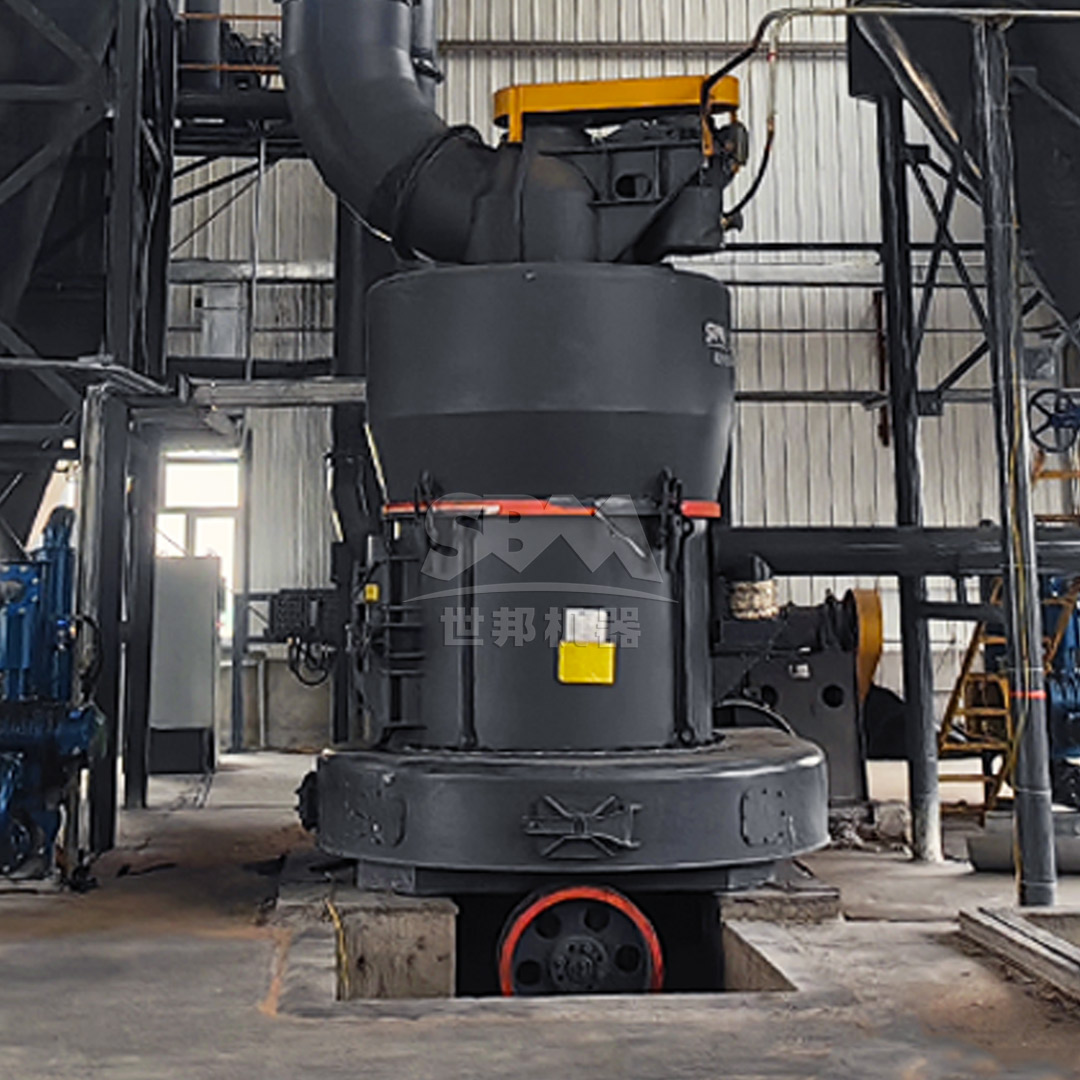
- Vertical Roller Mills (VRM): Excellent for integrated drying and grinding. Highly energy-efficient due to the bed grinding principle and ideal for large-capacity production of medium-fine powder (30-325 mesh).
- Ultrafine Grinding Mills: Specialized mills designed to produce powders finer than 400 mesh. Essential for high-value PG applications.
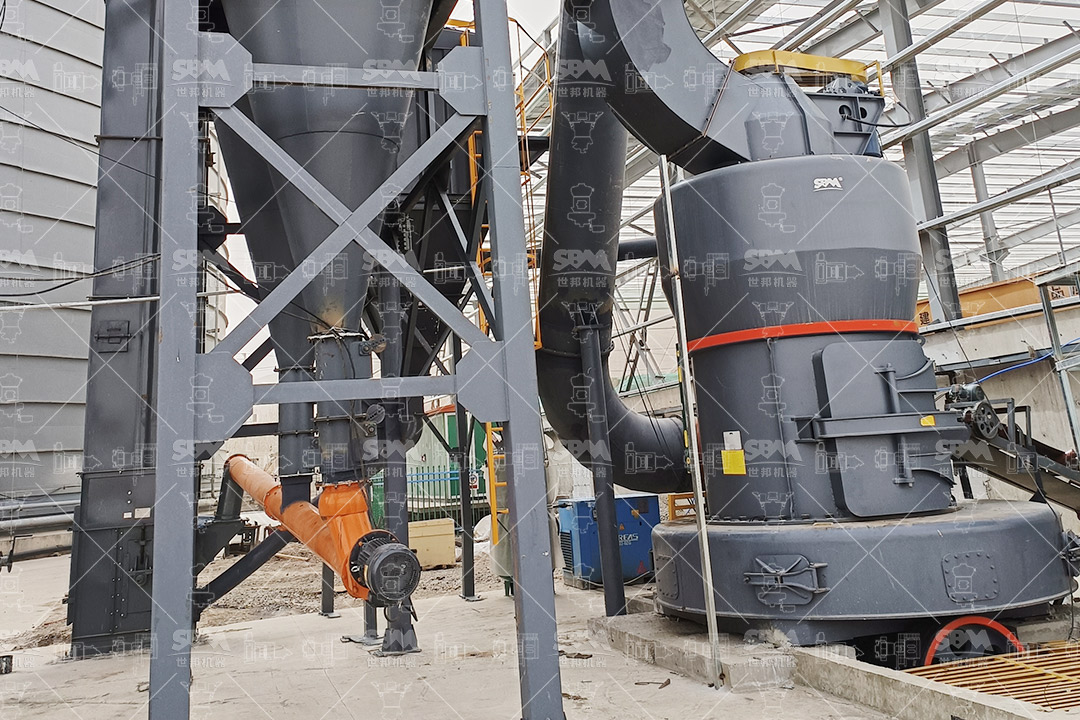
Recommended Mill Solutions for Phosphogypsum
Primary Recommendation for High-Capacity, Integrated Drying & Grinding: LM Series Vertical Roller Mill
For most large-scale phosphogypsum powder production targeting fineness between 30 and 325 mesh, the LM Series Vertical Roller Mill stands out as a premier choice. Its design is particularly well-suited to handle the challenges posed by PG.
- Integrated Drying: The hot-air swept system allows simultaneous grinding and drying of moist phosphogypsum, eliminating the need for a separate, energy-intensive dryer.
- Superior Energy Efficiency: Utilizing the bed grinding principle, the LM mill consumes 30-40% less energy than a traditional ball mill system for the same output, dramatically reducing operating costs.
- Large Capacity & Compact Footprint: With capacities ranging from 3 to 250 tons per hour, it meets high-output demands. Its integrated design (crushing, grinding, drying, classification) reduces floor space requirements by approximately 50%.
- Intelligent & Stable Operation: An expert-level automatic control system ensures stable product fineness and optimizes mill parameters, reducing manual intervention.
- Environmental Compliance: Fully sealed negative pressure operation ensures dust emissions are kept well below international standards.
Model Suggestion: For a production line aiming for 30-50 t/h of 200-mesh phosphogypsum powder, the LM190K Vertical Roller Mill (Capacity: 23-68t/h, Fineness: 170-45μm) would be an excellent, efficient, and reliable core grinding unit.
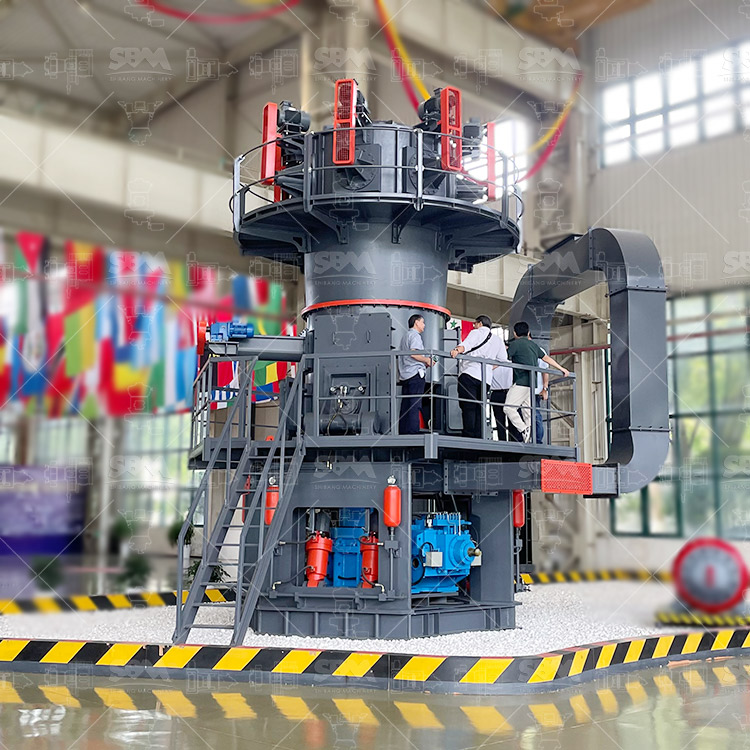
Premium Recommendation for Ultrafine and High-Value Powder: SCM Series Ultrafine Mill
When the production goal is ultra-fine phosphogypsum powder (325-2500 mesh) for niche, high-value applications, the SCM Series Ultrafine Mill is the definitive technological solution.
- Exceptional Fineness & Precision: Equipped with a high-precision vertical turbine classifier, it can reliably produce powder from 325 to 2500 mesh with a very narrow particle size distribution and no coarse powder mixing.
- High Efficiency: Its grinding mechanism offers a capacity approximately twice that of a jet mill while consuming about 30% less energy, representing a significant advancement in ultrafine grinding economics.
- Durable Construction: Key wear parts like rollers and rings are made from special materials, extending service life several times over and ensuring consistent long-term performance with abrasive materials.
- Intelligent Control: The system features automatic finished product granularity feedback, allowing for real-time adjustment to maintain precise product specifications.
Model Suggestion: For a specialized line producing 4-6 t/h of 800-mesh high-purity phosphogypsum filler, the SCM900 Ultrafine Mill (Capacity: 0.8-6.5t/h, Fineness: 325-2500 mesh) provides the perfect balance of precision, output, and energy savings.
Conclusion: Making an Informed Investment
Choosing the right grinding mill for your phosphogypsum powder production line requires a careful analysis of your product targets, capacity needs, and operational constraints. While traditional mills have their place, modern technologies like Vertical Roller Mills and advanced Ultrafine Mills offer compelling advantages in energy efficiency, integration, and product quality control.
For high-tonnage production of construction-grade PG powder, the LM Series Vertical Roller Mill offers an unbeatable combination of drying capability, low energy use, and large capacity. For venturing into the high-value market of ultrafine PG powders, the SCM Series Ultrafine Mill provides the necessary precision and efficiency to make your operation competitive. Evaluating these technologies against your specific project parameters will lead you to the optimal grinding solution, ensuring the profitability and sustainability of your phosphogypsum valorization project.