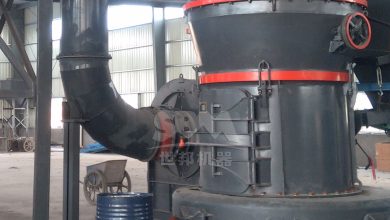
How to Choose the Right Grinding Mill for Phosphorus Slag Used in Cement Production?
Introduction
The utilization of industrial by-products like phosphorus slag in cement production is a cornerstone of sustainable construction practices. Phosphorus slag, a by-product of the phosphorus manufacturing process, possesses latent hydraulic properties that, when finely ground, can significantly enhance the performance and durability of cement while reducing its carbon footprint. However, unlocking this potential hinges on one critical factor: selecting the appropriate grinding mill. The choice of grinding technology directly impacts the fineness, particle size distribution (PSD), energy consumption, and overall economic viability of the process. This article provides a comprehensive guide to selecting the optimal grinding solution for phosphorus slag, focusing on key material characteristics, mill types, and performance criteria.
Understanding Phosphorus Slag: Material Characteristics and Grinding Challenges
Phosphorus slag is a vitreous, granular material with a chemical composition primarily of calcium silicates. Its physical and chemical properties present specific challenges and requirements for grinding equipment:
- Hardness and Abrasiveness: While generally less hard than clinker, phosphorus slag can contain crystalline phases and impurities that increase its abrasiveness, leading to higher wear on mill components.
- Moisture Content: Slag may have variable moisture levels. Efficient grinding often requires drying, making integrated drying-grinding systems highly advantageous.
- Target Fineness: To fully activate its pozzolanic and hydraulic reactivity, phosphorus slag must be ground to a high specific surface area, typically between 400-600 m²/kg (Blaine) or finer. This demands mills capable of producing a fine, narrowly distributed product.
- Grindability: The Bond Work Index of phosphorus slag is a crucial parameter for sizing grinding circuits and estimating power consumption.
Key Criteria for Mill Selection
When evaluating grinding mills for phosphorus slag, consider the following non-negotiable criteria:
- Product Fineness and Particle Size Distribution (PSD): The mill must consistently achieve the target fineness (e.g., 325-600 mesh or 45-5μm) with a steep PSD curve. A narrow PSD ensures optimal packing density and reactivity in the cement blend.
- Energy Efficiency: Grinding is energy-intensive. Selecting a mill with a low specific energy consumption (kWh/ton) is paramount for operational cost control and sustainability goals.
- Wear Resistance and Maintenance: Given the abrasive nature of slag, the mill’s grinding elements (rollers, tables, liners) must be made from special, wear-resistant materials, and the design should facilitate easy maintenance and part replacement.
- System Integration and Footprint: The mill system should ideally integrate drying, grinding, classification, and collection into a compact footprint to save space and reduce auxiliary equipment costs.
- Operational Flexibility and Control: The ability to adjust fineness online, handle feed size fluctuations, and operate stably under varying conditions is essential for consistent product quality.
Analysis of Common Grinding Mill Types for Slag
Different mill technologies offer varying advantages for slag grinding. Below is a comparative analysis.
1. Ball Mill
The traditional workhorse. Ball mills are robust and can handle wet or dry grinding. However, for achieving the high fineness required for slag, they suffer from high energy consumption, significant wear (especially for dry grinding), and a relatively broad PSD. They are often less efficient as standalone units for modern ultra-fine slag grinding applications.
2. Vertical Roller Mill (VRM)
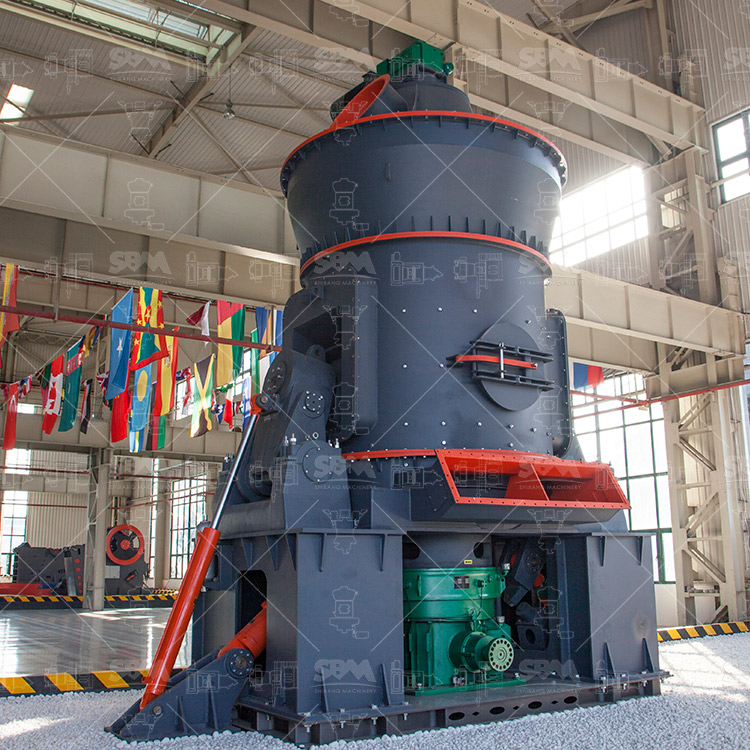
VRMs have become the industry standard for slag grinding due to their excellent efficiency. They utilize a bed-grinding principle where material is ground between rollers and a rotating table. Key benefits include:
High Energy Efficiency: 30-50% lower energy consumption compared to ball mills.
Integrated Drying: Hot gas can be introduced to dry moist slag simultaneously with grinding.
Compact Design: Integrates multiple processes into a single unit.
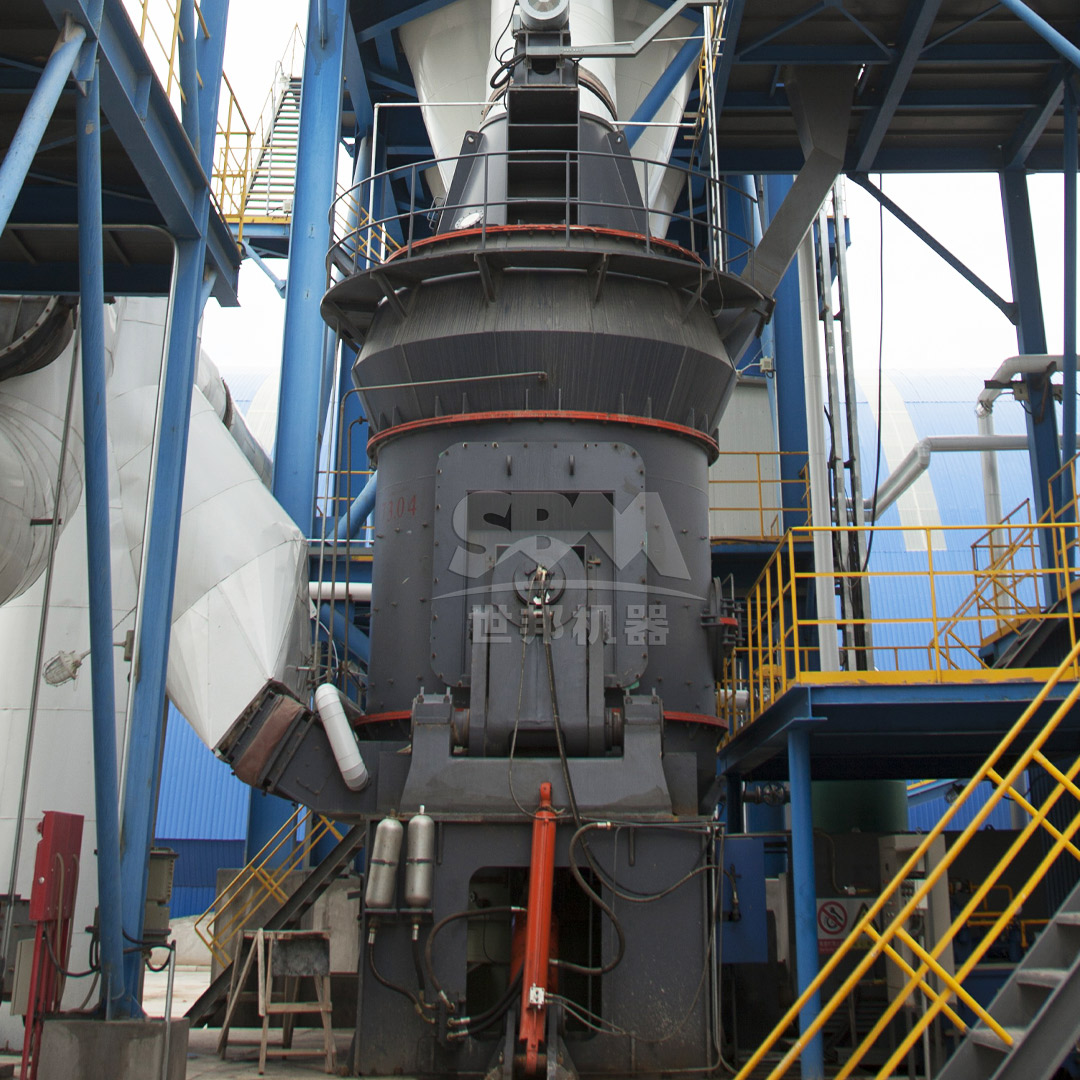
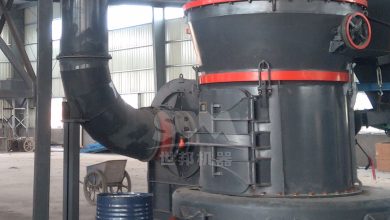
For phosphorus slag, a VRM like the LM Series Vertical Roller Mill is a top-tier contender. Its integrated design reduces floor space by 50% and infrastructure costs by 40%. The non-contact design between rollers and the table, coupled with special wear materials, extends component life significantly—a critical factor for abrasive slag. With an energy consumption 30-40% lower than ball mill systems and the ability to produce fineness in the 30-325 mesh range (and up to 600 mesh for special models), it offers an outstanding balance of performance and economy for large-scale production (3-250 t/h).
3. Ultrafine Grinding Mills
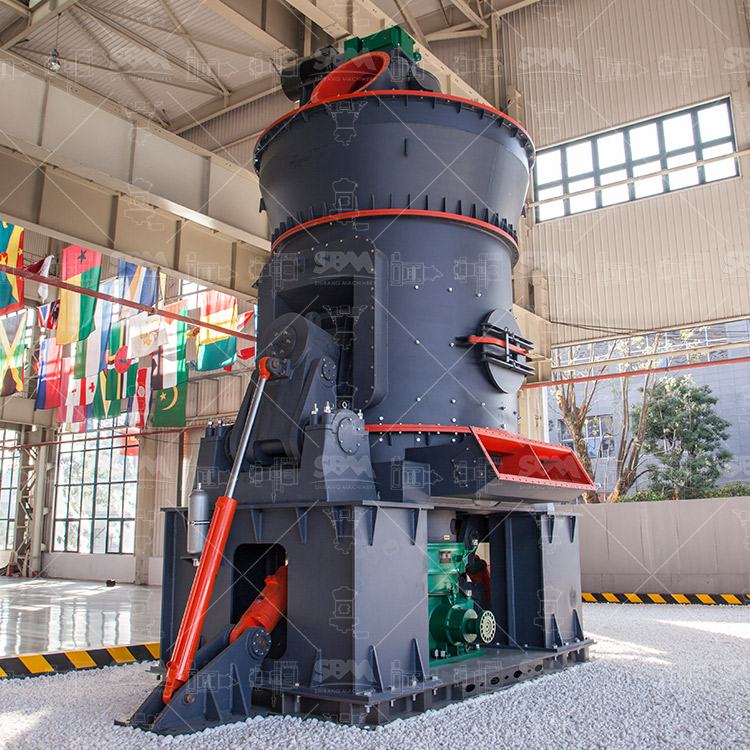
For applications demanding the highest fineness (e.g., >600 mesh or 5μm) to maximize slag reactivity, specialized ultrafine mills are required. These mills combine intense mechanical force with precise internal classification.
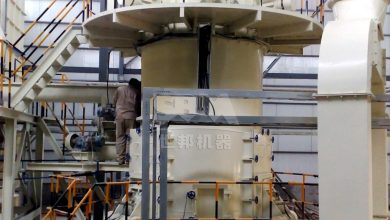
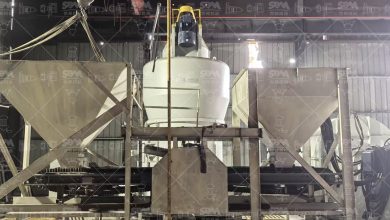
A prime example is the SCM Series Ultrafine Mill. Engineered for producing powders in the 325-2500 mesh (45-5μm) range, it is ideal for producing highly reactive phosphorus slag powder. Its high-efficiency grinding chamber and vertical turbine classifier ensure a uniform product with no coarse powder mixing. Notably, it offers a capacity 2x that of some jet mills while consuming 30% less energy. For cement producers looking to create premium slag-blended cements or supplementary cementitious materials (SCMs) with exceptional performance, the SCM series, with models from 0.5 to 25 t/h, provides a precise and efficient solution.
Recommended Mill Selection Strategy
The optimal choice follows a logical decision tree based on project specifics:
- For Large-Scale, Integrated Cement Plants seeking to grind slag for bulk blending (fineness ~400-500 m²/kg), the LM Vertical Roller Mill is often the most cost-effective and efficient choice due to its high capacity, low operating cost, and integrated drying capability.
- For Specialty or High-Value Applications where ultra-fine slag powder (e.g., for high-performance concrete) is the product, the SCM Ultrafine Mill is the superior technology to achieve the necessary fineness and PSD with remarkable energy efficiency.
- For Existing Plants with Ball Mills, retrofitting a pre-grinding system like a Vertical Pre-grinding Mill (e.g., LM-Y series) in front of the ball mill can dramatically increase overall circuit capacity (by 30-50%) and reduce specific energy consumption.
Conclusion
Selecting the right grinding mill for phosphorus slag is a strategic decision that impacts product quality, operational costs, and environmental footprint. While traditional ball mills offer reliability, modern vertical roller mills and specialized ultrafine mills provide superior efficiency, control, and product quality. By thoroughly analyzing the slag characteristics, target product specifications, and production scale, cement producers can make an informed choice. Technologies like the energy-efficient LM Vertical Roller Mill for large-scale production and the precision-focused SCM Ultrafine Mill for high-fineness applications represent the advanced solutions needed to fully harness the value of phosphorus slag in sustainable cement production.